Custom Handheld Xbox 360 Build Shows What Portable Retro Gaming Could Look Like
YouTuber creates working portable Xbox 360 using original hardware, raising questions about official retro console releases.
 By Serenity Richards
Updated November 28, 2026
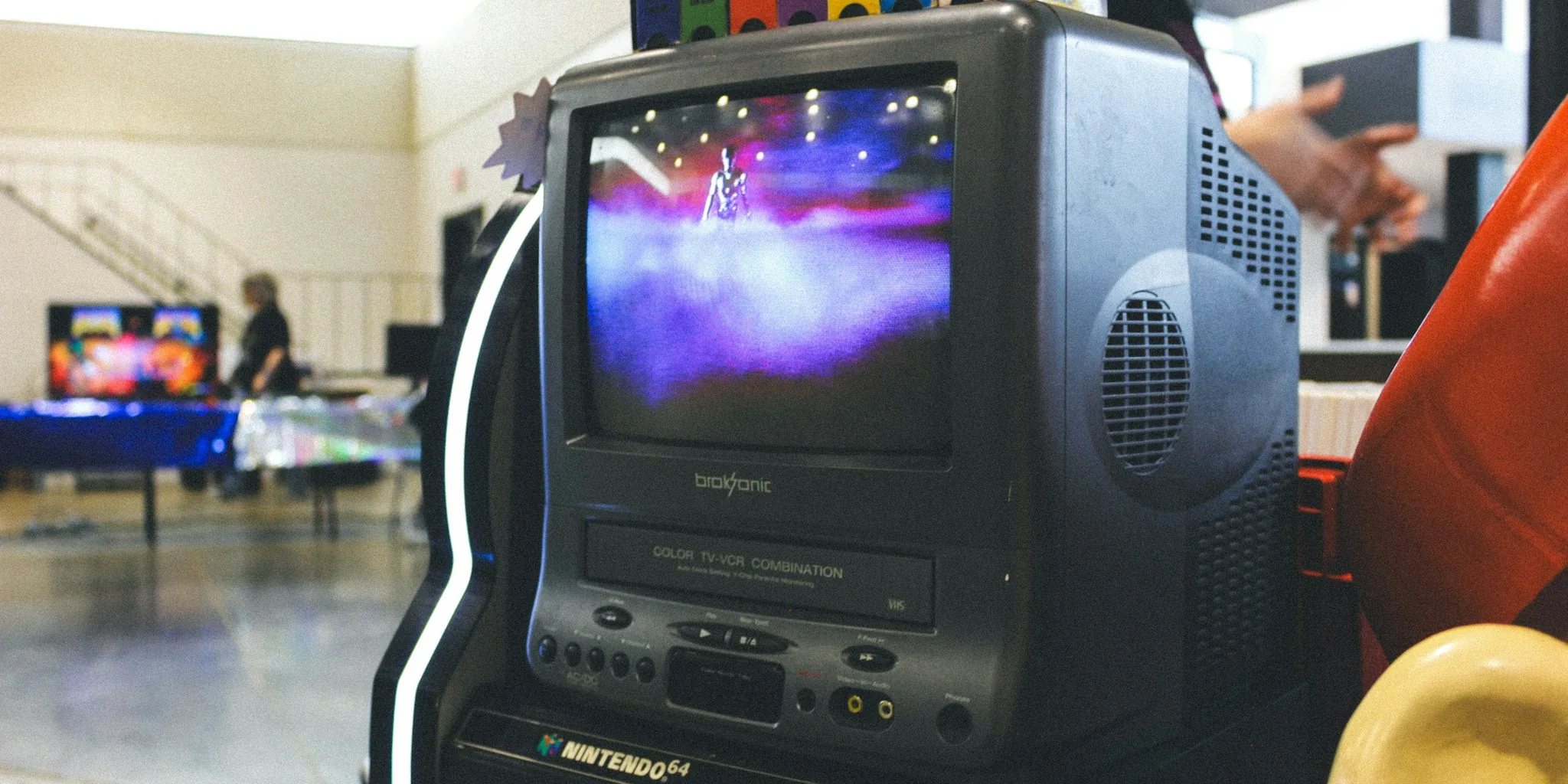
A YouTuber known for building portable versions of classic gaming consoles has now turned their attention to the Xbox 360, creating a gloriously oversized handheld device that runs the original hardware. While calling it portable might be generous, this custom project demonstrates growing interest in game consoles that prioritize nostalgia and unique gaming experiences.
How This Portable Xbox 360 Actually Works
Creator Peter Knetter, who has previously built portable versions of the PlayStation 4, Nintendo 64, and other consoles, extracted the internal components from an actual Xbox 360 and rebuilt them inside a 3D-printed case. The case houses the original hardware alongside a custom display, control inputs, and dedicated power supply. Rather than emulating games on modern hardware, this project uses genuine Xbox 360 internals, making it a true portable recreation of the console.
The builder specifically designed this device to serve as a dedicated handheld for Sonic 06, even branding the device with the Sonic logo. While Sonic 06 appears to be the primary focus, the device does play other titles as well, including Viva Pinata. The project showcases what enthusiast builders in the gaming community can accomplish when combining retro hardware with modern manufacturing techniques like 3D printing.
What This Means for Shoppers and Console Collectors
This custom build raises an important question: should manufacturers like Microsoft consider creating an official portable Xbox 360 for the growing retro gaming market? The gaming community has demonstrated sustained interest in classic consoles and portable gaming experiences. With the success of products like the Nintendo Switch and various retro console re-releases, there appears to be genuine consumer appetite for portable versions of beloved legacy systems.
For shoppers interested in retro gaming, this project highlights two distinct paths forward. The enthusiast route involves purchasing original hardware and commissioning custom builds from skilled modders, which can be expensive and time-consuming. The commercial route would involve manufacturers releasing official portable versions that reach a broader audience. Such products have historically performed well, suggesting there is genuine market demand.
Shoppers currently seeking portable Xbox gaming options have limited official choices. The Xbox ecosystem emphasizes cloud gaming and Game Pass on modern portable devices, but nothing directly parallels a dedicated handheld Xbox experience. This gap in the market is precisely what makes community projects like this one so significant. They demonstrate consumer desire for something that doesn’t yet exist in the mainstream marketplace.
The Broader Context of Console Portability
The trend of converting stationary consoles into portable devices isn’t new, but it has gained momentum as 3D printing technology has become more accessible and affordable. Gaming enthusiasts continue to pursue these projects for various reasons: nostalgia, collection completion, and the unique satisfaction of owning one-of-a-kind pieces. These custom builds often circulate through social media and gaming communities, sparking discussions about whether official releases would be viable.
For gamers interested in mobile experiences, understanding external storage solutions for Xbox consoles and other accessories remains important. Even if a portable Xbox 360 existed, users would want to maximize game libraries and storage capacity. Additionally, those who game on multiple platforms benefit from understanding compatible peripherals like racing wheels for Xbox systems, which enhance specific gaming genres.
Industry Response and Future Possibilities
While Microsoft hasn’t announced plans for an official portable Xbox 360, the gaming industry continues to watch community projects closely. These grassroots efforts serve as informal market research, demonstrating what consumers actually want. When custom builders invest time and resources into projects like this, they’re essentially proving demand exists for products that haven’t yet reached retail shelves.
The question remains whether major manufacturers will act on these signals. Nintendo found great success by offering official retro products and the Switch console. If Xbox decided to enter the retro portable gaming space, they would likely face minimal competition and potentially strong sales. The community has already done much of the design thinking and demonstrated proof of concept.
For current shoppers and future consumers, this custom project represents more than just a novelty. It’s a conversation starter about what gaming could look like if manufacturers revisited their classic systems through modern engineering. Until official options arrive, enthusiast builders continue pushing the boundaries of what’s possible with dedicated hardware and creative innovation.
About the author
Serenity covers home game consoles for REMOVU, weighing performance, exclusive libraries, and the ecosystem each platform locks you into. She helps players pick the console that fits how and what they play.