iPhone 18 and 18e Launch Delayed: What Buyers Should Expect in 2027
Production delays push budget iPhone availability further back. Here's what the revised timeline means for shoppers.
 By Eleanor Garcia
Updated November 27, 2026
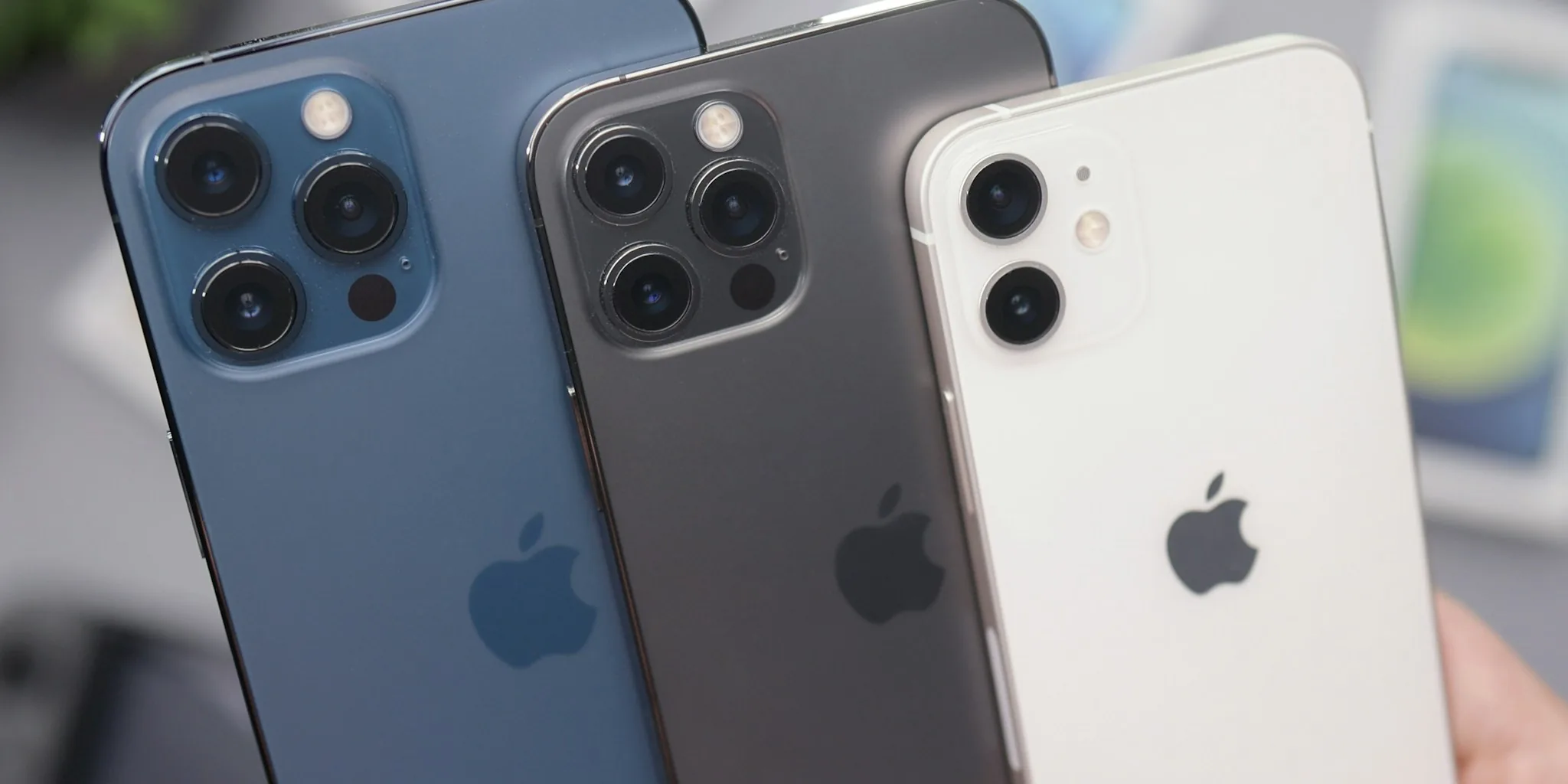
Apple’s budget-friendly iPhone models are facing production delays that could push their arrival further into spring 2027. According to supply chain reports, the iPhone 18 and iPhone 18e have not yet entered mass production, with manufacturing now expected to begin on New Year’s Day rather than the originally planned October timeline. This shift marks the latest setback for a product line that buyers have been waiting for since Apple switched its launch schedule earlier this year.
For consumers hoping to purchase a more affordable smartphone option, understanding these delays and what they mean for availability is essential. Here’s what we know about the revised timeline and how it affects your shopping plans.
Production Timeline and Spring Availability
Initial reports suggested that mass production of the standard iPhone 18 and the entry-level iPhone 18e would commence in October. However, that deadline was missed, and supply chain sources later revised the timeline to late November. As November draws to a close with production still not underway, Apple appears to have pushed the start date to January 1st, 2027.
Despite this shift, industry analyst Mark Gurman from Bloomberg believes a spring launch remains achievable. With production beginning in January, Apple would have approximately eight to ten weeks before a March release window, which aligns with when iOS 27.4 is also expected to arrive. This timeframe should theoretically provide enough lead time for manufacturing and distribution, though the compressed schedule carries some risk.
What This Means for Early Availability
The extended delay introduces several practical concerns for shoppers. Early supplies could be constrained when the phones launch, meaning availability might be limited in the first few weeks. Some customers may experience longer wait times for delivery, or their preferred color and storage configurations could sell out quickly.
Additionally, if production doesn’t stay on the revised schedule, there’s always a possibility the launch could slip further into spring or even early summer. Supply chain uncertainties have become more common in recent years, and while Apple typically manages production well, unexpected challenges can still occur. Anyone planning to purchase one of these models should be prepared for potential stock limitations at launch.
Why Apple Changed Its Strategy
Apple made an unusual decision this year by separating its iPhone launches. The premium iPhone 18 Pro models arrived in September as expected, but the company deliberately held back the standard models for a spring release. This strategy differs from Apple’s traditional pattern of unveiling all new iPhone models in the fall.
By splitting the launch schedule, Apple may be spreading out consumer spending and extending the product cycle. However, the delay means that budget-conscious buyers who skipped the Pro lineup are now facing an extended waiting period. For those who passed on purchasing an iPhone Duo foldable model while waiting for the more affordable options, this news may be frustrating.
The iPhone 18e: What to Expect
The iPhone 18e is designed to serve as the entry-level option in Apple’s smartphone lineup. Reports suggest it will feature a larger battery capacity than previous generations and include the Dynamic Island display feature, which has become standard across newer iPhone models. These specifications should make it a compelling choice for budget-minded shoppers seeking modern features without the premium price tag.
The standard iPhone 18 will likely occupy the middle tier, offering better specifications and performance than the 18e while remaining more affordable than the Pro variants. Together, these two models should provide solid alternatives for consumers who want current technology without maximum performance or premium pricing.
Keep an Eye on the iPhone Air 2

Reports also indicate that Apple is developing a second-generation iPhone Air model for a potential spring launch. While details remain sparse, this device could enter mass production during the same January timeframe as the standard models. The original iPhone Air carves out a unique position between the base model and Pro versions, and an updated version could appeal to buyers seeking a balanced combination of features and cost.
What You Should Do Now
If you’re waiting for the iPhone 18 or 18e, patience will likely be rewarded with a viable spring launch, though perhaps not quite as early as originally hoped. The revised January production start still leaves reasonable time for a March availability window. However, expectations for abundant stock in the first days or weeks of launch should be tempered.
For those who need a new smartphone immediately, considering the existing iPhone models currently available might make sense. The iPhone 18 Pro lineup is already in market channels, and earlier generation iPhones continue to offer solid performance and reliability.
Stay informed about official announcements from Apple, as the company will eventually confirm timing for these launches. Supply chain reports and tipster information can be useful, but they sometimes shift, so verified details from Apple represent the most reliable source. Subscribe to Apple’s official channels or check major tech publications in January and February for confirmation of spring release dates.
The good news is that while delays are frustrating, a March launch timeframe still appears realistic based on current information. Those who’ve been holding out for a more budget-friendly iPhone option should have something to purchase relatively soon, even if the wait has been longer than initially expected. Accessories and complementary devices can be lined up in the meantime.
About the author
Eleanor covers smartphones for REMOVU, balancing cameras, battery life, and software support against price. She helps readers find the best value as the field shifts with every release.