iPhone September 2026 Launch What Shoppers Should Know About the New Split Release Schedule
Apple splits iPhone launches into spring and fall, delivering six new models throughout 2027. Here's the complete guide.
 By Eleanor Garcia
Updated November 27, 2026
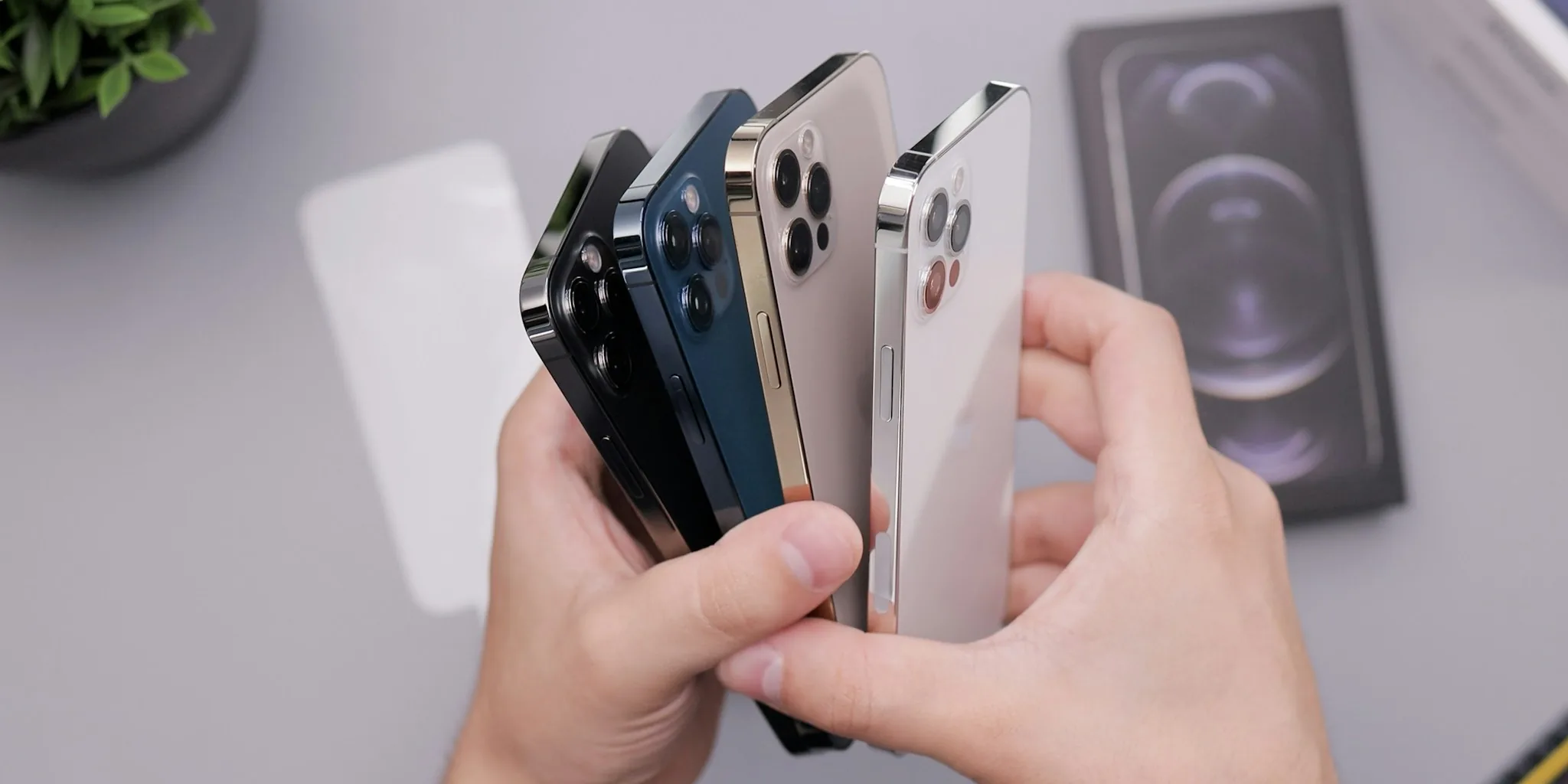
Apple has officially shifted its iPhone release strategy. At its September 2026 event, the company unveiled three new devices: the iPhone 18 Pro, iPhone 18 Pro Max, and its first-ever foldable phone, the iPhone Duo. Notably absent was the base iPhone 18 model, marking a significant departure from Apple’s traditional release calendar. For consumers who have grown accustomed to seeing the entire lineup announced simultaneously, this change signals a fundamental restructuring of how iPhones will roll out over the coming years.
The absence of the standard iPhone 18 and the Plus lineup, which was discontinued in 2025, was not surprising given months of industry speculation about a split launch strategy. Apple has officially moved toward staggered releases, with spring and fall events now serving different purposes in the company’s product calendar. This development has major implications for buyers deciding when and what to purchase.
What This Split Schedule Means for 2027
The real story unfolds in 2027, which promises to be an extraordinary year for iPhone shoppers. Apple is expected to release six new models across two launch events: three in spring and three in fall. This consolidation of launches into a single year differs drastically from previous years when releases were spread evenly throughout the annual cycle.
In spring 2027, expect the base iPhone 18, the budget-friendly iPhone 18e, and the second-generation iPhone Air to arrive. By fall 2027, Apple will introduce the iPhone 20 Pro, iPhone 20 Pro Max, and the iPhone Duo 2. This concentrated release schedule reflects Apple’s confidence in offering consumers diverse options while managing production timelines more efficiently.
The Standard iPhone 18 and Budget Options
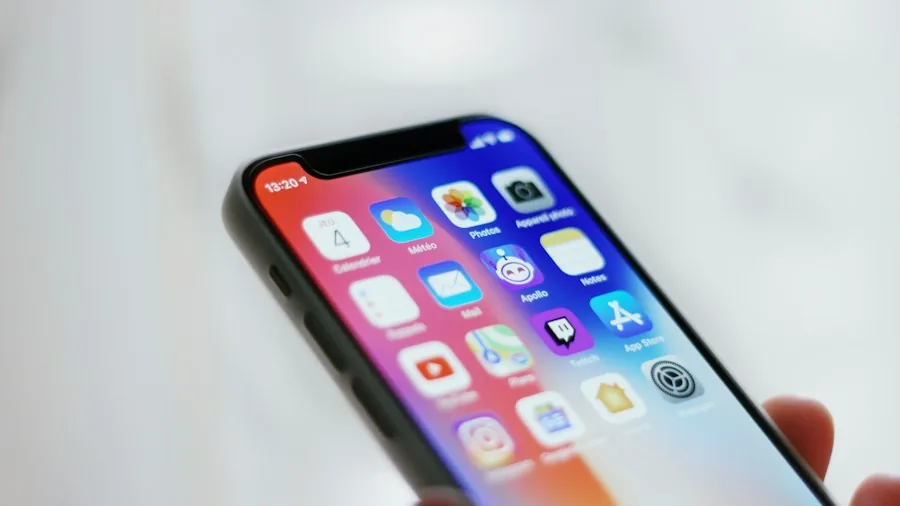
The standard iPhone 18 is expected to represent an incremental evolution of its predecessor. Inside, the device will likely feature the non-Pro A20 chip built on a smaller 2nm manufacturing process, potentially offering improved thermal management that keeps the phone cooler during intensive tasks. Rumors suggest upgraded RAM compared to the iPhone 17, though current supply constraints could affect final specifications.
One notable detail involves Apple’s C2 modem, an in-house design that debuted in the iPhone 18 Pro models. This component is expected to trickle down to the standard iPhone 18, delivering better connectivity performance across the board. Styling will likely mirror the iPhone 17, though some design language from the premium iPhone 18 Pro could influence the final product. The Dynamic Island may see adjustments in size, though conflicting reports suggest Apple is still evaluating final placement.
Pricing for the iPhone 18 is anticipated to start at $899, maintaining the entry-level cost structure that has remained stable for several years. This consistency in pricing helps buyers predict their upgrade costs without surprises.
For value-conscious shoppers, the iPhone 18e will mark the third generation of Apple’s affordable e-series lineup. The most visible upgrade involves a redesigned camera bump that shifts to a larger square shape, a dramatic visual change from the compact module on the iPhone 17e. Despite this aesthetic shift, the camera is expected to remain a single rear lens, leaving observers curious about the visual proportions of the upgrade.
Internally, the iPhone 18e receives the same A20 chip as the standard iPhone 18, representing a meaningful performance boost over the A19 found in the iPhone 17e. Storage will begin at 256GB. Additional features carryover includes the 15W fast wireless charging with MagSafe, USB-C support, Face ID, and the 6.1-inch Super Retina XDR display.
The Evolving iPhone Air Lineup
The iPhone Air 2, arriving in spring 2027, represents Apple’s mid-range offering and a significant upgrade path between the budget and premium tiers. This model is projected to become exceptionally thin at just 5.2mm, shaving nearly 0.4mm off the original iPhone Air’s already slim profile.
The standout upgrade involves a second camera featuring an ultra-wide-angle lens. This dual-camera system represents the most substantial enhancement over the first-generation iPhone Air, which shipped with only a single rear camera. The camera module itself will be slightly thicker to accommodate the additional lens, creating an interesting size paradox: the overall phone gets thinner while one component expands.
Battery capacity is expected to increase, delivering improved longevity throughout the day. The iPhone Air 2 will likely be powered by the A20 Pro chip, the same processor found in the premium iPhone 18 Pro and Pro Max models. This chip choice bridges the gap between mid-range and flagship performance.
Fall 2027 Brings the iPhone 20 Era and Foldable Evolution
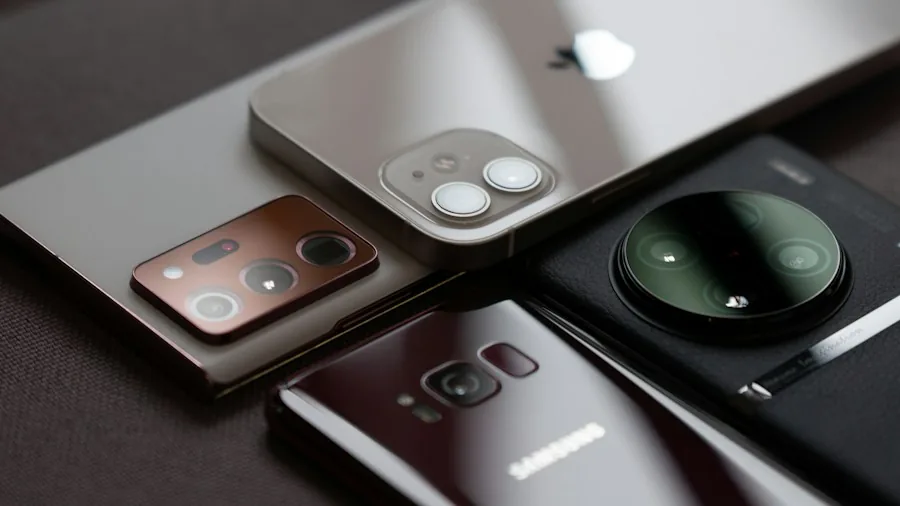
By September 2027, Apple reaches the 20-year milestone since the original iPhone debuted. This anniversary creates expectations for a comprehensive redesign of the Pro models. Rather than continuing with the iPhone 19 nomenclature, Apple is expected to jump directly to the iPhone 20 Pro and iPhone 20 Pro Max.
The rumored redesign represents a departure from the flat-edge aesthetic that has defined iPhones since the iPhone 12 launched in 2020. Reports indicate a shift toward curved designs with dramatically reduced bezels, allowing for larger displays within similar physical footprints. The iPhone 20 Pro display is anticipated to reach 6.4 inches, while the Pro Max could stretch to an impressive 7 inches. The chassis is expected to incorporate generous glass elements, contributing to a more premium feel than the current generation.
Meanwhile, the iPhone Duo 2 arrives as the successor to Apple’s first-ever foldable device. While specifics remain limited, incremental upgrades are anticipated rather than a complete overhaul. The A21 Pro chip is expected to power the device, with possible Face ID support extending to the outer display. Camera improvements and reduced weight are other likely enhancements.
Apple has already begun soliciting feedback from iPhone Duo owners, indicating the company will incorporate real-world user insights into the second-generation design. This approach suggests Apple takes the foldable category seriously despite early challenges the first model faced.
Planning Your iPhone Purchase Strategy
The 2027 timeline offers buyers unprecedented choice in the iPhone ecosystem. Whether you prioritize compatibility with related devices or seek the latest technology, your preferences will align with at least one of the six models expected throughout the year. Spring releases address the budget and mid-range segments, while fall introduces next-generation premium devices. This structure allows consumers to match their purchase timing to their needs rather than waiting for a single annual window.
For those eyeing a new device, monitoring announcements through early 2027 provides clarity on exact specifications, pricing, and feature sets before making a commitment.
About the author
Eleanor covers smartphones for REMOVU, balancing cameras, battery life, and software support against price. She helps readers find the best value as the field shifts with every release.