iPhone Cameras Now Broadcast Live Formula 1 Racing: What This Means for Sports Fans
Apple uses iPhones and 5G to broadcast F1 action from the Las Vegas Grand Prix
 By Eleanor Garcia
Updated November 27, 2026

Apple has taken its commitment to smartphone cinematography to a major new level by deploying iPhone Pro cameras to capture live Formula 1 action at the Las Vegas Grand Prix. For the first time, iPhone footage contributed to an official F1 broadcast, with video transmitted wirelessly over T-Mobile’s 5G network in real time. This represents a significant milestone in how premium sporting events are filmed and delivered to viewers at home.
How iPhones Are Transforming Sports Broadcasting
The use of iPhone cameras for professional broadcasts is no longer experimental. Apple has been capturing its own promotional videos and live events with iPhone Pro models equipped with cinema-grade lenses, external storage, and broadcasting accessories for several years. In 2026 alone, Apple has broadcast Major League Soccer matches and regular season baseball games captured entirely or partially with iPhones, demonstrating the technology’s reliability in fast-paced sporting environments.
What makes the Las Vegas Grand Prix different is complexity and scale. Unlike a contained baseball stadium where Apple controls all production aspects, Formula 1 operates across a 3.9-mile circuit that winds through downtown Las Vegas, including the iconic Strip itself. The race route presents extraordinary challenges for wireless camera placement, signal stability, and coordination with existing broadcast partners.
Royce Dickerson, the executive producer of live sports at Apple TV, explained the operational differences. During the baseball broadcast, Apple positioned 14 iPhones alongside traditional cameras, with 10 of those connected via T-Mobile’s 5G wireless network. For Formula 1, the complexity multiplied dramatically. Dickerson noted that his two decades of television production experience had never encountered an operation at this scale.
The Strategic Advantage of 5G Connectivity
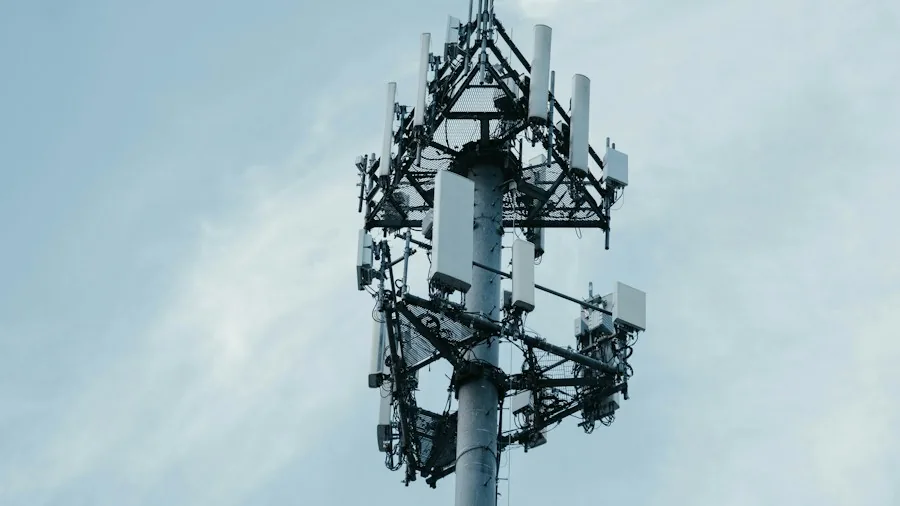
The integration of T-Mobile’s 5G network proved essential to making this broadcast possible. By streaming video wirelessly instead of relying on physical cable infrastructure, production teams gained flexibility in camera placement and eliminated the logistical nightmare of running cables across an urban racetrack. This wireless approach allows production crews to position cameras in locations previously impractical for live broadcast.
At the T-Mobile zone inside the Sphere, a venue designed with premium tech integration, at least 10 iPhone cameras covered a performance stage where concerts and entertainment filled gaps between racing sessions. The placement of multiple iPhones around this area demonstrates how iPhone devices now function as portable production tools rather than consumer gadgets.
Dean Locke, executive director of broadcast, media and race operations at Formula 1, emphasized that capturing the full personality of the event requires unprecedented camera density. “If we just did cameras at a low level, the fences and track, we haven’t done a very good job,” Locke stated. The variety of perspectives, from team garages to paddock areas to grandstand views, creates the immersive experience modern audiences expect.
What This Means for Future Sports Coverage
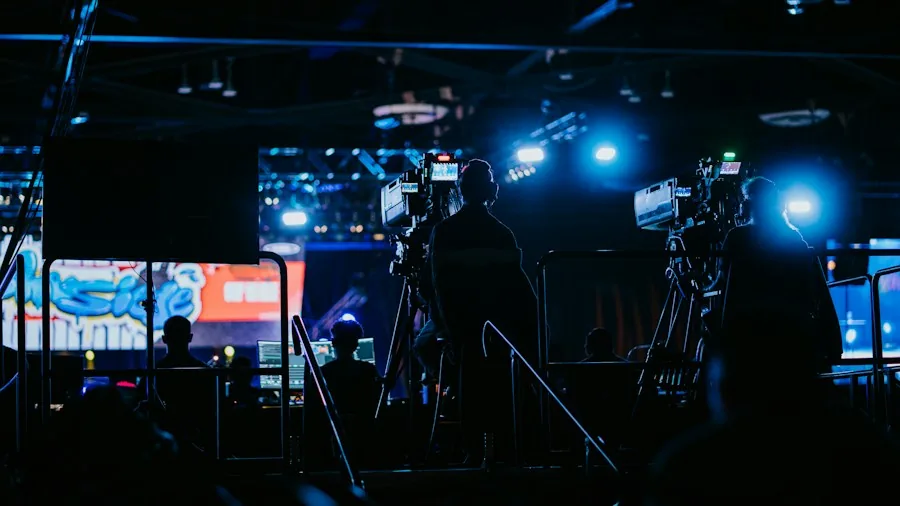
The successful deployment at Las Vegas establishes a template for how future major sporting events might be produced. While specific details about iPhone placement around the racetrack remain confidential due to existing broadcast agreements, the success of the initiative signals that remote, high-speed environments are increasingly viable for smartphone cameras.
The technical achievement extends beyond traditional 2D broadcasts. When asked whether Apple is capturing spatial video footage for potential future viewing on Apple Vision Pro, Dickerson declined to comment. The prospect of experiencing 200-mile-per-hour Formula 1 cars racing past at track level in immersive depth format remains tantalizing but unconfirmed.
For consumers interested in mobile video technology, this development validates the capabilities of premium iPhone Pro models. These devices, when paired with professional lenses and broadcasting infrastructure, perform reliably in demanding professional environments. This level of real-world performance in mission-critical broadcasting scenarios provides confidence in the technology’s advancement.
What Shoppers Should Know
If you’re evaluating devices for content creation or sports viewing, the Las Vegas Grand Prix broadcast demonstrates how smartphone technology has matured. iPhone Pro cameras are no longer aspirational tools for hobbyists; they’re professional-grade equipment trusted by major broadcasters and networks.
The implications extend to streaming and connectivity as well. T-Mobile’s successful deployment of 5G for live broadcast transmission shows the practical benefits of modern network infrastructure. For consumers in markets with robust 5G coverage, this technology enables previously impossible mobile applications.
As Apple continues expanding its sports broadcasting initiatives and technology partners like T-Mobile build out next-generation networks, viewers can expect increasingly immersive and dynamic coverage of live events. The convergence of smartphone cameras, wireless 5G transmission, and sophisticated production workflows represents the future of sports entertainment, making the Las Vegas Grand Prix a pivotal moment in broadcast history.
About the author
Eleanor covers smartphones for REMOVU, balancing cameras, battery life, and software support against price. She helps readers find the best value as the field shifts with every release.