The 11 Best Microphones for Podcasting
Picking the wrong mic ruins an otherwise great podcast. We researched dynamic and condenser options across every price tier to help you find clear, broadcast-quality audio for your setup.
 By Ken Mendoza
Updated July 26, 2026
By Ken Mendoza
Updated July 26, 2026
Finding the right microphone for podcasting can feel overwhelming. Whether you’re launching your first show or upgrading a home studio setup, the microphone you choose shapes how listeners perceive your voice, your brand, and ultimately your content.
A quality podcast microphone reduces room noise, delivers warm and clear vocal reproduction, and stays reliable across hours of recording.
It is genuinely one of the most impactful purchases a podcaster can make, yet the market is cluttered with options that range from rock-solid professional gear down to gimmicky entry-level kits that underdeliver.
To help you cut through the noise, our team at REMOVU researched every model on this list by synthesizing published specifications, expert review consensus from audio professionals, and verified buyer feedback from confirmed purchasers.
We balanced acoustic performance, build quality, connectivity, and value at every price tier.
Whether you need a plug-and-play USB mic to start recording today or an XLR broadcast-grade microphone to pair with an audio interface, our picks below cover the full spectrum of podcasting microphones worth buying in 2026.
| Award | Product | REMOVU Score About REMOVU ScoreThe REMOVU Score is our own rating from 0 to 10, based on performance, design and build, ease of use, and value. It reflects independent research and is never influenced by manufacturers, retailers, or affiliate commissions. Learn more › | Price | |
|---|---|---|---|---|
| Best Overall |
 Shure MV7+ Dynamic Microphone with USB-C/XLR
|
9.0/10 | Buy | |
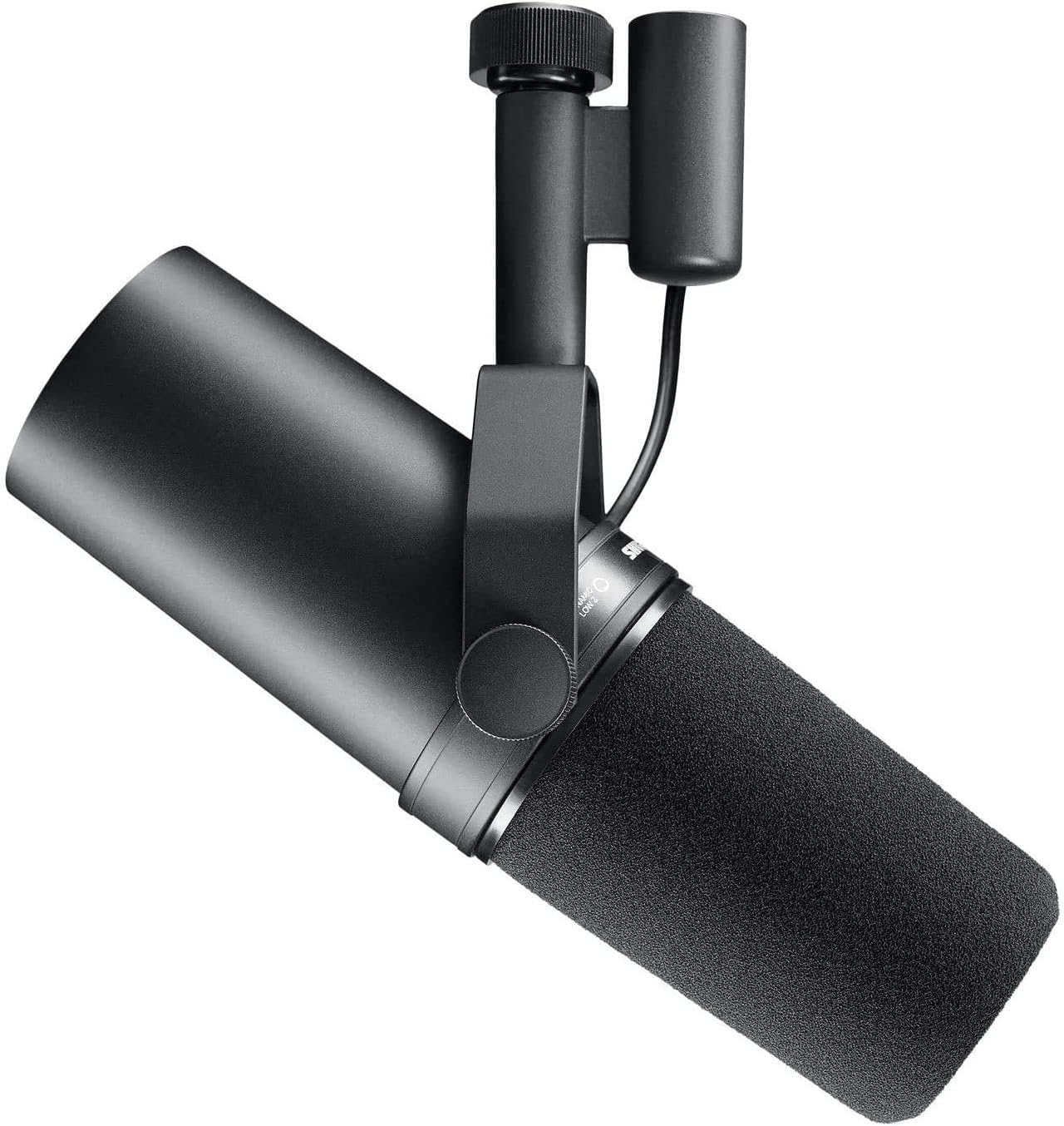 Shure SM7B Dynamic Microphone for Vocal Recording
|
6.2/10 | Buy | ||
| Best Premium |
 Shure MV7X XLR Dynamic Microphone
|
8.3/10 | Buy | |
| Best Value |
 RØDE NT1 Signature Large-Diaphragm Condenser Mic
|
8.4/10 | Buy | |
 Audio-Technica AT2035 Cardioid Condenser Mic
|
7.8/10 | Buy | ||
 RØDE PodMic XLR Dynamic Microphone
|
7.5/10 | Buy | ||
 Samson Q2U USB/XLR Dynamic Microphone
|
7.2/10 | Buy | ||
| Best Budget |
 FIFINE K688 Dynamic Microphone with Boom Arm
|
7.4/10 | Buy | |
 FIFINE K688 Dynamic Microphone, XLR/USB
|
7.3/10 | Buy | ||
 FIFINE AmpliGame AM8 USB/XLR Dynamic Mic
|
7.1/10 | Buy | ||
 FIFINE T669 USB Condenser Microphone Kit
|
6.4/10 | Buy |
Shure MV7+ Dynamic Microphone with USB-C/XLR
A hybrid-output dynamic mic built for podcasters and streamers who want broadcast-quality audio without the studio complexity. The standout Auto Level Mode automatically adjusts gain as you move, while onboard DSP handles noise reduction and digital pop filtering in real time. Backed by Shure's legacy and OBS certification, it bridges beginner-friendly setup with pro-level control through USB-C or XLR connectivity.
Pros
- Auto Level Mode intelligently adapts to voice distance and volume for consistent levels without manual adjustment
- Real-time DSP with voice isolation and noise reduction filters ambient sound and room echo effectively
- Dual connectivity (USB-C and XLR) grows with your setup from solo streaming to professional studio workflows
- Multi-color LED touch panel serves as both mute control and visual level meter, customizable via MOTIV Mix app
- Includes onboard reverb effects (Plate, Hall, Studio) for broadcast-ready sound without post-production
Cons
- Frequency range tops out at 16 kHz, narrower than some competing studio mics that extend to 20 kHz
- Requires MOTIV Mix app for full customization and reverb control, adding a software dependency for advanced features
- Premium pricing sits above entry-level alternatives, positioning it as mid-range rather than budget-conscious option
Shure SM7B Dynamic Microphone for Vocal Recording
A professional-grade dynamic mic built for vocals, podcasting, and broadcast work. The SM7B delivers warm, balanced tone with a tight cardioid pattern that isolates your voice from room noise, plus built-in pop filtering and a detachable windscreen for clean audio right out of the box.
Pros
- Warm, natural vocal reproduction with wide frequency response and exceptional clarity
- Precise cardioid pickup pattern with air suspension shock isolation minimizes background noise and vibrations
- Built-in pop filter and included detachable windscreen reduce plosives and breath noise without extra gear
- All-metal construction with electromagnetic shielding prevents hum and interference
- Professional XLR output integrates seamlessly with audio interfaces and mixers for full tone control
Cons
- Requires external audio interface or mixer with XLR input, not a plug-and-play USB option
- Cardioid pattern still picks up some ambient sound in untreated rooms, best suited for controlled environments
- Premium pricing reflects professional-grade build, making it an investment rather than budget entry point
Shure MV7X XLR Dynamic Microphone
A straightforward XLR dynamic mic built for podcasters and vocalists who want Shure's broadcast-quality sound without the complexity. The MV7X uses voice isolation technology and a cardioid pattern to keep your vocals front-and-center while rejecting room noise, making it a solid choice for bedroom or living room recording setups. XLR-only connection keeps things simple and compatible with most audio interfaces.
Pros
- Voice isolation technology minimizes background noise and room pickup in untreated spaces
- Comes with 20ft XLR cable and mic stand adapter, reducing additional gear purchases
- Built-in pop filter and shock mount for cleaner vocal recording out of the box
- Sturdy all-metal construction with integrated mic mount compatible with standard 5/8" stands
- High rating (4.7/5) from 102 verified reviews reflects consistent user satisfaction
Cons
- XLR-only design requires a compatible audio interface, limiting portability compared to USB alternatives
- Dynamic mic design means it benefits from proper mic technique and positioning to sound its best
- Specifications array not provided in product data, limiting detail on frequency response and impedance specs
RØDE NT1 Signature Large-Diaphragm Condenser Mic
RØDE's latest iteration of their iconic studio condenser delivers the warm, detailed sound that's made the NT1 a creator staple, now with the addition of a complete accessory kit. The 4dBA self-noise floor and 142dB SPL handling make it equally suited to capturing intimate vocals and punchy drums, making it a genuinely versatile workhorse for home studios and small professional setups.
Pros
- Exceptionally low 4dBA noise floor, among the quietest in its class
- High 142dB SPL handling captures loud sources without distortion
- Includes shock mount, pop filter, and 6m XLR cable out of the box
- Warm, detailed frequency response with rich bass and sparkling highs
- Manufactured in RØDE's Sydney facilities with 10-year warranty
Cons
- Requires 48V phantom power and a separate USB audio interface, no direct computer connection
- No digital output option (unlike NT1 5th Generation's 32-bit float capability)
- Side-address design requires learning proper mic positioning
Audio-Technica AT2035 Cardioid Condenser Mic
A side-address cardioid condenser built for studio, podcast, and streaming work, delivering smooth, detailed vocals with minimal noise. The switchable 80 Hz high-pass filter and 10 dB pad handle proximity bass and loud sources, while the included shock mount and protective pouch make setup straightforward. Best suited for creators who already own an audio interface.
Pros
- Excellent detail and low noise floor across the full frequency range
- Switchable high-pass filter and pad reduce room rumble and prevent clipping on loud sources
- Cardioid pattern isolates the main sound source effectively
- Includes custom shock mount and protective pouch, reducing need for extra purchases
- Highly rated by users (4.8/5 stars from 3,060 reviews)
Cons
- Requires phantom power and an audio interface, not a plug-and-play USB option
- Larger investment upfront compared to budget USB alternatives
- Cardioid pattern is fixed, no multi-pattern flexibility for different recording scenarios
RØDE PodMic XLR Dynamic Microphone
A broadcast-quality dynamic mic built for podcasters and streamers who want professional sound without the premium price tag. The cardioid capsule and internal pop filter handle voice work with minimal room noise, though you'll need an audio interface to get it running, there's no direct USB connection here.
Pros
- Cardioid dynamic capsule effectively rejects background noise and room tone, ideal for voice-focused recording
- Integrated pop filter and internal shock mount reduce plosives and vibration without extra gear
- Broadcast-grade all-metal construction delivers a rich, balanced tone optimized for speech clarity
- Works with any XLR audio interface, giving you flexibility beyond RØDE's own ecosystem
- High user satisfaction with 4.8-star rating across thousands of verified reviews
Cons
- Requires a separate audio interface or mixer, no USB plug-and-play option means additional investment and setup complexity
- XLR-only connection limits portability and spontaneous recording scenarios
- Proximity effect requires proper mic technique to avoid bass buildup during close-range recording
Samson Q2U USB/XLR Dynamic Microphone
A dual-connectivity dynamic mic built for podcasters and home recordists who need flexibility without complexity. The cardioid capsule handles room noise well, and you get a complete accessory kit including stand, windscreen, and both USB and XLR cables right out of the box. Direct headphone monitoring means zero-latency playback while recording.
Pros
- USB and XLR outputs let you plug into a computer or mixer without adapters
- Cardioid pattern effectively rejects background noise in untreated rooms
- Built-in headphone output with volume control for real-time monitoring
- Includes tripod stand, windscreen, mic clip, and both cable types
- Solid die-cast zinc construction feels durable for the price tier
Cons
- Limited frequency response (50 Hz-15 kHz) may lack presence for detailed instrument recording
- Mini USB connector is older standard, not USB-C
- Cardioid pattern means you'll need proper mic technique to avoid proximity issues
FIFINE K688 Dynamic Microphone with Boom Arm
A dual-connectivity podcast mic that bridges USB convenience and XLR studio setups. The cardioid pattern and included boom arm make it solid for streaming, gaming, and voice work, though control features lock down when using XLR mode.
Pros
- Dual USB/XLR connectivity lets you plug into computers, mixers, or audio interfaces without swapping gear
- Sturdy metal boom arm with shock mount reduces desk vibrations and handling noise for cleaner recordings
- Tap-to-mute button, gain knob, and headphone monitoring jack offer in-depth control during USB sessions
- Cardioid pattern effectively isolates your voice from room noise and background interference
- Comes with windscreen and shock mount to minimize wind pops and low-frequency rumble
Cons
- All onboard controls (mute, gain, monitoring) become inactive when connected via XLR, requiring you to manage levels through a separate mixer or audio interface
- Mic functions only fully available within 2-6 inches of the source, limiting flexibility for certain recording setups
- Desktop clamp fits desks under 2 inches thick, which may exclude thicker or unconventional desk edges
FIFINE K688 Dynamic Microphone, XLR/USB
A dual-connector dynamic mic built for podcasters and streamers who need flexibility between studio gear and direct computer recording. The cardioid pattern handles background noise well, while tap-to-mute and real-time monitoring via headphone jack add practical control for voice work. Best suited for content creators already comfortable with audio interfaces or those wanting to upgrade from basic USB mics.
Pros
- Dual XLR and USB connectivity lets you integrate with mixers or record directly to PC without extra gear
- Metal construction with 120dB SPL handles loud sources without distortion, ideal for energetic vocals or gaming
- Tap-to-mute and gain knob provide in-depth control without software tweaking (USB mode)
- Real-time headphone monitoring with volume adjustment helps catch audio issues during recording
- Includes windscreen and shock mount to reduce plosives and desk vibration
Cons
- All control features (mute, gain, monitoring) only work via USB connection; XLR mode requires simultaneous USB link to access them
- Requires close mic technique (2-6 inches) and proper gain adjustment to sound clean, not beginner-friendly
- No stand, boom arm, or XLR cable included; compatible arms sold separately
FIFINE AmpliGame AM8 USB/XLR Dynamic Mic
A dual-connectivity gaming and streaming microphone that bridges beginner-friendly USB plug-and-play with professional XLR expandability. The AM8 delivers cardioid dynamic sound suited for gaming, podcasting, and vocal recording, with controllable RGB lighting and physical mute button when using USB. Best for streamers and podcasters who want flexibility without breaking setup complexity.
Pros
- Dual USB and XLR connectivity lets you start simple or scale to professional audio interfaces later
- Cardioid dynamic design rejects off-axis noise and avoids over-amplifying voice, good for gaming and streaming environments
- Headphones jack with monitoring volume control provides real-time audio feedback during recording
- RGB lighting with memory function and three modes (static, breathing, alternating) customizes your setup aesthetic
- Includes both 3/8 inch and 5/8 inch metal threads, compatible with most standard mic stands without adapters
Cons
- RGB lighting, mute button, gain knob, and headphones monitoring only function via USB connection, not XLR, limiting control when using professional audio interfaces
- XLR cable not included, requiring separate purchase to use the upgrade-ability feature
- Requires close mic technique (2 to 6 inches from source) for optimal sound quality, which may feel restrictive in some setups
FIFINE T669 USB Condenser Microphone Kit
A plug-and-play condenser mic designed for podcasters, streamers, and home studio users. The T669 ships as a complete bundle with a sturdy boom arm, shock mount, and pop filter, making it accessible for beginners. Best suited for vocal recording and streaming on PC and Mac, though it lacks real-time headphone monitoring.
Pros
- Complete kit includes boom arm stand, shock mount, double pop filter, and 8.2-foot USB cable, reducing need for additional purchases
- Cardioid condenser capsule captures clear vocals while rejecting ambient noise from the sides and rear
- Versatile boom arm with 180-degree vertical and 135-degree horizontal articulation for flexible positioning
- Wide compatibility with PC, Mac, PS4, and PS5 via USB-A/C connection; no drivers required
- Adjustable gain control knob for quick input level management
Cons
- No headphone jack for real-time audio monitoring during recording sessions
- Not compatible with Xbox or audio mixers; USB-only connection limits professional studio integration
- Desk clamp requires flat surfaces and cannot mount on desks thicker than 2.1 inches or rounded edges
Podcast Microphones Buying Guide
Choosing a podcast microphone involves more than picking the one your favorite creator uses. Room acoustics, recording workflow, budget, and technical skill level all determine which type of mic will actually serve you well.
Use the criteria below to match the right microphone to your specific podcasting setup.
If you are also looking to complete your audio workspace, pairing a great mic with quality audio and headphone gear makes a significant difference to your monitoring and editing workflow.
Dynamic vs. Condenser: Which Capsule Type Suits Your Space?
The single most important technical decision for a podcaster is whether to choose a dynamic or a condenser microphone.
Dynamic microphones use a moving-coil capsule that is inherently less sensitive to ambient sound, making them far more forgiving in untreated rooms, home offices, kitchens, and any space where echo or HVAC noise is a concern.
Models like the Shure SM7B, RØDE PodMic, and Samson Q2U are all dynamic designs, and audio professionals consistently recommend them for home podcasters precisely because they prioritize vocal proximity over room capture.
Condenser microphones, by contrast, use a voltage-polarized diaphragm that is considerably more sensitive.
They typically capture more detail and air in a voice, which can make recordings sound exceptionally rich, but that same sensitivity picks up keyboard clicks, traffic, air conditioning, and reflections from bare walls.
The RØDE NT1 Signature Series and the Audio-Technica AT2035 are condenser designs that excel in acoustically treated spaces. If your recording environment is already treated or naturally quiet, a condenser can elevate your audio quality noticeably.
If it is not, a dynamic microphone will almost always produce cleaner podcast audio straight out of the box.
The short rule of thumb: dynamic for imperfect rooms, condenser for treated studios. Many experienced podcasters who upgrade their rooms eventually make the switch to condensers for the added vocal clarity.
USB vs. XLR Connectivity

USB microphones connect directly to a computer and require zero additional hardware. They are ideal for solo podcasters who want to open a recording app and start capturing audio immediately.
The Shure MV7+, Samson Q2U, and FIFINE K688 all offer USB output, and verified buyers frequently cite plug-and-play simplicity as the defining reason they chose these models over XLR-only alternatives.
USB also eliminates the cost of an audio interface, which matters when you are managing a tight budget.
XLR microphones require an audio interface or mixer to convert the analog signal to digital before it reaches your computer. That adds cost and setup complexity, but it also opens a more professional signal chain.
XLR connections deliver lower noise floors, more headroom, and better integration with multi-guest recording setups. Several models on this list, including the RØDE PodMic and Shure SM7B, are XLR-only and are specifically designed around professional broadcast workflows.
A growing number of microphones now offer dual USB and XLR outputs, giving you the flexibility to start simple and upgrade your interface later without buying a new microphone.
For most newcomers, USB is the practical starting point. For anyone already running an interface or planning to scale to multi-mic setups, XLR is the more scalable choice.
Polar Pattern and Off-Axis Rejection
All microphones on this list use a cardioid polar pattern, which means they are most sensitive to sound arriving from directly in front of the capsule and progressively reject sound arriving from the sides and rear.
For solo podcasting at a desk, cardioid is ideal because it picks up your voice while minimizing keyboard noise, monitor reflections, and ambient room sound behind the microphone.
What varies significantly between models is how tight that cardioid pattern is and how aggressively the microphone rejects off-axis sound.
Broadcast-grade dynamic cardioids like the SM7B and RØDE PodMic are engineered with particularly tight pickup patterns and built-in proximity effect, meaning you need to speak relatively close to the capsule (typically 2 to 4 inches) to achieve the best results.
This is intentional design. That proximity produces the warm, full-bodied podcast voice that listeners associate with professional radio and broadcast audio.
Speaking too far back from these mics in an untreated room will introduce more room tone than most podcasters want.
Understanding your polar pattern also matters if you eventually want to record two people at one microphone. In those cases, a figure-8 or omnidirectional pattern is more appropriate, but for standard solo and interview podcasting with separate mics per guest, cardioid remains the right choice.
Self-Noise, Frequency Response, and Vocal Characteristics
Self-noise, measured in dB(A), describes how much electronic hiss a microphone generates internally. Lower numbers are better.
The RØDE NT1 Signature Series is one of the quietest large-diaphragm condensers available at any price, with a published self-noise of just 4 dB(A), which is exceptional and explains why professional vocal engineers consistently recommend it for pristine studio recordings.
Dynamic microphones generally have higher self-noise figures but compensate by being less sensitive to room noise, so the practical noise floor in most home recordings is actually lower with a dynamic in an untreated room.
Frequency response describes which parts of the audio spectrum a microphone emphasizes or attenuates. Broadcast dynamic microphones are typically voiced with a gentle presence boost in the upper midrange to add clarity and cut through in spoken word content.
Condenser microphones tend to have a flatter, more extended frequency response that captures both the low-end warmth and the high-frequency air of a voice, which can sound more natural but also more revealing of room problems.
When evaluating frequency response specifications for podcasting, focus on how the microphone handles the 200 Hz to 8 kHz range, which contains most of the intelligibility and character of the human voice.
Rolled-off bass response (often achieved via a high-pass filter at around 80 Hz) reduces low-end rumble and handling noise, which is a genuinely useful feature for desk-mounted podcast microphones.
Build Quality, Pop Filters, and Mounting
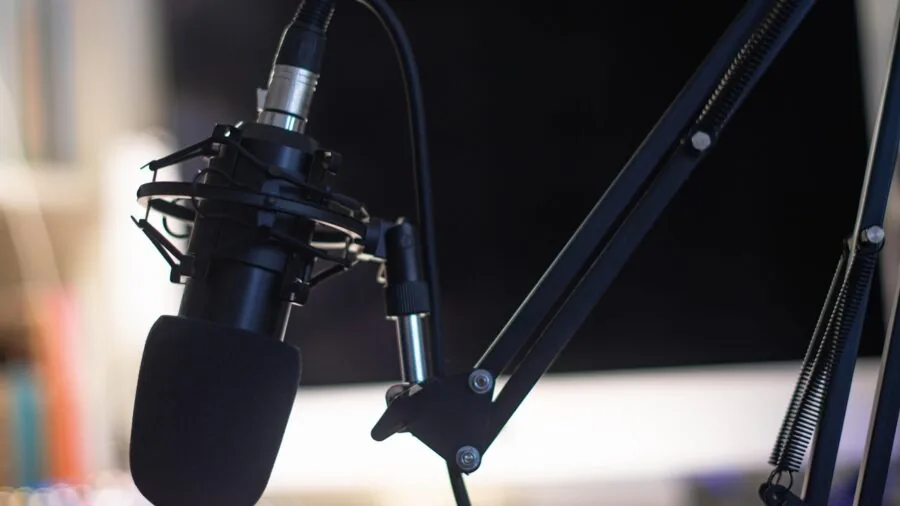
A podcast microphone needs to hold up to daily use and sit comfortably in a recording position for extended sessions.
Full metal construction, as found on the Shure MV7X and FIFINE K688, resists the kind of minor impacts and cable stress that accumulate in active studios over time.
Plastic housings are not automatically inferior, but they do warrant closer scrutiny when reading verified buyer reviews for longer-term durability signals.
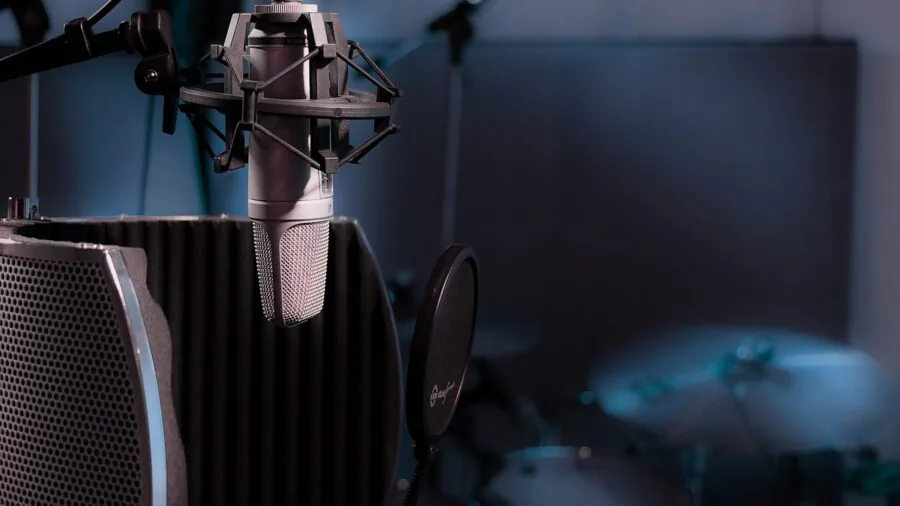
Pop filters and internal shockmounts are worth factoring into total cost. The RØDE NT1 Signature Series ships with an SM6 shockmount and integrated pop filter, which is genuine added value because these accessories typically cost extra when purchased separately.
The RØDE PodMic includes a built-in pop filter and swing mount.
Models that omit these accessories require you to budget for them, especially if you plan to mount the microphone on a boom arm, which is the recommended configuration for most podcast setups because it positions the mic at mouth level without a desk stand getting in the way of your workspace.
A quality DAC or headphone amp connected alongside your interface lets you monitor your voice in real time during recording, which is especially useful for catching positioning and level issues before they reach your final audio file.
Value at Each Budget Tier
The podcast microphone market is unusually well-served at every price tier. Entry-level options in the budget range deliver genuinely usable audio quality for new podcasters who want to start publishing without a large upfront investment.
The FIFINE T669 and FIFINE AmpliGame AM8 sit in this tier and offer USB convenience, decent vocal clarity, and included mounting hardware that makes setup fast.
Verified buyer consensus across both models points to good value for beginners, though audio professionals note that the capsule quality and self-noise figures fall short of mid-range picks.
The mid-range tier, represented here by the Samson Q2U, RØDE PodMic, Audio-Technica AT2035, and RØDE NT1, is where performance per dollar becomes exceptional.
These microphones have been used in professional broadcast and studio settings for years and consistently earn strong reviews from audio engineers and podcast producers alike. Stepping up to this tier produces a clearly audible improvement that listeners will notice.
The premium tier, anchored by the Shure MV7+, Shure MV7X, and Shure SM7B, is where you are paying for broadcast-certified performance, long-term durability, and the kind of vocal character that requires little or no post-processing to sound polished.
These are legitimate professional tools that serious podcasters, streamers, and voice-over artists rely on for daily commercial work. The investment is significant but well-justified for anyone producing content at scale or monetizing their show.
Why You Should Trust Us
REMOVU is an independent review publication. We have no manufacturer relationships, accept no paid placements, and our editorial picks are never influenced by advertising.
Every microphone on this list was assessed using REMOVU’s structured research methodology: we analyze published technical specifications, synthesize expert review consensus from audio engineers and broadcast professionals, and weigh verified buyer feedback from confirmed purchasers to identify patterns in real-world performance that specifications alone cannot capture.
Each product on this list receives a REMOVU Score on a scale of 0 to 10, assigned against a consistent rubric that accounts for acoustic performance, build quality, connectivity, value, and suitability for the intended use case.
We do not conduct our own product trials; our evaluations are grounded in research, published data, expert review consensus, and verified buyer feedback.
This approach lets us evaluate a broader range of products than any single reviewer could assess alone, while maintaining consistent, reproducible standards across every recommendation.
Transparency on affiliate relationships: REMOVU may earn a commission if you purchase a product through a link on this page. That commercial relationship has zero bearing on our scores, rankings, or selection of products.
Products that earn low REMOVU Scores are reported accurately regardless of their commission rates. Our editorial independence is the foundation of reader trust, and we protect it without exception.
Final Thoughts
The right podcast microphone depends on your room, your workflow, and how seriously you want to invest in audio quality from day one. After researching every model on this list against consistent criteria, several clear standouts emerged at each tier.
Below are our editorial picks for the awards that matter most when shopping for podcasting microphones.
- Best Overall: Shure SM7B Dynamic Studio Microphone earns the top spot on this list with the highest REMOVU Score in the group. It is the gold standard broadcast dynamic microphone, trusted by professional podcasters, radio hosts, and voice-over artists worldwide. Its warm, smooth vocal character, exceptional off-axis rejection, and decades-proven reliability make it the benchmark against which every other podcast mic is measured.
- Best Plug-and-Play Premium Pick: Shure MV7+ is the top-scoring USB microphone on the list and earns this award for its OBS certification, LED control panel, dual USB-C and XLR connectivity, and built-in Auto Level Mode that handles gain automatically. It removes the most common technical barriers for podcasters who want professional sound without manual interface configuration.
- Best XLR Upgrade for Growing Podcasters: Shure MV7X delivers Shure’s voice-isolating dynamic capsule in an all-metal XLR-only body at a mid-premium price. It is the natural next step for podcasters who have outgrown entry-level USB mics and are ready to invest in an audio interface for a more professional signal chain.
- Best Large-Diaphragm Condenser Value: RØDE NT1 Signature Series stands out with its exceptionally low self-noise specification, included shock mount and pop filter, and studio-caliber vocal detail. It earns the highest REMOVU Score among condenser microphones on this list and is the clear choice for podcasters recording in treated rooms who want a wide, natural sound.
- Best Budget Pick for Beginners: Samson Q2U USB/XLR Dynamic Microphone offers both USB and XLR connectivity at an accessible price, giving new podcasters the flexibility to record directly to a computer today and upgrade to an audio interface later without replacing the microphone. Expert reviewers and verified buyers consistently rank it as the most versatile entry-level podcast mic available.
If you are building out a broader home studio or content creation setup, pairing your new podcast microphone with quality over-ear headphones for monitoring will help you catch breath noise, plosives, and room artifacts before they reach your final edit.
Streamers doubling as podcasters may also want to explore gaming headsets with built-in mics as a secondary communication tool during live sessions.
Frequently Asked Questions
Do I need an audio interface to start podcasting?
Not necessarily. USB microphones like the Shure MV7+ and Samson Q2U plug directly into your computer and require no additional hardware.
An audio interface becomes necessary only if you are using an XLR-only microphone like the Shure SM7B or RØDE PodMic, or if you want to record multiple microphones simultaneously for multi-guest in-person sessions.
Many podcasters start with USB and add an interface later when they are ready to scale their setup.
Is a dynamic or condenser microphone better for podcasting?
For most home podcasters recording in untreated rooms, a dynamic microphone is the better practical choice because it rejects more ambient and room noise by design.
Condenser microphones capture more detail and can produce a richer vocal sound, but they also pick up every air conditioner hum, keyboard click, and room reflection in the process.
If your recording space is acoustically treated or naturally quiet, a condenser like the RØDE NT1 Signature Series can deliver noticeably more open and detailed vocal recordings.
How close should I be to my podcast microphone?
For most broadcast dynamic microphones, the ideal speaking distance is roughly 2 to 4 inches from the capsule. Speaking this close activates the proximity effect, which adds low-end warmth and presence to the voice, producing that characteristic full-bodied podcast sound.
Condenser microphones are typically used at slightly greater distances, around 6 to 12 inches, because their higher sensitivity picks up more vocal detail even from farther away.
Boom arms that position the microphone directly at mouth height make maintaining consistent distance much easier than desktop stands.
Can I use a gaming headset microphone for podcasting?
Gaming headset microphones are designed primarily for voice chat and online gaming communication, not for broadcast-quality vocal recording. Their capsules, frequency responses, and noise handling are optimized for intelligibility in game lobbies rather than warmth and presence in a podcast.
For occasional hobby recording they may be adequate, but listeners will hear the difference when compared to a dedicated podcast microphone.
If you want a single device for both gaming and light podcast recording, a dual-purpose dynamic microphone with USB output is a much better compromise than relying on a headset mic for your published show.
You can read more about gaming headsets for PC if you need guidance on that side of your setup separately.
What accessories do I need with a podcast microphone?
At minimum, you will want a boom arm or microphone stand to position the mic at mouth height, a pop filter or foam windscreen to reduce plosive bursts from P and B sounds, and a decent pair of closed-back headphones for monitoring your audio in real time.
Some microphones on this list include a shockmount and pop filter in the box, which is worth factoring into the total cost comparison. If you choose an XLR microphone, budget for a quality audio interface as well.
Monitoring through closed-back over-ear headphones is the standard practice for vocal recording because they prevent headphone bleed from reaching the microphone capsule.
How do I reduce room echo in my podcast recordings?
The most effective approach is to choose a dynamic microphone with tight cardioid polar pattern rejection, speak close to the capsule, and record in the smallest, most furnished room available.
Soft furnishings like couches, bookshelves full of books, carpets, and curtains absorb sound reflections that cause echo and room tone problems. Dedicated acoustic foam panels mounted on walls behind and beside the microphone provide further improvement.
Post-production tools like noise reduction plugins can clean up residual room tone, but addressing the acoustic environment at the source always produces better results than trying to fix it in editing.
About the author
Ken covers motherboards for REMOVU, comparing features, power delivery, and value across sockets. He helps builders pick a solid foundation with room to upgrade.