The 11 Best Gaming Headsets for PC
Sound quality, mic clarity, and comfort vary wildly across gaming headsets for PC. Our research-backed picks cover every budget, from durable wired options to premium wireless rigs.
 By Beverly Morrison
Updated July 26, 2026
By Beverly Morrison
Updated July 26, 2026
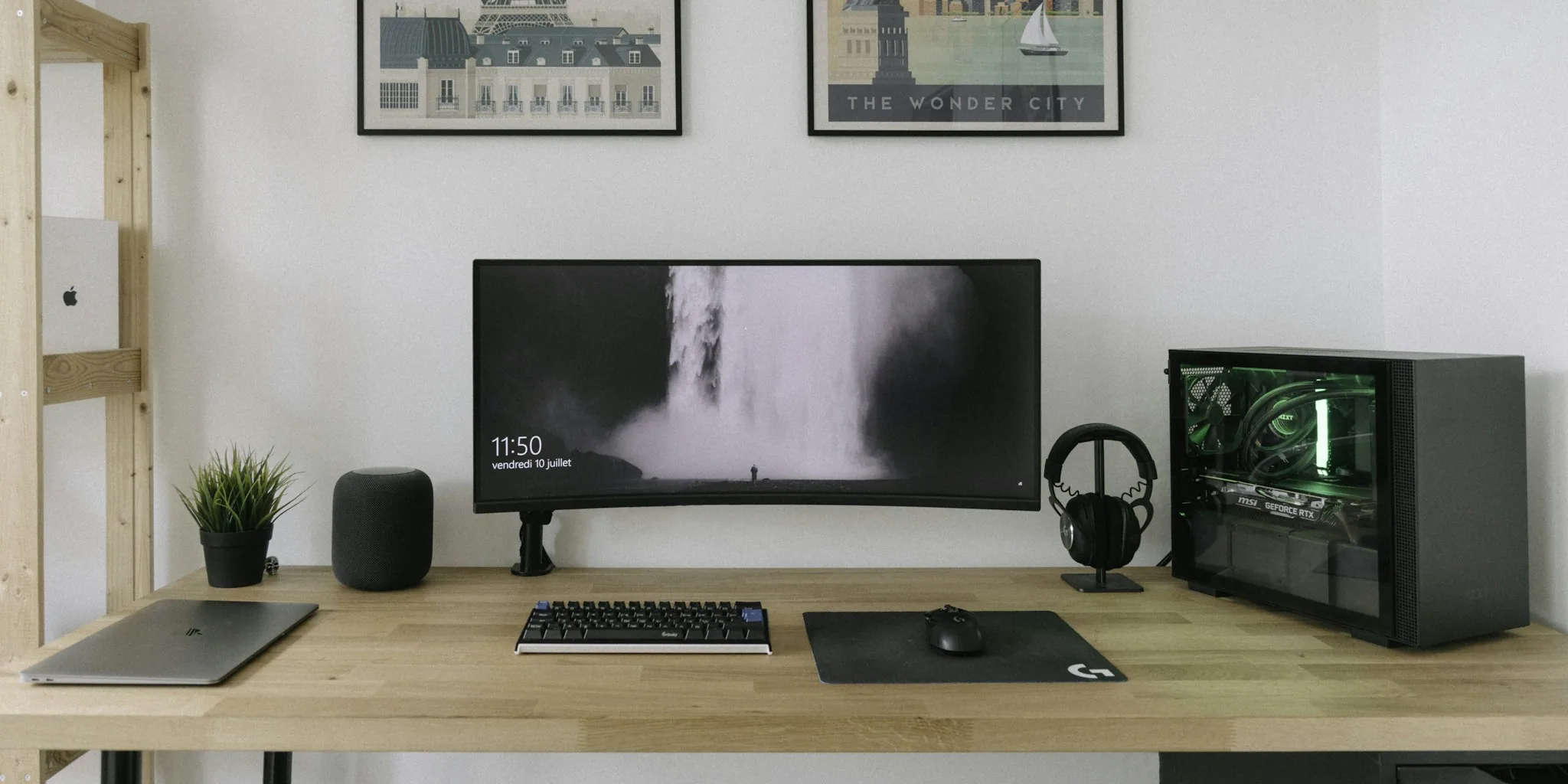
A great gaming headset can be the difference between hearing a flanking enemy in time and getting caught off guard.
For PC gamers specifically, the options span a wide range from budget-friendly wired models to premium wireless rigs with spatial audio, and the sheer volume of choices makes it genuinely difficult to know where to start.
Sound quality, microphone clarity, comfort during marathon sessions, and connection reliability all vary significantly from one model to the next, and marketing claims rarely tell the full story.
To cut through the noise, REMOVU analyzed specifications, evaluated expert review consensus across the enthusiast community, and factored in verified buyer feedback for every headset in this guide.
Whether you play competitive shooters, immersive RPGs, or stream your sessions online, our picks cover every major use case and price tier.
Read on for our top recommendations, then scroll to the buying guide to understand exactly what separates a good gaming headset from a great one.
| Award | Product | REMOVU Score About REMOVU ScoreThe REMOVU Score is our own rating from 0 to 10, based on performance, design and build, ease of use, and value. It reflects independent research and is never influenced by manufacturers, retailers, or affiliate commissions. Learn more › | Price | |
|---|---|---|---|---|
| Best Overall |
 Logitech G Astro A50 Wireless Gaming Headset
|
8.9/10 | Buy | |
| Best Value |
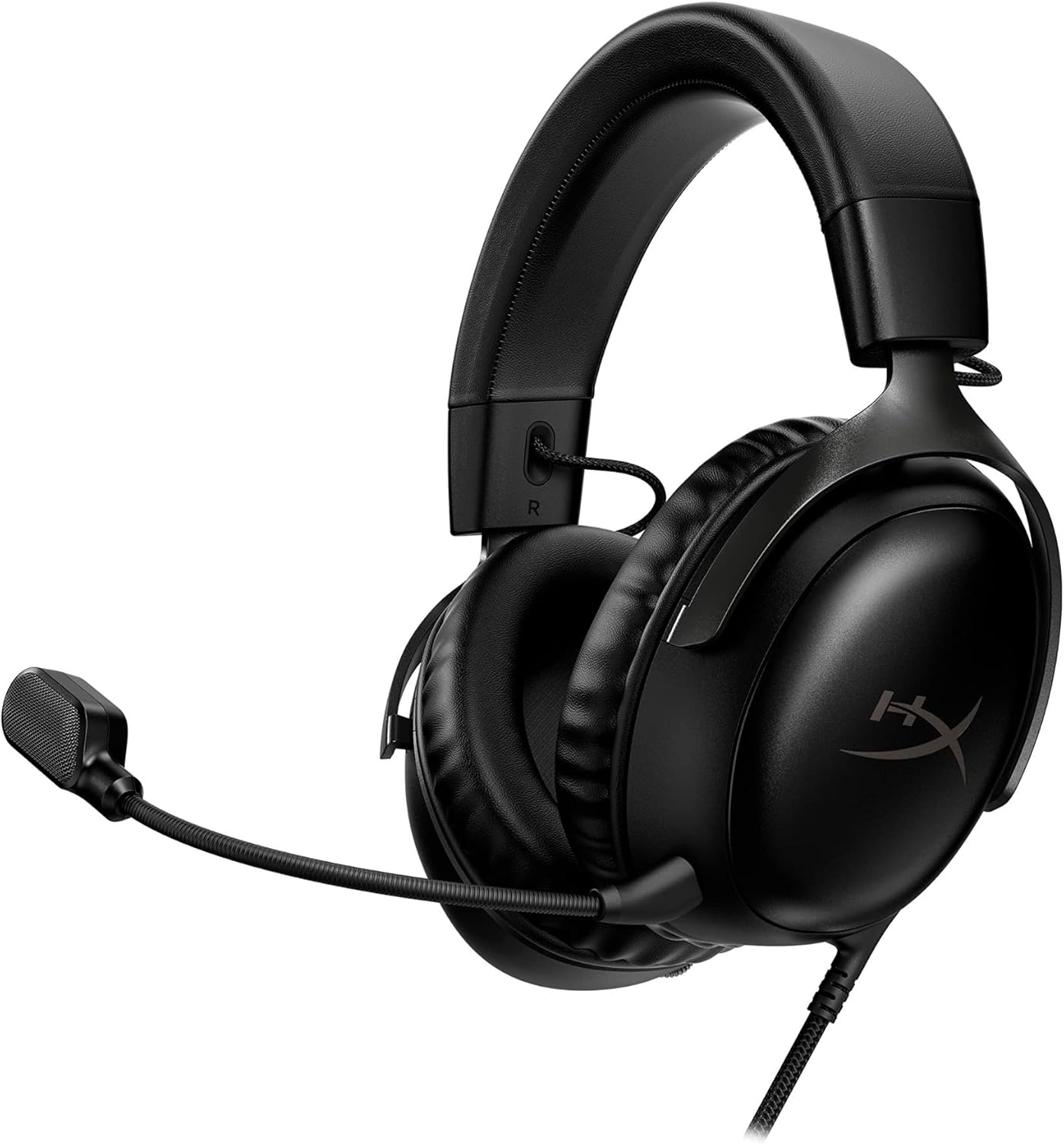 HyperX Cloud III Wired Gaming Headset
|
8.4/10 | Buy | |
 HyperX Cloud Alpha Gaming Headset
|
8.3/10 | Buy | ||
 Ozeino Wireless Gaming Headset
|
6.2/10 | Buy | ||
| Best Premium |
 HyperX Cloud III S Wireless Gaming Headset
|
8.1/10 | Buy | |
 Logitech G522 Lightspeed Wireless Gaming Headset
|
7.6/10 | Buy | ||
| Best Budget |
 Razer Kraken V3 X Wired Gaming Headset
|
7.5/10 | Buy | |
 Razer BlackShark V2 X Gaming Headset
|
7.3/10 | Buy | ||
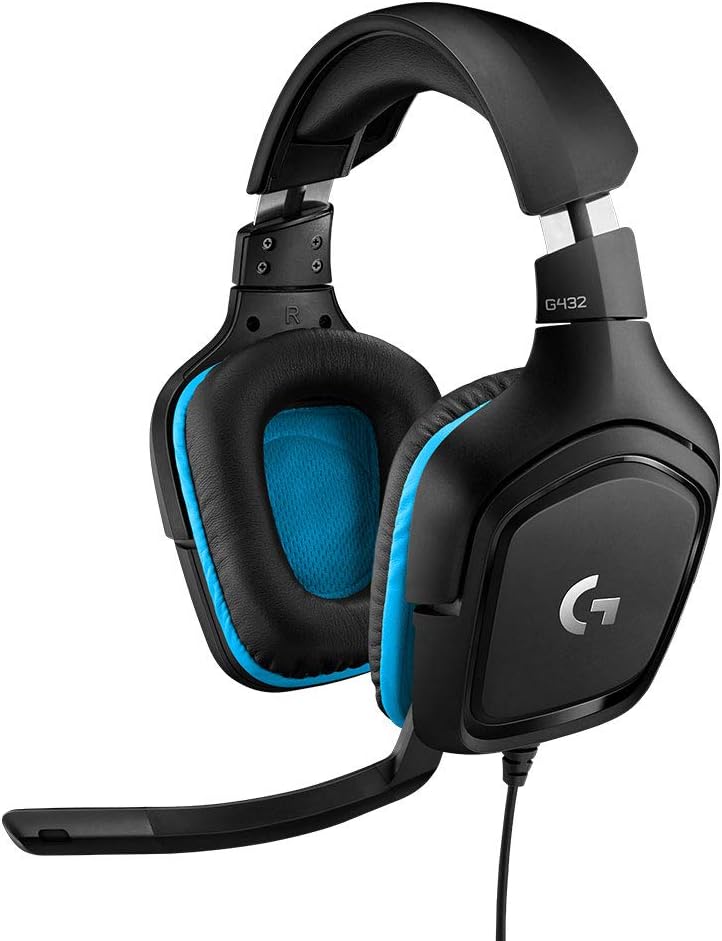 Logitech G432 Wired Gaming Headset
|
7.1/10 | Buy | ||
 Razer BlackShark V3 X HyperSpeed Wireless
|
7.8/10 | Buy | ||
 RIG R5 Spear MAX HD Gaming Headset
|
6.3/10 | Buy |
Logitech G Astro A50 Wireless Gaming Headset
The Logitech G Astro A50 is a premium multi-platform wireless gaming headset with PLAYSYNC AUDIO technology that lets you seamlessly switch between three gaming systems with a single button. Its PRO-G GRAPHENE drivers, 24-bit LIGHTSPEED wireless, and 24-hour battery life make it an excellent choice for competitive gamers who play across console and PC ecosystems.
Pros
- Seamless platform switching saves time and eliminates cable swapping during gaming sessions
- Industry-leading audio quality with 24-bit LIGHTSPEED wireless and graphene drivers
- Extensive customization via G HUB software with 10-band parametric EQ and noise gate
- Exceptional battery endurance at 24 hours per charge
- Magnetic charging dock provides convenient always-ready solution for active gamers
Cons
- Premium $259.94 price point may be steep for casual gamers
- Requires USB-C dongle for each platform connection, which can be cumbersome to manage
- Game/Chat balancing feature limited to Xbox Series X|S and PC only
HyperX Cloud III Wired Gaming Headset
The HyperX Cloud III is a comfortable, durable wired gaming headset with tuned 53mm drivers and DTS spatial audio, designed for long sessions across PC, PlayStation, Xbox, and Nintendo Switch. It excels in comfort and build quality, making it a solid choice for gamers prioritizing durability and all-day wearability over wireless convenience.
Pros
- Exceptional comfort for extended gaming sessions thanks to signature memory foam construction
- Durable aluminum frame resists damage from travel and accidental drops
- Lifetime DTS spatial audio activation provides competitive audio advantage in competitive games
- Works across PC, PS5, Xbox Series X/S, Nintendo Switch, and mobile devices with included connectors
- Clear, noise-cancelling microphone with visual mute indicator for reliable team communication
Cons
- Wired connection limits mobility compared to wireless alternatives, though ensures zero latency
- No active noise cancellation for blocking external ambient sound during gameplay
- Requires DTS software installation on PC to fully utilize spatial audio features
HyperX Cloud Alpha Gaming Headset
The HyperX Cloud Alpha delivers clear, distortion-free audio through dual chamber drivers and comfortable over-ear design with memory foam cushions. It's a solid choice for multi-platform gamers and streamers who prioritize comfort and audio clarity at a mid-range price point.
Pros
- Exceptional audio clarity thanks to innovative dual chamber driver design that minimizes distortion
- Exceptional comfort with signature memory foam cushions and expanded headband suitable for long gaming marathons
- True multi-platform compatibility works seamlessly across PC, consoles, and mobile devices via 3.5mm connection
- Detachable components reduce cable damage and storage bulk while maintaining reliable connectivity
- TeamSpeak and Discord certified for reliable team communication during competitive gaming
Cons
- Wired connection limits mobility compared to wireless alternatives, though detachable cable reduces storage issues
- Requires proper cable insertion and configuration to avoid microphone audio issues or static sounds
- No active noise cancellation, only passive isolation from over-ear design
Ozeino Wireless Gaming Headset
A budget-friendly wireless gaming headset with 40-hour battery life, 50mm drivers, and dual connectivity (2.4GHz USB and Bluetooth) that delivers low-latency audio under 30ms. Best for console and PC gamers seeking affordable, reliable wireless audio without compromising on response time.
Pros
- Exceptional battery life at 40 hours keeps you gaming for extended sessions
- Sub-30ms latency ensures competitive advantage in fast-paced games like Call of Duty and Fortnite
- Excellent cross-platform support works seamlessly with major gaming consoles and PC
- Clear, punchy audio from 50mm drivers helps you hear critical in-game audio cues
- Flip-to-mute mic and intuitive controls make gameplay and communication effortless
Cons
- Bluetooth mode requires additional USB adapter for PS5, PS4, and PC connections, limiting wireless flexibility on these platforms
- Not compatible with Xbox consoles, limiting appeal for Xbox-focused gamers
- 2.4GHz USB dongle must be fully assembled for console and laptop use, adding setup complexity
HyperX Cloud III S Wireless Gaming Headset
The HyperX Cloud III S Wireless delivers exceptional battery life (up to 120 hours on 2.4GHz, 200 hours on Bluetooth) with DTS Spatial Audio and a comfortable memory foam design tuned for gaming. It's an excellent choice for gamers and streamers seeking multi-platform wireless connectivity without frequent charging.
Pros
- Exceptional battery endurance eliminates frequent charging during extended gaming or work sessions
- Multiple wireless options (2.4GHz, Bluetooth, Instant Pair) provide flexibility across different devices and setups
- Tuned 53mm drivers and spatial audio deliver competitive audio clarity for footstep detection and immersive gaming
- Premium comfort design with memory foam construction suitable for 8+ hour sessions
- Removable magnetic earcup plates allow personalization to match your gaming aesthetic
Cons
- Premium pricing at $149 positions it above budget gaming headsets with similar core features
- Battery life claims vary significantly between 2.4GHz (120 hours) and Bluetooth (200 hours) modes, requiring mode awareness
- Customizable earcup plates sold separately in select regions, limiting personalization options for some users
Logitech G522 Lightspeed Wireless Gaming Headset
The Logitech G522 Lightspeed is a feature-rich wireless gaming headset with excellent microphone clarity, customizable RGB lighting, and multiconnectivity options. Best suited for PC gamers who prioritize audio quality and want seamless integration with other Logitech gear.
Pros
- Industry-leading microphone quality with optimized clarity perfect for competitive play and content creation
- Exceptional battery life at 60 hours eliminates frequent charging interruptions during gaming marathons
- Multiple connectivity options provide flexibility across PC, mobile, and wired setups without compromise
- Lightweight and comfortable design reduces fatigue during extended play sessions
- Extensive RGB customization and G HUB software integration allow deep personalization
Cons
- Premium pricing at $129.99 positions it above budget gaming headset alternatives
- RGB lighting and wireless features may appeal primarily to PC gamers rather than console players
- Requires G HUB software for full audio customization, adding setup complexity for some users
Razer Kraken V3 X Wired Gaming Headset
A lightweight USB gaming headset with TriForce 40mm drivers and 7.1 surround sound, the Kraken V3 X prioritizes comfort for extended play sessions. Best for PC gamers seeking affordable audio with RGB customization and clear voice communication.
Pros
- Exceptionally lightweight at 285g, designed for extended wear without discomfort
- TriForce driver technology produces noticeably brighter highs and more powerful lows than standard drivers
- HyperClear mic significantly reduces background noise for clearer team communication
- Hybrid ear cushions balance breathability with comfort for long sessions
- Razer Chroma RGB integration adds visual customization without compromising audio quality
Cons
- USB-only connectivity limits use to Windows PCs and PS4, with no Xbox or Mac support
- 7.1 Surround Sound requires Windows 10 64-bit and cannot be upgraded to THX Spatial Audio
- Wired design restricts mobility compared to wireless alternatives
Razer BlackShark V2 X Gaming Headset
The Razer BlackShark V2 X delivers competitive gaming audio at an accessible price point, featuring TriForce 50mm drivers for balanced sound and a cardioid mic that prioritizes voice clarity. Best suited for PC and console gamers seeking reliable performance without premium pricing.
Pros
- Balanced audio signature with TriForce driver technology delivers clarity across all frequency ranges
- Excellent microphone quality with cardioid pickup pattern minimizes background noise for team communication
- Lightweight and comfortable design reduces fatigue during competitive tournaments and long gaming marathons
- Works seamlessly across multiple platforms via standard 3.5mm connection
- Strong value proposition at under $40 with proven Razer engineering
Cons
- 7.1 surround sound limited to Windows 10 64-bit, reducing immersion on Mac and console platforms
- Passive noise cancellation, while effective, does not match active noise cancellation found in premium models
- 3.5mm jack connection may require separate adapter for some Xbox One setups
Logitech G432 Wired Gaming Headset
The Logitech G432 delivers immersive 7.1 surround sound through DTS Headphone:X 2.0 and 50mm drivers at an affordable price point. Best suited for competitive gamers and console players seeking positional audio awareness without breaking the bank.
Pros
- Superior positional audio helps identify enemy locations and in-game directional cues
- Exceptional compatibility across multiple gaming platforms and devices
- Lightweight and comfortable design with rotating ear cups for hours of gameplay
- Clear microphone communication with convenient flip-to-mute functionality
- Strong value for money with professional-grade surround sound features
Cons
- DTS Headphone:X 2.0 surround sound requires Logitech G HUB software installation
- Wired connection limits mobility compared to wireless alternatives
- No RGB lighting or programmable buttons found on competing models at similar price points
Razer BlackShark V3 X HyperSpeed Wireless
A lightweight wireless gaming headset with 50mm drivers, 7.1 surround sound, and triple connectivity (2.4GHz, Bluetooth, USB) that delivers competitive audio clarity and a detachable cardioid mic. Best for PC and console gamers seeking low-latency performance without breaking the bank.
Pros
- Exceptional battery life at 70 hours eliminates frequent charging interruptions
- Three connectivity modes (2.4GHz, Bluetooth, USB) provide flexibility across gaming ecosystems
- Featherweight 270g construction reduces neck strain during extended play sessions
- Detachable microphone with unidirectional pattern minimizes background noise pickup
- Competitive pricing for a feature-rich wireless gaming headset with surround sound
Cons
- No active noise cancellation, limiting use in loud environments outside gaming
- Limited information on durability and build quality longevity from customer reviews
- Surround sound quality depends heavily on game optimization and audio source calibration
RIG R5 Spear MAX HD Gaming Headset
The RIG R5 Spear MAX HD is a wired gaming headset built for competitive play, featuring GrapheneQ drivers with studio-grade audio, a USB-C DAC for high-resolution audio, and Dolby Atmos support. The modular SNAP+LOCK design and broadcast-quality microphone make it ideal for serious gamers and streamers who demand customization and clarity.
Pros
- Exceptional audio clarity with custom R-Series tuning optimized for competitive gaming advantages
- Modular SNAP+LOCK design allows extensive customization and future upgrades without buying new headsets
- High-resolution USB-C DAC provides professional-grade audio processing for PC and mobile gaming
- Premium comfort features including memory foam head cushion and dual-material ear cushions for extended wear
- Dual connectivity options with included microphone and stereo cables for flexible gaming setups
Cons
- Wired connection limits mobility compared to wireless alternatives, though it ensures zero latency for competitive play
- Dolby Atmos feature requires Windows 10/11 PC and is not compatible with Xbox consoles
- Modular accessories and replacement Mod-Plates sold separately, adding to long-term ownership costs
Gaming Headsets for PC Buying Guide
Choosing the right gaming headset for your PC setup comes down to more than picking the most expensive option or the one with the flashiest RGB lighting.
The criteria below reflect what actually affects your daily gaming experience, drawn from the same factors our research methodology weighs when scoring each model.
Wired vs. Wireless Connectivity
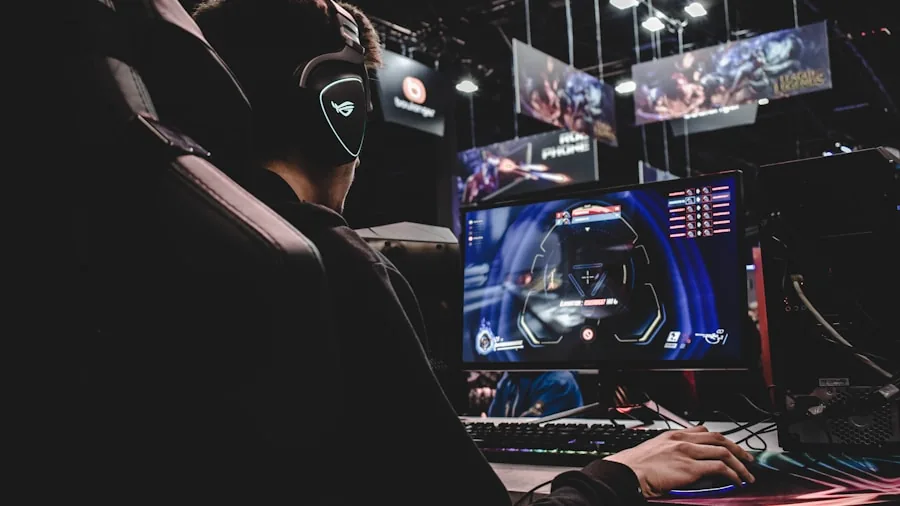
Wired headsets using a 3.5 mm jack or USB connection offer zero latency and eliminate battery anxiety entirely, making them a sensible choice for competitive players who prioritize consistency.
USB connections in particular often enable onboard DSP processing for virtual surround sound without needing a dedicated external DAC, which adds value at budget price points.
Wireless models have matured considerably. Modern 2.4 GHz dongles deliver latency low enough that virtually no gamer will notice a difference in practice, and top-tier options now pair 2.4 GHz with Bluetooth so you can switch seamlessly between your PC and phone.
Battery life is the main variable to watch: some models promise over 100 hours on a single charge while others top out around 20 hours, so think honestly about how often you want to plug in for charging.
If wireless is your priority, our wireless gaming headsets guide goes deeper on the best options across all platforms.
For PC users specifically, USB-C audio with an included DAC dongle is a growing middle ground worth considering. It delivers high-resolution audio without a full external amplifier while keeping the cable run short and tidy on a desk.
Driver Size and Audio Quality
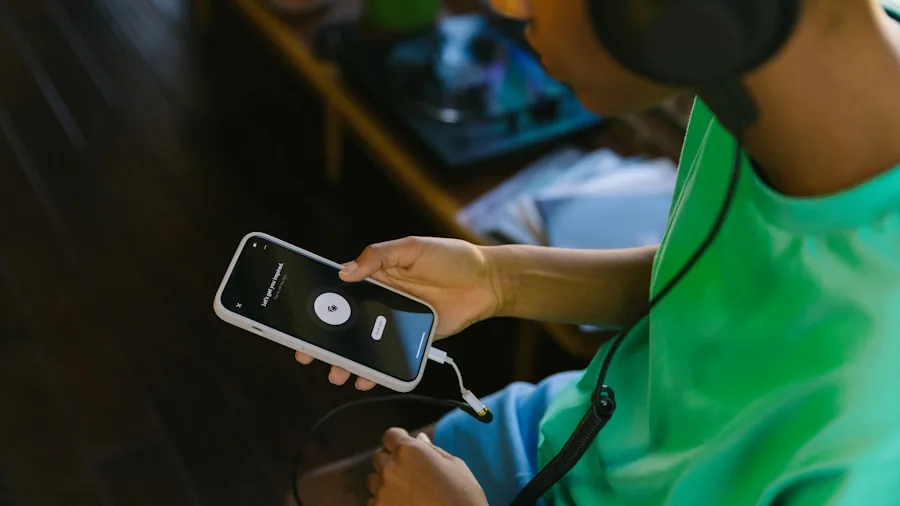
Driver diameter is one of the most cited specs in gaming headset marketing, but raw size tells only part of the story. A 50 mm driver with a well-tuned frequency response will outperform a poorly tuned 53 mm driver every time.
What matters most is how the driver handles the full range from tight low-end bass to clear high-frequency footsteps and gunshots, and whether the midrange stays intelligible during complex audio scenes.
Dual-chamber driver designs, found in models like the HyperX Cloud Alpha, aim to separate bass frequencies from mids and highs to reduce distortion, a genuine engineering advantage rather than pure marketing.
For competitive gaming, a slightly flatter, more neutral tuning helps you locate directional cues accurately. For cinematic single-player games, a headset with more bass presence and a wider soundstage may feel more immersive.
Spatial audio and virtual surround sound are software-processed features available on many PC headsets. They can broaden the perceived soundstage meaningfully in games that support them, but quality varies widely by implementation.
DTS Headphone:X 2.0 and Dolby Atmos licenses are more established than proprietary solutions, though a good stereo mix in a quality headset still beats poor spatial processing.
Microphone Performance
For PC gamers who play in parties, stream, or communicate with teammates, the microphone is just as critical as audio playback.
Cardioid polar patterns are the standard for gaming headset mics because they focus on sound directly in front and reject noise from the sides and rear, which helps teammates hear your voice clearly even in a noisy environment.
Detachable microphones offer a practical advantage: you can remove the boom arm when listening to music or watching content without a dangling cable. Flip-to-mute mechanisms are convenient during gaming but are only as reliable as the physical switch quality.
If you plan to stream or create content regularly, a dedicated external microphone will always outperform a headset mic at the same price, though high-end integrated mics have closed the gap significantly in recent years.
For those who want the best of both worlds, our roundup of gaming headsets with mic focuses specifically on models where voice pickup is a top priority.
Look for specs like a wide frequency pickup range and noise-canceling or cardioid polar patterns in the published data. HyperX’s 10 mm mic on the Cloud III, for instance, is consistently cited in expert reviews for its low background noise floor relative to its price tier.
Comfort and Build Quality for Long Sessions
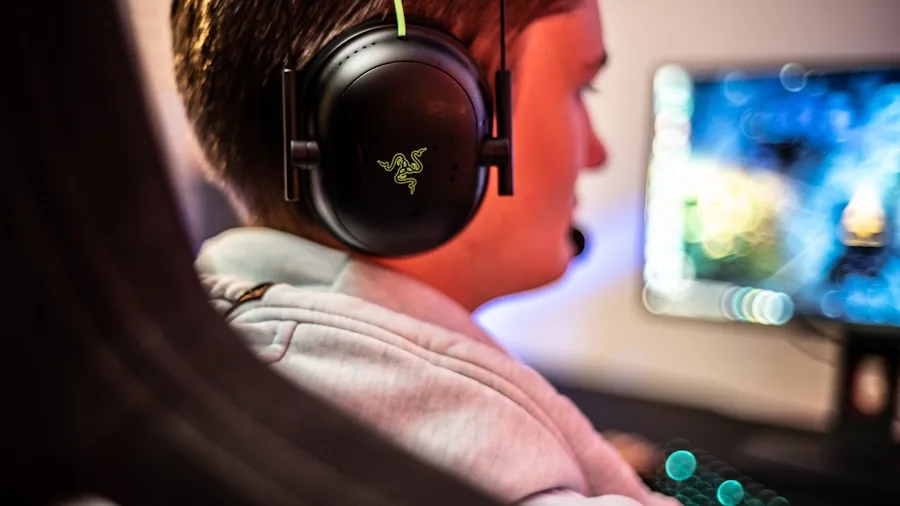
Comfort separates a headset you reach for every session from one that sits on a shelf.
Memory foam ear cushions covered in premium leatherette or fabric breathe differently, and the right choice depends on your climate and how long you typically play.
Leatherette creates a better passive seal for noise isolation and a bit more bass presence; fabric or velour tends to stay cooler over hours-long sessions.
Headband pressure and clamping force vary enormously between models and cannot be fully conveyed by specs alone, which is why verified buyer feedback forms a significant part of our evaluation.
Aluminum or steel headband frames, like those found on the HyperX Cloud Alpha and Cloud III, tend to outlast all-plastic construction over years of daily use.
Weight matters too: lighter headsets above around 270 grams cause noticeably less fatigue during four-plus hour sessions.
Compatibility and Platform Flexibility
Most headsets in this guide are designed primarily for PC but also work across consoles. A 3.5 mm analog connection guarantees the broadest compatibility across PC, PlayStation, Xbox, Nintendo Switch, and mobile.
USB-A and USB-C connections work natively on PC and PlayStation but may require an adapter on Xbox depending on the generation.
If you game on multiple platforms, prioritize headsets that support both 2.4 GHz wireless and a 3.5 mm fallback, or that use a switching base station like the Logitech G Astro A50.
For headsets used alongside a Nintendo Switch, see our guide to gaming headsets for Nintendo Switch for platform-specific considerations.
PlayStation-first users may also want to cross-reference gaming headsets for PS5, as some PC picks carry the same firmware benefits on Sony hardware.
Software Ecosystem and EQ Customization
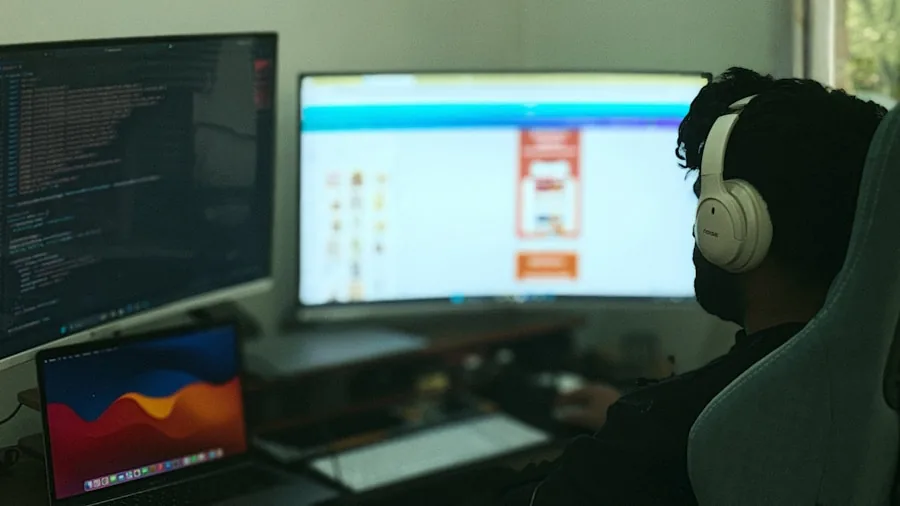
Many gaming headsets now come with companion apps that allow EQ adjustment, microphone tuning, sidetone control, and RGB configuration.
Razer Synapse, Logitech G Hub, and HyperX NGENUITY are the three most common ecosystems, and their polish and stability matter if you plan to use preset profiles or game-specific tuning.
That said, software dependency can also be a drawback: some features are unavailable without the app running, and bloatware concerns are real on lean gaming systems.
If you prefer a plug-and-play experience without any companion software, wired headsets with a straightforward 3.5 mm connection and no RGB are often the cleaner choice.
Standalone EQ via Windows Sonic or third-party tools like Equalizer APO give you comparable control without manufacturer software.
Why You Should Trust Us
REMOVU is an independent review platform with no affiliation to any manufacturer or retailer.
Every product in this guide is scored using the REMOVU Score system on a scale of 0 to 10, applied through a consistent set of criteria including audio performance, microphone quality, build and comfort, connectivity options, software experience, and value relative to the competitive landscape.
We do not conduct our own product trials; our evaluations are grounded in research, published data, expert review consensus, and verified buyer feedback.
We analyze manufacturer-published specifications, cross-reference findings from established audio and gaming enthusiast communities, and weigh aggregated buyer sentiment from verified purchase reviews to surface patterns that any single source might miss.
This triangulated approach lets us assess products across a broad range simultaneously and update our recommendations as new data emerges.
REMOVU may earn an affiliate commission when you purchase through links in this article. That relationship does not influence our rankings, scores, or editorial recommendations in any way.
Products are selected and ordered based on research quality and merit, not commission rates. We highlight weaknesses alongside strengths because honest assessments are more useful to you than promotional copy.
Final Thoughts
The gaming headset market for PC spans a genuinely wide range of price and performance tiers in 2026, and the good news is that strong options exist at nearly every budget.
After evaluating the full lineup using our research methodology, here are the standout picks and what makes each one earn its spot.
- Best Overall: Logitech G Astro A50 Multi-Platform Wireless Gaming Headset earns the top REMOVU Score in this lineup thanks to its premium 2.4 GHz wireless, support for high-resolution audio on PC, multi-platform switching via its base station, and consistent expert praise for soundstage and build quality. It is a flagship-tier investment that rewards serious PC gamers who want the best performance available without compromise.
- Best Wired Headset: HyperX Cloud III stands out as the most well-rounded wired option in the guide, combining angled 53 mm drivers, spatial audio support, a durable frame, and an ultra-clear integrated microphone at a mid-range price. Expert reviews consistently rate it as a significant upgrade over its predecessors, and verified buyers highlight its out-of-the-box sound quality and comfort over long sessions.
- Best Budget Pick: HyperX Cloud Alpha remains one of the most recommended affordable gaming headsets years after its launch, with its dual-chamber driver design and aluminum frame punching well above what its price tier typically delivers. It is frequently cited as a benchmark for value in expert roundups across the enthusiast community.
- Best for Streamers: Razer BlackShark V2 X earns its spot with a cardioid microphone tuned specifically for voice clarity, lightweight construction, and broad compatibility via its 3.5 mm connection. Buyers who stream or create content appreciate how cleanly it captures voice without background bleed, especially given its budget-friendly positioning. For more options in this category, our guide to gaming headsets for streaming covers additional picks optimized for broadcast use.
- Best Long-Battery Wireless: HyperX Cloud III S Wireless delivers an exceptional battery lifespan that far exceeds most competitors in the wireless category, with both 2.4 GHz and Bluetooth connectivity for flexible pairing across PC and mobile. It suits players who dislike frequent charging and want to move freely without reaching for a cable.
If none of the picks above match your specific platform or budget, our broader gaming headsets guide covers top-rated options across every major platform and price range in one place.
Frequently Asked Questions
Do I need a USB gaming headset or is 3.5 mm good enough for PC?
Both connections work well for PC gaming, and the right choice depends on your setup. A 3.5 mm connection is universal and works without any drivers, making it the safest choice if you use multiple devices.
USB headsets can leverage onboard audio processing for virtual surround sound and often come with more granular software controls, which is an advantage if your PC’s built-in audio hardware is mediocre.
If your motherboard includes a high-quality audio codec, a 3.5 mm headset fed through it can sound excellent without any additional hardware.
Gamers who want the highest-resolution audio output should consider pairing their headset with a dedicated DAC or headphone amp for the cleanest possible signal path.
Is virtual surround sound worth enabling on a gaming headset?
Virtual surround sound can genuinely help with positional awareness in open-world and multiplayer games, but it is not universally better than stereo. Some implementations add reverb or muddiness that makes footsteps harder to pinpoint, which is counterproductive in competitive shooters.
Licensed technologies like DTS Headphone:X 2.0 and Dolby Atmos for Headphones tend to be more refined than proprietary solutions.
The best approach is to enable it by default and toggle it off if dialogue or directional cues feel unclear, since many headsets allow per-profile settings through their companion apps.
How important is microphone quality if I mostly play solo?
If you rarely use voice chat, microphone quality can be a lower priority and you can focus your budget on audio playback and comfort instead.
However, even solo players often join party chats occasionally, and a mediocre mic that forces friends to ask you to repeat yourself becomes a friction point quickly.
A detachable microphone is a practical middle ground: you get a capable boom mic when you need it and a cleaner profile when you do not.
Players who eventually want to stream should be aware that a headset mic will always have limitations compared to a standalone dedicated microphone at the same price point.
Can I use a PC gaming headset on Xbox or PlayStation?
Most wired headsets with a 3.5 mm connection work on PlayStation controllers and Xbox controllers that include a headset jack without any adapter.
USB headsets are natively compatible with PlayStation consoles but generally require a USB-to-USB-A adapter for Xbox Series X and S, and some features may be unavailable without the manufacturer’s PC software.
Wireless headsets designed primarily for PC may not pair with console wireless receivers at all, so check the listed compatibility before purchasing if you plan to use the headset across multiple platforms.
Our dedicated roundups for Xbox gaming headsets flag which models are natively optimized for Microsoft hardware.
What should I look for in a gaming headset if I wear glasses?
Glasses wearers should prioritize headsets with generously sized oval ear cups that fit completely around the ear rather than resting on the temple arms.
Memory foam cushions with a softer density reduce pressure hotspots that form where the frame of glasses intersects with the ear cup seal.
A self-adjusting or suspended headband mechanism also distributes clamping force more evenly than a fixed band, which helps avoid the “spectacle squeeze” that makes some otherwise good headsets uncomfortable after thirty minutes.
Verified buyer reviews from glasses wearers are one of the most reliable signals for this specific concern and are a key input in our research process.
Are open-back headphones better than gaming headsets for PC audio?
Audiophile-grade open-back over-ear headphones can deliver a more natural, spacious soundstage than most gaming headsets, and pairing them with a standalone microphone is a popular configuration among audio-focused PC gamers.
The tradeoff is that open-back designs provide no passive noise isolation and leak sound outward, which is a problem in shared spaces.
They also lack an integrated microphone, require a separate mic purchase, and tend to cost more in total once you factor in both components.
For most gamers who want a single plug-and-play solution, a quality closed-back gaming headset remains the more practical and cost-effective choice.
About the author
Beverly covers robot vacuums and mops for REMOVU, weighing cleaning power, smart mapping, and low-fuss maintenance. She helps readers find a model that earns its keep.