The 11 Best Gaming Headsets for Streaming
Mic clarity, long-session comfort, and platform flexibility all matter when you stream. Here are the top gaming headsets for streamers at every budget.
 By Armando Washington
Updated July 26, 2026
By Armando Washington
Updated July 26, 2026
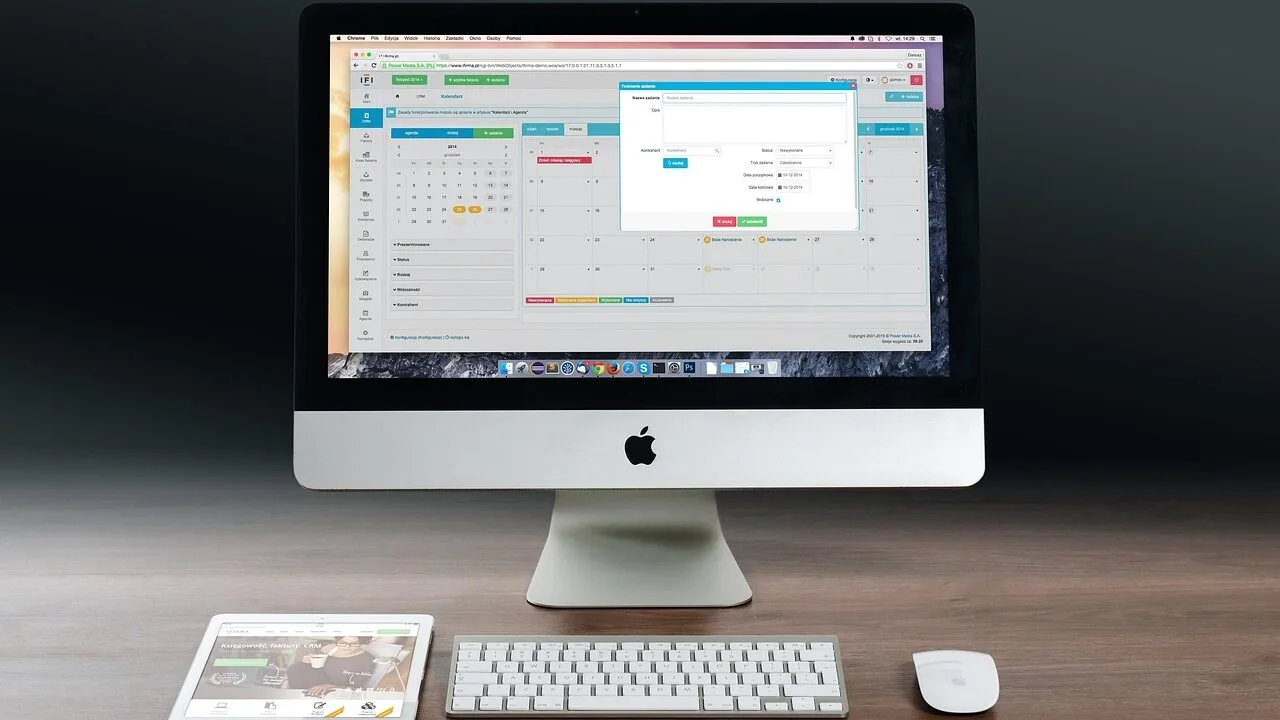
A great headset can make or break a streaming setup.
Whether you’re casting to an audience on Twitch, recording commentary for YouTube, or coordinating with teammates on Discord, the clarity of your voice and the quality of your audio feed matter far more than most streamers realize.
A headset designed with streaming in mind balances three things at once: comfortable long-session wear, accurate game audio so you can hear what’s happening in-game, and a microphone clean enough that your audience doesn’t have to fight through background noise or muffled speech to follow along.
We’ve researched the current market by analyzing published specifications, synthesizing expert review consensus, and reviewing verified buyer feedback across a range of price points to surface the best gaming headsets for streaming available right now.
Our picks span from budget-friendly wired options to feature-rich mid-range headsets from brands like HyperX, Razer, Logitech, Turtle Beach, and FIFINE, so there’s something here regardless of your setup or budget.
Read on for our top picks below, then dive into the buying guide to understand exactly what to prioritize before you spend a cent.
| Award | Product | REMOVU Score About REMOVU ScoreThe REMOVU Score is our own rating from 0 to 10, based on performance, design and build, ease of use, and value. It reflects independent research and is never influenced by manufacturers, retailers, or affiliate commissions. Learn more › | Price | |
|---|---|---|---|---|
| Best Overall |
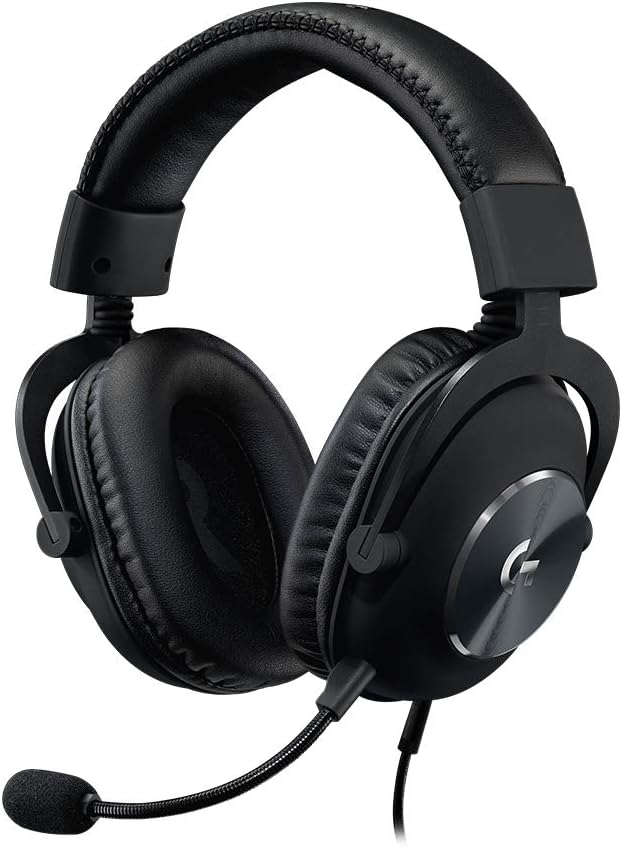 Logitech G PRO X Wired Gaming Headset
|
8.6/10 | Buy | |
| Best Value |
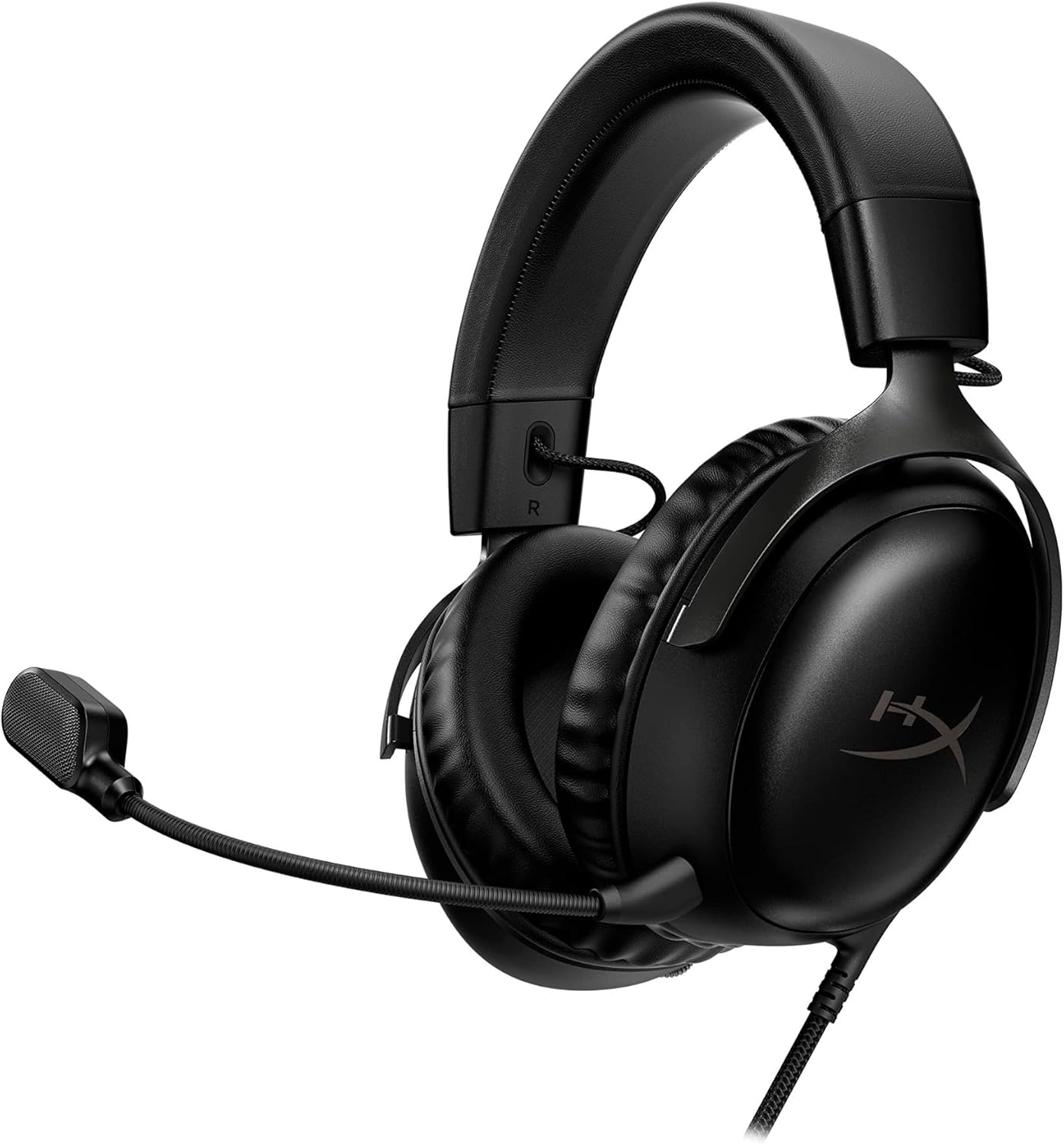 HyperX Cloud III Wired Gaming Headset
|
8.4/10 | Buy | |
 Razer BlackShark V3 X HyperSpeed Wireless
|
7.8/10 | Buy | ||
 HyperX Cloud II Gaming Headset
|
8.2/10 | Buy | ||
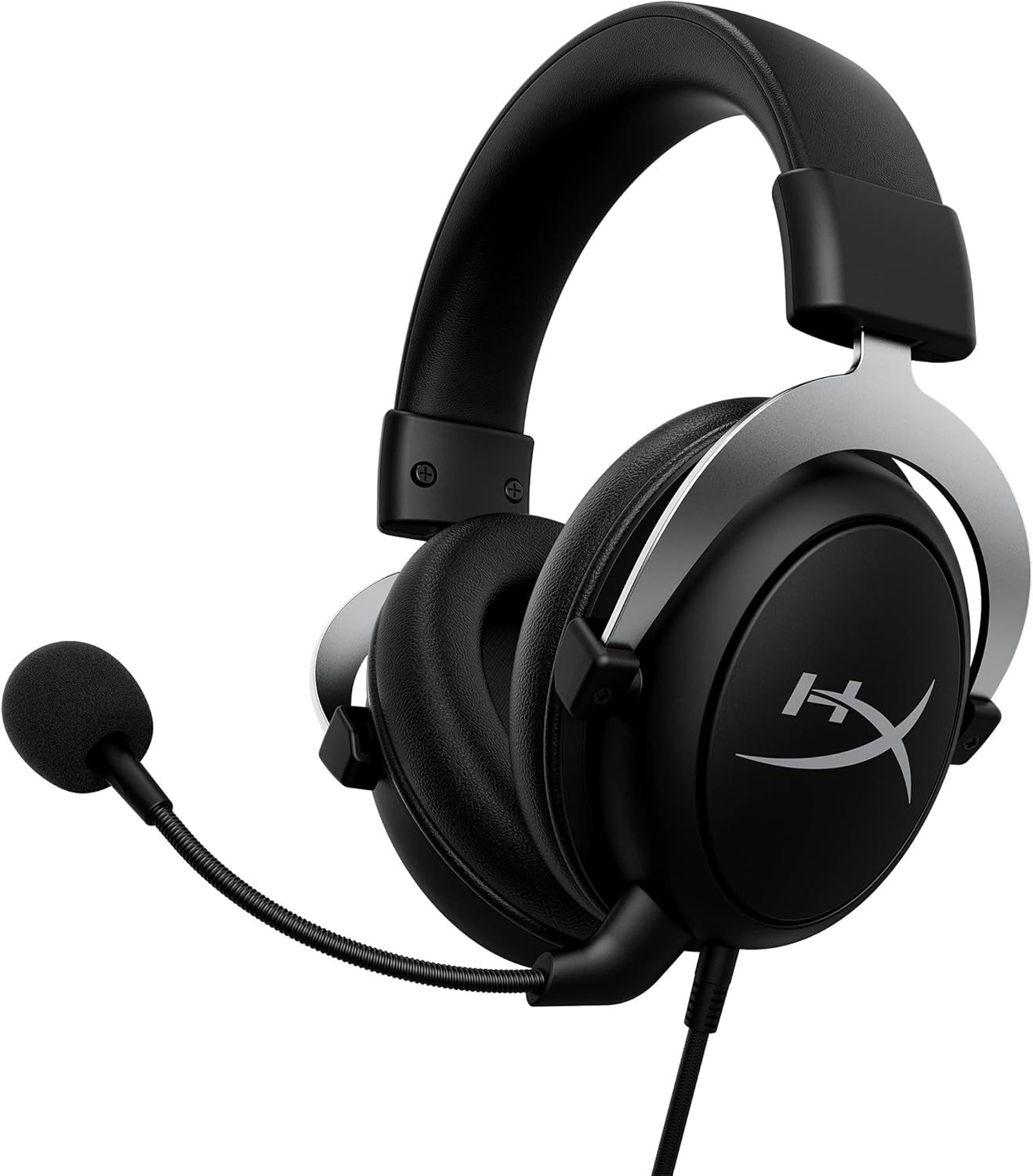 HyperX CloudX Xbox Licensed Gaming Headset
|
8.1/10 | Buy | ||
 Razer Kraken V4 X Wired Gaming Headset
|
7.7/10 | Buy | ||
| Best Premium |
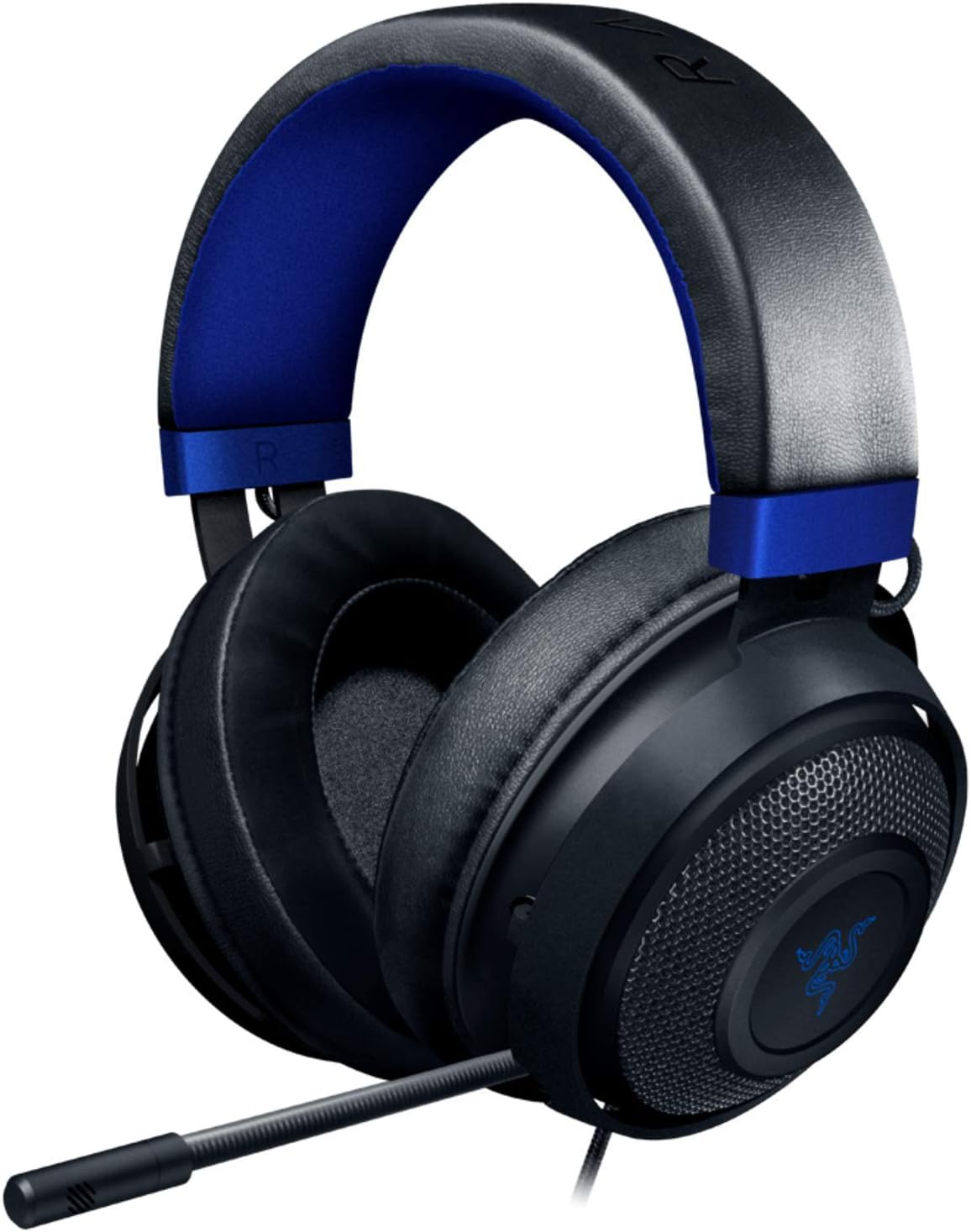 Razer Kraken Console Gaming Headset
|
8.3/10 | Buy | |
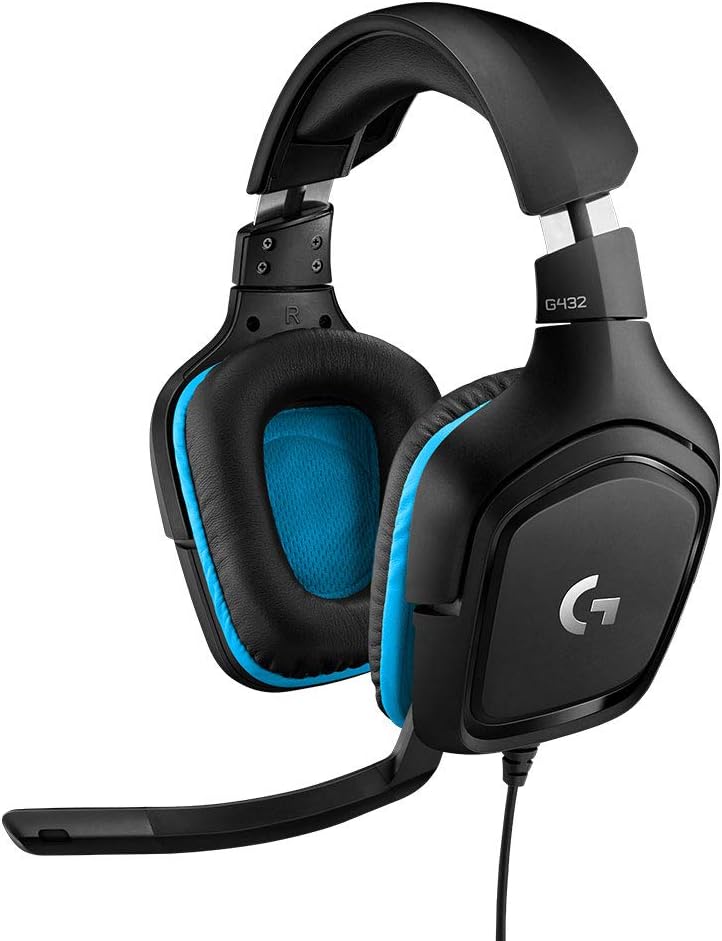 Logitech G432 Wired Gaming Headset
|
7.1/10 | Buy | ||
| Best Budget |
 Razer BlackShark V2 X Gaming Headset
|
7.3/10 | Buy | |
 Turtle Beach Recon 70 Wired Gaming Headset
|
6.7/10 | Buy | ||
 FIFINE AmpliGame H9 Gaming Headset
|
6.4/10 | Buy |
Logitech G PRO X Wired Gaming Headset
The Logitech G PRO X is a tournament-grade wired gaming headset designed with esports professionals, featuring DTS 7.1 surround sound, a detachable Blue VO!CE microphone with real-time noise reduction, and a premium USB DAC for crystal-clear in-game audio and voice comms. Best for competitive gamers and esports players who demand professional-level sound positioning and communication clarity.
Pros
- DTS 7.1 surround sound provides exceptional positional awareness and competitive edge in multiplayer games
- Blue VO!CE microphone technology delivers professional-sounding voice communications with advanced noise reduction
- Premium USB external sound card ensures consistent audio quality and supports tournament play without software
- Comfortable memory foam padding with dual earpads (leatherette and velour) accommodates different preferences and climates
- Durable aluminum fork and steel headband construction designed for long-term tournament use and travel
Cons
- Wired connection limits mobility compared to wireless gaming headsets, restricting movement during gameplay
- Blue VO!CE features and 7.1 surround sound require Windows PC, Logitech G HUB software, and USB connection for full functionality
- Premium pricing positions it above entry-level gaming headsets, making it a significant investment for casual players
HyperX Cloud III Wired Gaming Headset
The HyperX Cloud III is a comfortable, durable wired gaming headset with tuned 53mm drivers and DTS spatial audio, designed for long sessions across PC, PlayStation, Xbox, and Nintendo Switch. It excels in comfort and build quality, making it a solid choice for gamers prioritizing durability and all-day wearability over wireless convenience.
Pros
- Exceptional comfort for extended gaming sessions thanks to signature memory foam construction
- Durable aluminum frame resists damage from travel and accidental drops
- Lifetime DTS spatial audio activation provides competitive audio advantage in competitive games
- Works across PC, PS5, Xbox Series X/S, Nintendo Switch, and mobile devices with included connectors
- Clear, noise-cancelling microphone with visual mute indicator for reliable team communication
Cons
- Wired connection limits mobility compared to wireless alternatives, though ensures zero latency
- No active noise cancellation for blocking external ambient sound during gameplay
- Requires DTS software installation on PC to fully utilize spatial audio features
Razer BlackShark V3 X HyperSpeed Wireless
A lightweight wireless gaming headset with 50mm drivers, 7.1 surround sound, and triple connectivity (2.4GHz, Bluetooth, USB) that delivers competitive audio clarity and a detachable cardioid mic. Best for PC and console gamers seeking low-latency performance without breaking the bank.
Pros
- Exceptional battery life at 70 hours eliminates frequent charging interruptions
- Three connectivity modes (2.4GHz, Bluetooth, USB) provide flexibility across gaming ecosystems
- Featherweight 270g construction reduces neck strain during extended play sessions
- Detachable microphone with unidirectional pattern minimizes background noise pickup
- Competitive pricing for a feature-rich wireless gaming headset with surround sound
Cons
- No active noise cancellation, limiting use in loud environments outside gaming
- Limited information on durability and build quality longevity from customer reviews
- Surround sound quality depends heavily on game optimization and audio source calibration
HyperX Cloud II Gaming Headset
The HyperX Cloud II delivers virtual 7.1 surround sound and exceptional comfort with memory foam ear pads at an affordable price point. It's an excellent choice for PC and console gamers seeking reliable audio performance and durability without premium pricing.
Pros
- Exceptional comfort during extended gaming sessions thanks to memory foam construction
- Virtual 7.1 surround sound creates precise audio positioning for competitive gaming
- Detachable noise-cancelling microphone certified for Discord and TeamSpeak
- Solid aluminum build quality designed for durability and longevity
- Affordable pricing compared to competing gaming headsets with similar features
Cons
- 7.1 surround sound only works via USB on PC and Mac; stereo only on console 3.5mm connections
- Requires separate Microsoft adapter for Xbox One compatibility
- No built-in mic monitoring feature for hearing your own voice during calls
HyperX CloudX Xbox Licensed Gaming Headset
The HyperX CloudX is an officially licensed Xbox headset that delivers solid comfort and sound for console gamers at an affordable price. Its memory foam ear cushions, detachable noise-cancelling mic, and in-line controls make it ideal for long gaming sessions on Xbox One and Series X|S.
Pros
- Exceptional comfort for extended gaming with award-winning memory foam cushions and leatherette padding
- Officially licensed by Microsoft with proven compatibility across all current Xbox platforms
- Intuitive in-line controls eliminate the need to navigate console settings mid-game
- Detachable, noise-cancelling mic provides clarity while remaining flexible and removable
- Excellent build quality with aluminum frame and reinforced braided cable for long-term durability
Cons
- Wired 3.5mm connection limits mobility compared to wireless alternatives
- Requires Xbox controller with 3.5mm jack, limiting compatibility with older wireless-only controllers
Razer Kraken V4 X Wired Gaming Headset
The Razer Kraken V4 X delivers immersive 7.1 surround sound and clear voice capture through its TriForce drivers and retractable cardioid mic, making it a solid choice for PC and console gamers seeking multi-platform compatibility without breaking the bank.
Pros
- Multi-platform versatility with included USB-C to Type-A adapter eliminates the need for multiple headsets
- Retractable microphone design offers convenience and protection when not in use
- Memory foam cushions provide exceptional comfort for marathon gaming sessions
- Clear voice capture with improved pickup pattern makes communication in competitive games reliable
- Razer Chroma RGB integration adds visual immersion when synced with your gaming setup
Cons
- Not compatible with Xbox consoles, limiting versatility for some gamers
- 7.1 surround sound requires product registration and software activation, adding setup complexity
- Wired connection limits mobility compared to wireless alternatives
Razer Kraken Console Gaming Headset
The Razer Kraken for Console delivers immersive 7.1 surround sound with custom 50mm drivers and cooling gel cushions designed for all-day gaming comfort. Its retractable noise-isolating microphone and cross-platform compatibility make it an excellent choice for console gamers seeking clarity and durability without breaking the bank.
Pros
- Exceptional sound quality with punchy bass and clear mids ideal for both competitive and casual gaming
- Superior comfort during long sessions thanks to cooling gel cushions and oval ear cup design
- Retractable microphone stays out of the way when not needed, with clear voice transmission for team play
- Durable aluminum construction with flexible design ensures longevity through frequent use
- True cross-platform compatibility covers all major gaming ecosystems without adapter hassles
Cons
- Wired connection via 3.5mm jack limits mobility compared to wireless alternatives, though ensures zero latency
- 7.1 surround sound requires Windows 10 64-bit software support, limiting full feature access on other platforms
- Cooling gel cushions may require periodic maintenance to maintain optimal heat-dissipation performance over time
Logitech G432 Wired Gaming Headset
The Logitech G432 delivers immersive 7.1 surround sound through DTS Headphone:X 2.0 and 50mm drivers at an affordable price point. Best suited for competitive gamers and console players seeking positional audio awareness without breaking the bank.
Pros
- Superior positional audio helps identify enemy locations and in-game directional cues
- Exceptional compatibility across multiple gaming platforms and devices
- Lightweight and comfortable design with rotating ear cups for hours of gameplay
- Clear microphone communication with convenient flip-to-mute functionality
- Strong value for money with professional-grade surround sound features
Cons
- DTS Headphone:X 2.0 surround sound requires Logitech G HUB software installation
- Wired connection limits mobility compared to wireless alternatives
- No RGB lighting or programmable buttons found on competing models at similar price points
Razer BlackShark V2 X Gaming Headset
The Razer BlackShark V2 X delivers competitive gaming audio at an accessible price point, featuring TriForce 50mm drivers for balanced sound and a cardioid mic that prioritizes voice clarity. Best suited for PC and console gamers seeking reliable performance without premium pricing.
Pros
- Balanced audio signature with TriForce driver technology delivers clarity across all frequency ranges
- Excellent microphone quality with cardioid pickup pattern minimizes background noise for team communication
- Lightweight and comfortable design reduces fatigue during competitive tournaments and long gaming marathons
- Works seamlessly across multiple platforms via standard 3.5mm connection
- Strong value proposition at under $40 with proven Razer engineering
Cons
- 7.1 surround sound limited to Windows 10 64-bit, reducing immersion on Mac and console platforms
- Passive noise cancellation, while effective, does not match active noise cancellation found in premium models
- 3.5mm jack connection may require separate adapter for some Xbox One setups
Turtle Beach Recon 70 Wired Gaming Headset
The Turtle Beach Recon 70 is a budget-friendly wired gaming headset that delivers solid audio performance across PS5, Xbox, PC, and mobile devices. Its lightweight design, flip-to-mute mic, and 40mm speakers make it an excellent value choice for casual to moderate gamers who prioritize comfort during long sessions.
Pros
- Exceptional value at under 25 dollars with a 4.4 out of 5 rating from nearly 70,000 verified purchases
- Truly multiplatform compatible with no software or drivers needed, thanks to universal 3.5mm jack design
- Lightweight at just 0.51 pounds makes it ideal for extended gaming marathons without neck strain
- Passive wired design means no charging hassles or battery anxiety during competitive gaming sessions
- Reliable flip-to-mute microphone with high sensitivity captures voice commands clearly for team-based games
Cons
- Wired connection with 4-foot cable limits mobility compared to wireless alternatives and may feel restrictive during active gameplay
- Spatial audio technologies like Dolby Atmos and DTS:X require additional app downloads and purchases on most platforms
- No active noise cancellation, relying solely on passive isolation which may not block external distractions in loud environments
FIFINE AmpliGame H9 Gaming Headset
The FIFINE H9 is a budget-friendly wired gaming headset with 7.1 surround sound, dual connectivity (USB and 3.5mm), and a detachable mic, making it a solid choice for console and PC gamers on a tight budget. Its lightweight design and USB control box offer good value, though audio quality is typical for the price point.
Pros
- Exceptional platform compatibility across all major gaming devices with simple plug-and-play setup
- 7.1 surround sound provides genuine competitive edge in FPS and tactical games for locating enemies
- Lightweight construction and ventilated ear pads enable comfortable 8+ hour gaming sessions
- Intuitive USB control box eliminates need for software and keeps you focused on gameplay
- Clear microphone quality ensures seamless team communication in multiplayer raids and competitive matches
Cons
- Audio quality is solid but not premium, with typical consumer-grade driver performance at this price
- Wired design limits mobility compared to wireless alternatives, though the 10-foot cable is generous
- 7.1 surround sound is virtual processing rather than true multi-driver surround, standard for the category
Gaming Headsets for Streaming Buying Guide
Streaming adds a layer of complexity to choosing a gaming headset that casual players don’t have to worry about. You’re not just picking a headset that sounds good to you; you’re picking one that performs for your audience too.
The sections below walk through every meaningful criterion, from microphone quality to driver size to connectivity, so you can match the right headset to your specific streaming workflow.
Microphone Quality and Noise Isolation
For streamers, the microphone is arguably more important than the drivers. Your audience hears your voice for hours at a time, so any muddiness, background bleed, or harsh sibilance becomes fatiguing fast.
Look for headsets with cardioid or directional pickup patterns, which reject ambient noise from the sides and rear while focusing on your voice directly in front.
Detachable or retractable boom mics tend to outperform fixed mics because you can position them precisely at the corner of your mouth, typically the sweet spot for voice clarity.
Software-enhanced microphones add another tier of performance. Logitech’s Blue VO!CE technology, for example, processes the raw signal in real time, applying noise reduction, equalization, and compressor effects that would otherwise require a separate audio interface.
If you’re pairing your headset with a dedicated external microphone down the road, you can deprioritize the built-in mic slightly, but for most streamers a capable boom mic built into the headset keeps the desk clean and the workflow simple.
Verified buyer feedback consistently flags background noise pickup as the top complaint with budget headsets.
If you stream from a room with mechanical keyboards, case fans, or ambient street noise, pay close attention to whether reviewers mention noise bleed in their recordings.
A noise-cancelling boom mic, even a modest one, makes a meaningful difference in stream audio professionalism.
Driver Size and Sound Signature

The drivers are the speakers inside each earcup, and their size directly influences how much low-frequency extension and overall soundstage you get. Most gaming headsets ship with 40mm to 53mm drivers.
Larger drivers generally produce fuller bass and wider perceived soundstage, which is useful both for immersive gameplay audio and for monitoring your own voice mix during a stream.
However, driver diameter alone doesn’t determine quality; tuning, driver material, and enclosure design all play roles.
For streaming specifically, a relatively flat or slightly V-shaped sound signature tends to work best. You want accurate mid-range frequencies so voices and game dialogue come through clearly, while still having enough bass presence to make your gaming experience engaging.
Heavily bass-boosted headsets can make it harder to monitor your own microphone level accurately in your mix, which is a real-world workflow issue streamers often overlook when buying.
Surround Sound: Virtual vs. Stereo
Virtual surround sound, such as DTS Headphone:X 2.0 or Spatial Audio processing, uses digital signal processing to simulate the perception of sounds coming from different directions.
For competitive multiplayer streaming, this can help you and your audience get a better sense of positional audio, footsteps, or incoming fire.
Many headsets implement virtual surround through a USB dongle or a bundled software application, keeping the feature optional rather than always on.
That said, expert review consensus is nuanced here. Well-implemented stereo on quality drivers often sounds more natural and spacious than poorly implemented virtual surround, which can smear transient detail and introduce audio latency.
The best approach is to treat virtual surround as a bonus feature rather than a dealbreaker, and evaluate the headset’s underlying stereo performance first.
If you want to explore the broader category of over-ear headphones that also work well for long listening sessions, that context can be useful for understanding what separates a gaming-tuned headset from a general-purpose headphone.
Comfort and Build Quality for Long Sessions

Streaming sessions routinely run three to six hours or more.
A headset that feels fine for thirty minutes can become genuinely painful after two hours if the clamping force is too high, the earpads are too shallow, or the headband padding is inadequate.
Memory foam earpads are consistently rated higher by long-session users in verified buyer feedback because they conform to head shape and distribute pressure more evenly than basic foam or leatherette pads.
Frame materials matter too. Aluminum frames offer better durability and resistance to flex fatigue over time compared to all-plastic construction.
If you’re buying a headset you intend to use daily for streaming, paying slightly more for a metal-reinforced frame is usually worth it.
Lightweight design also correlates with user satisfaction in marathon sessions; headsets that weigh under 300 grams tend to receive fewer comfort complaints from streamers in verified reviews.
For a broader perspective on what makes wireless over-ear headphones comfortable for extended wear, the same principles largely apply.
Connectivity and Platform Compatibility
Streamers often switch between PC, console, and capture card setups, so platform flexibility matters. Headsets that include both a USB connection and a 3.5mm analog jack are the most versatile.
USB connections typically enable software-driven features like surround sound and microphone processing. The 3.5mm jack ensures you can plug into a controller, a laptop audio output, or a capture card without needing drivers or software.
USB-C connectivity is becoming more common in newer headsets and simplifies desk cable management on modern PCs and recent consoles.
If you stream across multiple platforms, verify that the headset’s microphone works on all of them; some USB-only mics are recognized only by Windows and may not function correctly on PlayStation consoles without an adapter.
Wireless headsets eliminate cable clutter but introduce battery life and latency considerations; for streaming specifically, a reliable wired connection removes one more variable from your signal chain.
In-Line Controls and Monitoring Features

Quick-access volume and mute controls are quality-of-life features that become genuinely important during a live stream.
Being able to mute your mic instantly without alt-tabbing out of a game or fumbling for a software panel prevents embarrassing audio incidents on stream.
Most mid-range and above headsets include a flip-to-mute boom mechanism or an in-line mute button, both of which expert reviewers rate highly for streaming workflows.
Sidetone functionality, which lets you hear your own voice through the headset earcups at low volume, is an underrated streaming feature. It prevents you from unconsciously raising your voice during intense gameplay, which keeps your stream audio levels consistent.
Not all gaming headsets include sidetone, but it’s worth checking for if you notice yourself varying your speaking volume a lot.
In-line audio control boxes, like those bundled with some USB headsets, often provide mix control between game audio and chat audio, which is directly useful when you’re managing a Discord call alongside stream software.
Why You Should Trust Us
REMOVU is an independent review publication. We do not accept payment from manufacturers to influence our recommendations, and no brand relationship affects where a product ranks on our lists.
Every headset in this roundup was evaluated using a consistent, repeatable research methodology: we analyze published specifications, synthesize expert review consensus drawn from multiple credible sources, and incorporate verified buyer feedback to surface real-world performance patterns that spec sheets alone don’t reveal.
Each product receives a REMOVU Score on a scale of 0 to 10, reflecting how well it performs across the criteria most relevant to its category.
For gaming headsets aimed at streamers, those criteria include microphone quality and noise rejection, driver performance and sound signature, build quality and long-session comfort, connectivity flexibility, and value relative to competing options at the same price tier.
We do not conduct our own product trials; our evaluations are grounded in research, published data, expert review consensus, and verified buyer feedback.
REMOVU may earn a commission when you purchase through links in this article. That affiliate relationship has no bearing on which products we recommend, how we score them, or the order in which they appear.
Our rankings reflect research quality, not commission rates. We are not a retailer and have no involvement in orders, returns, or warranty claims.
Final Thoughts
The gaming headsets in this roundup cover a wide spectrum of price points and streaming use cases, from no-frills wired options for newcomers to feature-rich headsets built around professional-grade microphone processing.
Here are our standout picks by category, each linked to the product page so you can review full specifications and current pricing.
- Best Overall: HyperX Cloud III earns the top spot with the highest REMOVU Score in this roundup, combining angled 53mm drivers, a class-leading 10mm ultra-clear microphone, USB-C and USB-A flexibility, and memory foam comfort into a package that genuinely serves streamers at every level of seriousness.
- Best for Streaming on a Budget: Razer BlackShark V2 X delivers a strong REMOVU Score at a budget-friendly price, with a cardioid microphone that punches above its weight for stream audio clarity and a lightweight build that holds up during long sessions.
- Best Microphone Performance: Logitech G PRO X stands out for streamers who prioritize voice quality, thanks to the detachable Blue VO!CE boom mic with real-time processing that approaches standalone microphone performance without adding anything else to the desk.
- Best for Multi-Platform Streamers: HyperX Cloud II remains a dependable workhorse with broad platform compatibility across PC, PS5, PS4, and Xbox, a durable aluminum frame, and virtual 7.1 surround sound through its USB audio control box.
- Best Wireless Option: Razer BlackShark V3 X HyperSpeed is the pick for streamers who need freedom of movement, offering both 2.4 GHz wireless and Bluetooth with a 70-hour battery life that outlasts virtually any streaming marathon.
Whichever headset you choose, pair it with the right streaming environment. Even a high-scoring headset benefits from a treated room, consistent gain staging in your streaming software, and an understanding of your platform’s audio compression.
If your setup evolves and you find yourself wanting to separate your monitoring and microphone into dedicated hardware, our coverage of DACs and headphone amps and the microphone category can help point you in the right direction.
Frequently Asked Questions
Do I need a dedicated external microphone for streaming, or will a headset mic work?
For most streamers, a high-quality headset microphone is entirely sufficient. Headsets with cardioid boom mics and built-in processing, like those from HyperX and Logitech in this roundup, produce stream audio that audiences find perfectly clear and professional.
A dedicated external microphone offers marginal voice quality gains but adds desk clutter, requires a separate arm and audio interface, and can pick up more room noise if your space isn’t acoustically treated.
Start with a capable headset mic and upgrade only if you’ve genuinely outgrown it.
Is virtual surround sound actually useful for streaming?
It depends on the game type and how well the headset implements it. For competitive shooters where positional audio matters, well-tuned virtual surround can help you identify enemy positions more reliably, which can make for more engaging stream content.
For single-player games or slower-paced titles, stereo often sounds more natural and detailed.
Expert review consensus generally recommends evaluating virtual surround as an optional enhancement rather than a core requirement, and most headsets let you toggle it on or off through their companion software.
Should I choose a wired or wireless gaming headset for streaming?
Wired headsets eliminate latency and battery anxiety entirely, which is why most professional and semi-professional streamers default to wired. A 3.5mm or USB connection provides a stable, consistent signal regardless of how many other wireless devices are in the room.
Wireless headsets have improved substantially in recent years, particularly those using 2.4 GHz connections, and the latency gap with wired is now negligible for most streaming scenarios.
If cable management is a genuine concern for your setup, a quality wireless headset with a reliable dongle connection is a reasonable choice, provided you maintain charging discipline before sessions.
What’s the difference between noise-cancelling headphones and a noise-cancelling microphone?
These are two entirely separate features that are easy to conflate. Active noise cancellation in noise-cancelling headphones uses microphones on the earcups to generate inverse sound waves that cancel ambient noise arriving at your ears, improving your listening experience.
A noise-cancelling microphone, by contrast, uses directional pickup patterns or digital processing to reject background noise that the microphone would otherwise capture and transmit to your audience.
For streaming, the microphone’s noise rejection is what matters for your broadcast quality; earcup noise cancellation affects only what you hear personally during a session.
Are gaming headsets suitable for music listening and general use outside streaming?
Many gaming headsets work reasonably well for casual music listening and video calls, but they’re generally tuned for game audio rather than audiophile music reproduction.
The V-shaped sound signature common in gaming headsets, with emphasized bass and treble, can make music enjoyable but may lack the midrange accuracy that dedicated over-ear headphones prioritize.
If you want a single headset that handles streaming, gaming, and serious music listening equally well, look for models with a more neutral tuning.
Alternatively, our roundup of wired over-ear headphones covers options better suited to music-first listening, some of which can double as gaming headphones with the right setup.
How important is headset compatibility with streaming software like OBS or Streamlabs?
Any headset that appears as a standard audio input device in Windows or macOS will work with OBS, Streamlabs, and similar streaming applications without any special configuration.
What varies is whether the headset’s companion software provides additional controls inside the streaming app ecosystem.
Some headsets integrate mic processing features that output a clean, software-processed signal directly to your streaming application, which reduces the amount of manual filtering you need to apply in OBS.
USB headsets tend to offer the most software integration; 3.5mm-only headsets are universally compatible but rely on your motherboard’s audio hardware or a separate audio interface for processing.
About the author
Armando covers Wi-Fi routers for REMOVU, balancing speed, range, and features for homes of every size. He helps readers match a router to their space and their devices.