The 9 Best Home Theater Projectors
Big-screen cinema at home starts with the right projector. We researched brightness, smart platforms, throw ratios, and audio to find the top picks for every room and budget.
 By Dolores Daniels
Updated July 26, 2026
By Dolores Daniels
Updated July 26, 2026
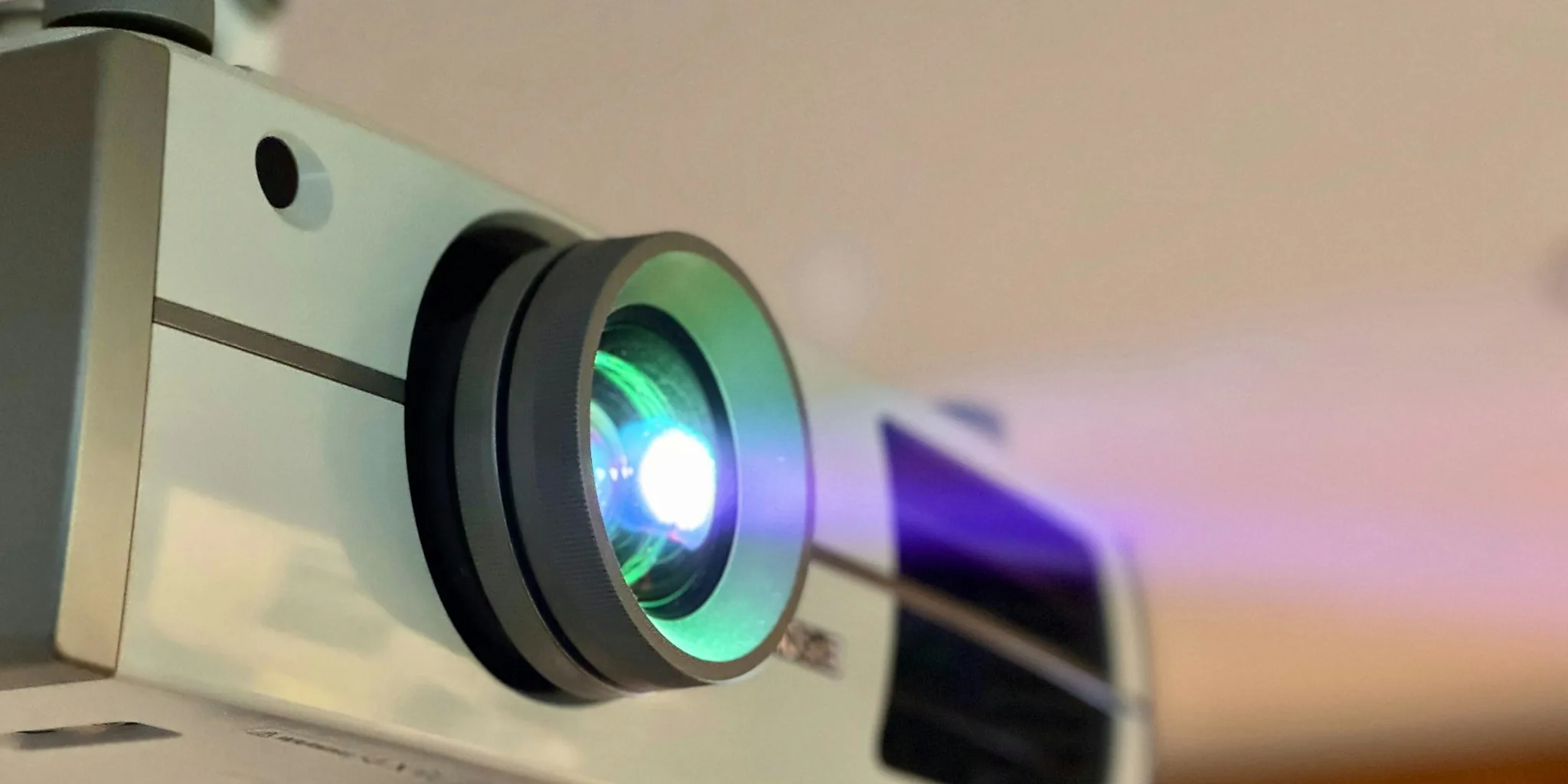
A great home theater projector can transform any living room, bedroom, or backyard into a cinematic experience that no flat-screen TV can replicate.
With screen sizes starting at 80 inches and reaching well beyond 120 inches, today’s projectors deliver immersive visuals at a fraction of the cost of a comparably sized display.
The market has expanded rapidly, and buyers now face a wide range of choices spanning 3LCD and DLP technologies, smart operating systems like Google TV and VIDAA, and brightness ratings from modest to genuinely daylight-capable.
Whether you want a dedicated indoor setup or a flexible unit you can take outdoors, the options in 2026 cover nearly every need and budget, from entry-level portable picks to polished home cinema machines.
This guide covers nine projectors evaluated through REMOVU’s research process, drawing on manufacturer specifications, expert review consensus across the enthusiast community, and verified buyer feedback from confirmed purchasers.
We assess each model against consistent performance and value criteria and express the result as a REMOVU Score on a 0 to 10 scale.
If you are still weighing a projector against a large television, our overview of TVs for every room provides useful context. Ready to find your match? Our top picks are ranked below.
| Award | Product | REMOVU Score About REMOVU ScoreThe REMOVU Score is our own rating from 0 to 10, based on performance, design and build, ease of use, and value. It reflects independent research and is never influenced by manufacturers, retailers, or affiliate commissions. Learn more › | Price | |
|---|---|---|---|---|
| Best Overall |
 Epson Home Cinema 980 1080p Projector, 4000 Lumens
|
8.4/10 | Buy | |
| Best Premium |
 TOPTRO X9 Pro 4K Outdoor Projector with VIDAA OS
|
7.6/10 | Buy | |
 TOPTRO A2 4K Smart Projector with VIDAA OS
|
7.5/10 | Buy | ||
| Best Value |
 HAPPRUN 3000 ANSI Lumens Smart Projector with Google TV
|
7.3/10 | Buy | |
 ONOAYO ONO5Pro 2.0 4K Smart Projector with 60W Dolby Audio
|
7.1/10 | Buy | ||
| Best Budget |
 Pemoon Smart 4K Projector with Google TV, 3000 ANSI
|
6.9/10 | Buy | |
 PUTRIMS 4K Smart Projector with Google TV Built-in
|
6.8/10 | Buy | ||
 Aurzen D1R Roku Smart Projector
|
6.2/10 | Buy | ||
 WiMiUS P62 Pro 4K Smart Projector
|
6.2/10 | Buy |
Epson Home Cinema 980 1080p Projector, 4000 Lumens
Epson's Home Cinema 980 delivers bright, sharp Full HD images with 4,000 lumens brightness suitable for lit rooms and sports viewing. The 3-chip 3LCD technology ensures accurate color without rainbow artifacts, while dual HDMI ports and built-in speaker provide straightforward setup for streaming and gaming. Best for viewers prioritizing brightness and color accuracy over 4K resolution.
Pros
- Exceptional brightness at 4,000 lumens (both color and white), performs well in brightly lit spaces
- True 3-chip 3LCD technology delivers precise, vivid colors without rainbow effect
- Optimized for fast-moving content like sports and gaming with responsive data processing
- Dual HDMI ports plus USB power source for flexible device connectivity
- Built-in speaker and portable 6.8 lb design enable quick setup and repositioning
- 2-year limited warranty with lifetime technical support
Cons
- 1080p resolution limits detail compared to 4K alternatives, especially on larger screens
- 2W built-in speaker provides basic audio only; external sound system recommended for immersive experience
- Lamp-based light source requires eventual replacement, unlike laser alternatives
TOPTRO X9 Pro 4K Outdoor Projector with VIDAA OS
A smart outdoor projector built around TOPTRO's proprietary VIDAA OS, offering 920 ANSI lumens brightness, native 1080P with 4K decoding, and 40W Dolby audio. It's designed for families wanting a distraction-free streaming experience with 1,000+ live TV channels and seamless Apple HomeKit integration, though the 1080P native resolution limits true 4K performance.
Pros
- Fast, lag-free VIDAA OS with cloud storage and enhanced privacy controls, including dedicated kids mode
- Strong brightness at 920 ANSI lumens with HDR10 support makes it usable in moderately lit rooms
- Comprehensive smart features: 1,000+ live channels, Netflix/YouTube/Prime pre-loaded, AirPlay 2, HomeKit, and smartphone voice control
- Advanced AI auto-setup handles focus, 6D keystone correction, and obstacle avoidance within 3 seconds
- Dual 20W speakers with Dolby Audio and two-way Bluetooth 5.4 for flexible audio routing
Cons
- Native 1080P resolution means 4K content is decoded but displayed at lower native resolution, not true 4K output
- No user reviews yet (5-star rating unverified), limiting real-world feedback on long-term reliability and actual performance consistency
- Requires multiple cables and setup steps for ceiling mounting and audio optimization, despite auto-setup features
TOPTRO A2 4K Smart Projector with VIDAA OS
A feature-rich smart projector built around VIDAA OS for faster app performance and 1000+ live TV channels without needing external streaming devices. The 650 ANSI brightness, 36W Dolby audio, and 1.0:1 short throw ratio make it practical for apartments and smaller spaces, while AI auto-focus and keystone correction simplify setup. Best suited for cord-cutters wanting integrated live TV and casual home theater use.
Pros
- VIDAA OS delivers noticeably faster navigation and stability compared to standard Android TV projectors, with built-in live TV channels reducing need for separate apps
- 36W Dolby speakers with dual 18W drivers provide adequate cinema-quality audio for most rooms without external soundbar requirement
- 1.0:1 ultra-short throw ratio projects 100-inch image from just 2.2 meters, ideal for tight apartments and rentals
- AI auto-focus, keystone correction, and obstacle avoidance eliminate manual tweaking and real-time adjustments
- Official AirPlay 2 and Miracast support with WiFi 6 enable seamless one-tap casting from Apple and Android devices
Cons
- Native resolution is 1080P despite 4K decoding label, meaning sharp 4K content displays at upscaled 1080P rather than true 4K detail
- 650 ANSI brightness is moderate for well-lit rooms or outdoor use compared to projectors claiming 1500+ lumens
- iOS devices cannot mirror Netflix or Disney+ due to DRM restrictions, limiting flexibility for Apple users
HAPPRUN 3000 ANSI Lumens Smart Projector with Google TV
A versatile projector built for both indoor and outdoor use, the HAPPRUN 3000 combines bright 3000 ANSI lumens output with native Google TV integration, eliminating the need for external streaming devices. Its auto focus and 6D keystone correction make setup effortless, while dual 10W Dolby Audio speakers provide respectable sound without external gear. Best suited for homeowners wanting a plug-and-play entertainment system that handles streaming, gaming, and backyard movie nights in one device.
Pros
- Built-in Google TV with 1,000+ apps eliminates need for separate streaming devices
- Strong 3000 ANSI lumens brightness performs well in lit environments and outdoor settings
- Auto focus and 6D auto keystone save setup time and adjust for various mounting angles
- WiFi 6 and Bluetooth 5.2 provide stable wireless connectivity with minimal lag
- Dual 10W Dolby Audio speakers deliver adequate sound for most viewing scenarios
Cons
- 4K support is decoding-based rather than native 4K resolution, limiting true 4K performance
- No detailed information on lamp lifespan or maintenance costs for long-term ownership
- Dual 10W speakers may require external audio setup for larger outdoor gatherings or audiophile preferences
ONOAYO ONO5Pro 2.0 4K Smart Projector with 60W Dolby Audio
A feature-rich smart projector designed for both indoor and outdoor use, combining 3500 lumens brightness, built-in 60W Dolby speakers, and AI-powered auto-calibration that handles focus and keystone correction in seconds. Best suited for home theater enthusiasts and casual streamers who want a large-screen alternative to traditional TVs without purchasing separate audio equipment.
Pros
- Powerful integrated audio system with dual 60W Dolby speakers tuned by Hollywood experts, eliminating the need for external soundbars
- Fast AI auto-focus and keystone correction (3 seconds) with obstacle avoidance and screen-fit adjustment for hassle-free setup
- Smart TV OS 2.0 with 1,500+ live TV channels built-in and compatibility with major apps (YouTube, Prime Video, Disney+), plus WiFi 6 for reduced streaming latency
- High brightness output (3500 lumens) with 98% NTSC color gamut and support for 4K decoding, suitable for dimmer to moderately lit rooms
- Sealed optical engine with triple-temperature control system designed to prevent dust-related image degradation and extend operational lifespan
Cons
- Native resolution is 1080p with 4K decoding support only, not true 4K output, which limits sharpness on very large projection sizes
- Requires Google Chromecast adapter for Motorola and Google phones due to mirror protocol limitations, adding extra cost and complexity
- Recommended for dimmer environments, suggesting brightness may be insufficient for brightly lit spaces despite the 3500 lumen rating
Pemoon Smart 4K Projector with Google TV, 3000 ANSI
This portable projector bundles Google TV built-in, eliminating the need for external streaming devices while delivering native 1080P with 4K decoding and 3000 ANSI brightness. AI-powered auto focus and keystone correction set up a sharp image in seconds, making it practical for both indoor and outdoor use. The 360-degree rotating stand and auto lens cap add durability, though the native resolution falls short of true 4K.
Pros
- Google TV and voice assistant integrated, no external device required for streaming Netflix and 10,000+ apps
- 3000 ANSI lumens provides bright, vibrant projection suitable for daytime and outdoor viewing
- AI auto focus and keystone correction deliver perfectly rectangular images instantly without manual adjustment
- Auto lens cap blocks 98% dust and pet hair, protecting optics and reducing maintenance costs
- WiFi 6 and Bluetooth 5.2 enable stable 4K streaming, low-latency gaming, and seamless multi-device mirroring
- 2-year warranty, 1-year replacement policy, and 24/7 technical support
Cons
- Native resolution is 1080P, not true 4K despite 4K decoding support, limiting sharpness at larger screen sizes
- No specifications provided for lamp life, noise level, or exact contrast ratio, making full performance assessment difficult
- Portable design and rotating stand may sacrifice the rigid stability of dedicated ceiling-mounted projectors
PUTRIMS 4K Smart Projector with Google TV Built-in
A versatile portable projector that combines Google TV streaming with flexible placement thanks to its 360-degree rotatable stand and ultra-short throw lens. The 30W audio system and AI auto-focus deliver a solid all-in-one entertainment setup for bedrooms, living rooms, and outdoor spaces, though native resolution maxes out at 1080P despite 4K decoding support.
Pros
- Google TV built-in with 10,000+ apps and voice control eliminates need for external streaming devices
- 360-degree rotatable stand and 1.17:1 ultra-short throw ratio enable projection from tight spaces and multiple angles
- 30W HiFi stereo with bidirectional Bluetooth 5.3 provides room-filling sound without external speakers
- AI auto-focus and auto-keystone deliver quick setup with settings memory for fixed installations
- WiFi 6 and multi-device screen mirroring support iOS, Android, and laptops for flexible content casting
Cons
- Native resolution is 1080P only, so 4K content displays at lower fidelity despite 4K decoding capability
- True brightness rated at 500 ANSI lumens, which is moderate for daytime or well-lit rooms compared to higher-end models
- Firmware update required before first use for optimal audio and performance, adding initial setup friction
Aurzen D1R Roku Smart Projector
A compact 1080P projector with Roku TV built-in, auto focus, and Dolby audio that delivers straightforward streaming for home and outdoor use. Best suited for casual viewers seeking an affordable, plug-and-play entertainment solution without complex setup.
Pros
- Roku TV platform eliminates need for external streaming devices or dongles
- Auto focus and keystone save setup time and deliver sharp images instantly
- Lightweight and portable design ideal for backyard movies and travel
- Strong 4.6/5 rating from nearly 900 verified reviews
- Affordable entry point to home projection without sacrificing core features
Cons
- Native 1080P resolution lacks 4K support found in pricier models
- 5W speakers adequate for small rooms but may need external audio for larger spaces
- Lens requires regular cleaning every 3 months to maintain image quality
WiMiUS P62 Pro 4K Smart Projector
A reliable upgrade to WiMiUS's classic P62 line, the P62 Pro bundles built-in streaming apps, dual HDMI/USB ports, and auto focus into a portable outdoor-friendly package. The 600ANSI brightness and Dolby dual speakers deliver solid cinematic performance for home theater and casual gaming without requiring external devices.
Pros
- Built-in smart apps and OS with Prime Video and YouTube pre-loaded, eliminating need for external streaming devices
- Comprehensive connectivity: dual HDMI (with CEC/ARC support), dual USB, Wi-Fi 6, and Bluetooth 5.2 for flexible device pairing
- AI-powered auto focus and keystone correction for quick setup across ceiling, wall, tripod, or table mounting
- Dual 10W Hi-Fi speakers with Dolby audio and AI sound balancing provide adequate audio without external speaker requirement
- Strong warranty coverage: 2-year money-back guarantee, 3-year repair, and lifetime technical support with 24/7 customer service
Cons
- Native resolution is 1080P with 4K support only, meaning 4K content displays at upscaled 1080P rather than true 4K output
- Carrying case not included despite outdoor positioning, requiring separate purchase for portability
- 600ANSI brightness adequate for darker rooms but may struggle with ambient light in partially lit spaces
Home Theater Projectors Buying Guide
Choosing a home theater projector requires balancing several technical factors against your room layout, viewing habits, and long-term budget.
The sections below walk through the criteria that matter most, so you can identify the right model without being distracted by spec-sheet noise. If you are shopping with a tighter ceiling, our roundup of projectors under $500 narrows the field considerably.
Brightness and Ambient Light Tolerance

Brightness is measured in ANSI lumens or ISO lumens, and the two scales are not interchangeable. A projector rated at 3,000 ANSI lumens will perform noticeably differently from one claiming 3,000 ISO lumens, since ISO ratings tend to run lower.
For a dedicated dark room, 1,500 to 2,000 ANSI lumens is generally sufficient. For living rooms with partial ambient light, aim for at least 2,500 to 3,000 ANSI lumens. Outdoor evening use typically requires 2,500 lumens or more, though a quality blackout screen helps enormously.
Color brightness matters as much as white brightness in everyday viewing. Some projectors advertise high white brightness but use a yellow segment in the color wheel that boosts white luminance while muting color saturation.
Look for specs that list equal or near-equal color and white brightness figures. Our dedicated article on projectors for daytime viewing explores this in more depth if your room cannot be fully darkened.
Resolution and 4K Support
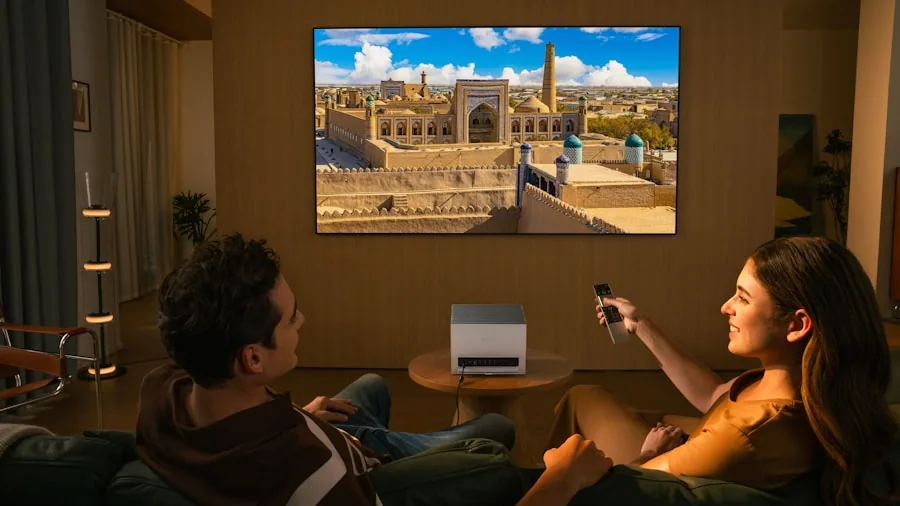
True native 4K projectors use chips with at least 8.3 million physical pixels. Many consumer models instead use pixel-shifting technology, sometimes marketed as “4K supported” or “4K enhanced,” to achieve a 4K-quality appearance from a 1080p or lower native panel.
For home theater at typical viewing distances (10 to 15 feet), pixel-shifted 4K can look impressive, especially with HDR content, but critical viewers will notice the difference on slow pans or fine text.
Native 1080p projectors remain an excellent choice for most households. They deliver sharp, detailed images on screens up to 120 inches and are significantly more affordable than native 4K equivalents.
If upscaling quality and HDR10 support are priorities, check verified reviews carefully rather than relying solely on the label. Our broader roundup of 4K projectors covers the landscape in detail for those who want the full pixel count.
Throw Ratio and Room Fit
Throw ratio describes how far back a projector must sit relative to the screen width it produces. A standard throw projector typically needs 1.5 to 2 times the screen width in distance, meaning a 100-inch screen requires roughly 10 to 14 feet of throw.
Short-throw models can achieve large images from under six feet away, making them practical for smaller rooms or bedroom ceilings. Ultra-short-throw projectors, designed to sit just inches from a wall, occupy an entirely different category focused on ambient-light rejection screens.
Several models in this guide advertise “short throw” or compact footprints suitable for bedroom ceiling mounting. Before purchasing, calculate the throw distance your room allows using the projector’s stated throw ratio, then confirm it matches your target screen size.
Lens shift and keystone correction offer additional flexibility, but optical lens shift is preferable to digital keystone, which can degrade image sharpness.
Smart Platform and App Ecosystem

The smart operating system built into a projector determines which streaming apps are available natively and how smoothly the interface operates.
Google TV is currently the most capable platform for streaming, offering a mature app library, Google Assistant voice control, and regular software updates.
VIDAA, used in some TOPTRO models in this guide, provides a clean interface with growing app support including Netflix and YouTube.
Roku TV integration, seen in the Aurzen D1R, delivers one of the simplest and most recognizable streaming experiences available.
Proprietary Android-based systems vary widely. Some offer full Google Play Store access while others are limited to sideloading.
Always verify which streaming services are available before purchase, particularly if Netflix or Prime Video are daily essentials, since licensing restrictions can prevent those apps from appearing even on Android-based projectors.
Pairing a projector with a capable external soundbar is also worth considering, since built-in speakers, even those rated at 30 to 40 watts, rarely match the audio depth of a dedicated speaker system.
Audio Quality and Speaker Output
Built-in audio has improved considerably in recent projector generations. Models in the mid-range and above frequently include dual speakers with Dolby Audio licensing, and watt ratings now regularly reach 30 to 60 watts total.
That said, watt ratings alone are not reliable predictors of sound quality. Driver size, cabinet resonance, and signal processing all affect real-world output.
Buyer feedback consistently shows that even well-rated built-in audio systems benefit from an external speaker or soundbar in larger rooms.
Bluetooth audio output is a standard feature on virtually every model in this guide, allowing wireless connection to a portable speaker or soundbar.
For truly immersive home theater audio, a powered subwoofer alongside bookshelf speakers will always outperform any built-in solution. Think of the projector’s speakers as a convenient fallback rather than the intended end state for a serious cinema room.
Connectivity, Focus, and Keystone
HDMI ports are essential for connecting gaming consoles, Blu-ray players, and streaming sticks. Look for at least two HDMI inputs, and confirm whether HDMI 2.0 or 2.1 is included if you plan to connect a 4K HDR source or a gaming console.
USB ports for media playback and a headphone or optical audio output are useful secondary features.
WiFi 6 support, now appearing in several models here, offers faster wireless streaming and lower latency than WiFi 5, which matters when streaming 4K content over a home network.
Auto focus and auto keystone have become near-standard features in the mid-range projector market. AI-assisted autofocus adjusts the image sharpness automatically when the projector is placed or moved, reducing setup friction significantly.
Auto keystone corrects trapezoidal distortion when the projector is not perfectly perpendicular to the screen. Both features are genuinely useful for outdoor and casual setups, though a fixed installation benefits from manual fine-tuning on top of automatic correction.
If gaming latency matters, also check our guide to projectors optimized for gaming, where input lag specifications are a primary selection criterion.
Why You Should Trust Us
REMOVU is an independent review publication. We do not conduct our own product trials; our evaluations are grounded in research, published data, expert review consensus, and verified buyer feedback.
For every projector in this guide, our editorial team analyzed manufacturer-published specifications, cross-referenced findings from the enthusiast and professional reviewer community, and weighed patterns in confirmed-purchase buyer feedback to identify consistent strengths and real-world limitations.
Each product receives a REMOVU Score on a 0 to 10 scale, reflecting our assessment of overall performance relative to price, reliability of specifications, and the quality of the ownership experience as reported by verified buyers.
Scores are applied consistently across every model in a given category so that comparisons between picks are meaningful and fair.
REMOVU may earn an affiliate commission when you purchase through links on this page. That relationship has no influence on our rankings, scores, or product selection.
Every recommendation is determined by the merit of the product as assessed through our research process, not by commission rates or brand relationships.
Our goal is straightforward: give you the clearest, most honest picture of each product so you can spend confidently.
Final Thoughts
The nine projectors in this guide span a wide range of use cases, from compact portable units ideal for casual outdoor movie nights to full-featured smart projectors built for dedicated home cinema rooms.
After evaluating each model against consistent criteria, here are our standout recommendations by category.
- Best Overall: Epson Home Cinema 980 earns the top spot with the highest REMOVU Score in the group, backed by Epson’s proven 3-chip 3LCD technology, strong 4,000-lumen brightness, and broad expert consensus validating its color accuracy and reliability for dedicated home theater use.
- Best Smart Projector with VIDAA: TOPTRO Outdoor 4K (VIDAA/40W/920 ISO) leads the TOPTRO lineup with a polished VIDAA Live TV platform, WiFi 6 connectivity, and one of the stronger Dolby Audio implementations in the mid-range segment, earning a high REMOVU Score among smart platform picks.
- Best for Indoor and Outdoor Flexibility: TOPTRO Smart Projector 4K (VIDAA/36W/Voice Control) balances a capable short-throw design, voice control, and HDR10 support, making it a versatile choice for households that move between indoor and outdoor setups.
- Best Google TV Pick: HAPPRUN 3000 ANSI Lumens with Google TV offers the full Google TV ecosystem with Dolby Audio and WiFi 6 at a competitive price point, earning a solid REMOVU Score for buyers who prioritize a mature streaming platform over raw brightness.
- Best Budget-Friendly Smart Option: Aurzen Roku TV D1R delivers the familiar Roku TV interface in a genuinely portable form factor, making it the most accessible entry point for first-time projector buyers who want reliable app access without a complicated setup.
For buyers who want to explore the broader landscape before deciding, our overview of projectors across every room and budget covers additional categories and price tiers.
Those focused on portability should also browse our guide to portable projectors for home and outdoor use, and compact-form-factor enthusiasts will find useful picks in our mini projector roundup.
Pairing your new projector with quality bookshelf speakers or a Blu-ray player will complete a genuinely cinematic home theater setup without overspending.
Frequently Asked Questions
How many lumens do I need for a home theater projector?
For a fully darkened home theater room, 1,500 to 2,500 ANSI lumens is typically sufficient to fill a 100 to 120-inch screen with a bright, detailed image.
If your room has windows or ambient light that cannot be completely blocked, look for at least 2,500 to 3,000 ANSI lumens. Outdoor evening screenings benefit from 2,500 lumens or more, particularly on larger screens.
Our guide to daytime-capable projectors covers high-brightness options in more detail.
Is a “4K supported” projector the same as native 4K?
No. “4K supported” or “4K compatible” typically refers to pixel-shifting technology that accepts a 4K input signal and shifts a lower-resolution chip multiple times per frame to simulate 4K detail.
The result can be impressive in motion but falls short of native 4K in fine-detail sharpness on static images.
Native 4K projectors contain a chip with at least 8.3 million physical pixels and produce genuinely sharper results, particularly at close viewing distances. Expect to pay a significant premium for true native 4K at the consumer level.
What smart platform is best for streaming on a home theater projector?
Google TV currently offers the widest app library, the most reliable Netflix and Prime Video support, and strong voice search via Google Assistant, making it the most capable built-in platform for streaming.
VIDAA provides a solid alternative with a growing app selection and clean interface. Roku TV is the easiest to use for beginners, with a simple channel-based layout.
Proprietary Android systems vary widely; always verify which streaming services are officially available before purchase, since sideloading workarounds can break with app updates.
Can I use a home theater projector outdoors?
Yes, and several models in this guide are designed with outdoor use in mind.
For the best outdoor experience, use a purpose-made projection screen rather than a plain wall or bedsheet, set up after sunset to minimize ambient light interference, and ensure the projector is rated with sufficient brightness for the screen size you intend.
Built-in Bluetooth speakers can power casual outdoor audio, though connecting to a portable speaker will noticeably improve the experience. For dedicated portable outdoor setups, our portable projector guide highlights models optimized for easy transport and battery-friendly operation.
Do I need a separate sound system with a home theater projector?
Most modern home theater projectors include built-in speakers rated between 20 and 60 watts, which are adequate for casual viewing in smaller rooms. For a genuine home cinema experience, an external audio solution makes a significant difference.
Options range from a simple Bluetooth soundbar to a full surround-sound setup with a receiver, satellite speakers, and a subwoofer. Even a modest two-channel speaker system will outperform built-in audio when watching films with complex soundscapes.
Think of the projector’s built-in speakers as a convenience feature rather than a permanent solution for serious home theater use.
How is this guide different from others I might find?
REMOVU evaluates each product through a structured research process that combines manufacturer specifications, expert review consensus from the wider reviewer community, and verified buyer feedback from confirmed purchasers.
Every model receives a REMOVU Score on a 0 to 10 scale based on consistent criteria, so rankings reflect relative quality rather than editorial intuition alone.
We do not accept payment to feature or rank products, and our affiliate relationships have no bearing on which models appear or how they score.
The result is a shortlist you can trust to reflect genuine performance differences rather than promotional relationships. For broader context on home theater equipment, our TV and home theater section covers the full range of display and audio categories.
About the author
Dolores writes about game controllers for REMOVU, comparing feel, build quality, and extra features across console and PC pads. She helps players find a controller that fits their hands and their games.