The 10 Best Camera Lenses for Sony
From fast primes to super-telephoto zooms, finding the right Sony E-mount lens depends on your format, shooting style, and budget. Here are the picks that earn their place.
 By Armando Washington
Updated July 26, 2026
By Armando Washington
Updated July 26, 2026
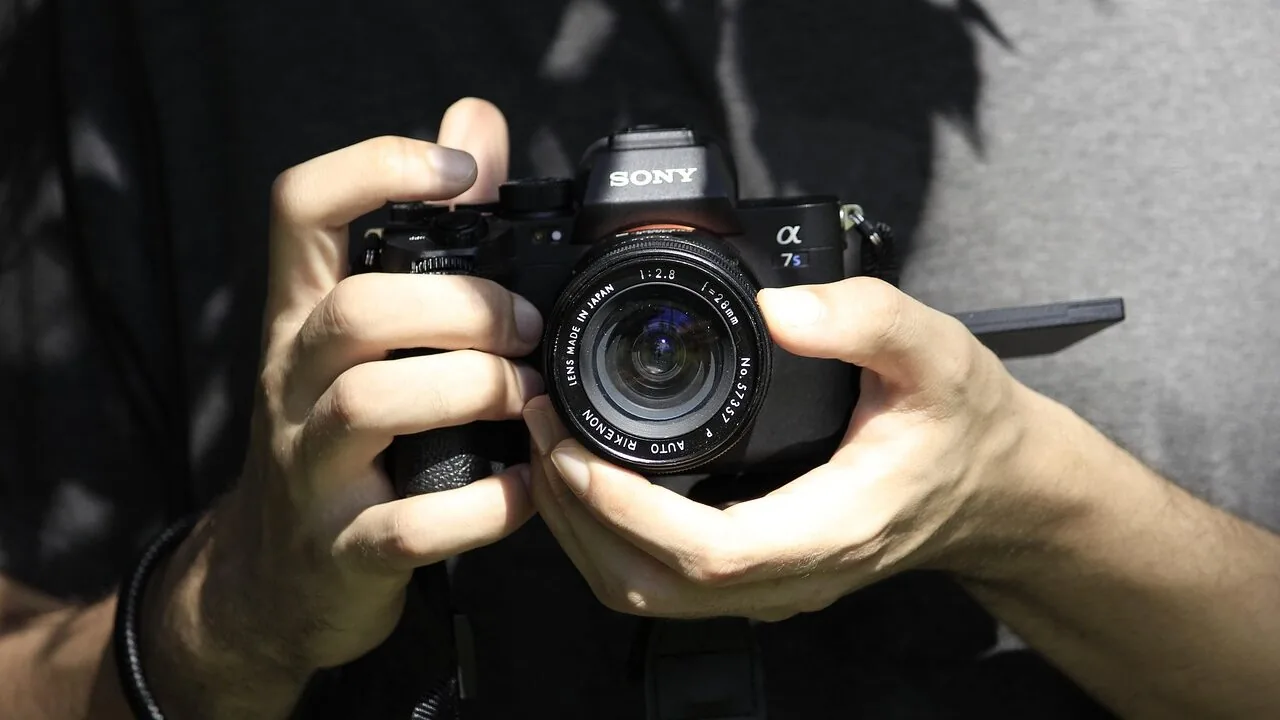
Sony’s E-mount ecosystem has grown into one of the most compelling lens lineups in photography, spanning compact APS-C primes all the way to professional-grade full-frame telephoto zooms.
Whether you shoot portraits, landscapes, wildlife, or street photography, the sheer variety of native and third-party lenses available for Sony mirrorless cameras means you can build a kit tailored precisely to your style and budget.
The challenge, of course, is knowing which optics are actually worth your money.
REMOVU researched and evaluated every lens in this guide using a rigorous synthesis of manufacturer specifications, expert review consensus from optical publications, and verified buyer feedback.
Our goal is to cut through the marketing noise and surface the picks that genuinely deliver in real-world shooting. Read on to see our top-ranked camera lenses for Sony below.
| Award | Product | REMOVU Score About REMOVU ScoreThe REMOVU Score is our own rating from 0 to 10, based on performance, design and build, ease of use, and value. It reflects independent research and is never influenced by manufacturers, retailers, or affiliate commissions. Learn more › | Price | |
|---|---|---|---|---|
| Best Overall |
 Sony FE 24-70mm F2.8 GM Constant Aperture Zoom
|
9.0/10 | Buy | |
| Best Premium |
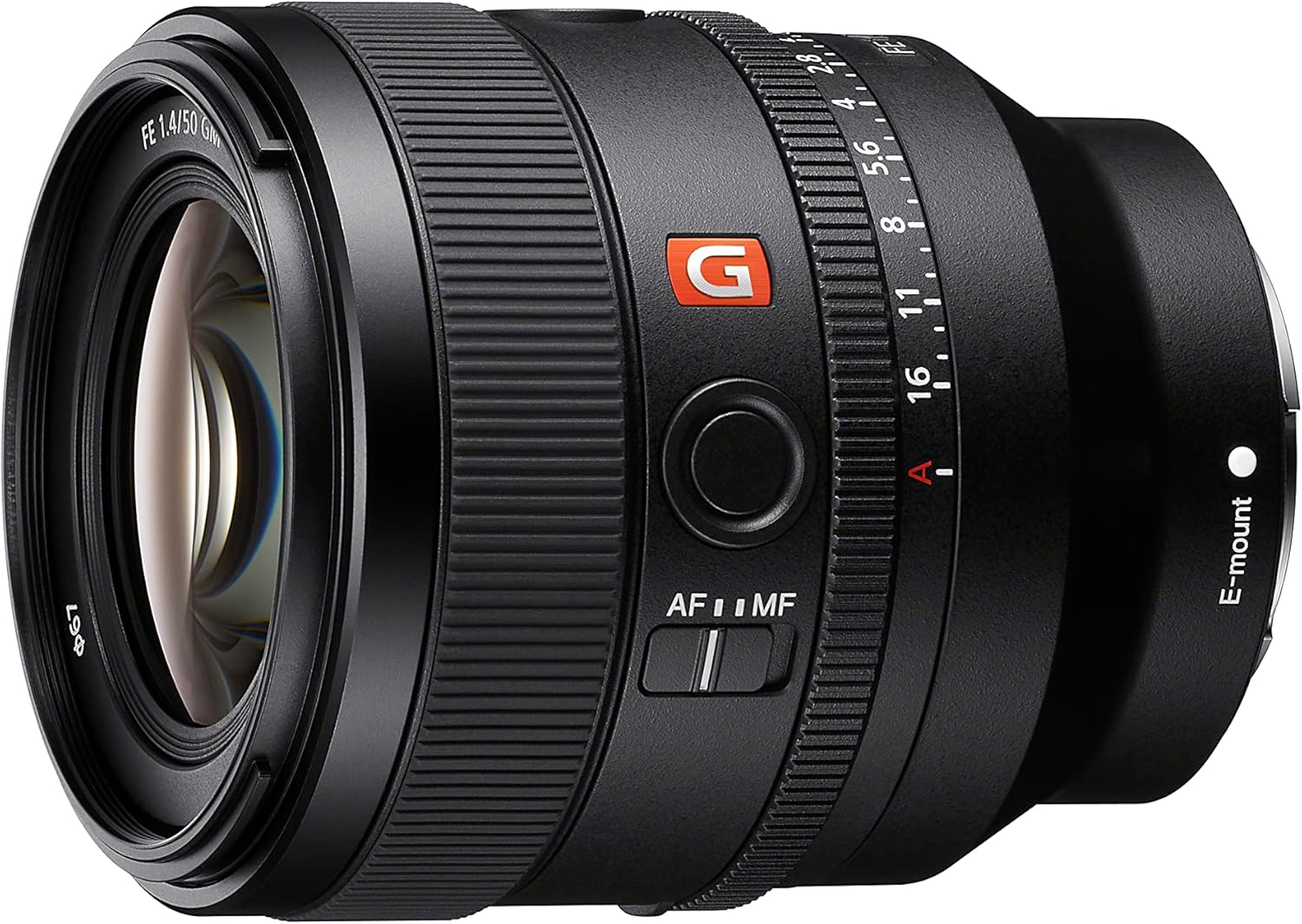 Sony FE 50mm F1.4 GM Prime Lens
|
8.6/10 | Buy | |
| Best Budget |
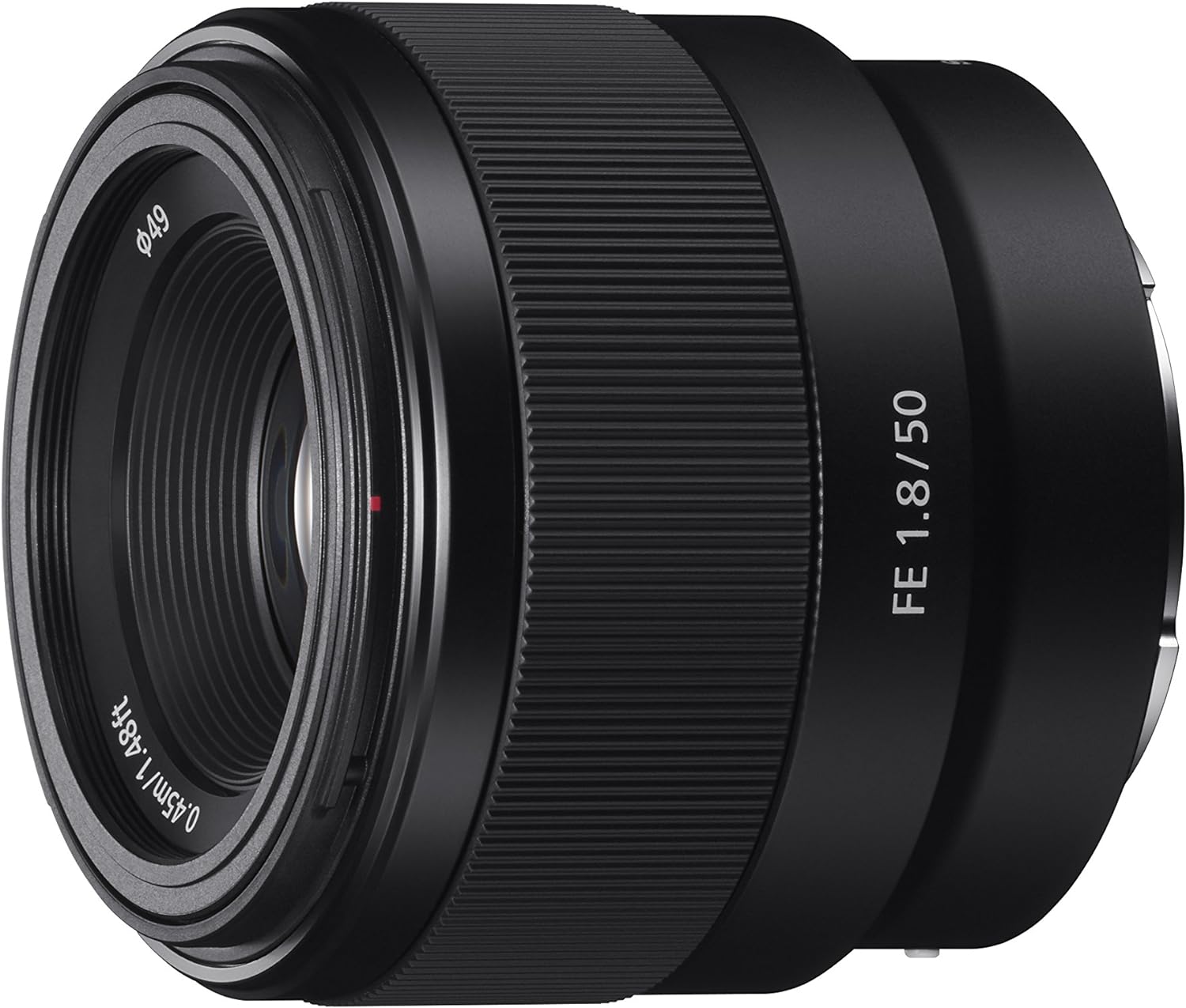 Sony FE 50mm F1.8 Prime Lens
|
8.5/10 | Buy | |
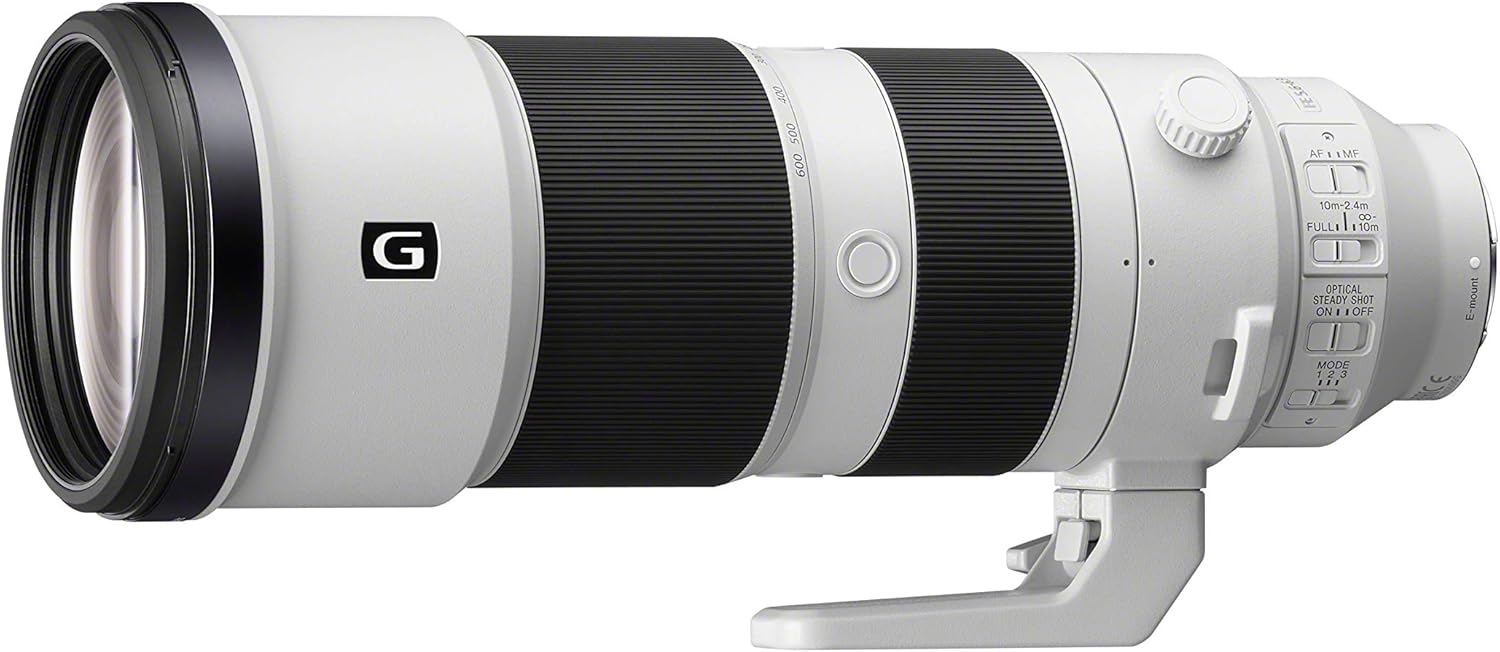 Sony FE 200-600mm f/5.6-6.3 G OSS Telephoto Zoom
|
8.3/10 | Buy | ||
| Best Value |
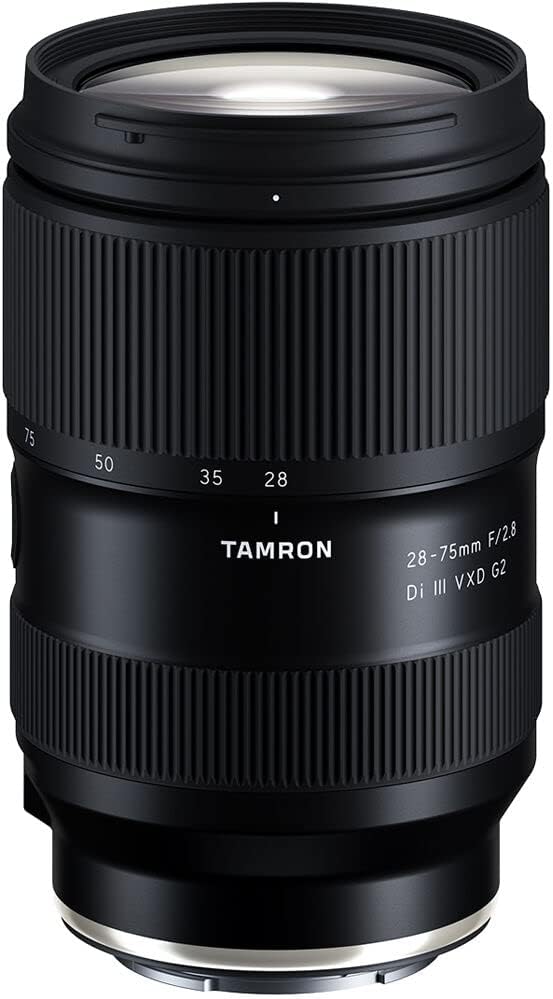 Tamron 28-75mm F/2.8 Di III VXD G2 for Sony E-Mount
|
8.2/10 | Buy | |
 Tamron 28-200mm F2.8-5.6 Di III RXD for Sony E-Mount
|
7.8/10 | Buy | ||
 Tamron 17-70mm f/2.8 Di III-A VC RXD for Sony APS-C
|
7.8/10 | Buy | ||
 Tamron 70-300mm F/4.5-6.3 Di III RXD for Sony E-Mount
|
7.1/10 | Buy | ||
 Sony E 55-210mm F4.5-6.3 Telephoto Zoom
|
6.2/10 | Buy | ||
 TTArtisan 25mm F2 Sony E-Mount Wide-Angle Lens
|
6.2/10 | Buy |
Sony FE 24-70mm F2.8 GM Constant Aperture Zoom
A premium constant F2.8 zoom for full-frame Sony shooters who demand consistent aperture across the entire focal range. The XA aspherical element and ED glass deliver sharp, detailed images with smooth bokeh, while the Direct Drive SSM motor ensures quiet autofocus suitable for both stills and video. Best suited for professionals handling portrait, event, and travel work where optical quality and low-light capability matter equally.
Pros
- Constant F2.8 aperture throughout 24-70mm range maintains exposure control and light-gathering ability
- XA extreme aspherical and ED glass elements minimize aberration and maximize resolution across the zoom range
- Direct Drive SSM autofocus is fast, smooth, and quiet for professional video and stills work
- Dust and moisture resistant design with professional controls (focus hold button, zoom lock switch)
- 9-blade circular aperture produces natural, creamy bokeh; Nano AR coating improves clarity and contrast
Cons
- No image stabilization, requiring steady hand or tripod in lower light conditions
- Premium positioning makes it a significant investment compared to variable aperture alternatives
- Relatively heavy at 886g for an all-day travel lens, though compact for its optical performance
Sony FE 50mm F1.4 GM Prime Lens
Sony's G Master 50mm F1.4 combines a fast F1.4 aperture with compact, lightweight design for portrait and standard prime work. Delivers edge-to-edge sharpness and creamy bokeh through advanced optics including XA aspherical and ED glass elements. Built for photographers prioritizing image quality and mobility without sacrificing autofocus speed or reliability.
Pros
- Exceptional G Master optical quality across the entire frame with minimal distortion and aberration
- Large F1.4 aperture produces smooth, naturally rendered bokeh ideal for portraiture
- Compact and lightweight at 516g with fast, quiet autofocus powered by XD linear motors
- 11-blade circular aperture maintains bokeh quality at all aperture settings
- Smooth focus tracking suitable for both stills and video up to 120 fps
Cons
- Premium positioning may limit appeal for budget-conscious buyers
- No user reviews available yet to assess real-world reliability and long-term performance
- Standard 50mm focal length requires more physical distance for framing compared to wider alternatives
Sony FE 50mm F1.8 Prime Lens
A compact, fast 50mm prime built for Sony E-mount full-frame cameras that excels at portraiture and low-light work. The F1.8 aperture and 7-blade circular design produce smooth bokeh, while the lightweight build makes it ideal for travel and run-and-gun shooting. On APS-C bodies, it delivers a 75mm equivalent focal length.
Pros
- Bright F1.8 aperture enables sharp low-light performance and creamy background blur
- Exceptionally compact and lightweight at 6.56 ounces, easy to carry and handle
- Aspherical element and double-gauss design minimize aberration and distortion
- Verified 4.7-star rating from 1,603 reviews reflects consistent user satisfaction
- Affordable entry point for serious full-frame E-mount shooters
Cons
- Fixed focal length limits versatility compared to zoom alternatives
- No image stabilization, requiring steadier technique or higher shutter speeds in dim light
- Relatively narrow depth of field at F1.8 demands careful focus accuracy, especially for group shots
Sony FE 200-600mm f/5.6-6.3 G OSS Telephoto Zoom
A versatile super-telephoto zoom covering 200-600mm with exceptional corner-to-corner sharpness across the entire range, thanks to five ED glass elements and an aspherical design. The DDSSM autofocus system delivers fast and quiet tracking for wildlife and sports, while the internal zoom mechanism resists dust and moisture. Best suited for photographers who need extended reach without changing lenses.
Pros
- Outstanding sharpness throughout 200-600mm range with minimal chromatic aberration
- Fast, precise, and quiet DDSSM autofocus that reliably tracks moving subjects
- Internal zoom mechanism maintains constant lens length and resists dust/moisture
- Extendable to 840mm or 1200mm with optional 1.4x or 2.0x teleconverters while maintaining AF
- Creamy bokeh from 11-blade circular aperture at telephoto focal lengths
Cons
- Variable aperture (f/5.6-6.3) narrows as you zoom, limiting low-light performance at longer focal lengths
- Autofocus functionality is limited or restricted on older NEX series and entry-level ILCE models
- Premium positioning means significant investment for the focal length range
Tamron 28-75mm F/2.8 Di III VXD G2 for Sony E-Mount
A redesigned fast-aperture standard zoom built for Sony E-mount mirrorless cameras, delivering sharp edge-to-edge performance and smooth bokeh across the entire range. The VXD autofocus motor is twice as fast as the previous generation, while improved close-focus capability (0.18m minimum distance) opens up macro possibilities. Best suited for photographers who want a versatile everyday lens without trading off speed or optical quality.
Pros
- VXD linear motor autofocus operates at high speed with precision, roughly twice as fast as the first-generation model
- Constant F/2.8 aperture throughout 28-75mm range maintains light-gathering ability and bokeh quality
- Improved close-focusing at 0.18m (7.1 inches) wide end with 1:2.7 magnification ratio enables macro-style shots
- Compact and lightweight at 540g with moisture-resistant construction and fluorine coating for durability
- TAMRON Lens Utility software allows firmware updates and function customization without external console
Cons
- Requires optional USB connection cable for firmware updates and customization via computer
- 67mm filter size may require separate filter purchases if not already in your ecosystem
- Magnification ratio of 1:2.7 at wide end is capable but not true macro performance compared to dedicated macro lenses
Tamron 28-200mm F2.8-5.6 Di III RXD for Sony E-Mount
An all-in-one zoom lens that breaks the mold with an F2.8 maximum aperture at 28mm, a first for its category. At just 575g and 117mm long, it balances a 7.1x zoom range with genuine portability, making it practical for travel, landscapes, and everyday shooting. The RXD autofocus motor delivers quiet, precise performance, though the aperture narrows significantly toward the telephoto end.
Pros
- F2.8 maximum aperture at 28mm is genuinely rare for all-in-one zooms, enabling better low-light performance and shallow depth of field at the wide end
- Exceptional portability at 575g with compact 117mm length, paired with a practical 28-200mm range that covers most shooting scenarios in one lens
- RXD stepping motor delivers high-speed, silent autofocus ideal for video and continuous shooting without disruptive drive noise
- Close-up capability impressive for the category: 0.19m MOD at wide end with 1:3.1 magnification, enabling creative macro-style shots
- Moisture-resistant construction and fluorine coating add durability for travel and outdoor use
Cons
- Aperture drops to F5.6 by 200mm, significantly limiting telephoto low-light shooting and background separation compared to the wide end
- As a general-purpose zoom, optical performance trades some sharpness and control against the convenience of not changing lenses, especially at extreme focal lengths
- Limited to Sony E-mount, restricting compatibility to Sony mirrorless systems only
Tamron 17-70mm f/2.8 Di III-A VC RXD for Sony APS-C
Tamron's first constant f/2.8 zoom for Sony E-mount APS-C mirrorless cameras delivers a versatile 4.1x range (17-70mm equivalent) with sharp optics and fast autofocus. The compact, lightweight design pairs well with travel and everyday shooting, while AI-enhanced stabilization and minimal focus breathing make it equally capable for video work.
Pros
- Constant f/2.8 aperture across entire zoom range enables low-light performance and consistent bokeh control
- World's first high-speed standard zoom in this focal length for APS-C, offering practical 25.5-105mm full-frame equivalent coverage
- Quiet RXD autofocus motor and minimal focus breathing ideal for handheld video
- Close focusing distance of 0.19m at wide end enables creative macro-style shots with fast aperture
- Moisture-resistant construction and fluorine coating add durability for travel use
Cons
- Limited telephoto reach at 70mm may feel restrictive for wildlife or distant subjects compared to longer zooms
- No user reviews available yet to assess real-world reliability and image quality consistency
- Relatively premium positioning for an APS-C lens may limit appeal to budget-conscious buyers
Tamron 70-300mm F/4.5-6.3 Di III RXD for Sony E-Mount
A compact telephoto zoom built for Sony mirrorless shooters who want serious reach without the weight penalty. At just 545g, it delivers strong corner-to-corner sharpness and creamy bokeh while keeping your camera bag manageable. Ideal for wildlife, sports, and travel photographers seeking versatility without compromise.
Pros
- Genuinely lightweight at 19.2 oz with 148mm length, making handheld telephoto work practical for extended sessions
- 15-element optical design effectively controls chromatic aberration and delivers edge-to-edge resolution at 300mm
- RXD autofocus motor is fast, accurate, and noticeably quiet for both stills and video work
- Moisture-resistant construction adds durability for outdoor shooting scenarios
- On APS-C bodies, delivers 105-450mm equivalent reach while remaining comfortable to handle
Cons
- F/4.5-6.3 aperture range is variable and narrows significantly at 300mm, limiting low-light performance and shallow depth-of-field options
- Minimum focus distance at tele end (59.1 inches) means you cannot focus very close even with the lens extended
- No optical image stabilization, relying entirely on camera body stabilization for handheld shooting
Sony E 55-210mm F4.5-6.3 Telephoto Zoom
This medium telephoto zoom extends your Sony E-mount system to 315mm equivalent, making it a natural pairing for kit lenses on APS-C bodies. Optical Steady Shot stabilization and quiet internal focusing keep video smooth and autofocus silent, while the compact 345g build won't weigh down your camera bag. Best suited for wildlife, sports, and travel photography where reach matters more than maximum aperture.
Pros
- Wide 82.5-315mm equivalent focal range in a compact, lightweight design
- Optical Steady Shot stabilization claims 4 stops of correction for handheld stability
- Internal focusing and quiet AF motor ideal for video work without autofocus noise
- Direct manual focus ring with non-rotating design for precise adjustments during autofocus
- 4.6-star rating from over 1,100 verified reviews indicates consistent real-world performance
Cons
- F4.5-6.3 aperture is relatively narrow, limiting low-light performance and subject isolation compared to faster telephoto options
- 0.23x maximum magnification ratio means close-focus macro work isn't practical
- Narrower aperture at telephoto end may require higher ISO or slower shutter speeds in dim conditions
TTArtisan 25mm F2 Sony E-Mount Wide-Angle Lens
A compact manual-focus wide-angle for Sony APS-C and full-frame cameras that prioritizes low-light performance and creative control. The F2 aperture excels at shallow depth-of-field work and close focusing, making it practical for street, product, and everyday photography. Best suited for photographers who value portability and don't mind manual focusing.
Pros
- F2 large aperture reduces noise in low-light and enables strong bokeh effects
- Excellent close-focus capability at 0.25m for macro-style detail work
- Compact, lightweight design ideal for travel and everyday carry
- Wide compatibility across Sony APS-C and full-frame E-mount bodies
- 37.5mm full-frame equivalent focal length covers natural perspective for diverse subjects
Cons
- Manual focus only, no autofocus for faster or convenience-focused shooting
- Limited to fixed 25mm focal length with no zoom flexibility
- No image stabilization, requiring steady hands or tripod in dim conditions
Camera Lenses for Sony Buying Guide
Buying a lens is often a more consequential investment than buying the camera body itself. Optics outlast generations of sensors, and the right glass can transform the quality of your images far more than any firmware update.
Before spending a dollar, it pays to understand the key variables that separate a lens you will reach for every day from one that stays in the bag.
Mount Compatibility and Sensor Format

Sony’s E-mount is shared across both APS-C and full-frame bodies, but the distinction between FE (full-frame eligible) and E-only (APS-C) lenses matters enormously for your investment.
An FE lens mounted on an APS-C body will work perfectly and give you the flexibility to use it on a full-frame body later, such as the A7 or A9 series.
An APS-C-only lens mounted on a full-frame body will crop the image circle, typically forcing the camera into a cropped shooting mode.
If you own an APS-C camera today but plan to upgrade, buying FE glass now can make financial sense.
If you are committed to the APS-C format, E-mount APS-C lenses are lighter, smaller, and often significantly more affordable, making them an excellent match for compact mirrorless bodies designed for travel or everyday carry.
Always verify the mount designation before purchasing, especially when considering third-party options from brands like Tamron or TTArtisan.
Focal Length and Intended Use

Focal length determines how much of the scene you capture and how your subject relates to its background. Wide-angle lenses in the 16mm to 35mm range excel at architecture, landscapes, and environmental portraits.
Standard focal lengths around 35mm to 85mm are the workhorses of street, travel, and portrait photography. Telephoto ranges from 100mm upward suit sports, wildlife, and compressed-perspective portraiture.
Zoom lenses offer versatility at the cost of some optical speed, while prime lenses trade flexibility for sharpness, maximum aperture, and often a smaller physical footprint.
A fast standard prime, for instance, is one of the most useful single pieces of glass you can own, delivering low-light capability and pleasing background separation that a kit zoom simply cannot match.
For photographers who want one lens to cover a weekend trip, an all-in-one zoom covering wide to short telephoto is a practical compromise. Think carefully about the scenarios you actually shoot before defaulting to the widest range on the box.
Maximum Aperture and Low-Light Performance
Aperture is measured in f-stops: the lower the number, the wider the opening and the more light the lens admits per unit of time.
A constant f/2.8 zoom gathers roughly four times as much light as a variable f/5.6 kit zoom at the same focal length.
This translates directly into the ability to use lower ISO settings, faster shutter speeds in dim environments, and shallower depth-of-field for subject isolation.
Fast apertures come at a real cost in price, size, and weight. The premium for a constant f/2.8 standard zoom compared to a variable f/4 to f/5.6 counterpart can be several hundred dollars or more.
For photographers who primarily shoot outdoors in daylight or use a tripod, a slower lens may be perfectly adequate and the savings can be redirected toward a second focal length.
Those who regularly photograph events, indoor sports, or low-light reportage will almost always benefit from the brighter aperture. Evaluate your most common shooting conditions honestly before committing.
Autofocus System and Speed

Sony’s in-body phase-detection AF is only as effective as the lens motor allows.
Lenses using linear motors, such as Tamron’s RXD (Rapid eXtra-silent stepping Drive) or Sony’s XD Linear Motor on G Master optics, deliver fast, quiet, and precise focus acquisition that pairs well with Sony’s real-time subject tracking.
This matters for portraits, video work where AF noise would be captured by the microphone, and any fast-moving subject.
Manual-focus-only lenses, such as those from TTArtisan, are a different proposition entirely. They attract photographers who enjoy a more deliberate, tactile shooting experience, and they can offer extraordinary optical quality at a fraction of the price of AF equivalents.
However, if you rely on continuous AF for events, children, or action photography, a manual lens will require significant practice to use effectively.
Be realistic about how much of your shooting depends on rapid and accurate autofocus before choosing a manual option to save money.
Image Stabilization
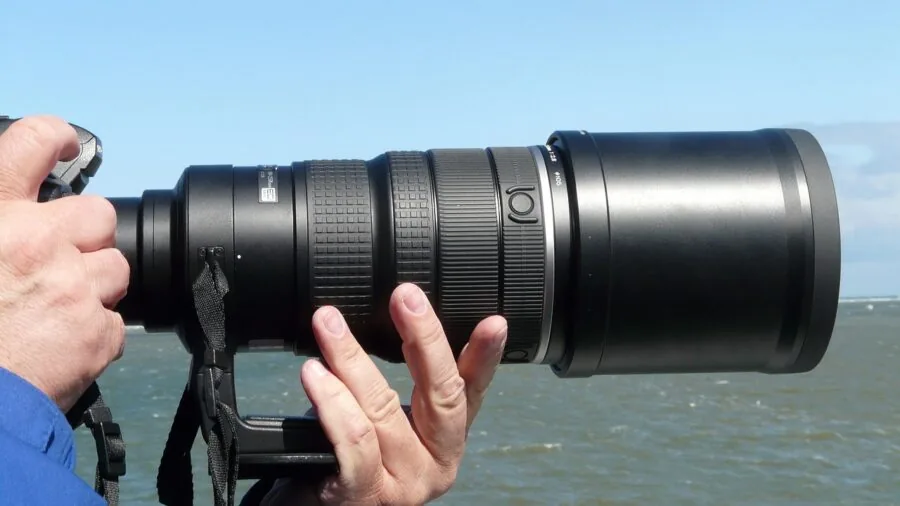
Sony bodies from the A6500 and A7 III onward include in-body image stabilization (IBIS), but optical stabilization in the lens itself adds another layer of correction, particularly for telephoto focal lengths where even small hand movements are magnified.
Sony’s OSS (Optical SteadyShot) and Tamron’s VC (Vibration Compensation) both work cooperatively with IBIS when present, providing effective handheld shooting at slower shutter speeds than would otherwise be possible.
For wide-angle and standard focal lengths on a stabilized body, in-lens stabilization is less critical, and you may not need to pay a premium for it.
For telephoto zoom lenses reaching 200mm or beyond, optical stabilization becomes genuinely important for handheld use, especially in wildlife or travel contexts where a tripod is impractical.
Check whether a lens you are considering includes stabilization and whether it communicates with your specific Sony body for coordinated correction.
Build Quality, Weather Sealing, and Value

Professional Sony G Master lenses feature dust and moisture resistance suitable for shooting in challenging outdoor conditions. Third-party lenses from Tamron also offer weather sealing at more accessible price points, which is worth checking for each specific model.
Budget-oriented options from brands like TTArtisan typically use all-metal barrel construction that feels premium in the hand but may lack formal sealing claims.
Value is ultimately about what you get for what you spend relative to your actual needs.
A premium prime from Sony delivers measurably superior optical performance and build quality, but if you are shooting casual travel photography and uploading to social media, the difference may be invisible at the output size you use.
Conversely, if you print large, deliver images professionally, or need reliable AF in demanding conditions, paying for a higher-tier optic is an investment that pays back over years of use.
Consider the total cost of ownership, including resale value, which tends to be strong for Sony G and G Master glass.
Why You Should Trust Us
REMOVU is an independent review platform with no affiliation to any camera brand, retailer, or lens manufacturer. Every product in this guide was evaluated and scored using our consistent REMOVU Score methodology, rated on a scale of 0 to 10.
Our assessments draw on a structured synthesis of published optical specifications, expert review consensus from imaging publications and videography communities, and verified buyer feedback across multiple purchasing platforms.
We do not conduct our own product trials; our evaluations are grounded in research, published data, expert review consensus, and verified buyer feedback.
Each lens is assessed against the same set of criteria, including optical performance, autofocus reliability, build quality, stabilization effectiveness, compatibility, and value relative to alternatives in its category.
This consistency allows you to compare scores meaningfully across very different products, from an affordable manual prime to a professional-grade telephoto zoom. REMOVU may receive an affiliate commission if you purchase through a link in this article.
That commercial relationship has no influence whatsoever on our scores, rankings, or editorial selections. Products are ranked on merit, not margin.
Final Thoughts
The Sony E-mount ecosystem rewards careful selection. Whether you are assembling a first kit or filling a specific gap in an established bag, every lens in this guide was chosen because it earns its place against consistent criteria.
Here are our standout picks by category, each linked directly so you can read the full card detail above.
- Best Overall: Sony FE 24-70mm F2.8 GM earns the top spot in this guide with the highest REMOVU Score in the group. It combines a constant f/2.8 aperture across a universally useful zoom range with G Master-level optical engineering, making it the single most versatile professional lens in the Sony lineup for photographers who demand the best from their full-frame kit.
- Best Prime for Full-Frame: Sony FE 50mm F1.4 GM is the sharpest, fastest 50mm native to the E-mount and earns a REMOVU Score that places it just below the zoom king. Its f/1.4 aperture and G Master construction make it the standard prime to own if you shoot portraits or low-light subjects and want the best optical output money can buy at this focal length.
- Best Value Prime: Sony FE 50mm F1.8 is the entry point for fast full-frame primes on E-mount and scores remarkably well for its budget-friendly price tier. Compact, light, and optically capable, it is the lens most photographers should buy first when stepping beyond the kit zoom.
- Best for Wildlife and Sports: Sony FE 200-600mm F5.6-6.3 G OSS is the definitive native super-telephoto zoom for Sony shooters who need serious reach. Its REMOVU Score reflects strong optical quality, built-in OSS, and weather sealing, making it a credible professional tool for bird and wildlife photographers.
- Best Third-Party Zoom: Tamron 28-75mm F/2.8 Di III VXD G2 delivers constant f/2.8 performance with an impressively close minimum focus distance at a price point well below Sony’s own f/2.8 zoom, earning a strong REMOVU Score that reflects its outstanding value proposition for travel and event photographers.
- Best Budget Manual Prime: TTArtisan 25mm F2 offers a genuinely affordable entry into wide-angle APS-C shooting for Sony E-mount bodies. For photographers who enjoy manual focus workflows or are learning the craft on a tight budget, it delivers a full-metal build and usable wide-aperture performance at a fraction of the cost of AF alternatives.
If you are still building out your camera setup, our cameras and photo hub covers every major category, from tripods and gimbals to flashes and lighting.
For photographers who also want to capture moving subjects in demanding conditions, action cameras offer a complementary shooting tool worth considering alongside a mirrorless kit.
Frequently Asked Questions
Which Sony lens is best for portrait photography?
For full-frame portrait work, fast prime lenses in the 50mm to 85mm range are the traditional choice, offering the combination of subject-flattering compression and shallow depth-of-field that separates a portrait from a snapshot.
The Sony FE 50mm F1.4 GM stands out here for its exceptional sharpness wide open and smooth background rendering.
Photographers on a tighter budget who still want a capable portrait lens on full-frame would do well with the Sony FE 50mm F1.8, which performs well above its price tier.
Can I use Tamron lenses on a Sony camera?
Yes. Tamron produces a dedicated lineup of native Sony E-mount lenses that communicate fully with Sony bodies, enabling phase-detection autofocus, IBIS cooperation, and lens correction profiles.
Models like the Tamron 28-75mm F/2.8 G2 and the Tamron 17-70mm F/2.8 for APS-C are designed specifically for the E-mount ecosystem and do not require an adapter.
They represent some of the strongest value propositions in the Sony lens market, consistently earning high scores from reviewers for optical performance relative to their price.
What is the best all-in-one travel zoom for Sony E-mount?
If you want a single lens that can handle the majority of travel situations without changing glass, a high-ratio zoom covering wide to telephoto is the practical solution.
The Tamron 28-200mm F/2.8-5.6 Di III RXD covers an impressively broad range in a relatively compact and lightweight package.
While the variable aperture means it is not the fastest option at the long end, it is one of the most capable and versatile single-lens solutions for Sony full-frame and APS-C shooters who prioritize packing light.
Pairing it with a capable camera drone can also extend your aerial coverage on a trip without significantly adding to your bag weight.
Do I need weather sealing on a lens?
Weather sealing is worth prioritizing if you regularly shoot outdoors in unpredictable conditions, near water, or in dusty environments. Sony G Master lenses and several Tamron options in this guide offer dust and moisture resistance.
For photographers who shoot primarily in controlled indoor settings or only venture out in clear weather, the premium for sealing may not be necessary.
That said, if your camera body is weather-sealed, pairing it with a non-sealed lens creates a weak point in the system. For professional or adventure use, a matched sealed combination is a worthwhile investment in reliability.
Is it worth buying Sony’s own lenses over third-party alternatives?
Sony’s first-party G and G Master lenses are generally considered the benchmark for optical quality, autofocus integration, and build consistency on E-mount.
However, the price premium is significant, and third-party options from Tamron in particular have closed the gap considerably in recent years.
For many photographers, a Tamron constant f/2.8 zoom represents the more rational purchase when optical performance is close and the price difference is substantial.
Sony’s own glass tends to hold resale value better and may offer tighter AF tuning with the latest body firmware.
The right choice depends on your budget, how long you plan to hold the lens, and whether the incremental optical advantage justifies the incremental cost for your type of photography.
Photographers who also rely on quality audio for video work might find it useful to pair their setup with a capable editing laptop for a complete production workflow.
What should a beginner Sony shooter buy as a first lens upgrade?
The single most impactful first upgrade for most Sony beginners is a fast prime in the standard focal length range.
On full-frame, the Sony FE 50mm F1.8 offers a dramatic step up in low-light capability and background separation compared to any kit zoom, at a price that does not require a major commitment.
On APS-C, the Tamron 17-70mm F/2.8 provides a constant fast aperture across a versatile range that suits almost every beginner shooting scenario. Either choice will immediately change what your camera is capable of in real-world conditions.
About the author
Armando covers Wi-Fi routers for REMOVU, balancing speed, range, and features for homes of every size. He helps readers match a router to their space and their devices.