Apple’s iPhone 20 Anniversary Model Gets Supply Chain Upgrade: What Shoppers Need to Know
Apple adapted existing production equipment to build the anniversary iPhone, potentially meaning better stock levels at launch.
 By Eleanor Garcia
Updated August 24, 2026
By Eleanor Garcia
Updated August 24, 2026
Apple’s 20th-anniversary iPhone is taking shape in the supply chain, and the manufacturing approach reveals significant cost savings and design improvements that could affect availability and pricing for consumers. According to industry sources, the company has adapted glass-production equipment originally developed for the iPhone Air to manufacture the curved glass components destined for the anniversary device launching in fall 2027.
Supply Chain Efficiency Reduces Production Costs
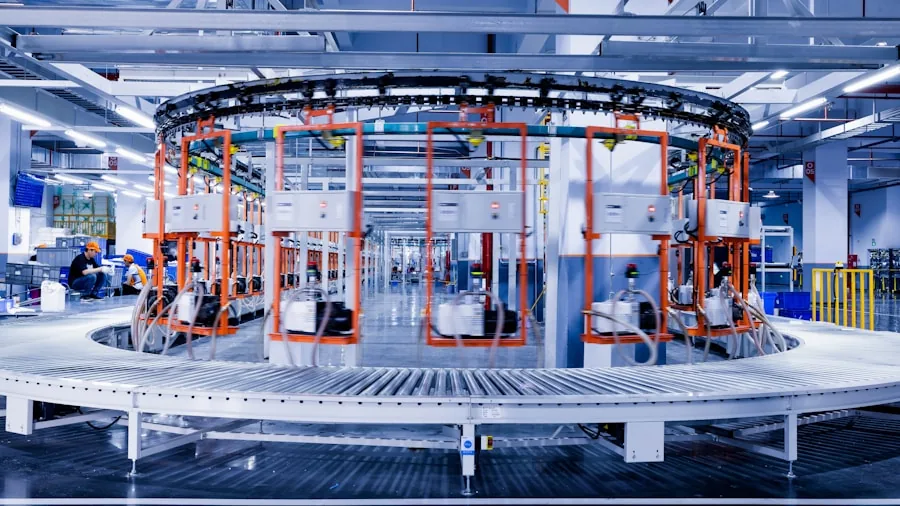
The manufacturing strategy centers on repurposing existing iPhone Air production equipment rather than building entirely new facilities. This approach allows Apple to produce more rounded glass panels while reducing overall manufacturing expenses. The efficiency gains matter to shoppers because cost reductions in production sometimes translate to more competitive retail pricing, though premium design features can offset savings.
A supply chain facility completed major renovations specifically to prepare for the anniversary iPhone’s production run. Manufacturing quality expectations align with first-generation iPhone Air standards, suggesting Apple is targeting consistent build precision across the device.
Design Features Drive Production Changes
The 20th-anniversary iPhone will feature an all-glass curved design wrapping around the entire device without display cutouts, departing from modern notch and Dynamic Island designs. To achieve this aesthetic, engineers modified production equipment to handle more aggressive glass curves than current models. The new manufacturing process improves heat dissipation, meaning the device should run cooler during intensive tasks. Thinness also increased substantially compared to earlier prototypes, potentially making the anniversary model one of Apple’s slimmest flagships despite housing larger internal components.
For reference, the current iPhone Air measures just 5.6 millimeters thick with a titanium frame and glass back. The anniversary edition appears positioned to match or exceed this form factor while incorporating the curved glass design originally envisioned for the model.
What This Means for Your Wallet and Availability
Supply chain optimization typically improves production capacity, meaning broader availability at launch compared to more constrained releases. When manufacturers successfully streamline production, initial wait times shrink and inventory reaches more retailers faster. Shoppers planning to upgrade in late 2027 should expect more stable stock levels than recent flagship launches experienced.
The cost-reduction measures through equipment reuse don’t necessarily indicate lower retail pricing. Apple historically maintains premium positioning on anniversary models, and the engineering effort to achieve this curved all-glass design justifies traditional flagship pricing. However, reduced production friction could minimize the usual six-month supply shortage that often follows major iPhone releases.
For those considering ecosystem integration with your smartphone through connected devices, the anniversary iPhone’s improved thermal management means better performance with simultaneous app usage and smart home control.
Timeline and Model Variants
The 20th-anniversary iPhone arrives after several intermediate releases. The iPhone 18 and iPhone 18e launch this spring, followed by a second-generation iPhone Air variant. This phased rollout gives Apple multiple opportunities to refine manufacturing processes and gather feedback before the anniversary model production ramps up. By spacing releases across 2027, the company can dedicate production capacity to each model without competing for the same equipment or supply chain resources.
Shoppers with existing iPhones need not rush into immediate upgrades. The progression of intermediate models allows time to assess whether the eventual anniversary design appeals to your needs and preferences. Early adopters may still face typical first-batch challenges, so waiting 60-90 days after launch historically provides more stable device performance and firmware maturity.
Glass Manufacturing and Durability
The all-glass construction approach raises questions about durability and repairability. While Gorilla Glass and similar hardened formulations offer resistance to drops and impacts, glass backs have historically proven more fragile than metal frames in accidental drops. For users managing extensive photo libraries and video content, the anniversary iPhone’s curved glass design should support faster wireless transfers due to improved antenna positioning without display cutouts interrupting the metal frame.
Thermal improvements from the redesigned glass manufacturing process directly benefit video recording, particularly for sustained 4K capture at high frame rates. Reduced heat generation means longer recording sessions without thermal throttling interrupting your footage.
Looking Ahead
The supply chain adjustments for Apple’s 20th-anniversary iPhone demonstrate how manufacturing innovation influences consumer experience beyond raw specs. Cost efficiencies allow the company to invest engineering resources into design refinement rather than purely facility expansion. Improved thermal and form factor advantages represent tangible improvements for everyday users.
Monitoring supply chain developments provides insight into which features Apple prioritizes and how production capacity will distribute across its growing iPhone lineup. By fall 2027, shoppers will have clearer data on real-world performance, actual availability windows, and whether the anniversary premium justifies waiting compared to earlier 2027 models.
About the author
Eleanor covers smartphones for REMOVU, balancing cameras, battery life, and software support against price. She helps readers find the best value as the field shifts with every release.