Apple Expands EarPods USB-C Options as AirPods Turn 10 What You Need to Know
Apple now offers EarPods with USB-C connectors, expanding compatibility beyond iPhones to modern Android devices and universal electronics.
 By Valerie Gomez
Updated September 8, 2026
By Valerie Gomez
Updated September 8, 2026
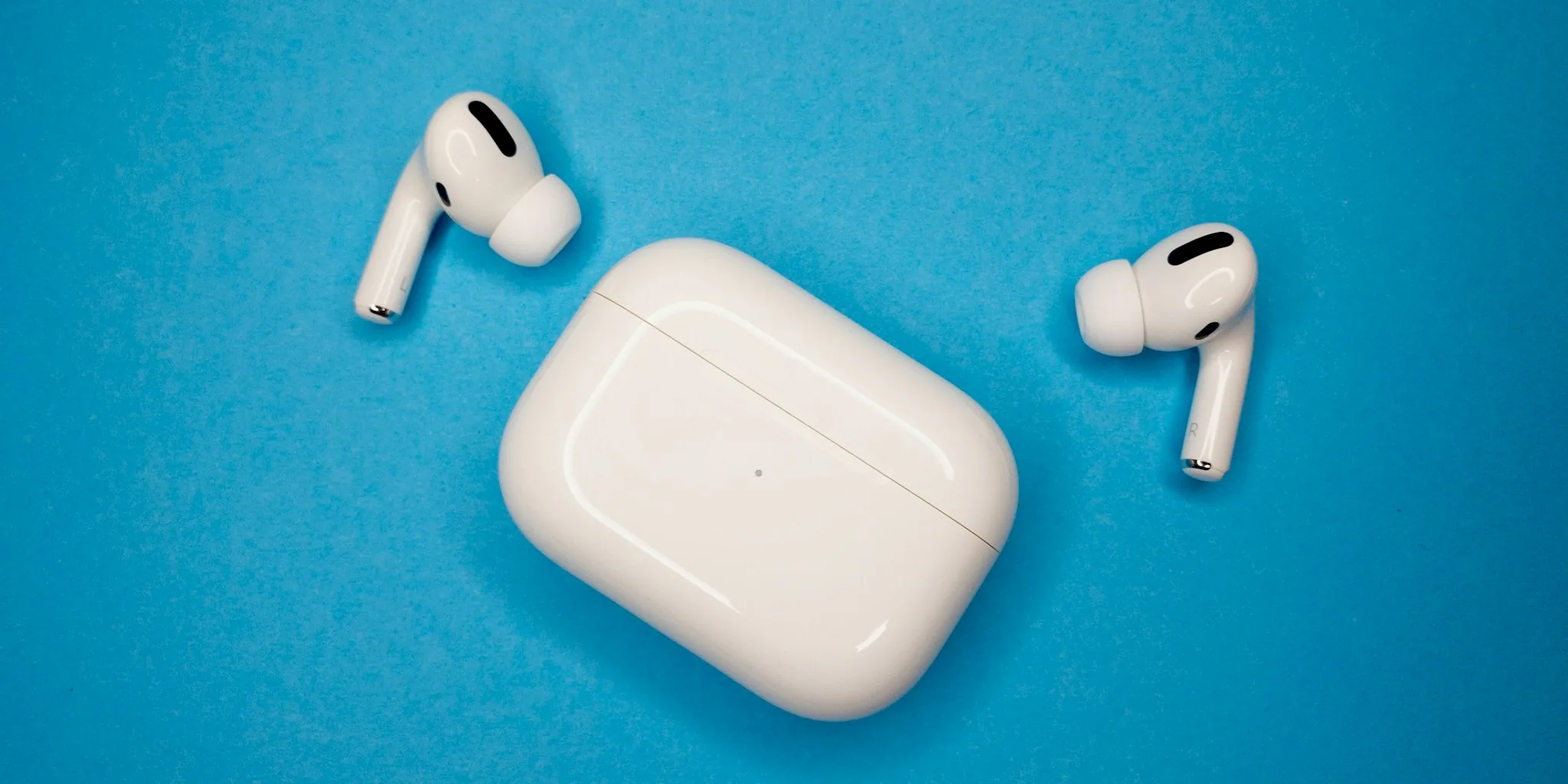
Apple’s wireless headphones just reached a major milestone. The AirPods, first introduced on September 7, 2016, are now celebrating a decade of existence. While the official launch happened in December of that year, the anniversary marks a full ten years of influence on the personal audio market.
When Apple unveiled the original AirPods alongside the iPhone 7 and iPhone 7 Plus, the company made a bold decision that still resonates today: removing the traditional headphone jack from its flagship phones. This move was controversial at the time, but it accelerated the entire industry’s shift toward wireless audio solutions. Today, that decision looks prescient as wireless earbuds have become the standard rather than the exception.
For consumers who still prefer wired options, Apple continues to offer EarPods in multiple connector formats. You can now purchase EarPods with a 3.5mm headphone jack for older devices, a Lightning connector for iPhone compatibility, or a USB-C connector for the widest range of modern electronics. This diversification reflects how the audio accessory market has evolved over the past decade.
The introduction of USB-C versions is particularly significant for today’s shoppers. USB-C has become the universal standard across smartphones, tablets, laptops, and countless other devices. By offering EarPods with USB-C connectors, Apple ensures compatibility with not just current iPhones but also Android devices, iPads, MacBooks, and future hardware that continues to adopt this connector standard. This represents a substantial shift in accessibility compared to Apple’s earlier Lightning-only strategy.
What This Means for Your Audio Purchases
The availability of multiple connector options simplifies the buying decision for different user groups. If you own multiple devices across different ecosystems, USB-C EarPods provide a single purchase that works across most modern gadgets. This approach reduces the need to maintain separate audio solutions for different devices, saving money and reducing clutter.
For anyone shopping for new wired headphones, the existence of USB-C versions eliminates a common frustration point. You no longer need to hunt for adapters or settle for audio solutions that only work with specific devices. The USB-C connector functions as a genuine universal standard that spans manufacturers and device categories.
The broader context matters here as well. While AirPods remain among the most popular wireless earbuds on the market, the ecosystem has matured significantly over ten years. Consumer preferences now lean toward models that offer features like active noise cancellation, spatial audio, longer battery life, and seamless switching between devices. The continued evolution of EarPods alongside this competition shows that Apple remains committed to its wired audio offerings even as wireless dominates the headlines.
The Shift in Connectivity Standards

The journey from Lightning to USB-C in Apple’s accessory line reflects broader industry momentum. USB-C adoption across Apple’s product range, including recent MacBooks and iPads, creates an ecosystem where owning USB-C audio accessories makes practical sense. When you travel with multiple devices, having audio solutions that share the same charging and data connector as your other accessories simplifies your tech bag considerably.
This standardization also matters for consumer choice beyond Apple’s ecosystem. If you use an Android phone, Windows laptop, and an iPad, USB-C EarPods bridge these different platforms seamlessly. The traditional fragmentation of audio connectors across brands and devices created frustration for multi-device users. USB-C represents a genuine step forward in eliminating that friction.
For content creators and professionals who work with high-quality audio equipment, the availability of standardized USB-C connections means easier integration with different recording devices and interfaces. Studios and portable recording setups increasingly rely on USB-C connectivity, making compatible audio accessories more valuable.
Looking Ahead
As Apple celebrates a decade of AirPods, the company faces an interesting challenge. Wireless technology continues to improve, and consumer expectations for battery life, audio quality, and convenience keep rising. Meanwhile, the wired audio market persists for specific use cases: professional applications, preference for always-on audio without charging concerns, and cost considerations for budget-conscious buyers.
The decision to offer EarPods in multiple connector formats demonstrates that Apple recognizes diverse consumer needs. Whether you prefer wireless convenience, wired reliability, or want options that work across multiple devices, the current EarPods lineup accommodates different approaches. The USB-C option particularly signals Apple’s commitment to mainstream standardization over proprietary lock-in.
For shoppers evaluating their audio accessory needs, the existence of these choices means you can make decisions based on your actual use cases rather than feeling forced into a single option. That flexibility represents one of the genuine improvements in consumer technology over the past decade, even as wireless earbuds have captured most of the attention and innovation energy.
About the author
Valerie writes about wireless earbuds for REMOVU, comparing sound, battery life, call quality, and fit. She helps readers find the right pair from budget buds to premium ANC.