Also TM-B E-Bike Delays What Shoppers Need to Know About USB-C Charging and Supply Chain Issues
Supply chain pressures and regulatory hurdles push the futuristic USB-C e-bike further out.
 By Ava Herrera
Updated September 8, 2026
By Ava Herrera
Updated September 8, 2026
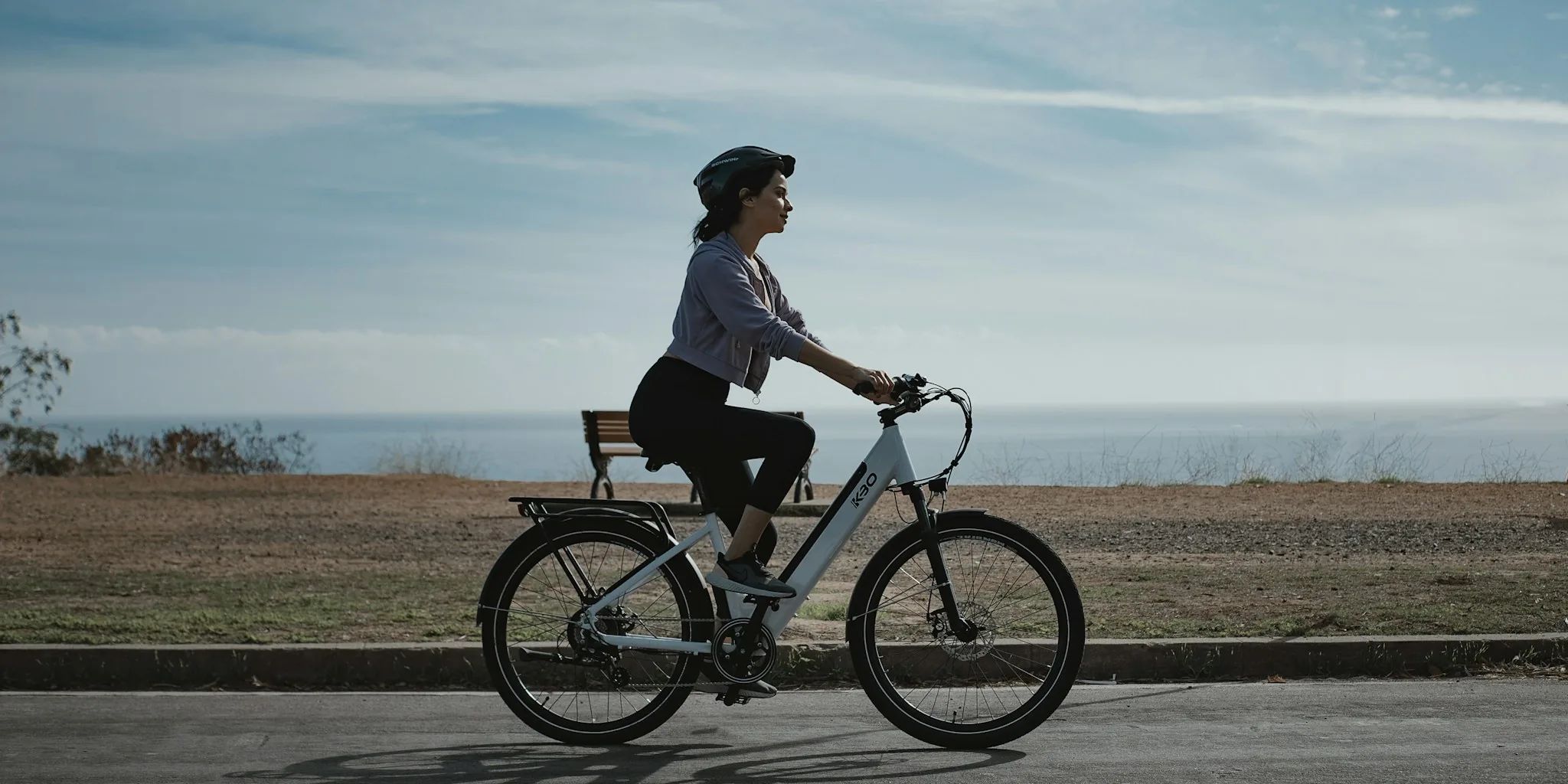
Rivian’s Also spinoff has pushed back delivery timelines for its highly anticipated TM-B electric bike, disappointing customers who have been waiting months for the futuristic two-wheeler to arrive. Originally promised for spring 2026, then summer 2026, the TM-B still hasn’t reached any buyers as fall approaches. The company recently broke its silence on Reddit to explain the causes behind the delays and what it means for those with pre-orders.
What Makes the TM-B Different
The TM-B generated significant excitement when Also first revealed it because of its innovative feature set. Unlike traditional e-bikes, this model combines several cutting-edge technologies: a software-controlled drivetrain called DreamRide, a removable seat post for portability, and notably, USB-C charging capability for the battery pack. The bike offers two battery options, a 538Wh configuration and a larger 808Wh pack, both promising up to 100 miles per charge.
The pedal-by-wire system represents perhaps the most unconventional aspect of the design. Rather than a mechanical chain connecting the pedals to the rear wheel, riders pedal a generator motor that recharges the battery while a separate traction motor at the rear wheel handles propulsion through a Gates Carbon belt drive. This approach allows for precise software control over power delivery and responsiveness.
Supply Chain Challenges Drive the Delays
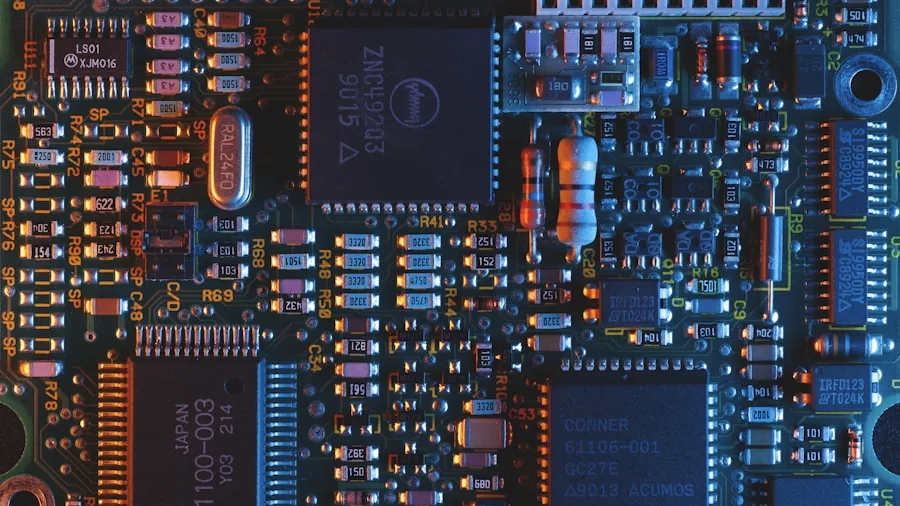
In a lengthy letter to frustrated customers, Also’s product manager Saul Leiken attributed the production bottleneck to widespread supply chain constraints affecting semiconductor and circuit board availability. The artificial intelligence boom has created intense demand for printed circuit boards and integrated circuits, making it difficult for Also’s team to source these components in sufficient quantities.
When preferred materials became unavailable, Also’s engineers had to identify and test alternative components that deviate from the original specifications. This substitution process requires extensive engineering validation to ensure the new materials perform reliably and safely. The company prioritized quality assurance over meeting artificial deadlines, choosing not to rush products to market that might fail or underperform.
Battery Power Delivery Creates Regulatory Hurdles
The TM-B’s 240W power delivery capability, while impressive for rider performance, exceeds current safety and testing standards established by regulatory bodies. Also is working directly with standards organizations to develop new protocols that account for this higher power output while maintaining consumer safety. This collaborative process with regulators cannot be expedited without compromising safety compliance, extending the timeline further.
The USB-C charging system, while convenient for users who already carry USB-C cables and chargers, adds another layer of complexity to battery management and safety certification. USB-C technology continues to evolve across consumer electronics, and Also must ensure its implementation meets all applicable electrical and thermal safety requirements before shipping units to customers.
Manufacturing Precision Requirements
The DreamRide pedal-by-wire system demands exceptionally high precision during manufacturing. Unlike conventional mechanical drivetrains that tolerate minor variations, a software-controlled system requires tight tolerances to function properly and safely. Each component must be manufactured to exacting specifications, and the integration between the crank generator, battery management system, and rear motor controller involves complex calibration. This complexity necessarily slows production ramp-up compared to simpler bike designs.
Leiken acknowledged in his statement that Also could have been more transparent about these manufacturing realities from the beginning. The company underestimated how the technological sophistication of the TM-B would complicate the path to production, and communication with reservation holders suffered as a result.
What This Means for Buyers
Shoppers who have reserved a TM-B should expect continued waiting, though Also has committed to maintaining its quality standards rather than delivering substandard units. The extended timeline reflects a deliberate choice to prioritize reliability and safety over speed to market. For prospective buyers still considering whether to reserve one, understanding that feature-rich, innovative products often face unforeseen manufacturing obstacles can help set realistic expectations.
The supply chain pressures affecting the TM-B extend across the consumer electronics industry. Other tech products have similarly experienced delays due to component shortages, so this situation is not unique to the e-bike sector. As semiconductor availability gradually improves and regulatory frameworks adapt to accommodate advanced power delivery systems, production should eventually accelerate.
Also’s transparency about the challenges it faces, though late, demonstrates a commitment to honesty with customers. The company chose not to cut corners on a product that represents the future of electric mobility, even when doing so meant disappointing early supporters. For those willing to wait, the TM-B promises genuinely innovative features that could reshape how people think about electric bikes.
About the author
Ava is REMOVU's laptop writer, balancing speed, battery life, and build quality against price across the whole range. She helps readers find the sweet spot as each new chip shifts what a dollar buys.