The 8 Best Smart TVs
Choosing a smart TV means navigating OLED, QLED, and Mini LED panel types, gaming features, and streaming platforms. Our research surfaces the models that genuinely deliver.
 By Shane Wheeler
Updated July 26, 2026
By Shane Wheeler
Updated July 26, 2026

Picking the right smart TV has never been more complicated or more rewarding.
Manufacturers now pack their panels with AI upscaling, next-generation panel technology, and deeply integrated streaming platforms, yet the spec sheets can feel overwhelming when you are standing in front of a wall of screens at the store.
Whether you are upgrading a living room setup, outfitting a home theater, or simply replacing an aging display, the panel you choose will shape how you watch, game, and listen for the next several years.
REMOVU researched dozens of models across OLED, QLED, and LED categories, analyzing published specifications, expert review consensus, and verified buyer feedback to surface the picks that deliver real-world value at every price point.
From Sony’s flagship Mini LED powerhouses to budget-friendly TV and home theater options that punch well above their weight, the eight models below represent the strongest choices available right now. Read on for our top picks.
| Award | Product | REMOVU Score About REMOVU ScoreThe REMOVU Score is our own rating from 0 to 10, based on performance, design and build, ease of use, and value. It reflects independent research and is never influenced by manufacturers, retailers, or affiliate commissions. Learn more › | Price | |
|---|---|---|---|---|
| Best Overall |
 Sony K-65XR50 65-Inch Mini LED 4K Smart TV
|
8.9/10 | Buy | |
| Best Premium |
 Sony BRAVIA XR8B 55-Inch OLED 4K Smart TV
|
8.6/10 | Buy | |
 LG OLED65B4PUA 65-Inch OLED TV with AI Processor
|
8.4/10 | Buy | ||
| Best Budget |
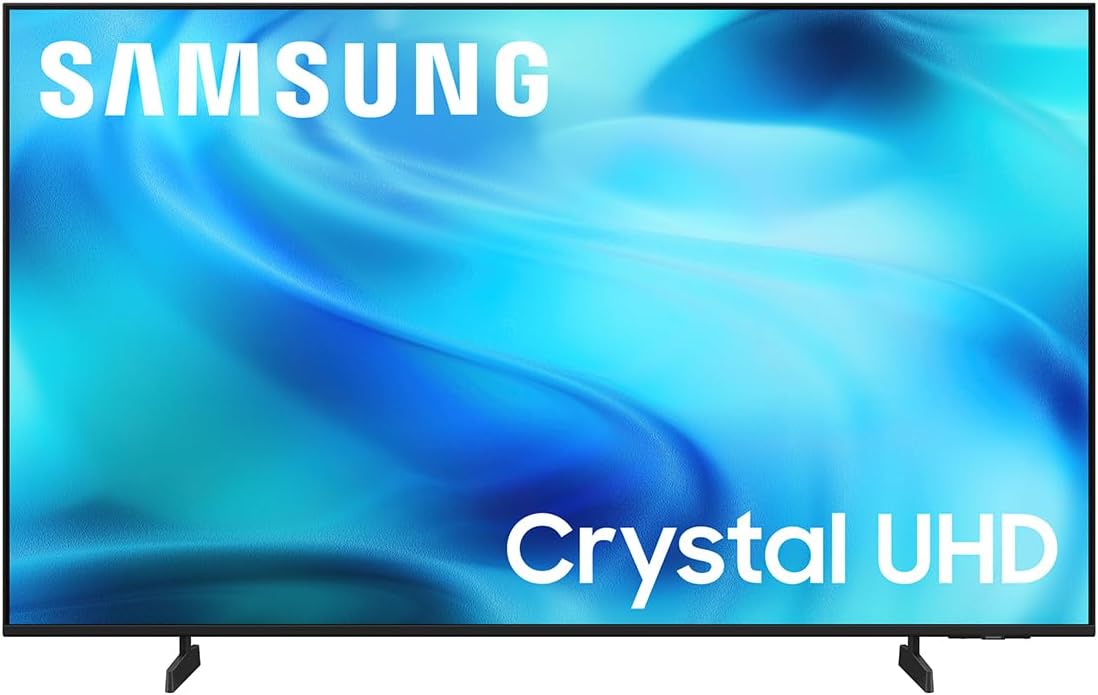 Samsung 65U8000H 65-Inch Crystal UHD Smart TV
|
6.5/10 | Buy | |
 Sony K-65S30 BRAVIA 3 65-inch 4K LED Smart TV
|
7.1/10 | Buy | ||
| Best Value |
 Roku 65-Inch Select Series 4K QLED TV
|
7.1/10 | Buy | |
 Roku 40-Inch Select Series 1080p Smart TV
|
6.2/10 | Buy | ||
 Insignia 65-inch F50 4K Smart Fire TV
|
6.2/10 | Buy |
Sony K-65XR50 65-Inch Mini LED 4K Smart TV
Sony's BRAVIA 5 brings cinema-quality visuals to your living room with Mini LED precision and AI-powered upscaling. The 65-inch model delivers exceptional brightness and contrast alongside Google TV's comprehensive streaming ecosystem, making it ideal for movie enthusiasts and PS5 gamers who demand studio-calibrated picture modes.
Pros
- Mini LED backlighting with XR Backlight Master Drive delivers precise brightness control and deep blacks
- XR Processor with AI technology intelligently enhances color, contrast, and clarity in real-time across all content
- Google TV integration with 700,000+ movies and TV episodes plus voice control via Google Assistant
- Studio-calibrated picture modes optimized for Netflix, Prime Video, and Sony Pictures Core
- PS5-optimized gaming features including Auto HDR Tone Mapping and 120Hz refresh rate support
- Includes movie credits through Sony Pictures Core app for instant access to premium content
Cons
- Premium pricing positions it above entry-level 4K TVs without significant differentiation from BRAVIA 7 QLED in brightness specs
- Requires optional BRAVIA CAM (sold separately) for video chat functionality
- Acoustic Multi-Audio speaker system may benefit from external soundbar pairing for true cinema-like sound experience
Sony BRAVIA XR8B 55-Inch OLED 4K Smart TV
Sony's flagship OLED delivers cinema-grade picture quality with precise pixel control, vibrant color accuracy, and studio-calibrated modes designed for filmmakers' intent. Google TV integration and PS5 optimization make it versatile for streaming and gaming, while Dolby Vision and Atmos support create genuinely immersive audio-visual experiences. Best suited for home theater enthusiasts who prioritize picture fidelity and want a feature-rich smart platform.
Pros
- Self-lit OLED pixels produce deep blacks and high contrast with exceptional clarity in both dark and bright scenes
- XR Processor with AI enhances color, contrast, and detail in real-time across all content types
- Google TV consolidates 700,000+ movies, TV episodes, and 800+ live channels with voice control via Google Assistant
- Exclusive PS5 features including Auto HDR Tone Mapping and Auto Genre Picture Mode optimize gaming visuals
- Acoustic Surface Audio+ delivers immersive sound directly from the screen, matching action on-screen
- Studio Calibrated Picture Modes for Netflix and Prime Video ensure creator-intended color grading
Cons
- Premium pricing positions this as a high-end investment rather than budget-friendly option
- Acoustic Surface Audio+, while innovative, may not match dedicated external sound systems for serious audiophiles
- Additional accessories like BRAVIA CAM and compatible soundbars require separate purchases to unlock full feature set
LG OLED65B4PUA 65-Inch OLED TV with AI Processor
LG's 2024 B4 OLED delivers cinema-quality picture through 8.3 million self-lit pixels and the α8 AI Processor, which automatically optimizes content for your viewing. Built for gamers with 0.1ms response time, 120Hz native refresh rate, and four HDMI 2.1 ports, it also excels for everyday streaming with webOS 24 and 300+ free LG Channels. Best suited for those seeking premium OLED performance without stepping up to higher-tier models.
Pros
- Exceptional OLED picture quality with perfect blacks and 100% color volume and fidelity across 8.3 million self-lit pixels
- Strong gaming credentials: 0.1ms response time, native 120Hz refresh rate, G-Sync, FreeSync Premium, and four HDMI 2.1 inputs
- AI-driven picture optimization through α8 AI Processor detects content type and auto-adjusts settings
- Comprehensive audio and video standards including Dolby Vision, Dolby Atmos, and Filmmaker Mode
- Practical software ecosystem with webOS 24, 300+ free channels, and 5 years of software updates via webOS Re:New
Cons
- AI picture optimization may not suit purists who prefer manual control over automatic adjustments
- Requires internet connection and streaming service subscriptions to fully leverage webOS 24 and LG Channels
- Premium OLED pricing means it's positioned as a significant investment compared to LED alternatives
Samsung 65U8000H 65-Inch Crystal UHD Smart TV
Samsung's 2026 65-inch Crystal UHD delivers sharp 4K visuals powered by a dedicated processor that enhances color and upscales lower-quality content. Built-in motion optimization suits sports and gaming fans, while 2,700+ free streaming channels reduce subscription fatigue. Best for viewers seeking a feature-rich smart TV without breaking the bank on premium models.
Pros
- Crystal Processor with 4K upscaling sharpens details and colors across all content types
- Motion Xcelerator smooths gaming and sports at up to 4K 60Hz for clearer action sequences
- Massive free content library with 750+ subscription-free channels via Samsung TV Plus
- Color Booster intensifies on-screen hues for more vibrant visuals
- Solid 4.4-star rating from 413 verified buyers
Cons
- Samsung Account required to unlock smart features and streaming apps, creating an extra setup barrier
- Free content channels vary by location and are subject to change without notice
- No details on native refresh rate, panel type, or input lag for competitive gamers
Sony K-65S30 BRAVIA 3 65-inch 4K LED Smart TV
A feature-rich 4K LED TV that combines Google TV integration with cinema-grade picture processing. The Triluminos Pro color engine and 4K X-Reality PRO upscaling deliver vibrant visuals across all content, while Dolby Vision and Dolby Atmos support elevates movies and gaming. Best suited for streamers and PS5 owners who want all-in-one entertainment without needing separate devices.
Pros
- Extensive smart TV ecosystem with 700,000+ movies/shows across 10,000+ apps and 800+ live TV channels via Google TV
- Strong picture processing with 4K HDR Processor X1, Triluminos Pro color accuracy, and 4K X-Reality PRO upscaling for near-4K quality from HD content
- PlayStation 5 optimization with Auto HDR Tone Mapping and Auto Genre Picture Mode for gaming-focused picture tuning
- Included SONY PICTURES CORE credits (5 new releases, 12-month classics subscription) adds immediate entertainment value
- Multiple streaming options with Chromecast built-in and AirPlay 2 support for device flexibility
Cons
- LED panel technology lacks the contrast and black levels of premium OLED alternatives
- X-Balanced Speakers are adequate but may require external soundbar for truly immersive cinema experience
- Optional BRAVIA CAM sold separately, adding cost for video chat functionality
Roku 65-Inch Select Series 4K QLED TV
Roku's Select Series brings 4K QLED picture quality and the brand's famously intuitive smart TV interface to a mid-range price point. The 65-inch flat screen combines sharp detail with accurate colors, while built-in access to 500+ free live TV channels means you can start watching immediately. Best for streamers who value simplicity and want solid picture performance without premium pricing.
Pros
- 4K QLED panel with HDR10+ delivers bright, accurate colors and sharp detail across a large 65-inch screen
- Free live TV access with 500+ channels built into the home screen, no subscription required
- Roku's streamlined smart interface makes app navigation and content discovery fast and intuitive
- Bluetooth headphone mode lets you watch without disturbing others in the house
- Enhanced voice remote with lost remote finder and hands-free control adds convenience
Cons
- Wi-Fi 5 connectivity instead of Wi-Fi 6 found on higher-end models may impact performance with multiple devices
- Direct-lit backlight lacks the advanced local dimming precision of Mini-LED panels in pricier Roku lines
- Limited HDR support compared to Pro Series, which includes Dolby Vision IQ
Roku 40-Inch Select Series 1080p Smart TV
A budget-friendly streaming TV that prioritizes simplicity over cutting-edge specs. The 1080p Full HD panel, Roku OS integration, and voice remote make it accessible for bedrooms, kitchens, or secondary rooms where premium picture quality isn't the priority. Best suited for viewers who value ease of use and free streaming content over 4K resolution.
Pros
- Straightforward Roku interface with fast app launching and customizable home screen
- 500+ free live TV channels built in, plus access to thousands of streaming apps
- Voice remote with push-to-talk and TV control shortcuts simplifies navigation
- Auto speech clarity and night mode enhance audio for dialogue-heavy content
- Bluetooth headphone mode allows wireless audio output for late-night viewing
Cons
- 1080p resolution is a generation behind; no HDR support limits picture depth on newer content
- Basic direct-lit backlighting lacks the local dimming found in higher tiers, affecting contrast
- Wi-Fi 5 and no Ethernet option on this size may struggle with consistent 4K streaming elsewhere in the lineup
Insignia 65-inch F50 4K Smart Fire TV
This 65-inch 4K LED TV bundles Fire TV directly into the set, giving you instant access to Prime Video, Netflix, Disney+, and over a million free ad-supported titles without extra hardware. HDR10 and DTS Virtual-X sound deliver solid picture and audio quality for the price, while Alexa voice control and smart home integration add practical convenience. Best suited for viewers prioritizing streaming ease and content variety over premium picture performance.
Pros
- Fire TV built-in eliminates the need for a separate streaming device
- 4K HDR10 with upscaling brings sharper detail and better contrast than 1080p alternatives
- Extensive free content library through Fire TV Channels, Tubi, and Pluto TV
- Smart home hub functionality lets you control compatible devices and view camera feeds
- Full connectivity suite includes 3 HDMI ports, eARC support, optical output, and Ethernet
Cons
- LED display technology lacks the contrast and color depth of QLED or OLED competitors
- DTS Virtual-X sound is simulated surround, not true multi-speaker audio
- No mention of refresh rate or motion handling specs, suggesting standard 60Hz performance for gaming
Smart TVs Buying Guide
A smart TV purchase is one of the most personal electronics decisions you will make. Screen size, panel technology, room lighting, gaming habits, and audio expectations all factor into which model will actually satisfy you day to day.
The sections below break down the criteria that matter most, in plain language, so you can match specifications to your real-world needs rather than marketing copy.
Panel Technology: OLED vs. QLED vs. LED

Panel technology is the single biggest determinant of picture quality. OLED screens use self-emitting pixels that switch off entirely for true blacks and near-infinite contrast, making them exceptional for dark-room viewing and cinematic content.
The trade-off is that OLED panels are more expensive and can sustain image retention if static elements sit on screen for extended periods, though modern sets include mitigation features that largely address this concern.
QLED displays use a quantum dot filter over a traditional LCD backlight, which boosts color volume and peak brightness significantly compared with standard LED sets. They excel in bright living rooms where ambient light would wash out an OLED.
Mini LED backlights, as found in Sony’s BRAVIA 5 line, add thousands of individually dimmed zones that close the contrast gap with OLED while pushing peak brightness even higher, a genuine leap for HDR-intensive content like sports and streaming blockbusters.
Standard LED and LCD panels remain the most affordable option and still deliver sharp 4K images for casual viewers.
If most of your watching happens in a well-lit room and you prioritize value over absolute picture performance, a well-specified LED set from a reputable brand is entirely defensible.
Pair your new display with a capable Dolby Atmos soundbar to complete the home theater experience, since built-in TV speakers rarely do justice to the images on screen.
Resolution and HDR Support

For any screen 40 inches and above, 4K resolution (3840 x 2160) is effectively the baseline worth considering in 2026.
The increased pixel density over 1080p becomes clearly visible at normal viewing distances, and the overwhelming majority of streaming platforms now deliver 4K content natively.
Smaller screens, like a 40-inch 1080p panel used as a secondary bedroom TV, remain practical when budget is the primary constraint.
HDR formats shape how color and brightness information is rendered on screen. Dolby Vision is the most sophisticated standard, using dynamic metadata to optimize each scene individually. HDR10 is universal and supported by virtually every modern streaming service.
HDR10+ and HLG cover additional bases for broadcast and streaming. Look for Dolby Vision support if you watch a lot of Netflix, Apple TV+, or Disney+ content, as those platforms deliver Dolby Vision streams on compatible hardware.
Dolby Atmos on the audio side complements Dolby Vision on the video side, delivering object-based surround sound that feels more immersive than standard surround mixes.
Most flagship sets now support both, but check whether pass-through to your soundbar is fully supported at the HDMI eARC port before assuming the full experience will be available.
Refresh Rate and Gaming Performance
Refresh rate measures how many frames per second a panel can display. A 120 Hz native refresh rate is the meaningful threshold for gaming and fast sports content.
At 120 Hz the motion blur that plagues 60 Hz panels during action scenes essentially disappears, and fast-moving games become dramatically more responsive.
If you own or plan to own a PlayStation 5 or Xbox Series X, a 120 Hz panel with HDMI 2.1 bandwidth is effectively a requirement to access those consoles at their full visual potential.
Variable Refresh Rate (VRR) technology, including HDMI Forum VRR and AMD FreeSync, synchronizes the TV’s refresh rate with the output of a connected console or PC, eliminating screen tearing without the input lag penalty of traditional V-Sync.
Auto Low Latency Mode (ALLM) automatically switches the TV into its lowest-latency game mode the moment a compatible gaming device is detected. Both features are now standard on mid-range and above sets.
If gaming is central to your use case, look for dedicated gaming dashboards, which Sony and Samsung both offer, to surface and tweak all these settings in one place.
You may also want to browse our gaming headsets for PS5 picks to round out your setup.
Be cautious of manufacturer claims around “motion enhancement” or “effective” refresh rates that imply 240 Hz or higher performance from a 120 Hz native panel. These figures are derived from motion interpolation processing, not native hardware.
While motion smoothing can help certain content, it introduces the notorious soap opera effect on film and drama, and most enthusiasts disable it. Focus on native refresh rate specifications.
Smart Platform and Voice Assistant Integration

The smart platform is the operating system your TV runs every day, so usability matters as much as picture quality.
Google TV, used by Sony’s BRAVIA lineup, aggregates content recommendations across services, integrates tightly with Google Home devices, and supports the Google Assistant natively.
LG’s webOS is widely praised for its fast, clean interface and the Magic Remote’s intuitive point-and-click navigation. Samsung’s Tizen powers the Vision AI lineup with strong app selection and deep Samsung ecosystem integration including SmartThings compatibility.
Roku OS, found on Roku-branded sets, is arguably the simplest and most universally compatible smart TV platform available.
It carries no manufacturer ecosystem bias, loads quickly, and surfaces free ad-supported content through The Roku Channel alongside every major paid streaming service.
If you find manufacturer smart TV interfaces cluttered or slow, a Roku TV can simplify your daily experience considerably.
Amazon’s Fire TV platform, built into Insignia sets, similarly prioritizes content discovery and integrates natively with Alexa voice control and Amazon Prime Video.
Voice assistant integration ranges from basic search to full smart home control depending on the platform.
Alexa Built-in, available on LG B4, Samsung U8000H, and Insignia F50 models in this guide, lets you control smart home devices, check calendars, and search content without picking up a remote.
Google Assistant on Sony sets handles similar tasks and connects naturally to Android phones and Google Home ecosystems. Pair your TV with one of the smart speakers under $50 worth buying to extend voice control throughout the room.
Connectivity and Port Layout
Port selection determines how future-proof your purchase will be. HDMI 2.1 supports 4K at 120 Hz, 8K at 60 Hz, and full-bandwidth VRR, making it essential for current-generation gaming consoles and high-end graphics cards.
Flagship sets typically offer two to four HDMI 2.1 ports; entry-level sets may offer only HDMI 2.0, which caps bandwidth at 4K 60 Hz.
If you plan to connect a gaming console, a streaming stick, a soundbar via eARC, and a Blu-ray player simultaneously, count your available HDMI slots before purchasing.
You can browse Blu-ray players in our home theater section to find a compatible disc player for your setup.
USB ports are useful for playing media files directly from a flash drive or for powering a streaming stick if you plan to add one later. eARC (Enhanced Audio Return Channel) on a designated HDMI port enables lossless audio pass-through to a soundbar or AV receiver, preserving the full Dolby Atmos or DTS:X bitstream.
Without eARC, some audio formats are downmixed, which matters if you invest in a capable audio system.
Wi-Fi 5 or Wi-Fi 6 is standard on current sets; a wired Ethernet port is worth using if your router is nearby, as it provides more consistent bandwidth for 4K streaming.
Screen Size and Room Fit

Screen size should be matched to viewing distance and room dimensions, not just personal preference for the largest possible panel.
A general guideline for 4K sets is to sit at a distance of roughly 1 to 1.5 times the screen’s diagonal measurement to resolve the full 4K pixel density without being able to discern individual pixels.
A 65-inch TV works well at roughly 8 to 10 feet; a 55-inch panel suits rooms where seating is closer to 6 to 8 feet away.
Room lighting also affects which size and panel type works best. Brighter rooms benefit from higher peak brightness, which plays to QLED and Mini LED panels over OLED.
Dedicated home theaters with controlled lighting are where OLED’s perfect blacks and wide viewing angles truly shine.
If your seating arrangement spans a wide angle from the center of the screen, OLED and IPS-type LCD panels hold their color accuracy better than VA-type LCDs, which shift visibly at off-axis viewing positions.
For secondary rooms or smaller spaces, a compact 40-inch 1080p set at an accessible price point can be a sensible choice rather than oversizing the display for the room.
A projector is worth considering for truly large-screen home cinema setups where a flat panel above 85 inches would strain the budget.
Why You Should Trust Us
REMOVU is an independent review publication with no affiliation to any manufacturer, retailer, or streaming service.
Every product in this guide was evaluated against a consistent set of criteria and assigned a REMOVU Score on a 0 to 10 scale reflecting picture quality, smart platform usability, gaming performance, connectivity, and overall value.
We do not conduct our own product trials; our evaluations are grounded in research, published data, expert review consensus, and verified buyer feedback.
Our scoring methodology draws on published manufacturer specifications, aggregated expert review consensus from across the display industry, and verified buyer feedback from confirmed purchasers.
Where reviewers or buyers flag consistent real-world issues, such as backlight uniformity variance, app loading speed, or remote reliability, those signals are factored into the final REMOVU Score alongside objective specification analysis.
No brand receives preferential treatment regardless of product tier or price point.
REMOVU may earn an affiliate commission if you purchase through a link in this guide. That commercial relationship has no influence on which products are included, how they are ranked, or what scores they receive.
Recommendations are made solely on the basis of research quality and assessed value to the reader. If a product does not merit inclusion, it is not included regardless of any commercial consideration.
Final Thoughts
After comprehensive research across panel types, price tiers, and use cases, these eight smart TVs represent the strongest options available in 2026. Here are our standout picks, each earning a recognized category distinction based on REMOVU Score and assessed real-world performance.
- Best Overall: Sony 65 Inch BRAVIA 5 Mini LED 4K HDR Smart Google TV (K-65XR50). The highest REMOVU Score in this group, combining XR Processor AI upscaling, XR Backlight Master Drive Mini LED technology, 120 Hz native refresh, and full Dolby Vision/Atmos support into the most well-rounded package available at its tier.
- Best OLED Pick: Sony 55 Inch BRAVIA XR8B OLED 4K HDR Smart Google TV (K-55XR8B). Sony’s OLED flagship earns its distinction through XR Processor AI processing, exclusive PlayStation 5 features, and Dolby Vision/Atmos support, delivering a picture quality that routinely impresses display critics and verified buyers alike.
- Best OLED for Value: LG 65-Inch Class OLED B4 Series Smart TV (OLED65B4PUA). The B4 remains the benchmark entry point for serious OLED performance, offering a 65-inch self-emitting panel with LG’s refined webOS platform and Magic Remote at a price that makes the step up from LED genuinely accessible.
- Best Budget Large-Screen Pick: Roku 65-Inch Smart TV 2026 (Select Series, 4K QLED). Quantum dot color combined with Roku’s famously clean and fast operating system makes this the most capable large-screen option for buyers who want genuine QLED picture quality without premium pricing.
- Best for Everyday Viewing on a Tight Budget: Insignia 65-inch Class F50 Series LED 4K UHD Smart Fire TV (NS-65F501NA26). Insignia’s Fire TV integration delivers a straightforward Alexa-powered smart TV experience at the lowest price in this guide, making it a practical choice for secondary rooms or first-time smart TV buyers watching their spend.
Whichever direction your priorities point, from reference-grade OLED picture quality to a reliable budget screen for a spare room, the picks above cover the meaningful decision points.
If audio is your next priority after choosing a display, our Dolby Atmos soundbars guide covers the pairing options most worth considering.
Frequently Asked Questions
What is the difference between OLED and QLED smart TVs?
OLED panels use organic self-emitting pixels that turn completely off to produce true black levels, resulting in outstanding contrast and vibrant color in controlled lighting.
QLED uses a quantum dot layer over an LED backlight to boost brightness and color volume, which makes it better suited to bright rooms.
Mini LED backlights narrow the contrast gap between the two technologies by adding thousands of independent dimming zones. Neither technology is universally superior; the right choice depends on your room environment and content preferences.
Do I need a 120 Hz TV for gaming?
If you own a PlayStation 5 or Xbox Series X, a 120 Hz native refresh rate panel with HDMI 2.1 connectivity is strongly recommended to access those consoles at their full performance potential.
For casual gaming on older consoles or PC gaming at moderate frame rates, a 60 Hz panel can still deliver a satisfying experience.
VRR support is the additional feature that makes the biggest practical difference for gamers on current-generation hardware, eliminating screen tearing without the latency penalty of traditional synchronization methods.
Gamers who also use headsets should check our PS5 gaming headsets picks for compatible audio options.
Which smart TV platform is easiest to use?
Roku OS consistently earns the highest marks for simplicity and speed across verified buyer feedback pools. It carries no manufacturer ecosystem bias and surfaces both paid and free content from a clean, fast home screen.
Google TV is the strongest choice for Android phone users and Google Home households because of its deep cross-app content recommendations and assistant integration.
LG’s webOS is widely regarded as the most polished manufacturer-built platform, particularly appreciated for its fast Magic Remote navigation. Samsung’s Tizen offers the broadest Samsung ecosystem integration and a growing library of free streaming content through Samsung TV Plus.
How do I match screen size to my room?
For 4K displays, a viewing distance of roughly 1 to 1.5 times the screen diagonal is a practical starting point that allows you to resolve the full 4K pixel density at comfortable eye strain levels.
A 65-inch screen works well at 8 to 10 feet; a 55-inch panel suits spaces where seating falls in the 6 to 8 foot range.
For very large spaces where even a 75-inch or 85-inch TV would feel small, a home theater projector can offer a dramatically larger image at a lower per-inch cost.
Avoid simply buying the largest screen that fits the wall; oversized displays at close viewing distances create eye fatigue and make off-axis seating uncomfortable.
Is the built-in sound on a smart TV good enough?
For casual daytime viewing, built-in TV speakers are adequate. However, the physical constraints of thin modern panels mean that even premium sets sacrifice low-frequency response and overall loudness compared with a dedicated audio solution.
Flagship sets from Sony and LG include technologies like Acoustic Surface Audio and AI Sound Pro that improve on typical TV audio, but a dedicated soundbar or speaker system will produce a meaningfully more immersive experience for movie and music listening.
Adding even a mid-range Dolby Atmos soundbar transforms the spatial audio performance of content delivered in object-based formats, which are now standard on major streaming platforms.
Can I use a smart TV without a cable or satellite subscription?
Yes. Every smart TV in this guide is designed to operate fully without a cable or satellite box.
All include built-in access to major streaming services including Netflix, Prime Video, Disney+, and Apple TV+, plus free ad-supported platforms like Tubi, Pluto TV, The Roku Channel, and Samsung TV Plus depending on the platform.
A broadband internet connection is the only ongoing requirement. Many sets also include a built-in ATSC tuner for free over-the-air broadcast channels via an antenna, which adds local news and network programming without any subscription cost.
About the author
Shane covers 2-in-1 laptops and convertibles for REMOVU, weighing pen accuracy, hinge durability, and how gracefully each machine switches between tablet and laptop. He steers readers toward flexible everyday computers without paying for features they will never touch.