Google Pixel 11 Series Now Available for Android 17 QPR2 Beta What Shoppers Need to Know
Google opens Android 17 QPR2 Beta 4 to Pixel 11 owners. Discover upcoming features arriving in December.
 By Ava Herrera
Updated September 1, 2026
By Ava Herrera
Updated September 1, 2026
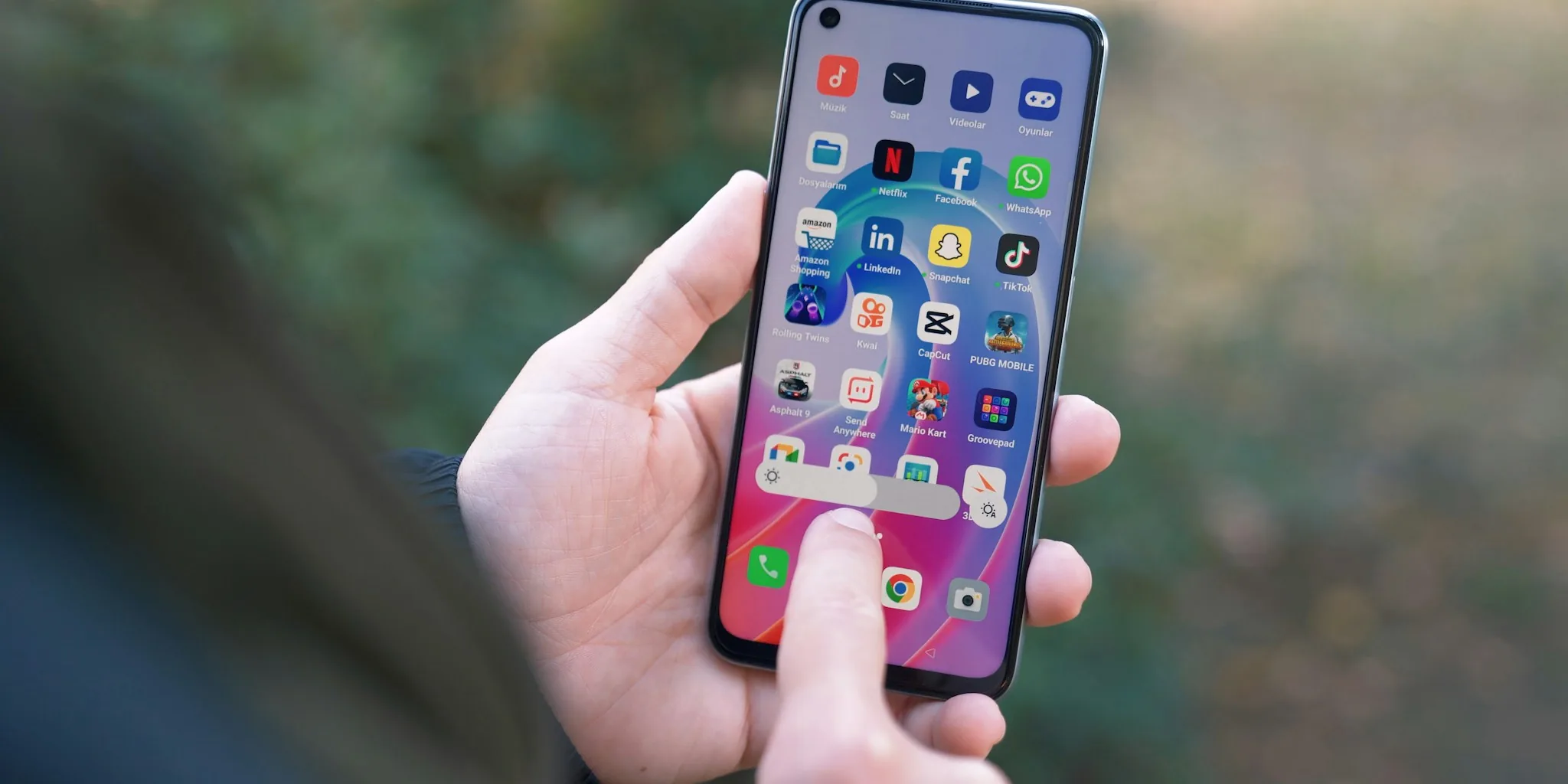
Google has opened enrollment for its latest Android beta program, welcoming owners of the new Pixel 11 series into the Android 17 QPR2 Beta 4 testing phase. This milestone marks an important moment for early adopters and tech-savvy consumers who want to experience upcoming features before their official release to the general public.
What Is Android 17 QPR2 Beta 4?
Android 17 Quarterly Platform Release 2, now in its fourth beta iteration, represents Google’s approach to delivering incremental updates between major Android versions. Unlike full operating system overhauls, quarterly platform releases focus on refinements, security improvements, and user-facing enhancements that arrive on a faster cadence than annual upgrades.
The current build, identified as CP41.260814.003.C2, includes the August 2026 security patch and weighs approximately 3.94 GB as an over-the-air update on the Pixel 11 Pro. This fourth beta cycle marks the Platform Stability milestone, meaning the core features and functionality are now locked in ahead of the public launch scheduled for December 2026.
New Features Coming in the December Release
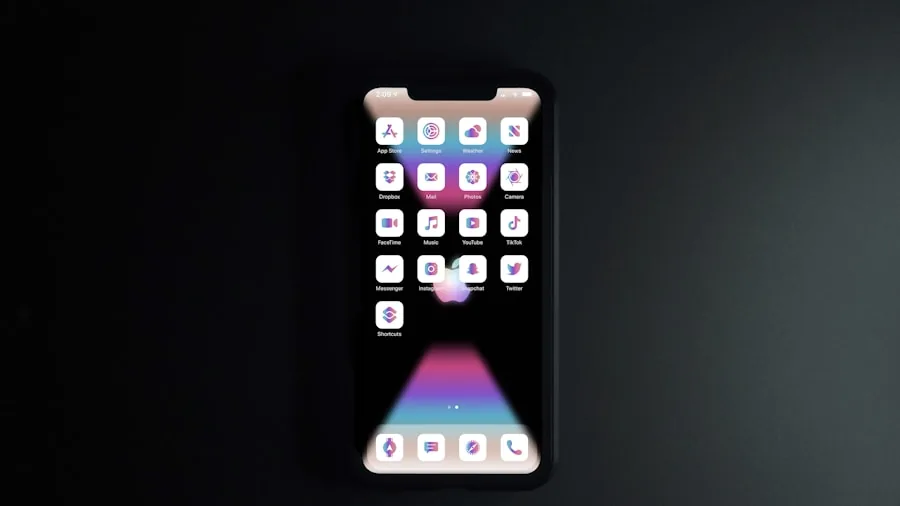
The stable version of Android 17 QPR2 will introduce several user-facing improvements that enhance how people interact with their Pixel devices. Dynamic Color theming is expanding beyond current capabilities, allowing deeper customization of the visual experience across the system. The lockscreen will gain system blur effects, creating a more polished and refined aesthetic while maintaining readability for notifications and important information.
Another significant addition is status bar customization, giving users granular control over which notification and system icons appear in the status bar. This addresses longtime requests for a more personalized device experience, allowing people to declutter their top screen real estate or highlight the information that matters most to them.
These features represent Google’s commitment to delivering meaningful improvements rather than simply chasing feature counts. Each enhancement addresses actual user preferences documented through feedback and usage patterns.
How to Enroll Your Pixel 11 Device
Interested users can join the Android Beta Program by visiting google.com/android/beta and enrolling their device. Google notes that as of early Tuesday morning, Pixel 10 series images were temporarily being used for display purposes on the enrollment page, so readers should carefully read the text labels when selecting their device model to ensure they choose the correct option for their specific Pixel 11, 11 Pro, 11 Pro XL, or 11 Pro Fold.
Factory and over-the-air images for manual installation were not yet available at the time of the initial rollout, but Google typically makes these available within days for users who prefer more control over the installation process. Users managing multiple devices or workflows may benefit from offline storage solutions to maintain local backups before enrolling in beta software.
Understanding the Beta Timeline
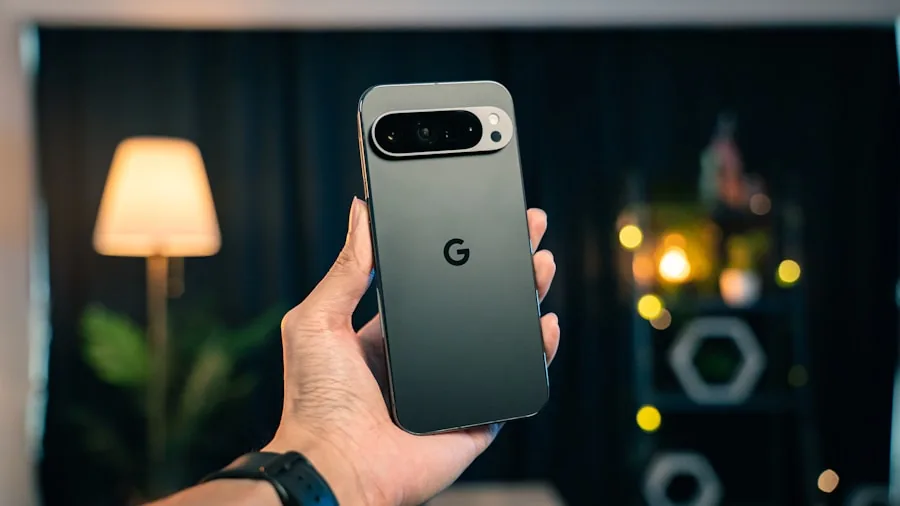
The Pixel 11 series notably skipped the Android 17 QPR1 preview cycle entirely, jumping directly to QPR2 beta participation. This decision reflects Google’s confidence in the new hardware and its software optimization for the latest generation. QPR1 itself is expected to reach public availability in September 2026, followed by the stable release of QPR2 in December.
Beta software carries inherent risks. While Platform Stability status suggests core reliability, users should expect occasional bugs, battery drain anomalies, or app compatibility issues. Those relying on stable connectivity or network-dependent services may want to consider their beta participation timeline carefully.
Beta participation also provides direct value to Google. User feedback and crash reports collected during beta phases directly shape the final stable release. By enrolling, Pixel owners contribute to refining the software that will eventually reach millions of devices. This collaborative relationship means beta testers are not simply consuming unfinished software, but actively shaping the product’s evolution.
Why This Matters for Shoppers
For consumers evaluating whether to purchase a Pixel 11 device, the immediate availability of beta enrollment demonstrates Google’s rapid software support and forward-looking approach. New flagship devices typically integrate with beta programs within weeks, but the Pixel 11 series gained access almost immediately.
Users operating advanced home networks can further optimize their mobile connectivity experience by coordinating device settings with broader network infrastructure. This level of control appeals to power users who value customization across their entire tech ecosystem.
The feature set arriving in December also signals Google’s priorities moving forward. Enhanced customization, visual refinements, and user control are clearly focal points for the company’s vision of what modern Android should deliver. This insight helps prospective buyers understand the product roadmap and whether upcoming enhancements align with their needs and preferences.
Those currently using older Pixel models can gain visibility into what Android’s future holds, making the information valuable for long-term purchasing decisions as well.
About the author
Ava is REMOVU's laptop writer, balancing speed, battery life, and build quality against price across the whole range. She helps readers find the sweet spot as each new chip shifts what a dollar buys.