The 8 Best Microphones Under $100
Picking the right mic means matching connection type, capsule, and features to how you actually record. Our research covers USB, XLR, wireless, and budget vocal options.
 By Kenzi Wood
Updated July 26, 2026
By Kenzi Wood
Updated July 26, 2026
Finding a great microphone under a modest budget used to mean compromising on clarity, build quality, or versatility. That is no longer the case.
Whether you are a streamer, podcaster, content creator, karaoke enthusiast, or someone who simply needs a reliable mic for remote work and video calls, the market in 2026 offers genuinely impressive options at every price point.
From plug-and-play USB condensers to wireless lavalier systems and dynamic XLR mics, the range of capable, affordable microphones has never been broader. The challenge is cutting through the marketing noise to find the ones that actually deliver.
If you are shopping for reliable microphones under $89.99, the picks below represent the strongest choices across a range of use cases, based on our research into specifications, expert review consensus, and verified buyer feedback.
We evaluated eight microphones spanning vocal, multipurpose, wireless, and handheld categories, assessing each against consistent criteria including audio fidelity, ease of setup, build quality, noise handling, and value for money.
Our research draws on published specifications, aggregated expert reviews, and verified buyer experiences to assign each product a REMOVU Score on a 0 to 10 scale.
Whether you need a workhorse desktop mic for live streaming, a compact wireless system for vlogging, or a budget-friendly kit for karaoke nights, the ranked list below is your starting point.
| Award | Product | REMOVU Score About REMOVU ScoreThe REMOVU Score is our own rating from 0 to 10, based on performance, design and build, ease of use, and value. It reflects independent research and is never influenced by manufacturers, retailers, or affiliate commissions. Learn more › | Price | |
|---|---|---|---|---|
| Best Overall |
 Logitech Blue Yeti USB Condenser Mic
|
9.0/10 | Buy | |
 DJI Mic Mini Wireless Lavalier, 48-Hour Battery
|
6.8/10 | Buy | ||
| Best Premium |
 FIFINE AmpliGame AM8 USB/XLR Dynamic Mic
|
7.1/10 | Buy | |
| Best Value |
 TONOR TC310+ USB Gaming Mic with Boom Arm
|
6.4/10 | Buy | |
| Best Budget |
 Cable Matters 2-Pack 6.35mm Cardioid Dynamic Microphones
|
6.5/10 | Buy | |
 Pyle PDMICKT34 3-Piece Dynamic Microphone Kit
|
6.2/10 | Buy | ||
 MAYBESTA Wireless Lavalier Mic 2-Pack for Mobile
|
6.2/10 | Buy | ||
 HUACAM Wireless Dual Microphone, 200-Foot Range
|
6.2/10 | Buy |
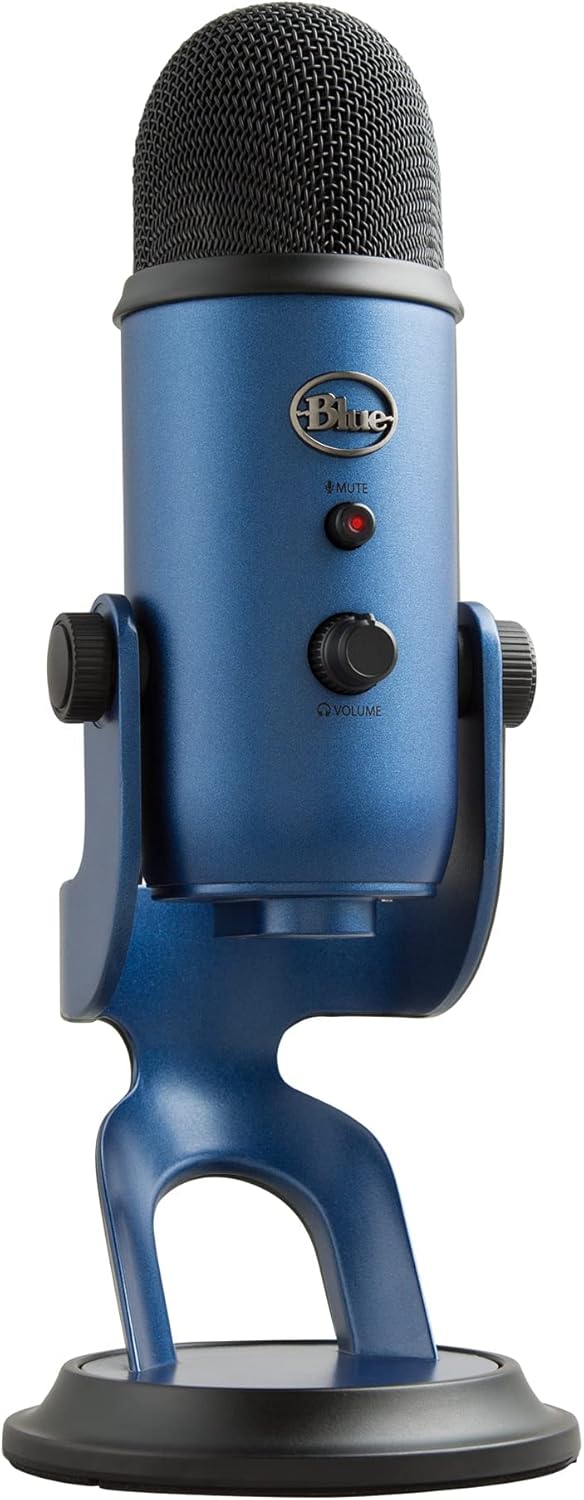
Logitech Blue Yeti USB Condenser Mic
A versatile USB microphone built for creators across streaming, podcasting, and recording. The custom three-capsule array and four pickup patterns deliver broadcast-quality sound without requiring separate equipment, while Blue VO!CE software adds professional vocal effects and enhancement tools.
Pros
- Four flexible pickup patterns (cardioid, omni, bidirectional, stereo) reduce need for multiple microphones
- Blue VO!CE software provides broadcast-grade effects and HD audio processing
- Plug-and-play setup on Mac and PC with no drivers required
- Onboard controls for gain, mute, pattern selection, and headphone monitoring
- Highly rated across 56,000+ verified reviews (4.6 stars)
Cons
- Requires USB connection to computer, limiting portability compared to wireless alternatives
- Blue VO!CE features depend on software compatibility and may require separate learning curve
- Desktop stand included but may not suit all mounting preferences or desk setups
DJI Mic Mini Wireless Lavalier, 48-Hour Battery
A featherweight wireless lavalier system designed for creators who need reliable audio across extended shoots. The dual-transmitter bundle covers multi-speaker scenarios like interviews and livestreams, while two-level noise cancellation and automatic limiting handle unpredictable sound environments without fuss. Best suited for vloggers, content creators, and mobile videographers prioritizing portability and battery endurance.
Pros
- Ultralight 10g transmitter design minimizes on-camera presence and wearer fatigue
- Extended 48-hour total battery life with charging case eliminates frequent recharging during long production days
- Two-level noise cancellation adapts between quiet indoor and loud outdoor settings
- Automatic limiting prevents audio clipping, ensuring consistent recording quality without manual gain tweaking
- Dual transmitters included enable simultaneous two-speaker capture for interviews and conversations
- Broad 400m transmission range maintains stable connection in outdoor environments
Cons
- Not waterproof, requiring careful handling near moisture and limiting use in wet conditions
- Battery temperature constraints (-10 to 45°C) narrow operational range in extreme climates
- Requires DJI ecosystem integration or separate receiver for non-DJI devices, adding complexity to multi-platform workflows
FIFINE AmpliGame AM8 USB/XLR Dynamic Mic
A dual-connectivity gaming and streaming microphone that bridges beginner-friendly USB plug-and-play with professional XLR expandability. The AM8 delivers cardioid dynamic sound suited for gaming, podcasting, and vocal recording, with controllable RGB lighting and physical mute button when using USB. Best for streamers and podcasters who want flexibility without breaking setup complexity.
Pros
- Dual USB and XLR connectivity lets you start simple or scale to professional audio interfaces later
- Cardioid dynamic design rejects off-axis noise and avoids over-amplifying voice, good for gaming and streaming environments
- Headphones jack with monitoring volume control provides real-time audio feedback during recording
- RGB lighting with memory function and three modes (static, breathing, alternating) customizes your setup aesthetic
- Includes both 3/8 inch and 5/8 inch metal threads, compatible with most standard mic stands without adapters
Cons
- RGB lighting, mute button, gain knob, and headphones monitoring only function via USB connection, not XLR, limiting control when using professional audio interfaces
- XLR cable not included, requiring separate purchase to use the upgrade-ability feature
- Requires close mic technique (2 to 6 inches from source) for optimal sound quality, which may feel restrictive in some setups
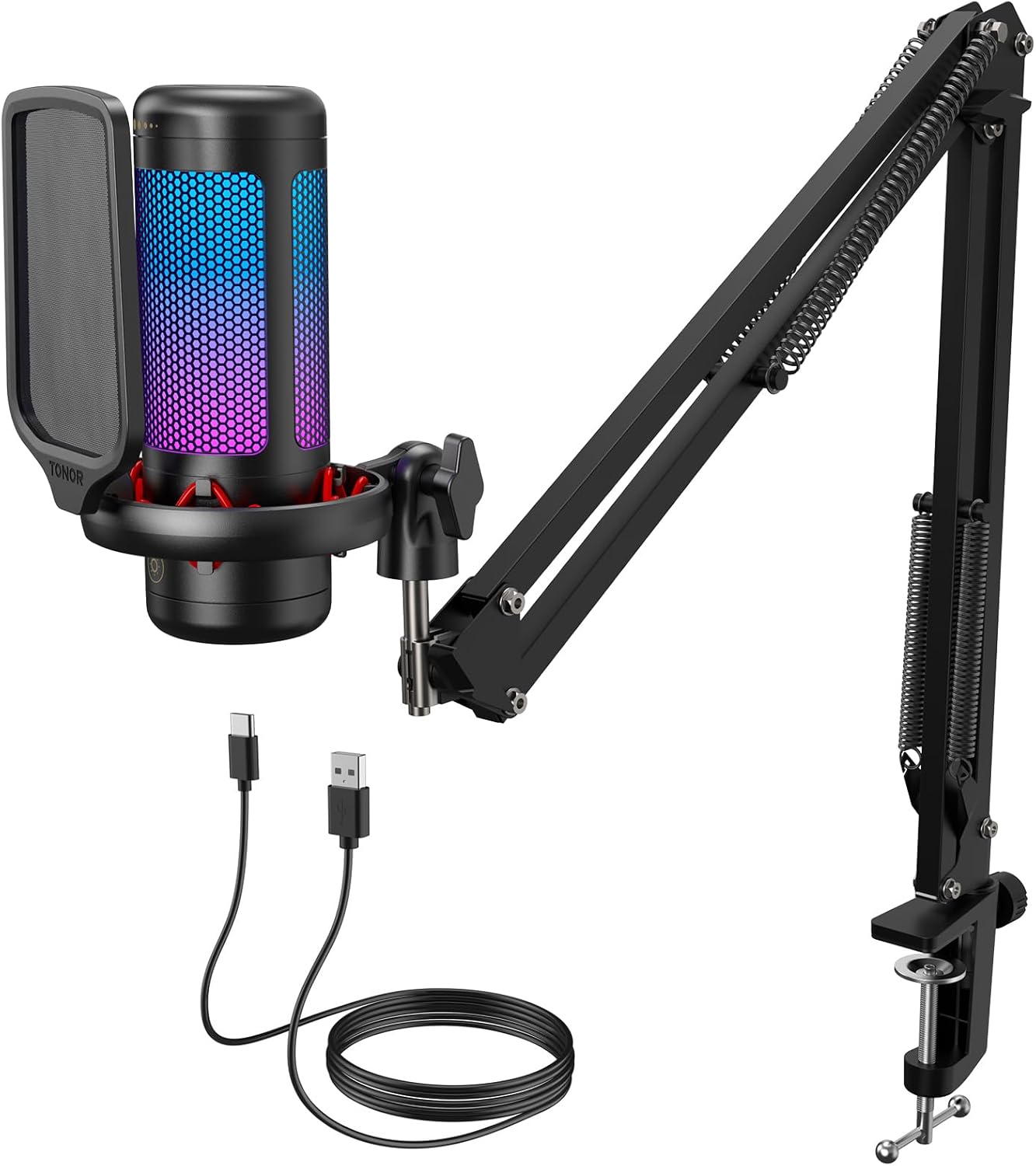
TONOR TC310+ USB Gaming Mic with Boom Arm
A complete streaming kit that bundles a cardioid condenser mic with a flexible boom arm, metal clamp, and adjustable RGB lighting. Built for content creators who want plug-and-play convenience with tactile controls for muting and gain adjustment. Solid choice for gaming and podcasting on a budget.
Pros
- All-in-one kit includes boom arm and sturdy desk clamp, eliminating need for separate purchases
- Intuitive one-tap mute and rotary gain control for quick adjustments during live sessions
- Effective pop filter and upgraded shock mount reduce background noise and vibration
- Four RGB lighting modes with adjustable brightness to match gaming setup aesthetics
- High rating with 2,124 verified reviews indicates consistent user satisfaction
Cons
- Type-C connector requires full insertion or mute function may fail, adding setup friction
- Desk clamp limited to maximum 2.36 inches thickness and cannot grip curved desk edges
- Mobile compatibility requires separate USB adapters (not included), limiting portability
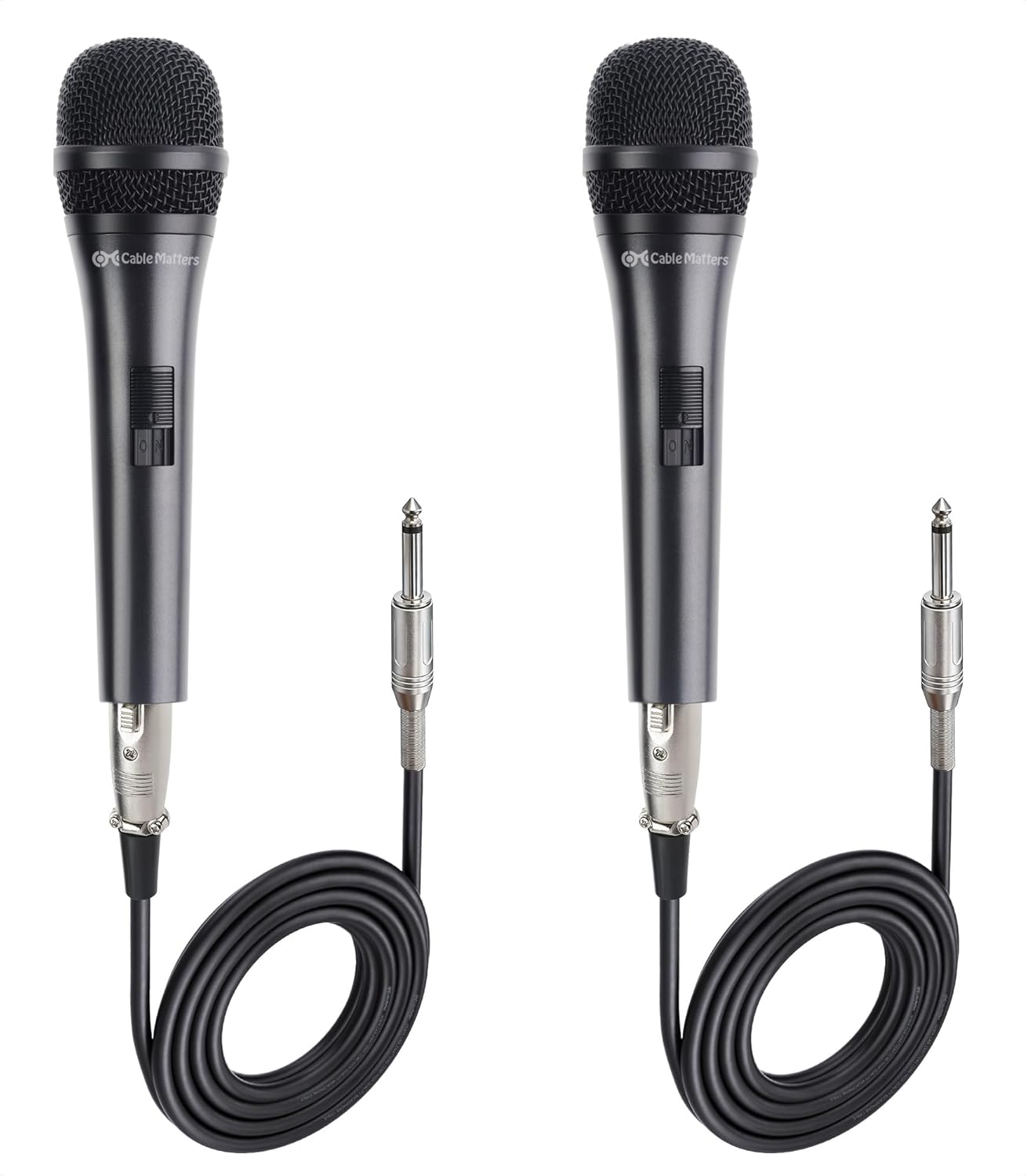
Cable Matters 2-Pack 6.35mm Cardioid Dynamic Microphones
A budget-friendly vocal mic pair designed for karaoke and singing setups, featuring cardioid pickup to reduce background noise and 15-foot cables for stage mobility. The 50Hz-15kHz frequency response prioritizes vocal clarity, making it practical for casual performers and home entertainment rather than professional studio work.
Pros
- Cardioid pattern effectively isolates vocals and minimizes room noise during performances
- Includes 15-foot cables and 2 microphones, reducing additional equipment purchases
- Straightforward plug-and-play setup compatible with standard AUX inputs
- Balanced sensitivity (-50dB) and 600 Ohm impedance work across different audio systems
- Solid 4.5-star rating from 484 verified reviews reflects consistent user satisfaction
Cons
- Frequency response tops out at 15kHz, limiting high-end detail compared to professional-grade mics
- 6.35mm connector requires compatible equipment; may need adapters for XLR-only systems
- Dynamic capsule design means handling noise and cable movement can be audible during sensitive recordings
Pyle PDMICKT34 3-Piece Dynamic Microphone Kit
A three-mic bundle designed for vocalists and performers who need reliable stage or studio equipment without breaking the bank. Built-in pop filters, cardioid pickup patterns that reject background noise, and included 26-foot XLR cables make setup straightforward. Best suited for live performances, presentations, and amateur recording rather than professional studio work.
Pros
- Includes three complete microphones with matching XLR cables and carry case, making it cost-effective for bands or venues needing multiple mics
- Unidirectional cardioid pattern minimizes feedback and off-axis noise, useful for live vocal performance
- Integrated acoustic pop filters reduce breath and wind noise without extra purchases
- Rugged zinc alloy construction with steel mesh grill handles the demands of touring and repeated stage use
- ON/OFF switch on each mic provides convenient stage control
Cons
- No verified buyer reviews available to assess real-world durability or audio quality consistency
- Frequency response range of 60Hz-15kHz is narrower than many professional vocal mics, potentially limiting tonal richness
- Hyper-cardioid pattern can be overly sensitive to proximity effect, requiring careful mic technique to avoid bass bloat
MAYBESTA Wireless Lavalier Mic 2-Pack for Mobile
A budget-friendly wireless lapel microphone system designed for content creators working across phones and tablets. The 2-pack setup covers dual-mic scenarios, automatic pairing eliminates app hassles, and the extended receiver works with most phone cases intact. Best suited for YouTubers, TikTokers, and podcasters who need reliable wireless audio without breaking the bank.
Pros
- Works with iPhone, Android, laptops, and tablets using included adapters, minimizing device switching friction
- Extended receiver design accommodates phone cases, saving the annoying step of removing protection during shoots
- Plug-and-play setup with automatic pairing and green-light confirmation, no app or complex configuration needed
- 70-foot wireless range covers most indoor and outdoor recording scenarios
- 16-hour combined battery life from both microphones addresses extended shooting sessions
Cons
- Limited detail on actual audio quality specifications (frequency response, sensitivity, impedance) beyond marketing claims of 'crystal clear'
- No information provided on receiver cable length or compatibility verification with newer iPhone 16/17 USB-C variants mentioned in description
- Omnidirectional pickup design may require careful mic placement to avoid picking up unwanted background noise despite noise reduction chip
HUACAM Wireless Dual Microphone, 200-Foot Range
A budget-friendly wireless mic system built for karaoke, weddings, and small events. Both microphones and receiver pack rechargeable batteries, auto-pair without fuss, and deliver a solid 200-foot operating range. Best suited for indoor venues and outdoor gatherings where you need plug-and-play simplicity over studio-grade audio.
Pros
- Rechargeable batteries on both mics and receiver eliminate ongoing battery purchases
- 200-foot wireless range with auto-pairing keeps setup quick and hassle-free
- Dual microphones included, expanding use cases for duets or two-person events
- Compatible with multiple audio interfaces (6.35mm and 3.5mm jacks) across speakers, amplifiers, and PA systems
- LED indicators and transparent display add visual feedback for battery and operating status
Cons
- Over 7-hour charging time means longer wait before first use or between heavy-duty sessions
- Fixed frequency design lacks the flexibility of switchable channels if interference occurs
- No compatibility with phones, computers, or tablets limits portability for modern content creators
- Random receiver version shipment may result in unexpected connector type, despite included adapter
Microphones Under $100 Buying Guide
Not all microphones are built for the same purpose, and buying the wrong type for your workflow is one of the most common and avoidable mistakes.
The sections below walk through every meaningful decision point so you can match a mic to your actual needs rather than the flashiest spec sheet.
Connection Type: USB vs. XLR vs. Wireless
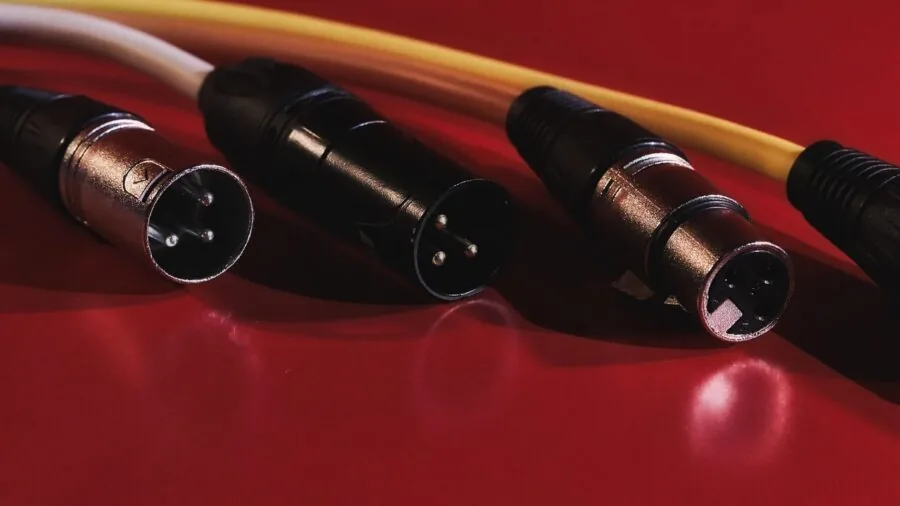
The connection type shapes your entire setup. USB microphones, like the Blue Yeti from Logitech Creators, plug directly into any computer or laptop with zero additional hardware required.
They are the fastest path to broadcast-quality audio for podcasters, remote workers, and streamers who do not want to invest in an audio interface. XLR microphones offer more flexibility for professional signal chains but require an interface or mixer.
Hybrid options such as the FIFINE AmpliGame AM8 support both USB and XLR, giving you room to grow without forcing you to replace the mic when your rig evolves.
Wireless systems, including compact lavalier transmitters like the DJI Mic Mini and clip-on solutions like the MAYBESTA, prioritise freedom of movement over raw audio control. They are purpose-built for on-camera content: vlogs, short-form video, interviews, and event coverage.
If you plan to record sitting at a desk, a wired USB or XLR mic will almost always outperform wireless at the same budget. If you need to move around on camera, a wireless system is non-negotiable.
Pair your mic choice wisely with the rest of your audio chain, and consider how it fits alongside your broader audio setup.
Microphone Type: Condenser vs. Dynamic

Condenser microphones are more sensitive and capture a wider frequency range, making them excellent for controlled environments like home studios, podcast booths, and gaming setups where ambient noise is managed.
The Blue Yeti and the TONOR TC310+ are both condensers, and their sensitivity is a strength in quiet rooms.
In noisier environments, however, that same sensitivity picks up keyboard clatter, HVAC hum, and room reverb just as readily as your voice.
Dynamic microphones are more forgiving in untreated acoustic spaces. They reject off-axis sound more aggressively and handle loud sources without distorting.
The FIFINE AM8 is a dynamic mic that bridges the gap nicely: it delivers focused vocal capture even in less-than-ideal rooms, which is why it appeals to streamers and YouTubers recording in bedroom setups.
The Pyle PDMICKT34 kit also uses dynamic capsules, which is appropriate for live vocal and karaoke applications. If your recording space is not acoustically treated, lean toward a dynamic.
If you have a quiet, controlled environment, a condenser will reward you with richer, airier sound. Streaming-focused setups that also lean on quality gaming headsets may find a dynamic mic the more practical pairing for open environments.
Polar Pattern and Off-Axis Rejection
A polar pattern describes where a microphone “listens” from. Cardioid is the most common pattern in this price range: it captures sound from the front and rejects sound from the sides and rear.
This is ideal for solo podcasting, gaming commentary, and solo vocal recording.
The Blue Yeti goes further, offering four switchable patterns including cardioid, bidirectional, omnidirectional, and stereo, which is genuinely rare at this price and makes it one of the most versatile multipurpose desktop mics available.
If you are recording a two-person conversation or interview at one desk, a bidirectional pattern can eliminate the need for a second mic entirely. For group recordings or room ambience, omnidirectional works well.
For most solo use cases, cardioid is all you need, and every mic in this roundup includes it as the primary or only pattern.
Understanding polar patterns also matters if you are pairing your mic with closed-back headphones for monitoring, as bleed from open-back designs can interfere with sensitive condensers.
Onboard Controls and Monitoring
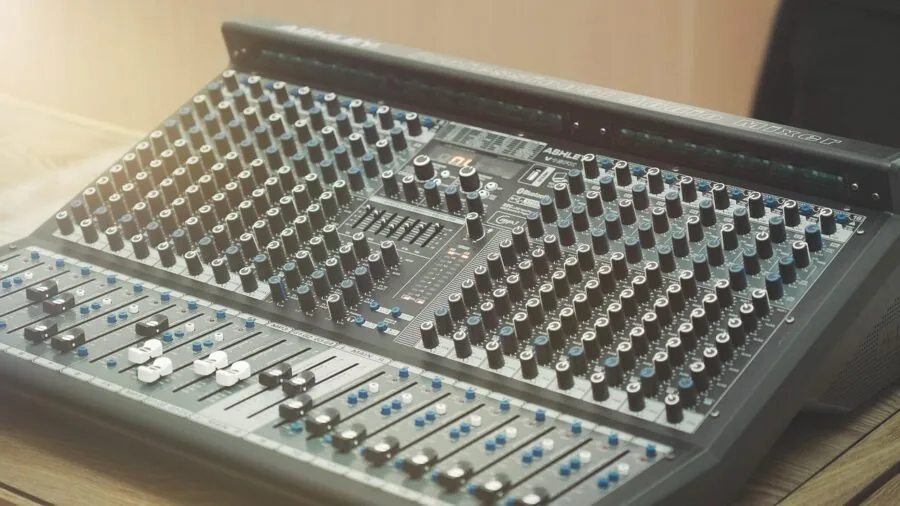
Mute buttons, gain knobs, and headphone jacks built into the microphone body are not luxury features at this price range; they are practical necessities.
A tap-to-mute function, like the one on the TONOR TC310+ and the FIFINE AM8, lets you silence yourself instantly during a live stream or call without fumbling through software.
A physical gain control on the mic itself means you can dial in your input level without opening your operating system’s audio settings, which matters when you are mid-session.
Zero-latency headphone monitoring, where available, lets you hear your own voice in real time as the mic captures it, which is invaluable for vocalists and podcasters who need to catch breath pops or proximity effect on the fly.
The Blue Yeti includes all three: mute, gain, and headphone output, which contributes significantly to its leading score in the multipurpose category.
When evaluating any mic in this range, check the onboard controls before anything else; they will affect your day-to-day experience far more than a marginal difference in frequency response.
Wireless Range and Battery Life
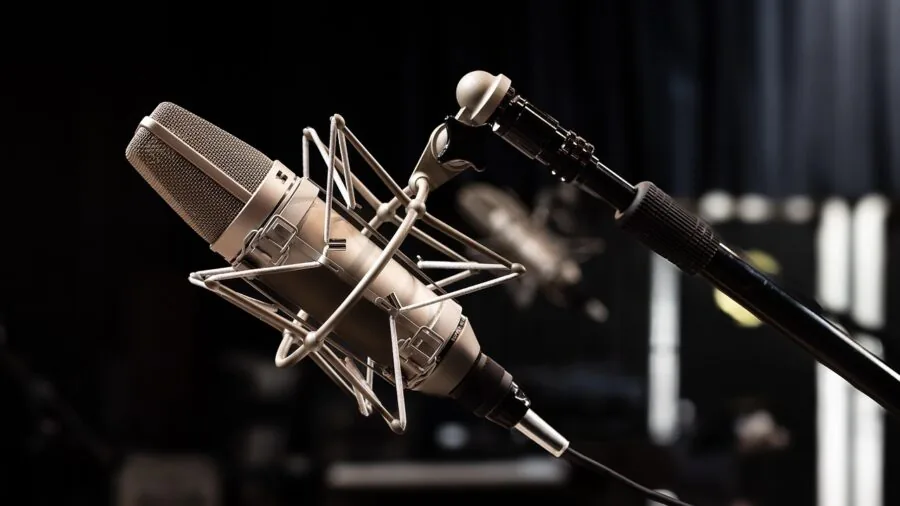
For wireless microphones, two numbers matter most: operating range and total runtime.
The DJI Mic Mini supports a transmission range well suited to most indoor shooting environments and delivers strong battery endurance across the transmitter and receiver combined, making it a dependable choice for full-day shoots.
The HUACAM wireless system quotes a range suitable for classrooms and small event venues, which aligns with its karaoke and event positioning.
Clip-on systems like the MAYBESTA Wireless Mini are designed for smartphones and prioritise ultra-compact form factor over long range, as most content creators using them are recording themselves within arm’s reach.
When assessing wireless mics, also consider latency: audio delay visible in video is a dealbreaker for on-camera work. Systems using 2.4 GHz digital transmission like the DJI Mic Mini manage latency far better than cheaper analog fixed-frequency designs.
Always match the wireless system to the content type, not just the price point. The DJI Mic Mini’s combination of features and reliability earned it the highest REMOVU Score in this roundup’s wireless category.
Stand, Mount, and Portability

A microphone is only as good as its mounting solution. A heavy condenser wobbling on a flimsy plastic stand will pick up every desk vibration as a low-frequency thump.
The TONOR TC310+ bundles a full boom arm in the box, which is a meaningful value addition at its price point, as a standalone boom arm of similar quality would cost nearly as much as the mic itself.
The FIFINE AM8 includes a desktop stand, and the Pyle kit ships with a hard carry case, mic clips, and an XLR cable, making it a genuinely ready-to-use bundle for live vocal applications.
Portability is a separate concern. USB and XLR desktop mics are desk-bound by nature. Wireless lavalier systems fold into a pocket or camera bag.
If your workflow involves moving between locations, shoot outdoors frequently, or record while walking and presenting, a compact wireless system makes more sense than the most capable USB condenser.
Consider your physical workflow before committing to a form factor, and think about what other audio and headphone equipment needs to travel with you.
Why You Should Trust Us
REMOVU is an independent review platform. We have no commercial relationship with manufacturers and no financial incentive to favour one brand over another.
Every product in this roundup, from Blue Yeti and DJI to FIFINE, TONOR, Pyle, Cable Matters, HUACAM, and MAYBESTA, was evaluated against the same consistent set of criteria and assigned a REMOVU Score on a scale of 0 to 10.
Our scoring methodology is grounded in research synthesis.
We assess each product by analysing published technical specifications, aggregating consensus from expert reviewers across the audio and content-creation space, and weighing verified buyer feedback to surface real-world performance patterns that do not always appear in spec sheets.
We do not conduct our own product trials; our evaluations are grounded in research, published data, expert review consensus, and verified buyer feedback.
Transparency on affiliate relationships: REMOVU may earn a commission if you purchase through a link in this article. That relationship does not influence which products appear in our roundups, how they are ranked, or the REMOVU Score they receive.
Rankings are determined solely by evaluated merit. We do not accept payment for placement, and we do not handle product orders, returns, warranties, or customer support; for any of those matters, contact the retailer or manufacturer directly.
Final Thoughts
The eight microphones in this roundup cover a wide spectrum of needs, from plug-and-play desktop condensers to compact wireless lavalier systems, and they do so at price points that no longer require serious compromise. Here is how we see the strongest picks shaking out.
- Best Overall: DJI Mic Mini earns the top REMOVU Score in this roundup thanks to its genuinely professional wireless audio quality, automatic limiting, noise cancelling, and exceptional battery endurance packaged in an ultralight form factor that works across cameras, iPhones, and Android devices.
- Best Desktop USB Mic: Blue Yeti by Logitech Creators remains a benchmark in its category, offering four switchable polar patterns, onboard gain and mute controls, a headphone jack for zero-latency monitoring, and Blue VO!CE software effects in a plug-and-play USB package that genuinely suits podcasters, streamers, and remote workers alike.
- Best Hybrid USB/XLR Pick: FIFINE AmpliGame AM8 stands out for bridging the gap between beginner and intermediate setups, pairing dynamic capsule noise rejection with both USB and XLR outputs, RGB lighting, a mute button, and a headphone jack in a package that suits gaming and content creation environments equally well.
- Best Budget Boom Arm Bundle: TONOR TC310+ offers a complete streaming-ready package at a budget-friendly price, bundling a USB condenser with a full boom arm, RGB lighting, and tap-to-mute functionality in a configuration that would cost considerably more if assembled from separate components.
- Best Ultra-Budget Wireless Clip-On: MAYBESTA Wireless Mini Microphone is the most accessible entry point for smartphone-based content creators who need a no-fuss clip-on lavalier for TikTok, YouTube Shorts, and vlogging without carrying extra gear.
If you are building a broader audio setup to complement your microphone, it is worth thinking about what sits around it.
Streamers investing in a quality mic often find that a capable gaming headset for simultaneous monitoring makes a meaningful difference. Podcasters who want reference-grade playback may want to explore wired over-ear headphones alongside their recording chain.
Whatever your setup, the microphone is where it starts, and any of the picks above will serve you well in 2026.
Frequently Asked Questions
What is the difference between a USB and an XLR microphone?
A USB microphone connects directly to your computer and requires no additional hardware, making it the fastest and most convenient option for home studios, podcasting, and streaming.
An XLR microphone connects to an audio interface or mixer, which gives you more control over signal gain, EQ, and routing. XLR setups are more scalable for professional use but carry additional cost and complexity.
For most people starting out, a USB mic is the practical choice. Hybrid mics like the FIFINE AM8 support both, so you are not locked into one path.
Are wireless microphones worth buying under a tight budget?
It depends entirely on your use case. Wireless mics trade some audio fidelity for freedom of movement. If you record at a fixed desk, a wired USB mic will almost always sound better at the same price.
If you need to move on camera, present, or record outdoors, a wireless lavalier system is indispensable. At accessible price points, the DJI Mic Mini represents the strongest balance of wireless audio quality and reliability available.
Budget fixed-frequency wireless systems are better suited to casual karaoke or event PA use than to critical content creation.
For content creators who also rely on noise-cancelling earbuds for monitoring on the go, a compact wireless mic system rounds out the mobile audio kit neatly.
Do I need acoustic treatment in my room to get good recordings?
Acoustic treatment helps, but it is not mandatory for every use case. Dynamic microphones with cardioid polar patterns, like the FIFINE AM8, reject room reflections and background noise far better than sensitive condensers.
Simple measures such as recording in a smaller room with soft furnishings, positioning the mic close to your mouth, and using a pop filter can dramatically improve results without spending on panels or foam.
Condenser mics like the Blue Yeti and TONOR TC310+ will reveal more room character, which is an asset in a well-treated space and a liability in an untreated one.
Match your mic type to your room before worrying about more expensive acoustic solutions. If you are serious about studio-grade monitoring alongside your mic setup, bookshelf speakers can reveal room acoustics far more honestly than headphones.
How do I know if a microphone will work with my streaming or recording software?
USB microphones are universally class-compliant on both Windows and macOS, meaning they appear as a standard audio input without requiring custom drivers.
OBS Studio, Audacity, Adobe Audition, GarageBand, Zoom, Discord, and virtually every other audio application will recognise them immediately after plugging in. XLR microphones depend on the audio interface you pair them with, but again, most modern interfaces are class-compliant.
Wireless systems that connect via USB receiver or 3.5 mm adapter are equally straightforward.
The Blue Yeti additionally bundles Blue VO!CE software for real-time effects and processing, which is a bonus for streamers who want noise gates and compressors without third-party plugins.
Streamers building out their full rig may also find value in reviewing platform-specific headset guides to ensure every part of their audio chain is optimised.
What microphone features matter most for karaoke and live performance?
For karaoke and live performance, durability, handling noise, and wireless freedom typically outweigh studio recording precision. A cardioid dynamic microphone handles loud singing well without distorting and rejects feedback from PA speakers more effectively than a condenser.
The Pyle PDMICKT34 kit ships with everything needed for a plug-and-perform setup, including cables and carry case.
For wireless karaoke applications where freedom of movement matters, the HUACAM dual wireless system offers usable range for small venues and classrooms at a very accessible price, though it uses fixed-frequency analog transmission rather than the digital systems found in more professional wireless mics.
If the event also involves amplified music, pair the mic with a powerful Bluetooth speaker to avoid feedback and ensure the room fills evenly.
About the author
Kenzi writes about external SSDs and portable hard drives for REMOVU, weighing speed, capacity, and price per terabyte. She helps readers keep files portable and safely backed up.