7 Reasons to Consider Switching From Kindle to Kobo in 2025
Amazon's tightened DRM and library workarounds have users considering Kobo alternatives.
 By Isabella Black
Updated August 30, 2026
By Isabella Black
Updated August 30, 2026

The e-reader market has shifted dramatically over the past few years. Amazon’s Kindle once dominated without serious competition, but recent policy changes have prompted many loyal users to look elsewhere. Kobo has emerged as a compelling alternative, especially for readers who value flexibility and control over their digital library. If you’ve been frustrated with your Kindle experience, here are seven practical reasons why switching to Kobo might be the right move for you.
1. Escape Restrictive DRM Protections
Amazon has quietly tightened digital rights management across its entire Kindle lineup. Without public announcement or transparent release notes, firmware updates have made it significantly harder to download ebooks from your device. The company systematized these restrictions throughout 2025 and beyond, progressively preventing users from accessing content they purchased in the ways they previously could. Kobo takes a different approach. While Kobo devices also include DRM protections, the company’s encryption framework remains more flexible and easier to work around than Amazon’s newly hardened security measures. For readers who want genuine control over their digital purchases, this difference matters substantially.
2. Maintain Better Access to Library Books

The Libby app connects readers to their local public library’s ebook collection through the OverDrive system, making borrowing digital books free and convenient. However, Amazon has recently closed a long-standing loophole that many Kindle users relied on. Previously, placing a Kindle into Airplane Mode allowed borrowed books to remain accessible even after their loan period expired, giving readers more time to finish reading. Amazon’s newer hardware models now actively prevent this workaround by prompting users to reconnect to the internet, which immediately revokes the expired license. This change frustrates readers who managed their reading time around library lending periods. Kobo users should note that this same restriction already applies to Kobo devices, so the advantage here is avoiding further deterioration of Kindle functionality rather than gaining a specific Kobo benefit.
3. Avoid the Perception of Being Locked In
Amazon’s simultaneous deployment of stricter DRM and closure of the Airplane Mode workaround feels coordinated to many users. These changes create the impression that Amazon is deliberately locking readers into its ecosystem, preventing them from easily transferring purchases to competing platforms. Whether intentional or not, the result is clear: Kindle users have substantially fewer options for managing their libraries than they did before. Switching to Kobo signals a deliberate choice to support a company with a different philosophy about customer ownership and flexibility. Even if Kobo isn’t perfect, the shift represents a vote for more consumer-friendly practices.
4. Access Better Waterproofing and Portability Features
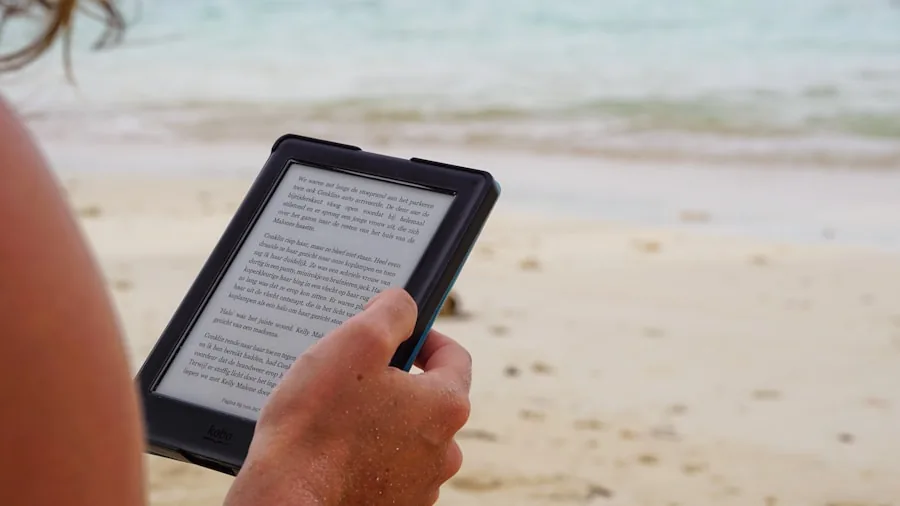
Kobo’s device lineup includes models with waterproofing ratings that make them genuinely suitable for beach reading, pool lounging, or bathtub sessions. Many Kobo devices feature IPX8 full waterproof protection, allowing them to survive complete submersion. This durability advantage extends your e-reader’s lifespan and broadens where you can comfortably read. Travel becomes easier when you aren’t worried about accidental water damage, whether from ocean spray, rain, or spilled drinks. Kindle devices offer limited water resistance on select models, but Kobo’s waterproofing is more robust across its product range.
5. Enjoy Enhanced Display Technology
Kobo has invested heavily in display innovations that improve the reading experience. Recent Kobo models feature E Ink Kaleido technology with FastGLR technology and Dark Mode capabilities, offering color rendering that rivals much more expensive tablets while maintaining the eye-friendly characteristics of e-ink. The 300 PPI resolution for black-and-white content and 150 PPI for color content delivers crisp, readable text across various lighting conditions. These display improvements make reading more enjoyable and reduce eye strain during extended reading sessions, a meaningful advantage for serious book enthusiasts.
6. Choose Devices Built for Note-Taking
If you read non-fiction, academic texts, or professional materials, Kobo’s integration of note-taking capabilities becomes valuable. Unlike most Kindle models, several Kobo devices combine e-reader functionality with annotation and note-taking features similar to traditional smart notebooks. This hybrid approach lets you read and capture thoughts without switching between separate devices. For students, researchers, and professionals who highlight passages and scribble marginal notes, this capability eliminates the friction between reading and active engagement with the text. You can review your reading notes and annotations seamlessly within the same device.
7. Support a Company Invested in Consumer Flexibility
Ultimately, switching to Kobo represents choosing a company philosophy that differs from Amazon’s. While no e-reader manufacturer is perfect, Kobo has built its reputation on offering users more flexibility around DRM, file formats, and device interoperability. The company’s approach suggests genuine interest in serving readers rather than simply extracting maximum revenue from their purchases. Supporting Kobo’s vision encourages continued innovation in consumer-friendly directions. Your purchasing decision influences the market and signals what features and policies matter to you as a reader. By making the switch, you join a growing community of readers who prioritize control and transparency in their digital reading experience. Whether you’re frustrated with Amazon’s recent changes or simply exploring alternatives, Kobo offers tangible practical advantages worth serious consideration.
About the author
Isabella covers e-readers for REMOVU, comparing screen clarity, battery life, and reading comfort. She helps bookworms trade glare and distractions for weeks of easy reading.