Asus Zephyrus M16 Gaming Laptop Faces Serious Thermal Paste Defect: What Shoppers Need to Know
Popular Zephyrus M16 model faces serious manufacturing issue with liquid metal application causing crashes and overheating.
 By Liam Banks
Updated August 30, 2026
By Liam Banks
Updated August 30, 2026

A Critical Manufacturing Issue Discovered in Popular Gaming Laptop
A significant quality control problem has emerged with certain Asus Zephyrus M16 gaming laptops, highlighting the risks of liquid metal thermal interface material in consumer devices. One user discovered that poor factory application of liquid metal on the CPU had corroded the heatsink and nearly damaged the processor itself, causing severe performance degradation and system crashes.
The Problem: Liquid Metal Gone Wrong
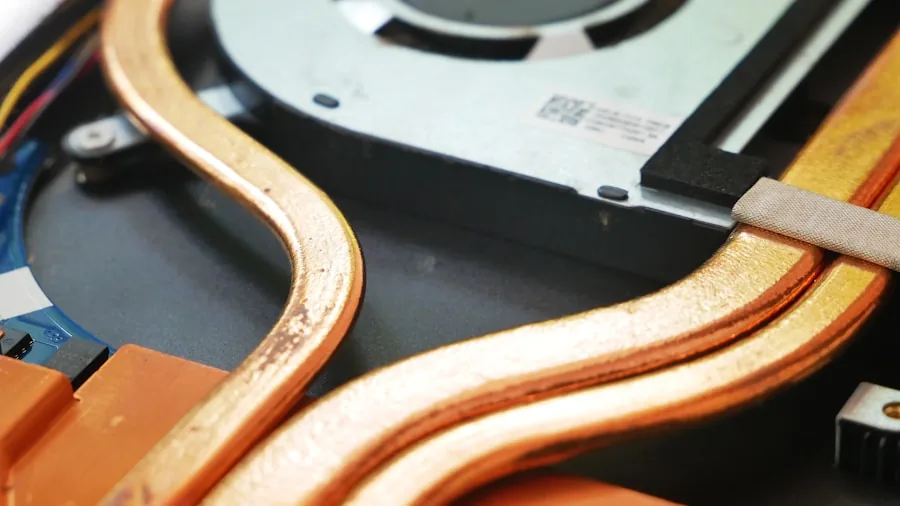
The affected Zephyrus M16 model from 2022 featured an Intel Core i9-12900H processor that began experiencing overheating and unexpected restarts after three years of light use. The owner initially assumed the hardware was simply aging, but upon inspection discovered the root cause: liquid metal had been applied so inconsistently at the factory that it burned onto the heatsink during operation. The corrosive chemicals mixed into the liquid metal were eating away at the heatsink material, and the metal had also spilled outside its designated cavity on the CPU lid itself.
This situation posed a serious risk. Liquid metal is electrically conductive, meaning any contact with surrounding components could create electrical bridges and cause short circuits. Asus appears to blend abrasive additives into the liquid metal to improve adhesion, but these chemicals gradually corrode the metal surfaces they contact over time. The combination created a perfect storm: poor application quality plus inherent corrosiveness meant the heatsink was being slowly destroyed by the very material designed to transfer heat away from the processor.
The Solution and Dramatic Results
Rather than returning the laptop for warranty service, the user carefully removed the problematic liquid metal using cotton and isopropyl alcohol, painstakingly manipulating the conductive material away from the CPU without damaging the delicate processor underneath. After thoroughly cleaning the CPU, he applied traditional GD900 thermal paste, a conventional solution that has proven reliable across countless gaming laptops for years.
The results were remarkable. Temperatures dropped significantly, system crashes stopped immediately, and gaming performance improved dramatically. In fact, the frame rate in games nearly tripled once the liquid metal was removed. The laptop went from being virtually unusable due to thermal throttling to delivering its intended performance level.
A Broader Pattern of Problems
This incident is not isolated. Multiple Reddit communities dedicated to Asus gaming laptops contain numerous reports of similar liquid metal failures, suggesting that automated assembly-line application of this thermal material remains unreliable at scale. The manufacturing process simply cannot consistently apply liquid metal correctly, and the material’s inherent properties make any inconsistency potentially catastrophic.
Liquid metal has gained popularity in high-end laptops because it theoretically offers superior thermal conductivity compared to traditional paste. However, the portability of laptops means they experience constant movement, vibration, and temperature fluctuations that can cause liquid metal to shift, spill, or degrade. Stationary desktop components face challenges too, but mobile devices are particularly ill-suited for a thermal solution this temperamental.
What This Means for Buyers
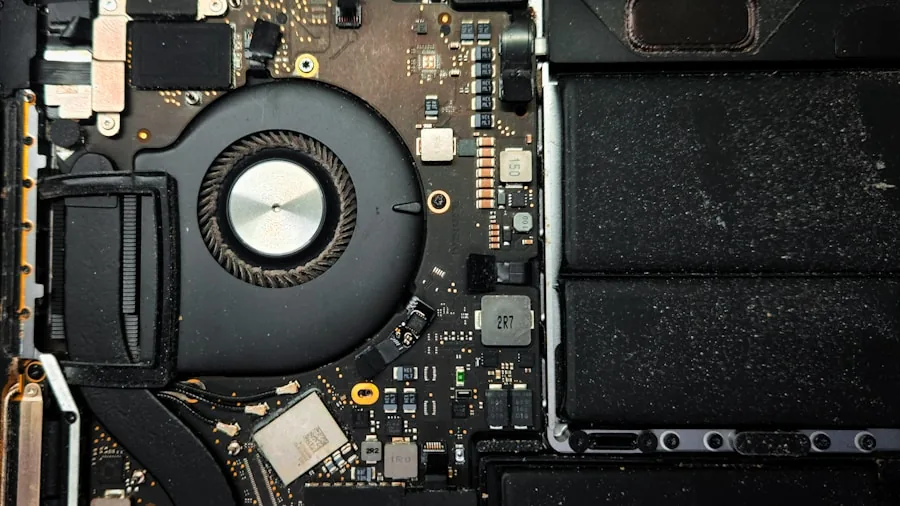
Consumers considering high-end gaming laptops should be aware of thermal solution choices. While liquid metal sounds impressive on paper, the manufacturing risks and consistency problems documented across multiple user reports suggest traditional thermal paste remains more reliable for consumer devices. When evaluating any gaming laptop, research how the manufacturer applies its cooling solution and whether users of that specific model report thermal issues.
If you own an Asus Zephyrus M16 and experience unexpected overheating or crashes despite light usage, inspect the thermal interface material. The problem may be factory-related rather than a sign of normal hardware aging. Professional replacement with standard thermal paste could restore your system to full performance levels.
Industry Implications
This issue raises important questions about quality control in premium laptop manufacturing. Liquid metal application requires precision that current assembly-line methods apparently cannot guarantee consistently. Manufacturers must weigh the marginal thermal benefits against the risk of field failures that leave users with degraded performance or complete system failure.
For shoppers shopping within budget constraints, this reinforces that expensive gaming laptops under $1500 using conventional thermal solutions may prove more reliable long-term than premium models experimenting with problematic materials. Proven technology often outperforms cutting-edge approaches when manufacturing consistency cannot be assured.
About the author
Liam covers gaming laptops for REMOVU, judging GPU power, display quality, cooling, and value. He helps players find a portable machine that delivers real frame rates without cooking itself.