How to Fix a Sluggish Z-Wave Smart Home Network: 5 Essential Strategies
Transform sluggish Z-Wave performance with these five essential optimization strategies for mesh networks.
 By Danielle Matthews
Updated August 29, 2026
By Danielle Matthews
Updated August 29, 2026
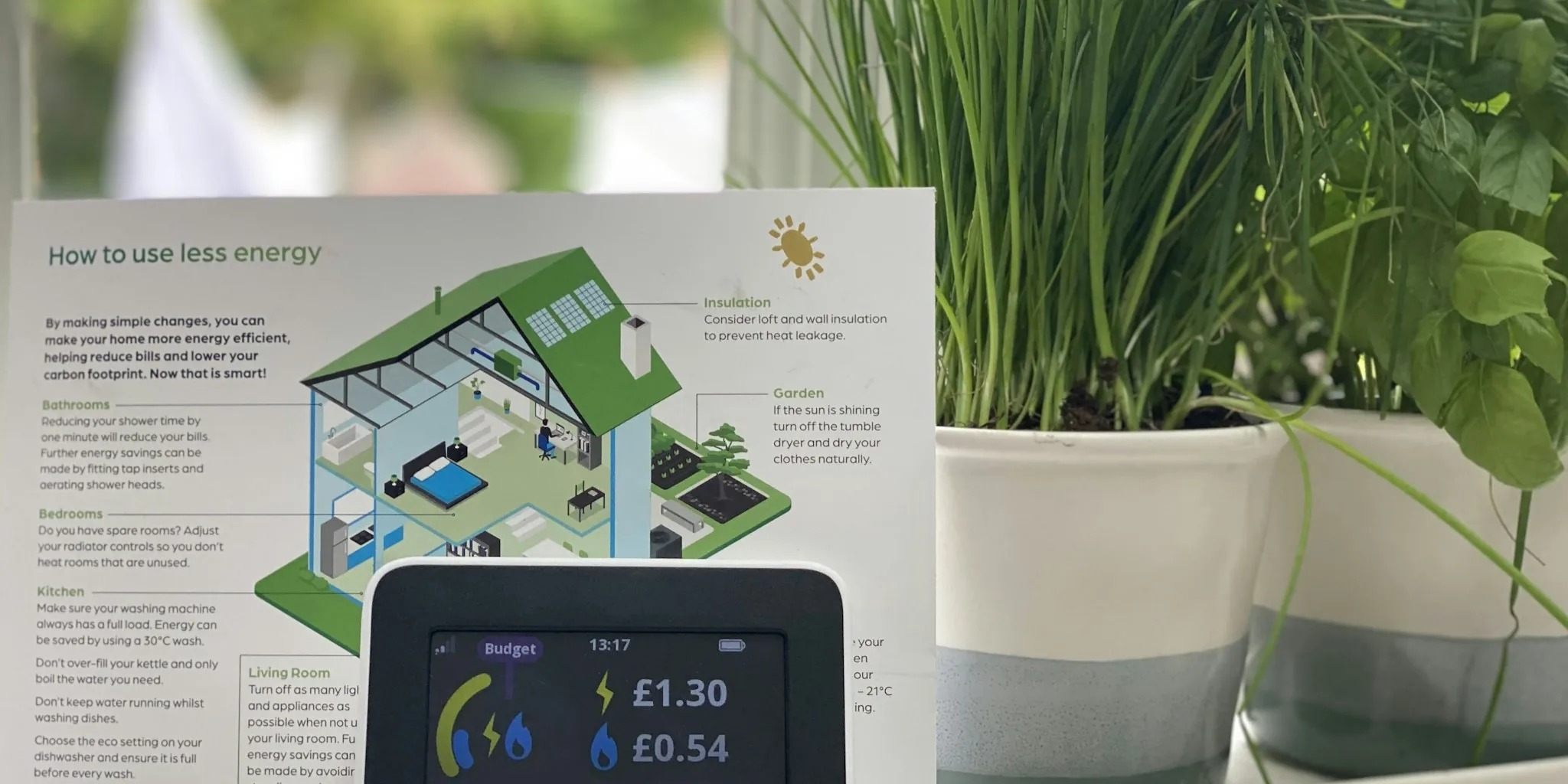
Z-Wave has earned a solid reputation for reliability, making it a popular choice for critical smart home devices like locks and alarm systems. However, when things go wrong, your Z-Wave network can feel painfully slow. The good news is that sluggish performance often stems from avoidable mistakes, and fixing them can restore your system to peak responsiveness.
Add More Powered Devices to Extend Your Mesh
Z-Wave operates as a mesh network where certain devices act as routers, relaying information between your hub and other devices without requiring direct communication. Not all Z-Wave devices can perform this routing function. Battery-powered sensors, smart buttons, and locks enter sleep mode to conserve energy, which prevents them from relaying traffic through the network.
Plug-in devices, by contrast, stay powered and can serve as network repeaters. If your distant devices respond sluggishly, insufficient repeaters between them and your controller may be the culprit. Adding more powered Z-Wave devices throughout your home can substantially improve network performance and responsiveness. The key is strategic placement rather than simply adding more devices wherever convenient.
Position Your Hub and Repeaters Strategically
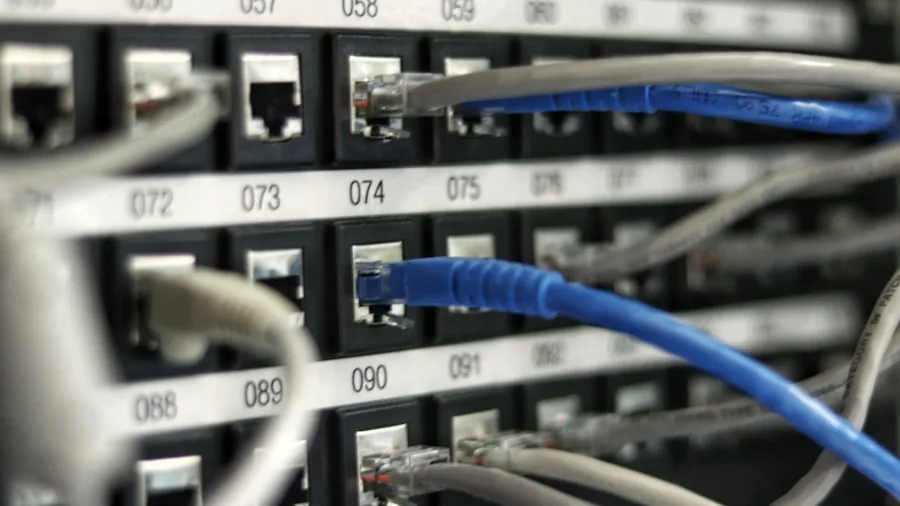
Simply installing additional powered devices near your Z-Wave controller wastes their potential to extend your network. A powered device positioned beside your hub contributes minimally to mesh coverage. Instead, place powered repeaters at intermediate locations between your controller and your furthest devices, spreading them at reasonable intervals throughout your home.
Controller placement also matters considerably. While the instinctive approach is positioning your controller next to your smart home hub, this may not be optimal for network coverage. If your hub’s location isn’t ideal, consider running software like Z-Wave JS on a separate device, such as a Raspberry Pi. This allows you to position your controller in a better location while keeping it accessible to your smart home hub over your home network.
Remove Ghost Devices Before They Cause Problems
When a Z-Wave device fails or gets removed without proper network exclusion, your controller retains a phantom node for that missing device. These ghost devices create routing problems, especially when other devices attempt to use a nonexistent repeater as part of their paths. This unnecessary traffic further slows your network.
Prevent this issue by manually excluding devices from your network before removing them. If a device dies unexpectedly or you forget to exclude it beforehand, you can typically remove it through your smart home software. Most platforms offer straightforward options for deleting orphaned Z-Wave devices without rebuilding your entire network.
Control Overly Chatty Devices That Flood Your Network
Z-Wave operates on limited bandwidth by design, intended for small, reliable messages sent efficiently over distance and low power. Most Z-Wave devices transmit brief data packets, such as commands to turn lights on or unlock doors. Some devices, however, communicate far more frequently than necessary.
Energy-monitoring smart plugs exemplify this problem. They detect minor power consumption fluctuations and can overwhelm your network with unnecessarily frequent status updates, congesting the mesh for all other devices. If your device supports configuration adjustments, increase the reporting interval to reduce transmission frequency. Many devices also allow you to modify reporting thresholds so that minor changes don’t trigger constant updates.
Older Z-Wave devices may use legacy S0 security, which generates more network traffic than the newer S2 security standard. If a device supports S2, switching to it can significantly reduce congestion on your Z-Wave network.
Avoid Unnecessary Network Healing Cycles
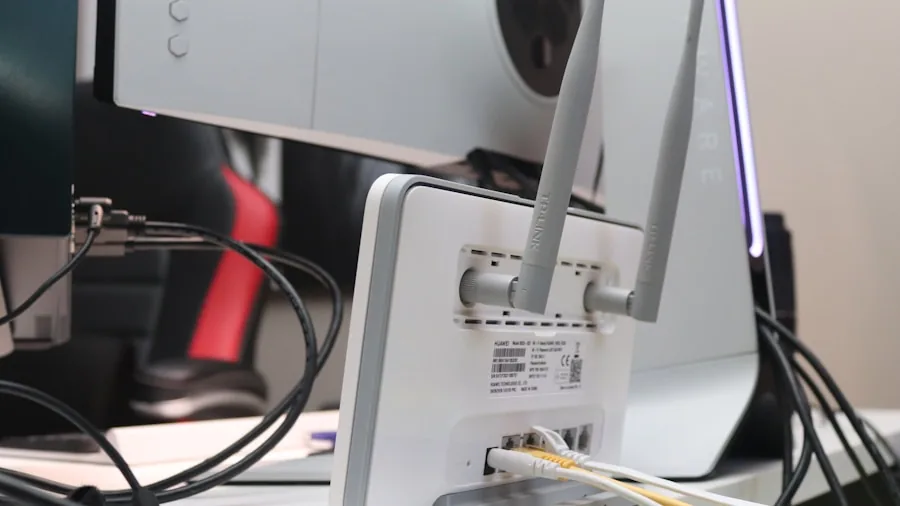
Z-Wave includes a process called healing, recently renamed route rebuilding, that lets your controller discover and assign new paths to each device. Many users assume this feature functions as a network cure-all, but that’s not accurate. In fact, network rebuilding without justification often backfires.
Rebuilding routes causes your entire network to recalculate device paths, which temporarily slows everything down. Worse, newly assigned routes may perform worse than the ones they replace. Network rebuilding makes sense only after significant changes that genuinely affect routing, such as moving devices, adding repeaters, or removing devices. Some platforms allow you to rebuild routes for individual devices rather than your entire network, which is a more targeted approach.
Running a full network rebuild when nothing has changed wastes processing power and may leave you with suboptimal routing. Reserve this maintenance step for situations where it actually solves a problem.
Bringing Speed Back to Your Z-Wave Network
Z-Wave’s reliability remains one of its most valuable strengths for smart home automation. You shouldn’t accept sluggish response times or delays just to maintain that dependability. A few strategic adjustments to device placement, network composition, and configuration can transform your Z-Wave system from frustratingly slow to responsibly responsive. Start by evaluating your current setup against these five common mistakes, and you’ll likely find quick wins that restore your smart home’s snappy performance.
About the author
Danielle writes about mesh Wi-Fi systems for REMOVU, weighing speed, whole-home coverage, and easy setup. She helps readers blanket large homes in reliable Wi-Fi without dead zones.