7 Hidden Google Lens Features You’re Probably Not Using
Discover powerful Google Lens capabilities most people don't know about, from instant translation to AI troubleshooting.
 By Ava Herrera
Updated August 22, 2026
By Ava Herrera
Updated August 22, 2026

Google Lens has evolved from a simple object recognition tool into a powerhouse that transforms how you interact with the world around you. Many users only scratch the surface of what this camera-based AI can do. If you’re not taking advantage of its hidden capabilities, you’re missing out on features that can genuinely simplify your daily life, from travel to shopping to fixing things around your home.
1. Translate Text in Real Time While Traveling
One of the most practical applications for Google Lens is real-time translation, which has become remarkably sophisticated. When you’re traveling to a country where you don’t speak the language, pointing your camera at street signs, restaurant menus, or informational placards instantly shows you translations in your preferred language. The experience feels like wearing translation goggles that let you read anything in front of you.
To use this feature, open Google Lens and tap the Translate tab at the bottom. Select your starting language (or leave it on auto-detect), then choose your target language. You’ll see dozens of options available. Some languages have a small download arrow next to them, meaning you can download offline translation packs before your trip. This preparation ensures you can translate even without internet access, making it invaluable when traveling internationally.
2. Beam Text from Your Phone to Your Computer Instantly
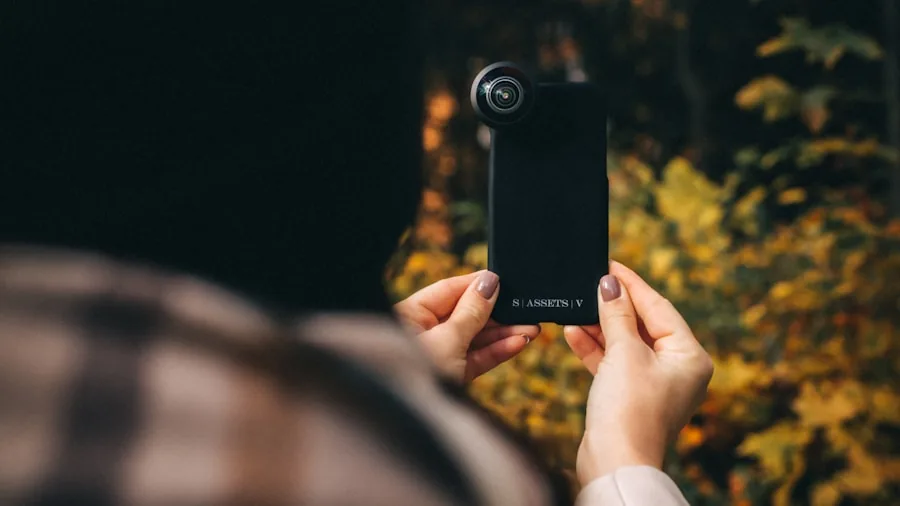
Here’s a feature that feels almost magical: you can copy text from the physical world directly to your computer’s clipboard. Whether you’re looking at a textbook page, a concert poster, or a business card, Google Lens can extract that text and send it straight to your PC.
The process is straightforward. Point Google Lens at any text, take the picture, tap Select Text, then tap the three dots menu and choose Copy to Computer. Lens will show you a list of every computer currently signed into Chrome on your account. Select the device you want, and within seconds, the text appears on your computer’s clipboard. The magic part is that your devices don’t even need to be on the same Wi-Fi network for this to work. This cross-device functionality makes it incredibly convenient for digitizing handwritten notes, capturing quotes from books, or transferring contact information from business cards.
3. Identify Products, Plants, and Artwork You Want to Buy
Shopping becomes infinitely easier when you can instantly identify anything you see. Spotted a plant you can’t name? Found a shirt or pair of shoes you love? Saw an artwork that would perfect your living room? Google Lens identifies these items and often shows you exactly where to buy them.
Use the default Search mode in Lens and point your camera at whatever caught your eye. After taking a picture, you’ll see Google search results, visual matches from retailers, and information about the item. The visual matches section frequently includes direct shopping links. For example, you might photograph a vintage canvas print and discover it’s available on multiple retail sites. This feature works surprisingly well across clothing, furniture, plants, electronics, and accessories, making it perfect for impulse purchases you want to research before committing.
4. Have Real-Time AI Conversations About What You’re Seeing
Google Lens includes a Live mode that lets you have an ongoing conversation with AI about whatever your camera is pointing at. This is phenomenally useful when you’re troubleshooting problems around your home. Instead of searching the internet for solutions, you can point your camera at the issue and ask questions directly.
For example, if you’re dealing with a loose fixture or a malfunctioning appliance, activate Live mode and ask how to fix it. The AI provides step-by-step guidance based on what it sees. You’re essentially having a consultation with someone who can see your exact problem. This approach works better than generic internet searches because the AI is responding to your specific situation, not generic scenarios.
5. Access All Features Across Your Devices
On Android, you can download Google Lens as a standalone app from the Play Store for free. Many Android devices come with it pre-installed. If you’re an iPhone user, Google Lens functionality is built into the Google app. Open the Google app, tap the camera icon to the right of the search field, and you have access to all the same features.
The beauty of Google Lens is consistency across platforms. Whether you’re using Android or iOS, and whether you’re accessing it standalone or through the search app, all these features work the same way. This uniformity makes it easy to develop habits and workflows that work regardless of which device you’re holding.
6. Build Your Offline Capabilities Before You Need Them
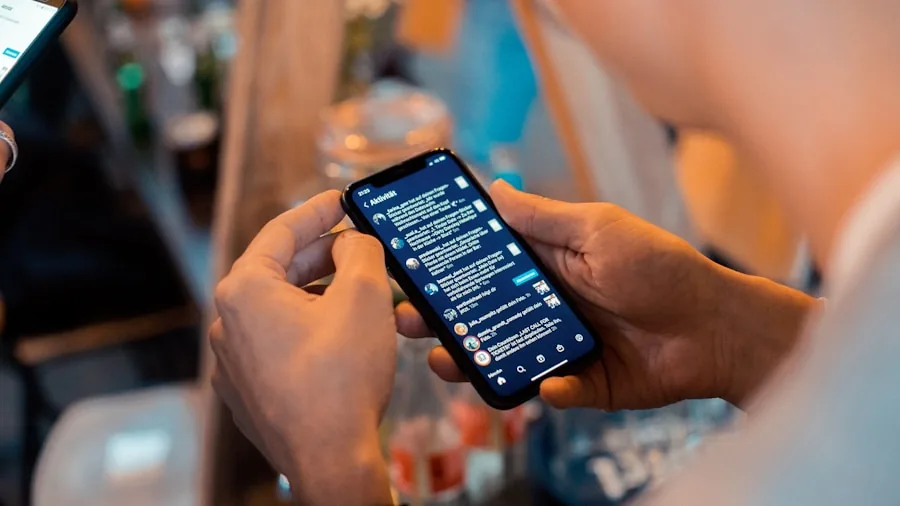
If you plan to travel or work in areas with unreliable internet, take a few minutes to download offline packs for the languages you’ll need. This proactive step ensures you maintain full translation capabilities even when connectivity is limited. Similarly, familiarize yourself with tools that work seamlessly across devices to maximize your mobile productivity.
Why Google Lens Deserves More Attention
Google Lens has been around for nearly a decade, but many of its most useful features have been added more recently. The Copy to Computer function, Live AI conversations, and enhanced product identification represent genuine breakthroughs in mobile productivity. Whether you’re a frequent traveler who needs translation, a shopper who wants to identify products on the fly, or someone who appreciates having AI assistance for household problems, Google Lens offers practical solutions you should be using regularly.
About the author
Ava is REMOVU's laptop writer, balancing speed, battery life, and build quality against price across the whole range. She helps readers find the sweet spot as each new chip shifts what a dollar buys.