How to Choose a Fitness Tracker When New Models Keep Appearing
Compare trackers across battery life, health accuracy, features, and price to find your perfect fit.
 By Katherine Perez
Updated August 17, 2026
By Katherine Perez
Updated August 17, 2026
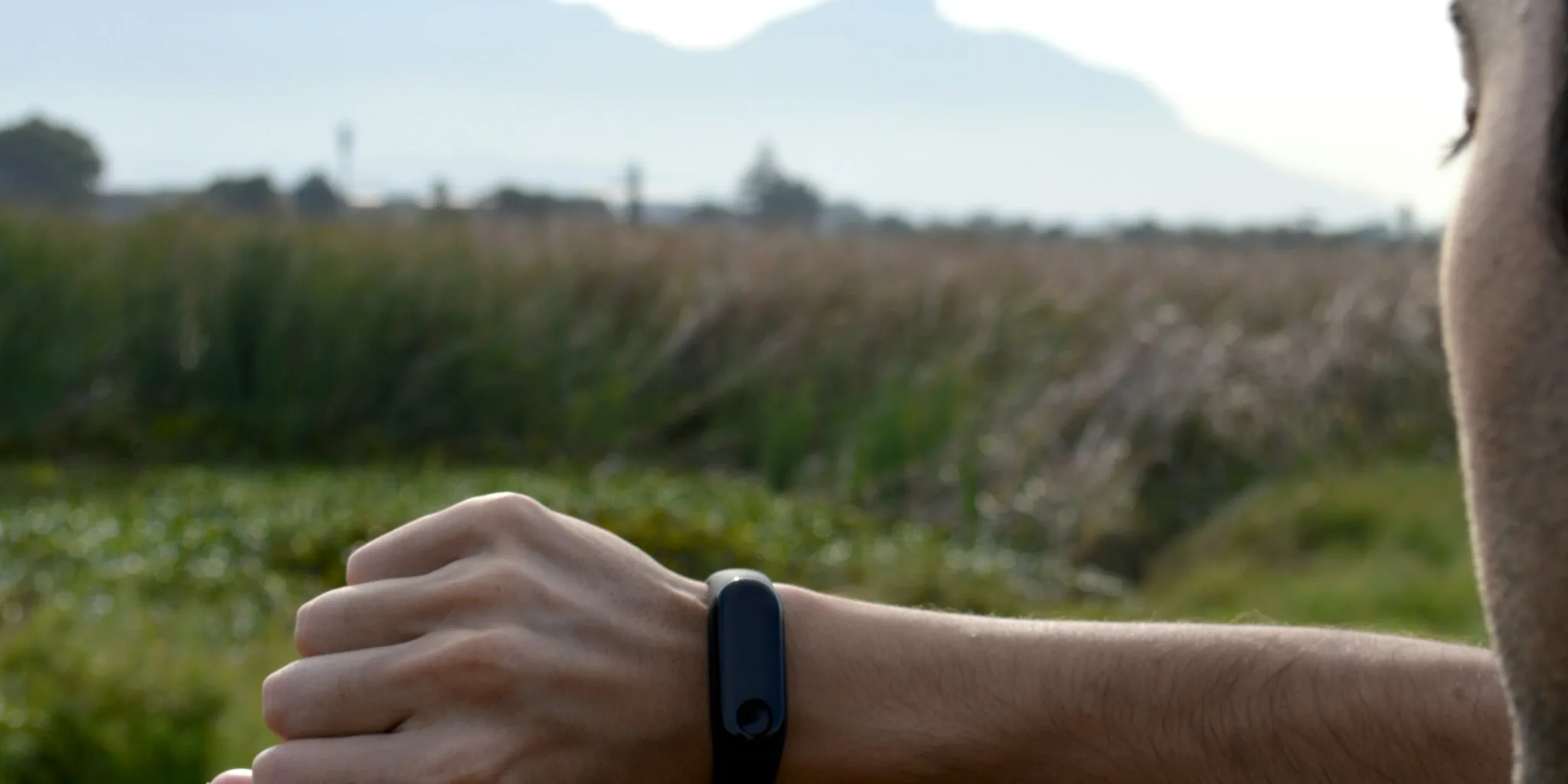
The fitness tracker market is getting crowded, and with new devices appearing in advertising campaigns before official announcements, choosing the right one for your needs can feel overwhelming. Whether you’re looking for basic activity tracking or a device with advanced health monitoring, understanding the landscape of available options will help you make a confident purchasing decision.
Understand the Different Categories of Fitness Trackers
Fitness trackers come in several distinct categories, each designed for different user priorities. Basic fitness bands focus primarily on step counting, calorie estimation, and workout logging. These devices typically feature a small screen or no screen at all, keeping costs down while delivering straightforward health metrics. Mid-range options add continuous health monitoring capabilities like heart rate tracking, sleep analysis, and stress detection. Premium devices often function as full smartwatches, combining fitness features with notifications, music control, and app ecosystems. Understanding where each device sits in this spectrum helps you avoid paying for features you won’t use or compromising on the ones you need most.
Determine Your Primary Use Case

Before comparing specific models, clarify what matters most to you. Are you training for a specific athletic goal, monitoring chronic health conditions, or simply staying aware of your daily activity levels? Someone training for endurance events may prioritize GPS accuracy and battery life, while a person focused on sleep quality might value advanced sleep tracking algorithms. If you’re interested in broader smartwatch functionality, the best smartwatches for swimming offer waterproofing and sports-specific features that standard fitness trackers may lack. Consider whether you need notifications, music playback, or contactless payment alongside your health metrics. Your primary use case will naturally narrow down which categories and price points make sense for your situation.
Compare Battery Life and Durability
Battery longevity directly impacts your daily experience. Some fitness trackers require daily charging, while others can go two to three weeks between charges. Daily charging isn’t necessarily a dealbreaker if you can charge during your regular routine, but longer battery life reduces maintenance burden. Durability matters equally, especially if you exercise outdoors or in water. Look for devices with water resistance ratings that match your activities: casual workouts need different protection levels than competitive swimming or surfing. The band material also affects longevity and comfort; some users experience skin irritation from certain materials or prefer metal over rubber. Reading owner feedback about long-term durability will reveal which models hold up through extended use.
Evaluate Health Tracking Accuracy
Not all sensors are created equal. Entry-level fitness trackers may offer basic step counting that’s accurate within ten to fifteen percent, while optical heart rate sensors vary significantly in precision depending on skin tone, fit, and movement type. If health metrics will influence personal medical decisions, prioritize trackers with clinically validated algorithms or those used in published research studies. Some devices offer electrocardiogram functionality or blood oxygen monitoring, features that bridge the gap between fitness tracking and medical-grade health monitoring. Reviews from users with similar characteristics to yours provide insights into real-world accuracy. Published comparisons from health technology researchers also highlight which models perform reliably across diverse populations.
Check Ecosystem Compatibility
A fitness tracker’s value multiplies when it integrates seamlessly with apps and services you already use. Some devices feed data into comprehensive health platforms that consolidate information from multiple sources, while others maintain proprietary ecosystems. If you use specific fitness apps, coaching platforms, or health management software, verify that your candidate tracker supports integration or data export. Consider whether you prefer a device that works equally well across iPhone and Android platforms or if you’re comfortable with a single-ecosystem solution. Ecosystem lock-in can be advantageous if you’re deeply invested in a particular manufacturer’s products, but it can also limit your future flexibility.
Assess Price Relative to Features
Fitness trackers range from under $100 to over $400, and the most expensive option isn’t always the best fit for your needs. Budget options deliver reliable activity tracking and basic health monitoring without advanced features. Mid-range devices typically include the features that matter to most active people: continuous heart rate monitoring, workout detection, and sleep analysis. Premium options add smartwatch capabilities that may not directly improve fitness tracking but enhance overall daily usability. Calculate your personal value per feature: if you’ll never use music control or messaging, paying extra for a full smartwatch doesn’t make financial sense. Conversely, if those features align with your lifestyle, the integrated device saves you from managing multiple wearables.
Consider Future Product Announcements

The fitness wearable market evolves rapidly, with new devices regularly entering the landscape. If you’ve noticed advertising hinting at unreleased models, waiting for official announcements might reveal options perfectly aligned with your preferences. Manufacturers often address shortcomings in previous generations, so understanding what functionality improvements are reportedly in development helps inform your timing. However, don’t let the possibility of a new release prevent you from upgrading an older device if you need better functionality now. Fitness benefits accumulate over time, so choosing a capable tracker available today may serve you better than waiting indefinitely for something hypothetical.
Make Your Selection with Confidence
Choosing a fitness tracker involves balancing personal priorities, features, ecosystem preferences, and budget. By systematically evaluating these factors rather than chasing the newest announcement, you’ll select a device that genuinely improves your health awareness and fits your daily routine. The market offers genuinely capable options at every price point, ensuring that informed shoppers find excellent value regardless of their budget level.
About the author
Katherine covers fitness and activity trackers for REMOVU, focusing on sensor accuracy, battery life, and useful daily insights. She helps readers track steps, sleep, and workouts without the bulk of a full smartwatch.