7 Tips to Maximize Battery Life When Choosing a Portable Bluetooth Speaker
Master battery evaluation: compare realistic specs, understand the size-capacity tradeoff, and match your speaker choice to actual listening patterns.
 By Donald Fields
Updated August 17, 2026
By Donald Fields
Updated August 17, 2026

Why Battery Life Matters in Portable Speakers
When you’re shopping for a portable Bluetooth speaker, one of the most critical specifications to evaluate is battery life. Unlike a speaker plugged into the wall, a portable device depends entirely on its internal battery to keep the music playing during outdoor adventures, travel, or everyday use. A speaker that dies halfway through your beach day or weekend camping trip defeats the entire purpose of portability. Understanding how to assess and maximize battery performance ensures you get real value from your investment.
1. Look Beyond the Marketing Claims

Manufacturers often advertise maximum battery life under ideal conditions, but real-world performance varies significantly. When comparing models, check the battery rating at moderate volume levels, not maximum output. Many speakers are rated at lower volumes to show longer playback times. A speaker promising eight hours at modest volume might deliver only four or five hours when you actually want to hear the music clearly at a gathering. Compare multiple models side by side and consider reviews from verified purchasers to understand what you can realistically expect.
2. Consider Features That Extend Playback Time
Modern Bluetooth speakers increasingly include features designed to stretch battery life further. Power-saving modes, efficiency enhancements, and battery boost functions can add hours to your listening time without sacrificing audio quality. Some newer models include technologies that optimize power consumption while maintaining reasonable volume levels. If extended playback is a priority, seek out speakers that explicitly mention these efficiency features in their specifications.
3. Evaluate the Physical Tradeoffs
Larger speakers generally hold bigger batteries and deliver longer playback than compact models. If you need all-day listening without recharging, you may need to sacrifice the ultra-portable size that fits easily into a bag. Conversely, a small speaker that weighs half a pound and measures only a few inches wide will have inherent battery limitations simply due to physical constraints. Decide which matters more: maximum portability or maximum runtime. This decision determines which product class makes sense for your needs.
4. Check the Codec and Connectivity Standards
The Bluetooth standard and audio codec your speaker uses affects battery consumption. Newer standards like Bluetooth 5.0 or higher with advanced codecs can be more power-efficient than older versions. While the difference may only be an hour or two, that can matter during a full day outdoors. When you’re deciding between models in similar price ranges, comparing their Bluetooth generation and codec support provides one more data point for evaluating long-term value. Smartphones for battery life worth buying in 2026 often pair best with similarly efficient speakers.
5. Assess Durability Alongside Battery Performance
Battery life and durability often go hand in hand. A speaker built to withstand water, dust, and rough handling will likely use robust internal components that hold charge longer. Water-resistant models with upgraded protective ratings tend to preserve battery health through outdoor conditions that might damage cheaper alternatives. When comparing battery specifications, factor in durability too, because a speaker that survives your adventures maintains better long-term battery performance than one that fails within a season.
6. Plan Your Charging Strategy
Beyond raw battery hours, consider how quickly the speaker recharges and what charging options it supports. A speaker that fully recharges in two hours gives you more flexibility for back-to-back trips than one requiring six hours at an outlet. Modern speakers with USB-C charging provide faster turnaround than older micro-USB connectors. If you frequently take overnight trips, fast charging becomes as valuable as battery capacity itself. Having your speaker ready for another full day of use within a couple hours means you can charge during meals or breaks rather than waiting all evening.
7. Match Battery Life to Your Actual Usage Pattern
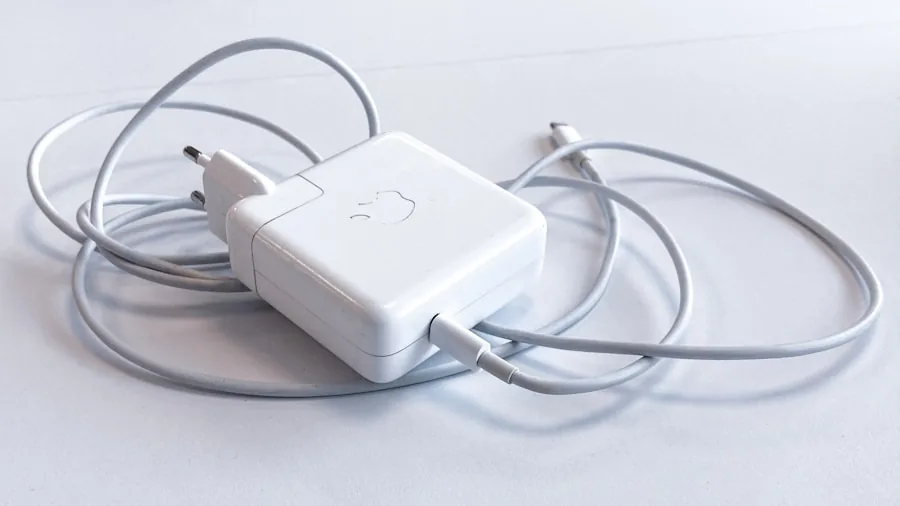
Honestly assess how long you typically listen at one sitting. If most of your speaker use involves a few hours at picnics, work lunches, or casual home listening, you don’t need a model rated for twelve hours. Spending extra on maximum battery capacity wastes money if you rarely need it. Conversely, if you regularly spend entire days outdoors or travel frequently, investing in a model with verified eight-plus-hour battery life becomes essential insurance against dead batteries ruining your plans. UPS battery backups worth buying under $200 can serve as emergency charging solutions if you want backup power for multiple devices on extended trips.
Final Thoughts
Battery life remains one of the most practical considerations when selecting a portable Bluetooth speaker. By looking past marketing language, understanding the relationship between size and capacity, and matching specifications to your real-world needs, you can find a speaker that delivers reliable, all-day listening without forcing you to keep one eye on a battery meter. The right battery performance means more time enjoying your music and less time worrying about power.
About the author
Donald is REMOVU's Bluetooth speaker writer, judging sound that punches above its size, battery life, and how well each speaker survives a splash or a drop. He compares pocket models and backyard boomboxes to find honest value.