The 9 Best Gaming Headsets with Mic
Sound and voice quality both matter when you game. These gaming headsets with mic cover every budget, from budget wired picks to premium options with spatial audio and wireless freedom.
 By Veronica Sanchez
Updated July 26, 2026
By Veronica Sanchez
Updated July 26, 2026

A great gaming headset with a mic can transform your experience at the desk, whether you’re deep in a ranked match, coordinating with teammates, or streaming to an audience.
The combination of immersive audio and a reliable microphone directly shapes how you hear the game and how clearly others hear you.
With so many options across wired and wireless designs, driver sizes, and price tiers, it’s easy to get overwhelmed by specs that don’t always translate to real-world performance.
At REMOVU, we cut through the noise by analyzing verified buyer feedback, published technical specifications, and expert review consensus across the category, from budget-friendly picks by Turtle Beach and FIFINE to premium wired models from HyperX and Razer.
Whether you prioritize crystal-clear voice pickup, all-day comfort, or multiplatform compatibility, our picks cover the full range. Read on to see which gaming headsets with mic earned a spot on our shortlist.
| Award | Product | REMOVU Score About REMOVU ScoreThe REMOVU Score is our own rating from 0 to 10, based on performance, design and build, ease of use, and value. It reflects independent research and is never influenced by manufacturers, retailers, or affiliate commissions. Learn more › | Price | |
|---|---|---|---|---|
| Best Overall |
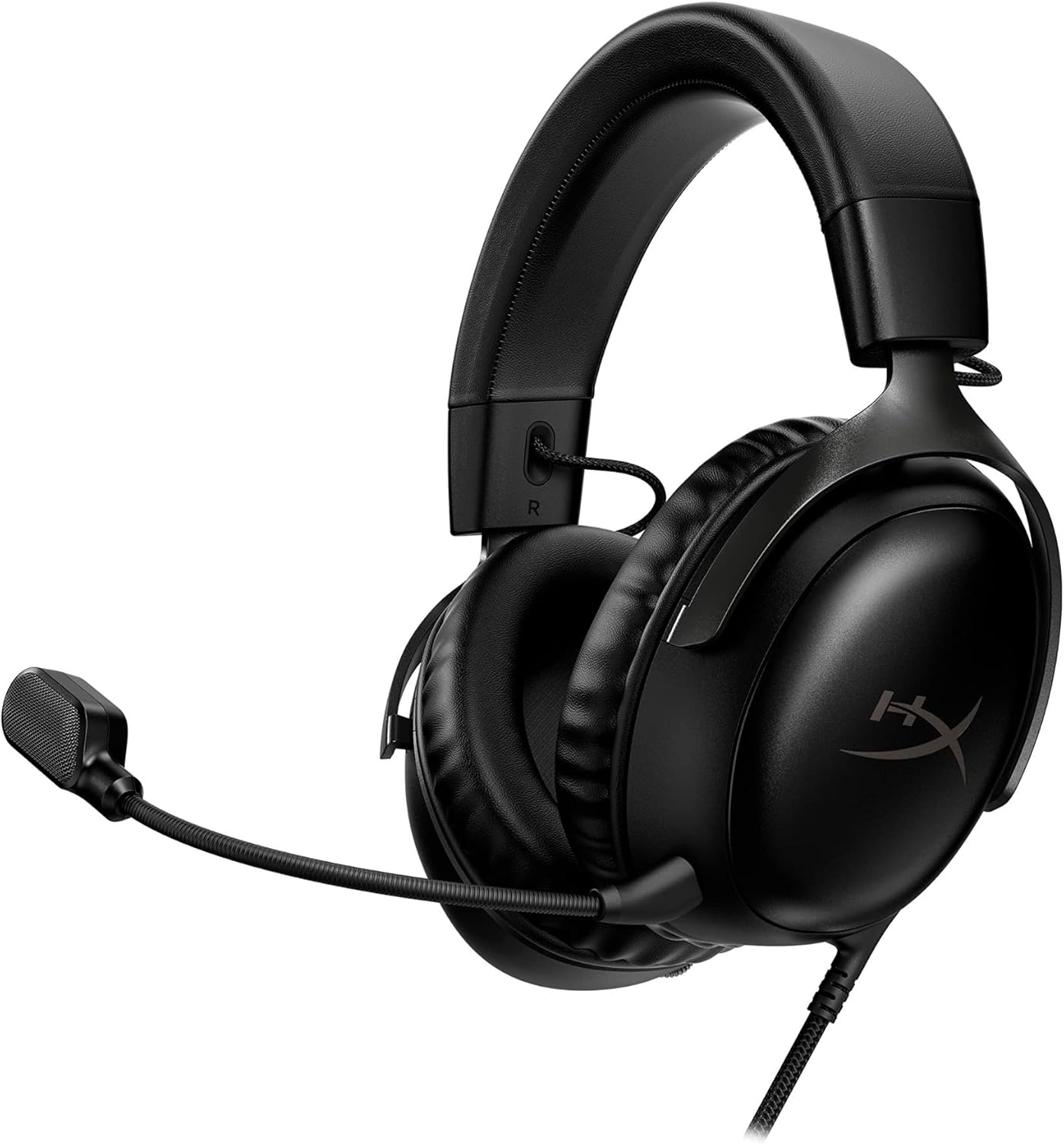 HyperX Cloud III Wired Gaming Headset
|
8.4/10 | Buy | |
| Best Premium |
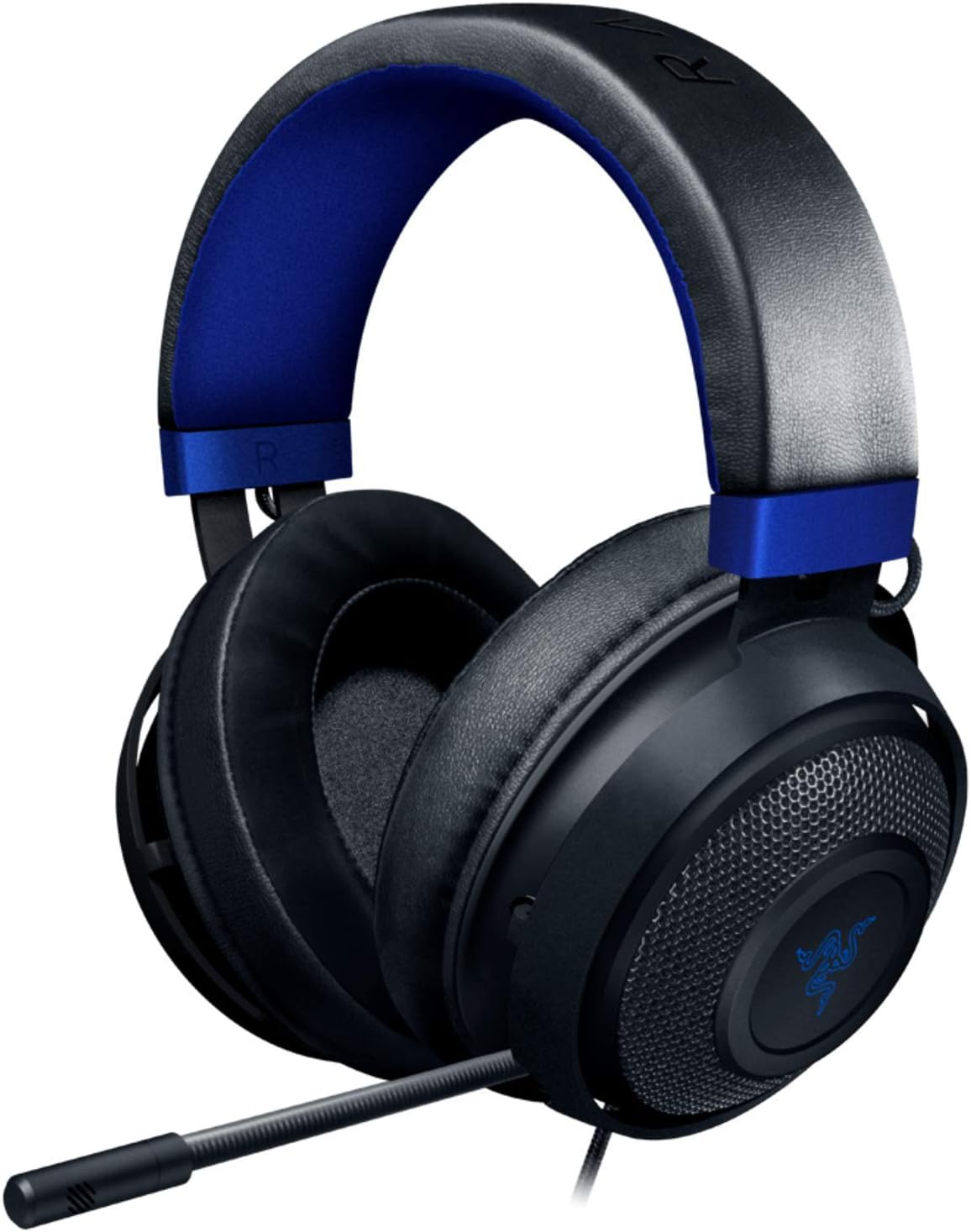 Razer Kraken Console Gaming Headset
|
8.3/10 | Buy | |
| Best Value |
 Razer BlackShark V2 X Gaming Headset
|
7.3/10 | Buy | |
 Razer BlackShark V3 X HyperSpeed Wireless
|
7.8/10 | Buy | ||
 Acer Tri-Mode Gaming Headset
|
7.2/10 | Buy | ||
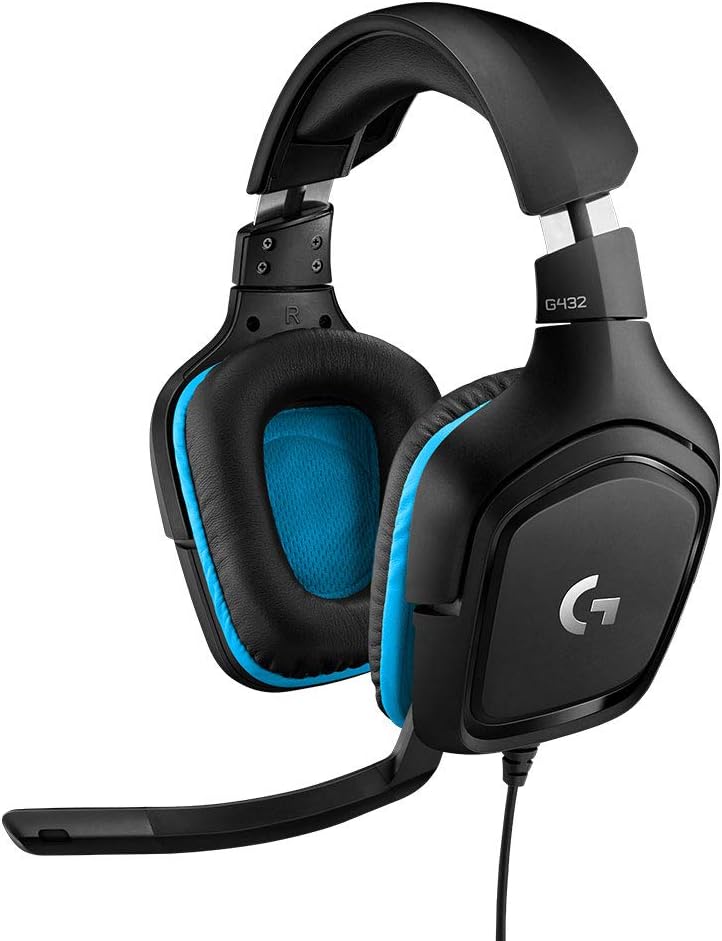 Logitech G432 Wired Gaming Headset
|
7.1/10 | Buy | ||
 FIFINE AmpliGame H9 Gaming Headset
|
6.4/10 | Buy | ||
| Best Budget |
 Turtle Beach Recon 70 Wired Gaming Headset
|
6.7/10 | Buy | |
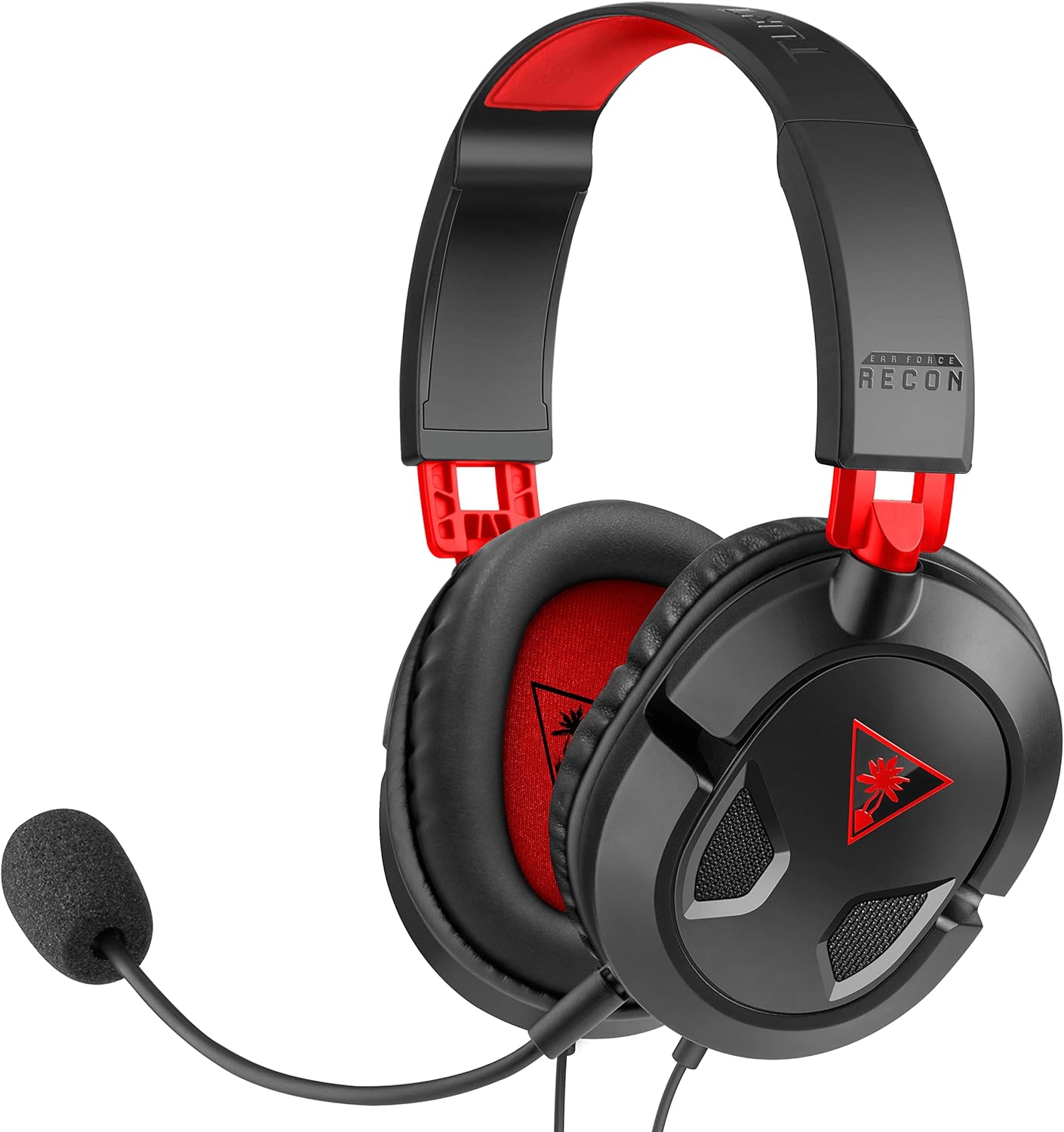 Turtle Beach Recon 50 Wired Gaming Headset
|
6.2/10 | Buy |
HyperX Cloud III Wired Gaming Headset
The HyperX Cloud III is a comfortable, durable wired gaming headset with tuned 53mm drivers and DTS spatial audio, designed for long sessions across PC, PlayStation, Xbox, and Nintendo Switch. It excels in comfort and build quality, making it a solid choice for gamers prioritizing durability and all-day wearability over wireless convenience.
Pros
- Exceptional comfort for extended gaming sessions thanks to signature memory foam construction
- Durable aluminum frame resists damage from travel and accidental drops
- Lifetime DTS spatial audio activation provides competitive audio advantage in competitive games
- Works across PC, PS5, Xbox Series X/S, Nintendo Switch, and mobile devices with included connectors
- Clear, noise-cancelling microphone with visual mute indicator for reliable team communication
Cons
- Wired connection limits mobility compared to wireless alternatives, though ensures zero latency
- No active noise cancellation for blocking external ambient sound during gameplay
- Requires DTS software installation on PC to fully utilize spatial audio features
Razer Kraken Console Gaming Headset
The Razer Kraken for Console delivers immersive 7.1 surround sound with custom 50mm drivers and cooling gel cushions designed for all-day gaming comfort. Its retractable noise-isolating microphone and cross-platform compatibility make it an excellent choice for console gamers seeking clarity and durability without breaking the bank.
Pros
- Exceptional sound quality with punchy bass and clear mids ideal for both competitive and casual gaming
- Superior comfort during long sessions thanks to cooling gel cushions and oval ear cup design
- Retractable microphone stays out of the way when not needed, with clear voice transmission for team play
- Durable aluminum construction with flexible design ensures longevity through frequent use
- True cross-platform compatibility covers all major gaming ecosystems without adapter hassles
Cons
- Wired connection via 3.5mm jack limits mobility compared to wireless alternatives, though ensures zero latency
- 7.1 surround sound requires Windows 10 64-bit software support, limiting full feature access on other platforms
- Cooling gel cushions may require periodic maintenance to maintain optimal heat-dissipation performance over time
Razer BlackShark V2 X Gaming Headset
The Razer BlackShark V2 X delivers competitive gaming audio at an accessible price point, featuring TriForce 50mm drivers for balanced sound and a cardioid mic that prioritizes voice clarity. Best suited for PC and console gamers seeking reliable performance without premium pricing.
Pros
- Balanced audio signature with TriForce driver technology delivers clarity across all frequency ranges
- Excellent microphone quality with cardioid pickup pattern minimizes background noise for team communication
- Lightweight and comfortable design reduces fatigue during competitive tournaments and long gaming marathons
- Works seamlessly across multiple platforms via standard 3.5mm connection
- Strong value proposition at under $40 with proven Razer engineering
Cons
- 7.1 surround sound limited to Windows 10 64-bit, reducing immersion on Mac and console platforms
- Passive noise cancellation, while effective, does not match active noise cancellation found in premium models
- 3.5mm jack connection may require separate adapter for some Xbox One setups
Razer BlackShark V3 X HyperSpeed Wireless
A lightweight wireless gaming headset with 50mm drivers, 7.1 surround sound, and triple connectivity (2.4GHz, Bluetooth, USB) that delivers competitive audio clarity and a detachable cardioid mic. Best for PC and console gamers seeking low-latency performance without breaking the bank.
Pros
- Exceptional battery life at 70 hours eliminates frequent charging interruptions
- Three connectivity modes (2.4GHz, Bluetooth, USB) provide flexibility across gaming ecosystems
- Featherweight 270g construction reduces neck strain during extended play sessions
- Detachable microphone with unidirectional pattern minimizes background noise pickup
- Competitive pricing for a feature-rich wireless gaming headset with surround sound
Cons
- No active noise cancellation, limiting use in loud environments outside gaming
- Limited information on durability and build quality longevity from customer reviews
- Surround sound quality depends heavily on game optimization and audio source calibration
Acer Tri-Mode Gaming Headset
The Acer tri-mode gaming headset delivers solid performance across PS5, PS4, PC, and Switch with ultra-low latency (20ms), 50mm drivers, and a 40-hour battery life. It's a versatile, comfort-focused option for gamers who need cross-platform compatibility and all-day wearability without breaking the bank.
Pros
- Exceptional 40-hour battery life outlasts most gaming headsets on a single charge
- Ultra-low 20ms latency eliminates audio lag for competitive and immersive gaming
- Tri-mode connectivity (wireless, Bluetooth, wired) works across all major gaming platforms
- Memory foam cushions and adjustable headband deliver comfort during extended sessions
- Detachable noise-canceling mic keeps voice clear during team play and video calls
Cons
- Limited information on sound profile and EQ customization options in available data
- No active noise cancellation for ambient sound isolation during gameplay
- Requires separate charging (no passive audio option when battery depletes)
Logitech G432 Wired Gaming Headset
The Logitech G432 delivers immersive 7.1 surround sound through DTS Headphone:X 2.0 and 50mm drivers at an affordable price point. Best suited for competitive gamers and console players seeking positional audio awareness without breaking the bank.
Pros
- Superior positional audio helps identify enemy locations and in-game directional cues
- Exceptional compatibility across multiple gaming platforms and devices
- Lightweight and comfortable design with rotating ear cups for hours of gameplay
- Clear microphone communication with convenient flip-to-mute functionality
- Strong value for money with professional-grade surround sound features
Cons
- DTS Headphone:X 2.0 surround sound requires Logitech G HUB software installation
- Wired connection limits mobility compared to wireless alternatives
- No RGB lighting or programmable buttons found on competing models at similar price points
FIFINE AmpliGame H9 Gaming Headset
The FIFINE H9 is a budget-friendly wired gaming headset with 7.1 surround sound, dual connectivity (USB and 3.5mm), and a detachable mic, making it a solid choice for console and PC gamers on a tight budget. Its lightweight design and USB control box offer good value, though audio quality is typical for the price point.
Pros
- Exceptional platform compatibility across all major gaming devices with simple plug-and-play setup
- 7.1 surround sound provides genuine competitive edge in FPS and tactical games for locating enemies
- Lightweight construction and ventilated ear pads enable comfortable 8+ hour gaming sessions
- Intuitive USB control box eliminates need for software and keeps you focused on gameplay
- Clear microphone quality ensures seamless team communication in multiplayer raids and competitive matches
Cons
- Audio quality is solid but not premium, with typical consumer-grade driver performance at this price
- Wired design limits mobility compared to wireless alternatives, though the 10-foot cable is generous
- 7.1 surround sound is virtual processing rather than true multi-driver surround, standard for the category
Turtle Beach Recon 70 Wired Gaming Headset
The Turtle Beach Recon 70 is a budget-friendly wired gaming headset that delivers solid audio performance across PS5, Xbox, PC, and mobile devices. Its lightweight design, flip-to-mute mic, and 40mm speakers make it an excellent value choice for casual to moderate gamers who prioritize comfort during long sessions.
Pros
- Exceptional value at under 25 dollars with a 4.4 out of 5 rating from nearly 70,000 verified purchases
- Truly multiplatform compatible with no software or drivers needed, thanks to universal 3.5mm jack design
- Lightweight at just 0.51 pounds makes it ideal for extended gaming marathons without neck strain
- Passive wired design means no charging hassles or battery anxiety during competitive gaming sessions
- Reliable flip-to-mute microphone with high sensitivity captures voice commands clearly for team-based games
Cons
- Wired connection with 4-foot cable limits mobility compared to wireless alternatives and may feel restrictive during active gameplay
- Spatial audio technologies like Dolby Atmos and DTS:X require additional app downloads and purchases on most platforms
- No active noise cancellation, relying solely on passive isolation which may not block external distractions in loud environments
Turtle Beach Recon 50 Wired Gaming Headset
The Turtle Beach Recon 50 is a lightweight, wired gaming headset with 40mm speakers and a removable mic that works across PC, Mac, PlayStation, and Xbox with an included splitter cable. It's a solid budget option for multiplatform gamers who prioritize comfort during long sessions and don't need wireless connectivity.
Pros
- True multiplatform compatibility eliminates the need for multiple headsets across different gaming devices
- Lightweight construction and soft ear cushions provide all-day comfort for marathon gaming marathons
- Removable microphone adds versatility for entertainment use beyond gaming
- In-line controls offer convenient volume and mute adjustments without pausing gameplay
- No battery dependency means always-ready performance with zero charging downtime
Cons
- Wired connection limits mobility compared to wireless alternatives, though the 4-foot cable is standard for console gaming
- Requires PC splitter cable for computers with separate audio and mic jacks, adding setup complexity for some users
- No active noise cancellation or advanced audio features found in premium gaming headsets at higher price points
Gaming Headsets with Mic Buying Guide
Picking a gaming headset with a mic involves more than matching a brand to your console.
The headset you choose will affect how long you can wear it in a single session, how clearly your voice comes through in squad chat, and whether it holds up across different platforms.
The subsections below walk through the criteria that matter most, so you can match the right model to your setup and habits.
If you also use headphones for non-gaming listening, our roundup of over-ear headphones covers the broader audiophile side of the market.
Sound Quality and Driver Size

The driver is the heart of any headset. Larger drivers, typically 50mm, move more air and generally produce wider soundstages with stronger bass, which matters in games where environmental audio cues like footsteps and distant gunfire are critical.
Smaller 40mm drivers can still perform well, especially when tuned carefully, and often weigh less.
Look at how a headset handles both the lows and the highs, because a headset that overemphasizes bass can actually obscure midrange cues that alert you to nearby enemies.
Spatial or surround sound processing, whether hardware-driven like DTS Headphone:X 2.0 or software-powered like Windows Sonic, adds directional layering to stereo or 7.1 virtual channels. This is useful for titles with complex three-dimensional audio design.
Keep in mind that some surround modes require a USB connection, while the 3.5mm analog path delivers stereo only. Always check which connection method unlocks the full audio feature set for a given model.
Frequency response curves and driver tuning differ significantly between gaming-focused headsets and studio-oriented headphones for mixing. Gaming headsets typically apply a V-shaped EQ profile that boosts bass and treble for impact, whereas mixing headphones aim for flat reference accuracy.
Knowing which profile fits your use case prevents buyer’s remorse.
Microphone Type and Clarity

The microphone is often the most overlooked spec until teammates start complaining. Boom mics, those that extend out on an adjustable arm, consistently outperform fixed or in-line mics because they sit closer to your mouth and reject more background noise.
A cardioid polar pattern is the standard for gaming; it captures your voice from the front and sides while rejecting ambient sound from behind the capsule.
Mic diameter matters too. A 10mm capsule, as found on the HyperX Cloud III, typically captures more presence and detail than the smaller capsules used in budget options.
Flip-to-mute mechanisms are a practical convenience feature: flipping the boom up physically breaks the signal, giving you a tactile and reliable way to mute without hunting for a software button mid-session.
Detachable boom mics, like those on the Razer BlackShark V2 X and FIFINE AmpliGame H9, give you the flexibility to use the headset as regular headphones when you’re not gaming.
If voice quality for streaming or content creation is a priority, consider pairing your headset with a dedicated option from the microphones category, which covers standalone solutions that go far beyond what any built-in boom can offer.
Comfort and Build for Long Sessions
Comfort becomes the defining factor in any session lasting more than two hours. Memory foam ear cushions conform to the shape of your ears and reduce hotspots better than standard polyurethane foam.
The clamping force, a measure of how firmly the ear cups press against your head, needs to be firm enough to maintain an acoustic seal but not so tight that it causes fatigue.
Lightweight frames, generally under 300 grams, reduce neck and head strain during extended play.
Headband padding and adjustability range also matter. A wide adjustment range accommodates more head sizes, and a self-adjusting or suspended headband distributes weight more evenly than a fixed bridge.
Leatherette ear cushions can cause heat buildup over time, while cloth-covered alternatives breathe better, though they may absorb sound slightly differently and are harder to clean.
Frame durability separates headsets that survive daily use from those that crack at the hinge after a few months. Aluminum or reinforced plastic frames, like the lightweight aluminum construction of the Razer Kraken, tend to outlast all-plastic builds.
Check user reviews specifically for long-term structural feedback, which our research factors heavily into each REMOVU Score.
Wired vs. Wireless Connectivity
Wired headsets deliver zero-latency audio and never require charging, making them the default choice for competitive play where any lag is unacceptable.
USB-C connections, as on the HyperX Cloud III, support both digital audio and compatibility with modern PCs and consoles. A 3.5mm analog connection is the most universal option, working across PC, console, and mobile without additional software.
Wireless headsets use either 2.4 GHz proprietary dongles or Bluetooth, and often support both simultaneously. The 2.4 GHz band offers lower latency than Bluetooth, making it suitable for competitive gaming.
Bluetooth is handy for casual use or pairing with a smartphone on the side. Battery life varies widely; budget wireless options may offer 20 to 30 hours per charge, while premium models push past 40 hours.
Always factor in charging time when evaluating wireless picks. If wireless audio quality and freedom from cables matter to you outside gaming too, our coverage of wireless over-ear headphones explores that space in depth.
Dual connectivity, which lets you switch between USB and 3.5mm on the same headset, adds versatility. The FIFINE AmpliGame H9 is a notable example at a budget price point, offering both paths plus a USB control box for on-the-fly adjustments.
Platform Compatibility
Most wired gaming headsets with a 3.5mm jack work across PC, PS5, Xbox Series X|S, Nintendo Switch, and mobile. However, some audio features are platform-locked.
Spatial audio processing through DTS Headphone:X 2.0, for example, requires a PC with the appropriate software. USB audio on PS5 enables different surround modes than the same USB connection on an Xbox.
Wireless headsets add another layer of compatibility to check. Some use a USB dongle that works with PC and PS5 but not with Xbox, which restricts your platform options.
Others include multi-platform dongles or Bluetooth fallback that covers nearly every device including smartphones and the Nintendo Switch. Always verify which platforms are explicitly supported before purchasing, especially if you regularly switch between systems.
In-Line Controls and Software

In-line volume control and mic mute buttons reduce the need to alt-tab out of a game for audio adjustments. Look for clearly tactile controls with distinct steps rather than smooth wheels, which are easier to operate without looking.
Some headsets, particularly those by Logitech, bundle software suites that allow EQ customization, surround sound toggling, and mic monitoring settings, all saved to onboard memory so your settings travel with the headset.
Sidetone, the feature that feeds your own voice back into the headphones at a low volume, helps prevent you from shouting in voice chat because you can no longer hear yourself.
It’s a subtle but genuinely useful feature for long sessions. Not all budget headsets offer it, so check the spec sheet if it matters to you.
For headphones focused on noise isolation without gaming-specific features, our guide to noise-cancelling headphones covers that use case separately.
Why You Should Trust Us
REMOVU is an independent review platform with no affiliation to any manufacturer, retailer, or gaming peripheral brand.
Every product in this guide was evaluated through our structured research methodology: we analyze published technical specifications, assess expert review consensus from across the industry, and factor in verified buyer feedback to build a complete picture of real-world performance.
We do not conduct our own product trials; our evaluations are grounded in research, published data, expert review consensus, and verified buyer feedback.
Each headset is scored on the REMOVU Score scale from 0 to 10 using a consistent set of criteria applied equally across all products in the category.
Those criteria include audio performance, microphone clarity, build quality and comfort, connectivity options, platform compatibility, and long-term value relative to price.
The same framework is applied whether we’re assessing a budget entry-level pick or a premium wireless model, which keeps comparisons fair and transparent.
REMOVU may earn a commission if you purchase through a link on this page. That affiliate relationship has no bearing on which products are included, how they are ranked, or what scores they receive.
Our editorial recommendations are driven entirely by the quality of each product relative to our evaluation criteria, not by commission rates or manufacturer relationships. We reassess our picks regularly to reflect new releases, updated pricing, and shifts in expert consensus.
Final Thoughts
The gaming headset market in 2026 spans an impressive range of price points and feature sets, and the picks in this guide represent the strongest options we found across every tier.
Below are the standout awards from our research, each matched to the product that earned it based on its REMOVU Score and category strengths.
- Best Overall: HyperX Cloud III earns the top spot with the highest REMOVU Score in this roundup. Its angled 53mm drivers, ultra-clear 10mm boom mic, USB-C and 3.5mm dual connectivity, and memory foam cushions combine to deliver an exceptional all-around experience that outperforms most rivals at its price tier.
- Best for Competitive PC Gaming: Razer Kraken stands out for its lightweight aluminum frame, retractable noise-isolating mic, and wide platform compatibility, making it a strong pick for players who move between PC, console, and mobile.
- Best Mid-Range Value: Razer BlackShark V2 X delivers near-premium audio quality with a detachable boom mic and a refined build at a mid-range price, making it one of the most competitive options in its tier by REMOVU Score.
- Best Budget Wired Pick: Logitech G432 offers DTS Headphone:X 2.0 surround sound and large 50mm drivers with a flip-to-mute mic at a budget-friendly price, making it the strongest sub-mid-range wired option in our research.
- Best Budget Entry-Level: Turtle Beach Recon 70 keeps costs as low as possible without sacrificing the essentials: a flip-to-mute mic, soft earpads, and broad multiplatform support for anyone just getting started.
If your needs extend beyond gaming, many of these headsets double as capable everyday listening devices. For passive noise isolation in travel or work contexts, our guide to over-ear noise-cancelling headphones covers purpose-built options in that category.
And if you’re building out a full audio setup on your gaming PC, the DACs and headphone amps category is worth exploring to get the most out of any wired headset you choose.
Frequently Asked Questions
What should I look for in a gaming headset mic?
Prioritize a cardioid boom mic that positions close to your mouth rather than an in-line or fixed mic. Larger capsule diameters and flip-to-mute mechanisms both improve voice clarity and usability.
If you stream or record, a detachable boom means you can swap in a standalone USB mic when needed without replacing the whole headset.
Are wired gaming headsets better than wireless ones?
Wired headsets offer zero latency and never need charging, which makes them the preferred choice for competitive play. Wireless headsets using a 2.4 GHz dongle have closed that latency gap significantly and are now viable for most gaming scenarios.
The trade-off is battery life management and a slightly higher price for equivalent audio quality. Your choice should reflect how much cable clutter bothers you versus how much you value uninterrupted play.
Do gaming headsets work on multiple platforms?
Most wired gaming headsets with a 3.5mm connection work across PC, PS5, Xbox, Nintendo Switch, and mobile devices without any additional setup. USB connections are generally compatible with PC and PS5 but may have limited support on Xbox.
Wireless headsets vary more widely, so always verify platform compatibility against the manufacturer’s spec sheet before buying.
Is 7.1 surround sound worth it on a gaming headset?
Virtual 7.1 surround adds directional audio processing that can help you locate sounds in three-dimensional game environments. Its effectiveness depends heavily on the game’s audio engine and the quality of the headset’s DSP implementation.
For many players, a well-tuned stereo headset with a wide soundstage performs just as well for positional cues. Try both modes if your headset supports switching, since some gamers find the processing adds an artificial quality they prefer to disable.
Can I use a gaming headset for calls and music outside of gaming?
Yes, most gaming headsets function as standard headphones and microphones on any device with a compatible connection.
The V-shaped sound signature common in gaming headsets, with boosted bass and treble, can be enjoyable for music genres that benefit from that tuning.
For phone calls specifically, a detachable or retractable boom mic is more convenient than a fixed one.
If voice call clarity is your primary concern rather than gaming audio, a dedicated option from our wireless earbuds for phone calls guide might better serve that need.
How important is headset weight for long gaming sessions?
Weight becomes noticeably important once a session extends past two or three hours. A headset above 350 grams can cause neck fatigue and pressure points on the top of the head.
Look for frames under 300 grams combined with memory foam headband padding and adjustable clamping force.
Ear cup depth also matters because shallow cups that press your ears against the driver grille cause discomfort long before a lighter but deeper cup would.
For context on how gaming headsets compare to everyday closed-back options, our coverage of closed-back over-ear headphones is a useful reference point.
About the author
Veronica is REMOVU's action camera writer, comparing stabilization, low-light footage, and rugged, waterproof builds across the latest releases. She focuses on which cameras truly hold up on the trail, underwater, and mounted to a helmet.