The 11 Best Open-Ear Headphones for Swimming
Swimming with music changes everything, but most earbuds fail underwater. These open-ear picks deliver reliable IPX8 waterproofing, onboard MP3 storage, and stable fit under swim caps.
 By Freddie Frazier
Updated July 26, 2026
By Freddie Frazier
Updated July 26, 2026
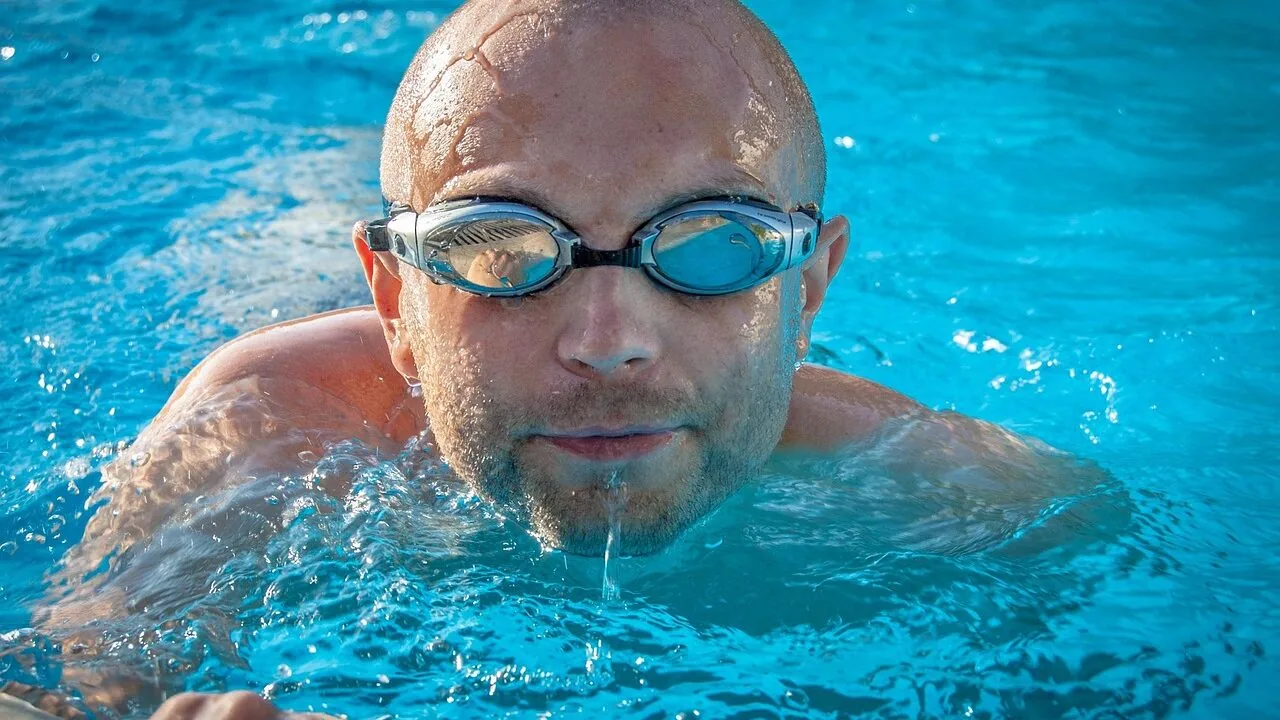
Swimming laps in silence is one thing, but pairing your workout with music, podcasts, or guided coaching takes pool sessions to a completely different level.
Open-ear headphones designed for swimming solve a problem that conventional earbuds simply cannot: delivering reliable audio while staying secure, waterproof, and comfortable enough to wear beneath swim caps and alongside goggles for an entire training session.
Whether you prefer bone conduction technology that transmits sound through your cheekbones or newer open-ear designs that leave your ear canal unobstructed, the category has matured considerably, and there are now genuinely strong options at every price point from budget-friendly to premium.
This guide cuts through the noise by focusing on what actually matters for swimmers: IPX8 waterproofing, underwater MP3 playback reliability, fit stability under a swim cap, and audio quality both in and out of the water.
Our team at REMOVU researched and evaluated each option through a synthesis of published specifications, expert review consensus, and verified buyer feedback, so you can shop with confidence. Read on to see our top picks ranked below.
| Award | Product | REMOVU Score About REMOVU ScoreThe REMOVU Score is our own rating from 0 to 10, based on performance, design and build, ease of use, and value. It reflects independent research and is never influenced by manufacturers, retailers, or affiliate commissions. Learn more › | Price | |
|---|---|---|---|---|
| Best Overall |
 SHOKZ OpenFit Pro Open-Ear Earbuds
|
8.9/10 | Buy | |
| Best Premium |
 Tayogo W25 Bone Conduction Swimming Headphones
|
7.8/10 | Buy | |
| Best Value |
 Monster BC300 Open-Ear Bone Conduction Headphones
|
7.6/10 | Buy | |
 CXK Bone Conduction Swimming Headphones
|
7.1/10 | Buy | ||
 Tevese Bone Conduction Swimming Headphones
|
7.2/10 | Buy | ||
 Psier Bone Conduction Swimming Headphones IPX8
|
6.9/10 | Buy | ||
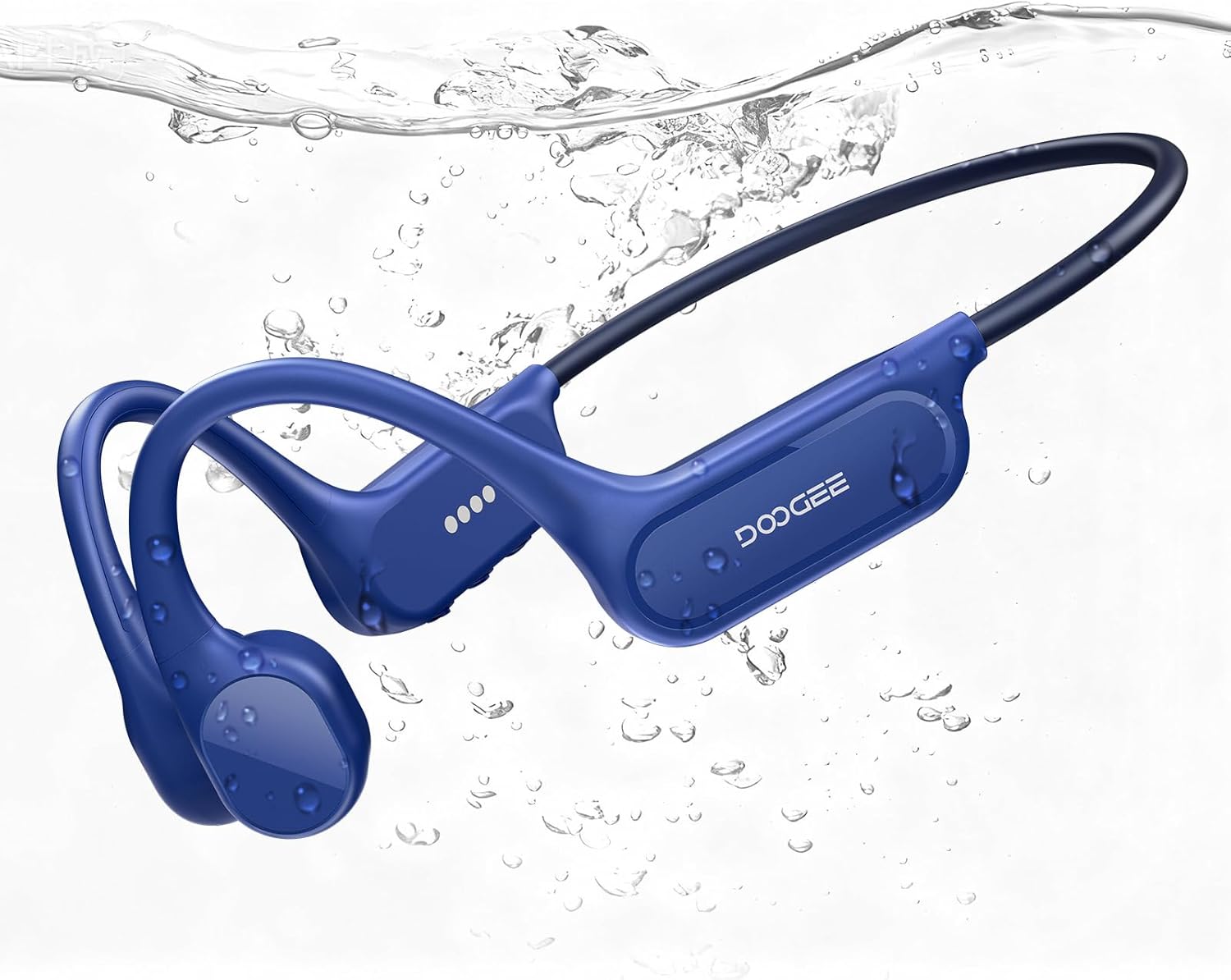 POPUX Bone Conduction Swimming Headphones
|
6.8/10 | Buy | ||
| Best Budget |
 Dnniakm Bone Conduction Swimming Headphones
|
7.6/10 | Buy | |
 ZOVIMAX Bone Conduction Headphones
|
6.2/10 | Buy | ||
 Feiltik Bone Conduction Swimming Headphones
|
6.2/10 | Buy | ||
 Offeryouawonderfulmusical X5S Open-Ear Earbuds
|
6.2/10 | Buy |
SHOKZ OpenFit Pro Open-Ear Earbuds
The SHOKZ OpenFit Pro delivers 50 hours of total playtime with open-ear noise reduction, Dolby Atmos optimization, and AI-powered call clarity in a lightweight, IP55-rated design. Best for professionals and active users who want situational awareness without sacrificing audio quality or comfort.
Pros
- Exceptional battery life: 50 hours total with case, 12 hours single charge, or 6 hours with noise reduction enabled
- Open-ear design keeps you aware of surroundings while still providing effective noise reduction and clear audio
- Reliable physical buttons work in any condition, including wet hands during workouts or rain
- Premium audio with 11x20mm dual-diaphragm drivers optimized for Dolby Atmos and head tracking
- Lightweight and secure fit with flexible nickel-titanium hooks that adapt to different ear shapes
Cons
- Open-ear design may not appeal to users seeking complete sound isolation or privacy
- No mention of active noise cancellation for loud environments, only open-ear noise reduction
- Higher price point at $249.95 compared to some competing true wireless earbuds
Tayogo W25 Bone Conduction Swimming Headphones
These bone conduction headphones deliver underwater music streaming via a separate T6 transmitter that works up to 150 meters, eliminating Bluetooth connectivity issues in water. Ideal for competitive swimmers and water fitness enthusiasts who want Spotify and podcast access while training.
Pros
- Solves the fundamental problem of Bluetooth failing underwater with dedicated transmitter technology
- No need to pre-download music or convert files; stream directly from favorite apps
- Bone conduction design allows ambient sound awareness, critical for pool and open-water safety
- Extended 150-meter working range covers entire lap pools and larger water bodies
- Versatile three-mode operation handles swimming, fitness, casual listening, and radio
Cons
- Requires purchasing the T6 transmitter separately for underwater streaming functionality
- Limited user reviews available, so long-term durability data is not yet established
- Bone conduction audio may not appeal to users seeking immersive, sealed-ear sound quality
Monster BC300 Open-Ear Bone Conduction Headphones
These bone conduction swimming headphones deliver IPX8 waterproof protection, 32GB MP3 storage, and Bluetooth 6.0 connectivity in a lightweight, secure design. Ideal for swimmers, runners, and cyclists who need situational awareness without sacrificing audio quality.
Pros
- Open-ear bone conduction design maintains situational awareness without blocking ear canals
- Dual connectivity options with Bluetooth 6.0 and 32GB MP3 storage provide flexibility for any environment
- True IPX8 waterproof certification rated for deep submersion, not just splash resistance
- Exceptional 10-hour battery life covers full days of activity on a single charge
- Flexible, adjustable frame integrates seamlessly with swim gear, sunglasses, and helmets
Cons
- MP3 mode required for underwater use, limiting real-time streaming during swims
- Bone conduction audio quality may not match traditional earbuds for audiophiles
- Limited to 32GB storage, which may require periodic file management for large music libraries
CXK Bone Conduction Swimming Headphones
The CXK bone conduction headphones deliver IPX8 waterproof performance with dual Bluetooth 6.0 and MP3 modes, making them ideal for swimmers and active users who need reliable audio both underwater and on land. With 12-hour battery life, built-in storage for 8,000 songs, and clear call quality, they offer solid value for fitness enthusiasts and water sports athletes.
Pros
- True waterproof performance rated IPX8 with triple-seal design, verified for underwater swimming and water sports
- Hybrid connectivity offers both Bluetooth 6.0 for smartphone control and standalone MP3 mode with 8,000-song storage capacity
- Exceptional battery life at 12 hours per charge with convenient magnetic charging, ideal for multi-day trips
- Open-ear bone conduction design maintains situational awareness while delivering clear audio without blocking ear canals
- Dual-microphone system with AI noise cancellation provides professional-grade call clarity for meetings and communication
Cons
- Bluetooth connectivity does not function underwater; you must switch to MP3 mode before water immersion, limiting real-time streaming while swimming
- Built-in storage only supports WMA, FLAC, WAV, and MP3 formats, excluding more modern audio codecs like AAC or OPUS
- Bone conduction audio may feel less immersive than traditional headphones for some users, and sound quality depends on proper fit and positioning
Tevese Bone Conduction Swimming Headphones
These bone conduction headphones deliver music underwater via built-in MP3 storage and switch to Bluetooth 6.0 above water, making them ideal for swimmers who want phone-free listening without blocking their ear canals. The IPX8 rating and secure fit with swim caps and goggles set them apart for serious pool training.
Pros
- Unique bone conduction design keeps ear canals completely free, enhancing comfort and safety awareness during swimming
- 32GB MP3 storage eliminates need for a phone while swimming, offering true wireless freedom underwater
- IPX8 waterproof rating provides the highest level of water resistance for serious swimmers and triathletes
- Dual-mode functionality allows seamless transition between underwater MP3 playback and above-water Bluetooth connectivity
- Secure fit works with swim caps and goggles, making it practical for competitive training
Cons
- Bluetooth signals cannot transmit underwater, requiring manual switching to MP3 mode for submerged listening
- Bone conduction audio quality may not match traditional in-ear headphones for non-swimming use cases
- Limited to 32GB storage, which may require occasional playlist management for users with large music libraries
Psier Bone Conduction Swimming Headphones IPX8
These bone conduction earbuds combine dual-driver technology with IPX8 waterproofing and 32GB onboard storage, making them ideal for swimmers and athletes who want to listen underwater without a phone. The 8-hour battery and lightweight design deliver solid performance, though Bluetooth connectivity doesn't work submerged.
Pros
- True underwater listening capability with MP3 mode sets these apart from standard waterproof headphones
- Hybrid dual-driver system produces fuller sound with enhanced bass compared to traditional bone conduction
- Lightweight, non-clamping design eliminates ear pressure and integrates with swim gear
- 32GB onboard storage eliminates need to carry phone during swimming or water sports
- Fast 2-hour magnetic charging and 8-hour playtime cover most training sessions
Cons
- Bluetooth connectivity is unavailable underwater, limiting functionality to MP3 mode only
- AI app personalization may require setup time and may not appeal to users seeking simplicity
- At $99.99, premium pricing compared to standard waterproof earbuds without bone conduction technology
POPUX Bone Conduction Swimming Headphones
These IP68-rated bone conduction headphones deliver crystal-clear audio underwater and during intense exercise, with 32GB onboard storage, 10-hour battery life, and Bluetooth 5.4 connectivity. Ideal for swimmers, runners, and athletes who want music without traditional earbuds blocking their ears.
Pros
- Genuinely waterproof for swimming and underwater use, not just splash-resistant
- Onboard 32GB storage eliminates need to carry a phone during water activities
- Lightweight and secure fit accommodates various head shapes without slipping during intense exercise
- Excellent battery endurance with quick-charge capability for on-the-go athletes
- Bone conduction technology keeps ears open for environmental awareness and safety
Cons
- Bone conduction audio quality may not match traditional earbuds for critical listening
- 32GB storage is modest by modern standards, limiting music library to approximately 8000 songs
Dnniakm Bone Conduction Swimming Headphones
These bone conduction headphones combine IP68 waterproofing with 32GB onboard storage and Bluetooth 5.4, making them ideal for swimmers and athletes who need audio both underwater (MP3 mode) and on land. The 4.8/5 rating reflects strong performance in comfort and durability, though underwater Bluetooth limitations are worth noting.
Pros
- Dual connectivity options: offline MP3 mode for underwater use, Bluetooth 5.4 for land activities
- Open-ear design maintains situational awareness while delivering clear audio with deep bass and crisp treble
- Lightweight and secure fit accommodates swim caps, goggles, and active movement without shifting
- Substantial 32GB storage eliminates need to carry a phone during swimming or outdoor training
- Excellent build quality reflected in 4.8/5 rating with strong waterproofing for aquatic sports
Cons
- Bluetooth connectivity unavailable underwater; requires switching to MP3 mode for swimming, limiting real-time playlist control
- Bone conduction technology may not suit users seeking traditional in-ear or over-ear audio immersion
ZOVIMAX Bone Conduction Headphones
These open-ear bone conduction headphones deliver clear sound without blocking your ears, making them ideal for runners, cyclists, and outdoor enthusiasts who need situational awareness. With Bluetooth 6.0, 12-hour battery life, and IPX7 waterproofing, they offer solid all-around performance at an accessible price point.
Pros
- Open-ear design allows you to hear traffic, conversations, and environmental sounds for safer outdoor use
- Comfortable all-day wear with ergonomic design that doesn't create pressure points or interfere with glasses
- Fast charging and long battery life minimize downtime between uses
- Dual listening modes adapt to music playback or gaming needs
- Durable construction with anti-corrosion coating resists sweat and moisture damage
Cons
- Bone conduction audio may feel less immersive than traditional in-ear or over-ear headphones for music lovers
- Sound quality depends on proper fit and positioning on the bone conduction points
- Limited noise isolation means they work best in quieter environments for focused listening
Feiltik Bone Conduction Swimming Headphones
IPX8-rated bone conduction headphones with 32GB built-in storage and Bluetooth 6.0, designed specifically for underwater use where Bluetooth switches to MP3 mode. Best for swimmers and triathletes who need reliable audio both in and out of the water.
Pros
- Solves the Bluetooth limitation underwater by switching to stored MP3 files automatically
- Open-ear design eliminates ear canal pressure and discomfort during extended wear
- Magnetic charging system is more durable and waterproof than traditional ports
- 32GB storage means you can swim without carrying a phone or device
- Fits under swim caps and helmets without shifting or falling out
Cons
- Bluetooth does not work underwater, limiting wireless connectivity during swimming
- Requires pre-loading MP3 files for underwater use, not ideal for spontaneous playlist changes
Offeryouawonderfulmusical X5S Open-Ear Earbuds
The X5S open-ear earbuds deliver 40 hours of total playtime with Bluetooth 6.0 connectivity and IP7 water resistance, making them ideal for athletes and commuters who need situational awareness without sacrificing sound quality. At this price point, they're a solid choice for active users seeking comfort and durability.
Pros
- Exceptional battery endurance: 8-10 hours per charge plus 40 hours total with case
- Open design eliminates ear canal occlusion, ideal for runners and cyclists who need awareness
- Bluetooth 6.0 ensures quick pairing and seamless multi-device switching
- IP7 rating handles sweat and rain without worry
- Intelligent touch controls and LED battery display add convenience
Cons
- Open-ear design means less noise isolation compared to traditional in-ear models
- Sound leakage may be noticeable in quiet environments despite directional technology
- No mention of active noise cancellation, limiting use in loud commutes
Open-Ear Headphones for Swimming Buying Guide
Picking the right pair of open-ear swimming headphones is not simply a matter of grabbing whatever has the highest waterproof rating.
Swimmers have specific needs that differ from runners or gym-goers, and understanding the trade-offs between features will save you from buyer’s remorse at the pool deck.
The sections below walk through the criteria our team weighted most heavily when evaluating every model in this roundup.
Waterproof Rating: IPX8 vs. IP67 and What the Numbers Actually Mean
Waterproof ratings follow the IEC 60529 standard, and for swimming the minimum you should accept is IPX8, which certifies continuous submersion beyond one metre for at least 30 minutes.
An IP67 rating, found on some models in this category, only guarantees submersion up to one metre for 30 minutes and is borderline acceptable for shallow-end casual use but falls short for lap swimmers who regularly push off walls and submerge fully.
IP68, a stricter variant of IPX8, adds a defined depth rating from the manufacturer, typically 1.5 to 3 metres, and is the safest choice if you swim competitively or train in deep lanes.
Beyond the headline number, pay attention to whether the charging port is sealed. Some budget models use exposed micro-USB ports that degrade after repeated wet-dry cycles.
Magnetic charging contacts have largely replaced exposed ports in reputable swimming headphones because they eliminate this weak point entirely.
When reading verified buyer reviews, look specifically for reports of water ingress after several months of regular use rather than initial impressions, since seals tend to fail over time rather than immediately.
If you also run or cycle and want one pair for multiple activities, consider whether the headphones offer a combined Bluetooth mode for dry-land use alongside their underwater MP3 mode.
Many options here, including picks from Tevese and Monster, support dual-mode operation, which extends the value of your investment well beyond the pool. For more waterproof audio options suited to multi-sport use, see our guide to waterproof wireless earbuds.
Bone Conduction vs. Open-Ear Air Conduction: Which Technology Suits You?

Nearly every model in this roundup uses bone conduction, a technology that presses transducers against the temporal bone just in front of the ear. Vibrations bypass the eardrum entirely and are perceived as sound by the inner ear directly.
Underwater, this approach works remarkably well because water is an excellent conductor of vibration, which is why bone conduction headphones often sound cleaner at depth than they do in open air.
The trade-off is that bone conduction audio has historically struggled with low-frequency reproduction and can feel slightly buzzy at higher volumes.
Open-ear air conduction designs, like the SHOKZ OpenFit Pro, use a different approach: a small driver positioned near the ear canal opening without any seal.
These headphones are not designed for active underwater submersion in the same way dedicated swim models are, and the OpenFit Pro carries an IP55 rating rather than IPX8.
However, for swimmers who want premium audio quality during warm-up, cool-down, and gym cross-training, an open-ear design of this calibre is genuinely outstanding and sits at the top of our overall rankings.
For most lap swimmers who need reliable underwater MP3 playback, bone conduction remains the right call.
Swimmers who split time between pool and dry-land training may find that owning one bone conduction swim pair and one premium open-ear pair for gym use covers all scenarios.
Our broader roundup of open-ear wireless earbuds covers the dry-land side of that equation in detail.
Built-In MP3 Storage and Bluetooth Dual-Mode Operation
Bluetooth signals do not propagate reliably through water. If you plan to stream music while actively swimming, you will be disappointed regardless of which headphones you buy.
The solution is onboard MP3 storage, and thankfully almost every dedicated swimming headphone in this roundup includes at least 32 GB of built-in memory, which is enough for several thousand songs or dozens of hours of podcasts.
Before purchasing, verify that the headphones support common file formats like MP3, FLAC, or AAC, and check how music is transferred, typically via USB drag-and-drop, which is straightforward for most users.
Dual-mode operation, offered by models from Feiltik, Tayogo, and others, allows the same headphones to pair via Bluetooth when you are above water and switch to internal MP3 playback when you submerge.
This seamless transition is a significant convenience feature for interval training where you alternate between swimming and rest.
The Tayogo model in our lineup goes a step further with FM radio support and app-based streaming compatibility, which is worth considering if you dislike manually loading files onto a device.
Battery life matters more than many buyers realise. A session including warm-up, main set, and cool-down can easily exceed 90 minutes, and if you forget to charge overnight you want headphones that can handle back-to-back days.
Look for at least 8 hours of continuous playback; 10 hours or more provides a comfortable buffer for weekly training without obsessive charging management.
Fit, Stability, and Compatibility with Swim Caps and Goggles
A bone conduction headphone that slides off the moment you push off the wall is useless in the water.
The wrap-around titanium headband design used by most models in this category is inherently more stable than in-ear designs, but fit quality varies significantly between manufacturers.
The headband tension needs to be firm enough to maintain transducer contact with the temporal bone while remaining comfortable over a long set. Too loose and audio quality degrades; too tight and you will feel pressure fatigue within 20 minutes.
Compatibility with swim caps and goggles is a practical concern that surprisingly few reviewers address head-on. Wearing a swim cap over bone conduction headphones is generally possible and can actually improve transducer contact, but it depends on cap material.
Silicone caps tend to hold headphones firmly in place; thin fabric caps are less reliable. Positioning the headband under the goggle strap is the most common approach, though some swimmers prefer wearing goggles over the band.
Reading verified buyer feedback from competitive swimmers rather than casual users gives you the most accurate picture of real-world wearability.
Swimmers with smaller heads should pay particular attention to headband size adjustability, since some budget models offer limited fit range.
If fit for smaller ears or heads is a broader concern for you across your audio kit, our roundup of wireless earbuds for small ears covers that dimension thoroughly for everyday use.
Audio Quality: Underwater Performance vs. Above-Water Listening
Bone conduction audio quality is almost always better underwater than in open air because water amplifies bone-transmitted vibrations.
That said, audio fidelity in this product category is generally modest by audiophile standards, and buyers expecting the richness of a premium pair of wireless over-ear headphones will need to recalibrate their expectations.
The goal is clarity sufficient to distinguish tracks, follow coaching cues, or enjoy a podcast while maintaining stroke rhythm, not critical listening.
Higher-end models in this roundup, particularly those with dual-driver configurations, do deliver noticeably better bass extension and overall tonal balance compared to single-driver budget options.
If audio quality above water during gym workouts or runs matters to you, that distinction is worth the price difference.
For above-water workouts more broadly, wireless earbuds for working out offer stronger audio performance since they are not constrained by waterproofing requirements.
One practical audio consideration specific to pool environments: background lane noise from splashing, kickboards, and coaches shouting is surprisingly loud, and the open-ear design means you will hear all of it.
This is actually a safety advantage since you remain aware of your surroundings, but it means volume levels that feel moderate at home may feel insufficient in a busy pool.
Check whether the headphones you are considering have a maximum volume that reviewers describe as sufficient for noisy environments.
Controls, Charging, and Long-Term Durability

Physical button controls are strongly preferable to touch controls for swimming headphones. Wet fingers and swim gloves make capacitive touch panels unreliable, and having to break stroke to adjust volume is a real annoyance during interval sets.
Look for buttons with clear tactile feedback that can be operated without looking. Most models in this roundup use physical buttons, but it is worth confirming before purchase.
Charging method affects long-term durability in a way that is easy to overlook. Magnetic charging cradles keep water out of the headphone body and are significantly more durable through hundreds of wet-dry cycles than exposed port designs.
Some models include LED battery indicators that let you check charge level at a glance, which is a small but welcome quality-of-life feature for daily swimmers who want to avoid dead-battery surprises mid-session.
Long-term durability beyond the initial waterproof seal is where budget models often diverge from mid-range options.
Buyer feedback gathered over 6 to 12 months of use tends to reveal whether button responsiveness degrades, whether charging contacts corrode in chlorinated water, and whether the headband fatigue-cracks over time.
Paying a modest premium for a brand with a track record and accessible customer support, such as Monster or Tayogo among the options here, generally reduces the risk of early failure.
Why You Should Trust Us
REMOVU is an independent review publication. We do not sell products, fulfil orders, or handle returns.
Every model in this roundup was assessed using a consistent evaluation framework that examines published specifications, expert review consensus from across the audio and aquatics communities, and verified buyer feedback drawn from confirmed purchase sources.
We do not conduct our own product trials; our evaluations are grounded in research, published data, expert review consensus, and verified buyer feedback.
Each product receives a REMOVU Score on a 0 to 10 scale, calculated against criteria weighted specifically for this category: waterproof reliability, underwater audio performance, fit stability, battery life, dual-mode functionality, and overall build quality.
Scores reflect how a product performs relative to the full competitive landscape in its price tier, not just within this shortlist. Products are ranked in order of their REMOVU Score, with the highest-scoring pick listed first.
Transparency on commercial relationships: REMOVU may earn a commission if you purchase through links in this article. That affiliate relationship has no influence on which products are included, how they are ranked, or what scores they receive.
Our editorial positions are determined by our evaluation criteria alone.
Final Thoughts
The open-ear swimming headphone market has expanded rapidly, and there is now a genuinely strong option for every type of swimmer, from casual lap swimmers on a tight budget to serious triathletes who demand premium audio quality on land as well as in the water.
Here is how our top picks break down by use case.
- Best Overall: SHOKZ OpenFit Pro earns the top REMOVU Score in this roundup through its exceptional open-ear audio architecture, Dolby Atmos optimisation, and 50-hour total playtime, making it the most versatile and premium option for swimmers who also demand high-fidelity sound during dry-land training.
- Best Dedicated Swim Headphones: Tayogo Swimming Headphones stand out among true swim-focused models thanks to FM radio support, app-based streaming compatibility, and IPX8 waterproofing that covers everything from recreational lap swimming to open-water training.
- Best Mid-Range Pick: Monster Open Ear BC300 delivers a well-balanced package of Bluetooth 6.0, 32 GB MP3 storage, and 10-hour battery life from a recognisable audio brand at a mid-range price point, scoring among the highest of the dedicated bone conduction swim options.
- Best Budget Swim Headphones: Dnniakm Bone Conduction Headphones offer strong value for cost-conscious swimmers, combining 32 GB storage, Bluetooth 5.4, and solid IPX8 waterproofing at an accessible budget price, making them one of the most competitively scored options in the lower price tier.
- Best for Phone-Free Pool Sessions: Tevese Swimming Headphones are particularly well suited to swimmers who want a reliable, straightforward offline listening experience, with 32 GB of built-in storage, Bluetooth 6.0, and a fit profile designed to work comfortably under swim caps and alongside goggles.
Whichever model you choose, prioritise IPX8 or IP68 waterproofing, confirm the charging method protects against corrosion, and match battery life to the length of your typical training week.
If you are still weighing your broader audio setup beyond the pool, our guides to wireless earbuds for running and noise cancelling headphones cover those scenarios in full.
Frequently Asked Questions
Can I Use Bone Conduction Headphones While Actually Swimming Laps Underwater?
Yes, provided the headphones carry an IPX8 or IP68 waterproof rating. Models with these ratings are certified for continuous submersion, which covers typical lap swimming depths.
The key is that you must use their built-in MP3 mode underwater rather than Bluetooth streaming, since Bluetooth signals do not travel through water reliably.
All of the dedicated swim headphones in this roundup include onboard storage specifically for this reason.
Are Open-Ear Swimming Headphones Safe to Use in Chlorinated Pools?
Most IPX8-rated bone conduction headphones are designed to withstand regular exposure to chlorinated pool water, and the majority of verified buyers report no degradation from routine pool use.
That said, rinsing your headphones with fresh water after each session and allowing them to dry fully before charging is standard care advice from most manufacturers.
Chlorine can accelerate corrosion on exposed charging contacts over time, which is one reason magnetic charging designs are preferable for long-term durability.
Open-water swimmers should also verify saltwater resistance specifically, as the combination of salt and prolonged exposure is more aggressive than chlorinated pool water. Check manufacturer guidance rather than assuming IPX8 pool certification extends automatically to saltwater environments.
How Do I Transfer Music to the Headphones’ Built-In Storage?
Most bone conduction swimming headphones with built-in MP3 storage appear as a standard USB mass storage device when connected to a computer via their charging cable.
You simply drag and drop audio files into the device folder, much like copying files to a USB drive. Supported formats typically include MP3, WAV, and FLAC, though this varies by model.
Some newer models, like the Tayogo option in this roundup, support app-based or streaming-compatible loading workflows that reduce the need for manual file management.
Will Swimming Headphones Work Under a Swim Cap?
Yes, and in many cases a silicone swim cap actually improves fit stability by pressing the bone conduction transducers more firmly against the temporal bone, which can enhance sound quality.
The headband typically sits around the back of the head and the transducers rest just in front of the ears, so positioning the cap over the headphones is straightforward for most users.
Verified buyer feedback from competitive swimmers consistently confirms this approach works well, though individual fit varies depending on head shape and cap thickness.
What Is the Difference Between IPX8 and IP68 Waterproof Ratings?
IPX8 is a general certification that the manufacturer has defined submersion conditions beyond 1 metre, but the specific depth and duration are set by the manufacturer rather than a universal standard.
IP68 follows the same framework but requires the manufacturer to publicly disclose the exact depth and duration evaluated, making it more transparent and typically indicating a more rigorous evaluation. For most recreational lap swimmers, IPX8 is sufficient.
Competitive swimmers and triathletes who regularly push into deeper water should look for IP68 with a stated depth of at least 1.5 metres.
For a broader look at how waterproof ratings apply across different audio categories, our waterproof wireless earbuds guide breaks down the rating system in the context of everyday use cases beyond the pool.
Can I Use These Headphones for Running and Gym Workouts Too?
Most bone conduction swimming headphones in this roundup include Bluetooth connectivity for above-water use, making them functional for running, cycling, and gym sessions as well as swimming.
The open-ear design is particularly well suited to outdoor running where ambient awareness is a safety consideration.
That said, if above-water audio quality is your primary concern, a dedicated pair of running earbuds will generally outperform a swim-first bone conduction model due to fewer engineering trade-offs.
The swim-capable models here are versatile enough for multi-sport use but are optimised first and foremost for the pool.
About the author
Freddie covers PC cases for REMOVU, balancing airflow, size, and build quality against looks. He helps builders match a case to their parts and their desk.