The 10 Best Bone Conduction Headphones
Open ears, situational awareness, and sport-grade build quality: bone conduction headphones do things conventional earbuds cannot. Here are the top picks across every budget and activity.
 By Enrique Sullivan
Updated July 26, 2026
By Enrique Sullivan
Updated July 26, 2026

Bone conduction headphones have carved out a genuinely useful niche in the audio world, and for good reason.
Unlike traditional in-ear or over-ear designs, they transmit sound through the bones of your skull directly to your inner ear, leaving your ear canals completely open.
That means you can hear your music, podcasts, or calls while staying fully aware of traffic, trail conditions, or anyone trying to get your attention.
For runners, cyclists, swimmers, and anyone who prioritises safety during outdoor workouts, this technology offers something that conventional workout earbuds simply cannot match.
This guide cuts through the noise of a crowded and sometimes confusing market, covering options from the benchmark-setting SHOKZ lineup to more accessible picks from brands like Vulxovt, CPTEA, CXK, and Ogogrs.
Our team evaluated each model using a rigorous research process: we analyze published specifications, synthesize consensus from expert reviewers across the audio community, and weigh verified buyer feedback from thousands of real-world users.
Every model in this list has been scored on the 0 to 10 REMOVU Score scale.
Whether you need an elite sport companion, an IPX8-rated swimming headset, or a budget-friendly entry point, the ranked picks below give you a clear starting point.
| Award | Product | REMOVU Score About REMOVU ScoreThe REMOVU Score is our own rating from 0 to 10, based on performance, design and build, ease of use, and value. It reflects independent research and is never influenced by manufacturers, retailers, or affiliate commissions. Learn more › | Price | |
|---|---|---|---|---|
| Best Overall |
 Shokz OpenRun Pro Bone Conduction Headphones
|
8.9/10 | Buy | |
| Best Value |
 Shokz OpenRun Bone Conduction Headphones
|
8.2/10 | Buy | |
| Best Premium |
 SHOKZ OpenRun Pro 2 Mini Bone Conduction
|
7.8/10 | Buy | |
| Best Budget |
 Ogogrs Bone Conduction Wireless Headphones
|
7.7/10 | Buy | |
 CXK Bone Conduction Swimming Headphones
|
7.1/10 | Buy | ||
 Psier Bone Conduction Swimming Headphones IPX8
|
6.9/10 | Buy | ||
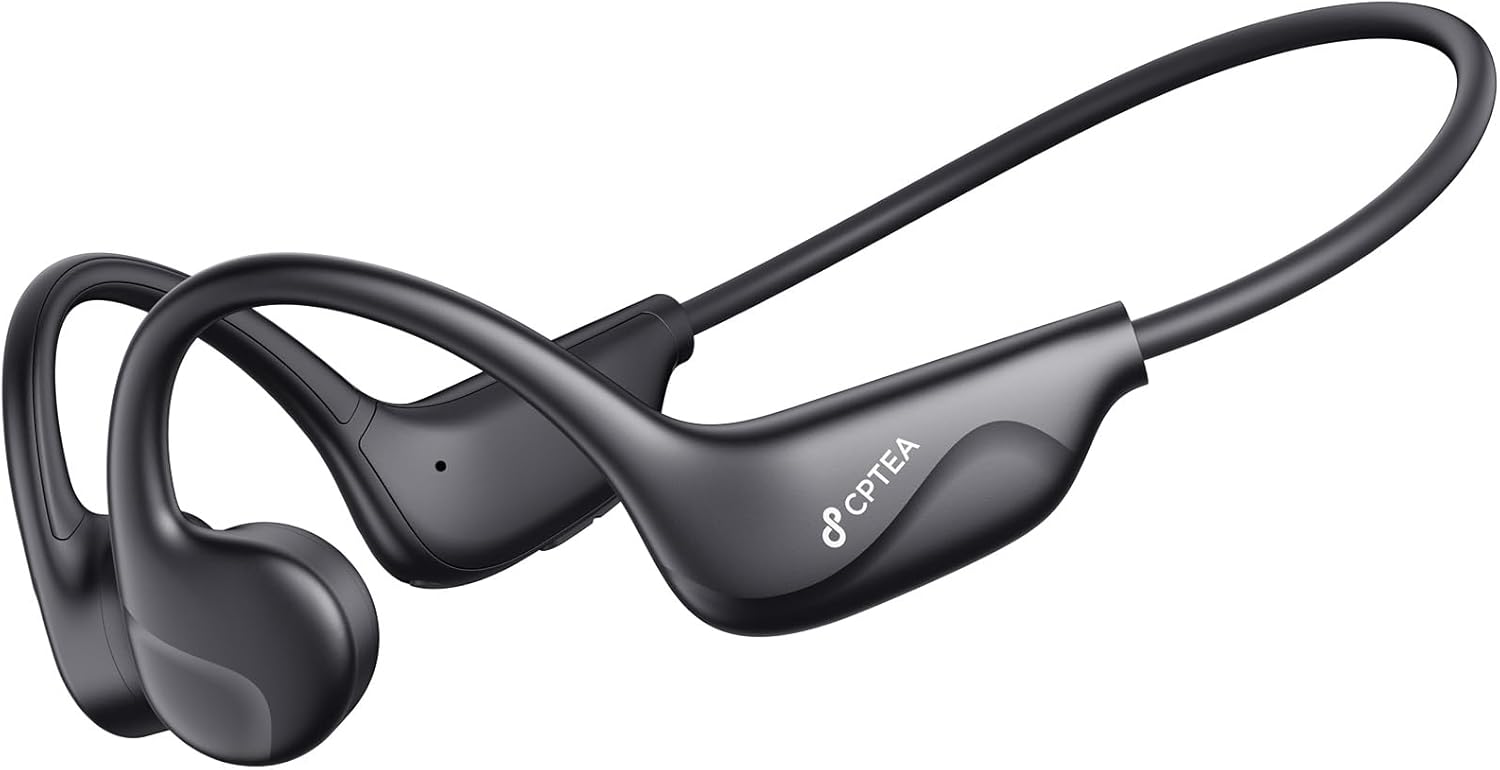 CPTEA Bone Conduction Headphones
|
6.8/10 | Buy | ||
 CXK Bone Conduction Headphones Bluetooth 6.0
|
6.5/10 | Buy | ||
 Vulxovt 2026 Bone Conduction Headphones
|
6.2/10 | Buy | ||
 OHAYO FreeRun F5 Open Ear Headphones
|
6.2/10 | Buy |
Shokz OpenRun Pro Bone Conduction Headphones
The Shokz OpenRun Pro are open-ear bone conduction headphones designed for runners and athletes who want situational awareness without blocking their ears. They deliver solid audio quality, 10-hour battery life, and a secure fit, making them ideal for outdoor workouts where you need to hear your surroundings.
Pros
- Open-ear design provides superior safety awareness compared to traditional earbuds
- Lightweight titanium frame stays secure during running, cycling, and high-impact sports
- Excellent battery life with quick charging for on-the-go use
- No ear canal insertion means all-day comfort without fatigue
- IP55 water resistance and sweat resistance built for athletic use
Cons
- Bone conduction audio quality may not match premium traditional headphones for critical listening
- Higher price point compared to standard wireless earbuds
- Open-ear design means sound leakage in quiet environments
Shokz OpenRun Bone Conduction Headphones
The Shokz OpenRun delivers open-ear audio through bone conduction technology, making them ideal for runners and outdoor enthusiasts who need situational awareness. With solid 4.5-star ratings and wireless connectivity, they're a reliable choice for active users prioritizing safety and comfort during workouts.
Pros
- Bone conduction technology allows you to hear music while staying aware of traffic and surroundings
- Extremely lightweight and secure fit makes them ideal for running and high-impact activities
- No earpieces mean no ear fatigue or discomfort during long listening sessions
- Durable, sweat-resistant design handles demanding outdoor conditions
- Solid Bluetooth performance with reliable wireless connectivity
Cons
- Bone conduction audio quality may not match traditional in-ear headphones for critical listening
- Sound leakage is noticeable at higher volumes, which may disturb nearby listeners
- Limited noise isolation compared to sealed earbud designs
SHOKZ OpenRun Pro 2 Mini Bone Conduction
The SHOKZ OpenRun Pro 2 Mini combines bone conduction and air conduction technology to deliver powerful 3D audio while keeping your ears open to surroundings, making it ideal for athletes and outdoor enthusiasts who prioritize safety and situational awareness during workouts.
Pros
- Unique bone conduction technology delivers audio while keeping ears completely open for safety awareness
- Exceptional call quality with 96.5% background noise reduction handles outdoor and windy conditions
- Durable titanium alloy construction resists slipping and shifting even during intense workouts
- Flexible EQ customization through dedicated app modes adapts to different listening environments
- Long battery life supports full training days without recharging
Cons
- Bone conduction audio may feel unfamiliar to users accustomed to traditional in-ear headphones
- Premium price point positions this as a specialized product rather than a budget-friendly option
- Limited to those seeking open-ear design; not suitable for users wanting complete audio isolation
Ogogrs Bone Conduction Wireless Headphones
These bone conduction headphones deliver clear audio through vibration technology while keeping your ears open to ambient sound, making them ideal for runners, cyclists, and outdoor athletes. The 10-hour battery, lightweight titanium frame, and IP55 waterproofing provide reliable performance for active use.
Pros
- Open-ear design maintains situational awareness, enhancing safety during outdoor activities
- Exceptional comfort for extended wear thanks to lightweight titanium construction
- Impressive 10-hour battery life reduces charging frequency
- IP55 waterproofing handles sweat, rain, and splashes without worry
- Reliable Bluetooth 5.3 connectivity with stable playback
Cons
- No customer reviews available yet to validate real-world performance claims
- Bone conduction audio quality may not match traditional headphones for audiophiles
- Limited color or style options mentioned in product data
CXK Bone Conduction Swimming Headphones
The CXK bone conduction headphones deliver IPX8 waterproof performance with dual Bluetooth 6.0 and MP3 modes, making them ideal for swimmers and active users who need reliable audio both underwater and on land. With 12-hour battery life, built-in storage for 8,000 songs, and clear call quality, they offer solid value for fitness enthusiasts and water sports athletes.
Pros
- True waterproof performance rated IPX8 with triple-seal design, verified for underwater swimming and water sports
- Hybrid connectivity offers both Bluetooth 6.0 for smartphone control and standalone MP3 mode with 8,000-song storage capacity
- Exceptional battery life at 12 hours per charge with convenient magnetic charging, ideal for multi-day trips
- Open-ear bone conduction design maintains situational awareness while delivering clear audio without blocking ear canals
- Dual-microphone system with AI noise cancellation provides professional-grade call clarity for meetings and communication
Cons
- Bluetooth connectivity does not function underwater; you must switch to MP3 mode before water immersion, limiting real-time streaming while swimming
- Built-in storage only supports WMA, FLAC, WAV, and MP3 formats, excluding more modern audio codecs like AAC or OPUS
- Bone conduction audio may feel less immersive than traditional headphones for some users, and sound quality depends on proper fit and positioning
Psier Bone Conduction Swimming Headphones IPX8
These bone conduction earbuds combine dual-driver technology with IPX8 waterproofing and 32GB onboard storage, making them ideal for swimmers and athletes who want to listen underwater without a phone. The 8-hour battery and lightweight design deliver solid performance, though Bluetooth connectivity doesn't work submerged.
Pros
- True underwater listening capability with MP3 mode sets these apart from standard waterproof headphones
- Hybrid dual-driver system produces fuller sound with enhanced bass compared to traditional bone conduction
- Lightweight, non-clamping design eliminates ear pressure and integrates with swim gear
- 32GB onboard storage eliminates need to carry phone during swimming or water sports
- Fast 2-hour magnetic charging and 8-hour playtime cover most training sessions
Cons
- Bluetooth connectivity is unavailable underwater, limiting functionality to MP3 mode only
- AI app personalization may require setup time and may not appeal to users seeking simplicity
- At $99.99, premium pricing compared to standard waterproof earbuds without bone conduction technology
CPTEA Bone Conduction Headphones
These lightweight bone conduction headphones deliver 10+ hours of battery life and Bluetooth 6.0 connectivity in a secure, pressure-free design. Ideal for runners, cyclists, and outdoor enthusiasts who want situational awareness without sacrificing audio quality.
Pros
- Exceptional comfort for extended wear - no ear canal insertion means no pressure or fatigue
- Outstanding battery life at 10+ hours covers full training sessions and commutes
- Secure, stable fit stays in place during running, cycling, and gym activities
- Open-ear design provides crucial situational awareness for outdoor safety
- Durable construction with reviewed drop and twist resistance handles daily demands
Cons
- Bone conduction technology may not appeal to users who prefer traditional in-ear audio isolation
- Limited to 33ft Bluetooth range, which is shorter than some premium competitors
- Sound quality depends on proper bone conduction positioning on the temples
CXK Bone Conduction Headphones Bluetooth 6.0
These lightweight bone conduction headphones deliver 10 hours of battery life with IPX7 waterproof protection, making them ideal for runners and outdoor enthusiasts who need situational awareness. At this price point, they offer solid audio quality and a comfortable fit, though the lack of reviews limits confidence in long-term durability.
Pros
- Open-ear design keeps you aware of traffic and surroundings during outdoor activities
- Exceptional 10-hour battery life outlasts most wireless earbuds on a single charge
- Lightweight titanium construction at 28g reduces listening fatigue during extended wear
- IPX7 waterproof protection handles intense workouts, rain, and sweat without worry
- Affordable price point offers good value for bone conduction technology
Cons
- No user reviews available yet, making it difficult to verify real-world performance and durability
- Bone conduction audio may not suit users who prefer traditional in-ear sound isolation
- Not suitable for swimming despite IPX7 rating, limiting water sports versatility
Vulxovt 2026 Bone Conduction Headphones
These bone conduction headphones deliver open-ear audio without in-ear insertion, making them ideal for runners and cyclists who need situational awareness. With Bluetooth 6.0, 10-hour battery life, and IPX5 water resistance, they offer solid performance at an affordable price point.
Pros
- Genuine bone conduction technology delivers clear audio while preserving situational awareness for safety
- Extremely lightweight and comfortable for extended wear during running, cycling, and gym sessions
- Excellent battery life (10 hours) with quick Type-C charging and extended standby
- IPX5 water resistance handles intense workouts, rain, and sweat without degradation
- Stable Bluetooth 6.0 connection provides reliable wireless performance across devices
Cons
- Not suitable for swimming despite IPX5 rating, limiting use in water-based activities
- Bone conduction audio quality may not match premium in-ear or over-ear models for audiophiles
- Open-ear design means audio is less private in quiet environments compared to sealed earbuds
OHAYO FreeRun F5 Open Ear Headphones
The OHAYO FreeRun F5 are lightweight open-ear sports headphones with air conduction technology that deliver clear sound without ear pressure, plus IPX7 waterproofing and 10-hour battery life. Best for runners and cyclists who prioritize comfort and situational awareness.
Pros
- Ultra-lightweight at 19g with ergonomic titanium frame that conforms to your head shape
- Open-ear design eliminates pressure on ears while maintaining situational awareness for safety
- Impressive 10-hour battery life covers multiple workouts before needing to recharge
- IPX7 waterproofing handles heavy sweat and rain without degradation
- Bluetooth 6.0 provides stable, low-latency connections with improved power efficiency
Cons
- Air conduction technology may not appeal to users who prefer traditional in-ear or over-ear sound isolation
- No active noise cancellation, so ambient sound will be present during use
- Open-ear design means sound leakage is higher than sealed earbuds, which may bother nearby listeners
Bone Conduction Headphones Buying Guide
Choosing the right pair of bone conduction headphones is not as simple as picking the loudest or the cheapest. The technology has matured rapidly, but there are real trade-offs to understand before you commit.
Below are the six criteria our research consistently identified as the most important for shoppers in this category. Reading through them will help you match the right model to your specific activity, budget, and listening habits.
Fit, Weight, and Comfort Over Long Sessions

Bone conduction headphones work by pressing transducer pads firmly against your cheekbones or temples, so fit is everything. If the frame does not seat correctly, both comfort and audio quality suffer.
The wraparound titanium or plastic neckband design used by most models is generally secure during running and cycling, but band tension, pad softness, and overall weight vary significantly between brands and price points.
For runs or rides lasting more than an hour, even a few extra grams add up. Premium sport models typically weigh around 26 to 30 grams, while budget options can creep higher.
Pay attention to whether the manufacturer offers a mini or standard sizing variant.
The SHOKZ OpenRun Pro 2 Mini, for example, exists specifically for smaller head circumferences, and getting the wrong size is one of the most common complaints in verified buyer reviews across this category.
If you have worn open-ear wireless earbuds before, note that bone conduction frames apply more contact pressure than clip-on or earhook designs. Most users adapt quickly, but those with sensitive skin or who wear glasses may want to read fit-specific feedback carefully before buying.
Sound Quality and the Open-Ear Trade-Off

It is important to set realistic expectations here. Bone conduction audio is directionally different from even mid-tier true wireless earbuds.
Bass response is the area most affected: because the transducers vibrate against bone rather than sealing around the ear canal, sub-bass frequencies are noticeably thinner.
High-end models like the SHOKZ OpenRun Pro address this through what SHOKZ markets as a dual-suspension transducer system designed to extend low-frequency response, and verified buyers consistently note the improvement over older generations.
Mid-range and treble clarity are generally solid in well-engineered models, making bone conduction headphones perfectly acceptable for podcasts, audiobooks, calls, and upbeat workout music.
For critical listening, studio work, or genres that depend heavily on bass, they are the wrong tool entirely. If immersive, isolated sound is the priority, a pair of wireless noise-cancelling headphones will serve you better in non-active settings.
Vibration at high volumes is a known characteristic of the technology. Most users describe it as a mild buzzing sensation on the skin at maximum volume. Premium transducer engineering reduces but does not eliminate this effect.
Budget models tend to produce more perceptible vibration, and several verified buyers flagged this in reviews of the lower-priced entries in our list.
Waterproofing and IP Ratings
If you plan to use bone conduction headphones outdoors, an IP (Ingress Protection) rating is non-negotiable.
Sweat, rain, and splash resistance start at IPX4 (splash-proof from any direction), but serious runners and cyclists should look for IPX5 or IPX6, which can handle direct jets of water.
Standard models in this roundup carry ratings from IPX5 through IPX6, offering solid coverage for all-weather workouts.
For swimming specifically, IPX7 (submersion up to 1 metre for 30 minutes) or IPX8 (deeper or longer submersion, per the manufacturer’s specification) is required.
Models like the CXK swimming headphones and the PSIER dual-driver option carry IPX8 ratings and add an onboard MP3 mode with built-in memory so you can leave your phone on the pool deck.
If swimming is your main use case, prioritise IPX8 and verify what depth and duration the specific brand certifies, since IPX8 specs are manufacturer-defined and can vary.
Keep in mind that even IPX7/IPX8-rated bone conduction headphones are typically not rated for saltwater or chlorine immersion over extended periods. Rinse after pool or ocean use to protect the seals.
For more context on waterproofing in sports audio broadly, our roundup of waterproof wireless earbuds covers the relevant standards in detail.
Battery Life and Charging

Battery life in bone conduction headphones has improved dramatically. Mid-range models now routinely deliver 8 to 10 hours of playback, and some budget options claim similar figures.
The SHOKZ OpenRun Pro leads our list in part because its charging design and battery management have been refined through multiple generations, and expert reviewers consistently highlight reliable real-world playback that matches manufacturer claims.
Charging method matters more than many buyers realise. The majority of bone conduction headphones, including SHOKZ models, use a proprietary magnetic charging clip rather than USB-C.
This is a minor inconvenience at home but a meaningful one when you are travelling and forgot the specific cable.
Newer entrants to the market, including the Ogogrs open-ear model in our list, have adopted Type-C quick charging, which is a practical advantage worth factoring in if cable standardisation matters to you.
For swimmers using MP3 mode, battery life applies to the onboard playback mode separately from Bluetooth mode.
Check both figures if you are splitting use between pool and outdoor sessions.
Bluetooth Version and Connectivity Stability
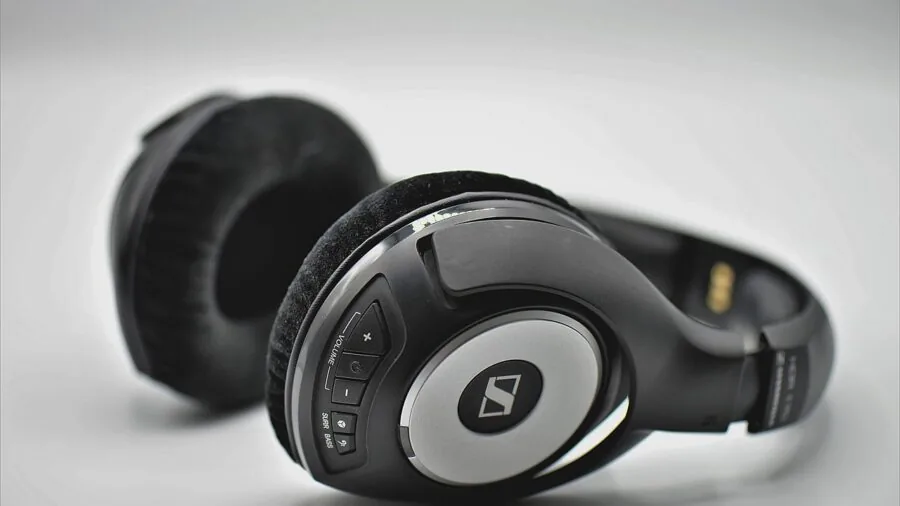
Most models in this roundup advertise Bluetooth 6.0, a specification that points to improved connection stability and lower power consumption compared to Bluetooth 5.0 or 5.3.
In practice, the quality of the Bluetooth implementation and antenna design matters as much as the version number, so treat Bluetooth version as one data point rather than a guarantee of performance.
For general sport use, a stable connection within roughly 10 metres of the source device is the baseline expectation.
Verified buyers of budget models in our list occasionally report dropouts when the phone is stored in a backpack or shorts pocket rather than held in hand.
Premium SHOKZ models receive consistently high marks for connection reliability in the same conditions.
If you are pairing with an Android phone, our picks are broadly compatible, and you can find additional pairing guidance in our notes on wireless earbuds for Android phones.
Multipoint connectivity, which allows simultaneous pairing to two devices, is increasingly common at mid-range and above. If you switch frequently between a phone and a laptop or tablet, check whether the specific model supports it before purchasing.
Microphone Quality for Calls

Because bone conduction headphones sit off the ear canal entirely, call quality depends entirely on microphone placement and noise-reduction algorithms. Most models include a built-in microphone on the frame, and dual-microphone setups are increasingly common even at mid-price points.
Expert reviewers generally describe call quality as adequate for outdoor use but note that wind noise can be an issue at speed on a bike or during a fast run.
SHOKZ models are consistently rated among the best in class for call clarity in the bone conduction segment, benefiting from multi-microphone arrays and wind-noise reduction tuning that lesser-known brands have not yet matched.
If call handling is a priority alongside sport performance, it is one more reason the top REMOVU Score picks in this list tend to skew toward the SHOKZ lineup.
For a broader look at how different headphone types handle calls, our guide to wireless earbuds for phone calls offers useful context.
Why You Should Trust Us
REMOVU is an independent review publication. We have no relationship with any of the brands featured in this guide, and we do not accept payment for product placement or ranking positions.
Every product in this roundup is scored using the REMOVU Score, a 0 to 10 rating scale applied consistently across the audio and headphones category.
Scores reflect a structured assessment of published specifications, synthesized expert review consensus drawn from the broader audio community, and verified buyer feedback aggregated from real purchasers.
We do not conduct our own product trials; our evaluations are grounded in research, published data, expert review consensus, and verified buyer feedback.
This approach lets us cover a wider range of products and price points than any single reviewer could practically evaluate alone, while maintaining a consistent scoring methodology that makes comparisons meaningful across the list.
REMOVU may earn an affiliate commission if you purchase through a link on this page. That relationship has no influence on which products are included, how they are ranked, or the scores they receive.
Recommendations are based solely on the quality of the evidence we find during our research process.
Final Thoughts
The bone conduction headphones market in 2026 spans a wide range of quality, price, and intended use cases. After thorough research across all ten models in this guide, a few clear standouts emerge for different types of buyers.
Here are our top designations, each grounded in the REMOVU Score and the specific strengths our evaluation process identified.
- Best Overall: SHOKZ OpenRun Pro. The highest REMOVU Score in this roundup reflects what expert reviewers and verified buyers consistently confirm: refined transducer performance, dependable sport-grade build quality, and microphone clarity that outperforms every other model here. It is the benchmark the rest of the category is measured against.
- Best Mid-Range Pick: SHOKZ OpenRun. A step down in price from the Pro but not in reliability or core sport credentials. Buyers who want proven SHOKZ engineering without paying for the premium transducer upgrade will find this the most sensible step-down option.
- Best for Swimmers: CXK Bone Conduction Swimming Headphones. The IPX8 waterproofing rating, onboard MP3 mode with built-in memory, and 12-hour playtime make this the most purpose-built aquatic option in the list. Verified buyers who swim regularly rate it well for pool use in particular.
- Best Upgrade for Smaller Builds: SHOKZ OpenRun Pro 2 Mini. Specifically engineered for smaller head circumferences while delivering the latest-generation bone conduction performance. A niche pick, but for the right buyer it resolves the fit complaints that disqualify standard-size models.
- Best Budget Entry Point: Vulxovt Bone Conduction Headphones. For shoppers who want to experience bone conduction technology without a significant financial commitment, this model delivers the core open-ear sport experience at an accessible price, with the trade-offs in audio quality and build refinement that the REMOVU Score reflects.
Regardless of which model fits your budget and activity, the core appeal of bone conduction remains the same: hearing your surroundings clearly while staying connected to your audio.
That is a genuinely useful capability that conventional earbuds cannot replicate, and it makes this category worth serious consideration for anyone who trains or commutes outdoors.
For more on the broader open-ear audio landscape, explore our coverage of wireless earbuds for running and the audio and headphones category for related picks.
Frequently Asked Questions
Are bone conduction headphones safe for your ears?
Yes, bone conduction headphones are widely regarded as gentler on ear health than in-ear models because they do not insert anything into the ear canal and do not require high volume levels to overcome seal pressure.
They are frequently recommended for people with certain types of conductive hearing loss, and audiologists often cite the reduced risk of ear canal irritation.
That said, high volume still carries hearing risk regardless of delivery method, so standard safe listening guidance applies.
Can you use bone conduction headphones in the gym?
Absolutely. Bone conduction headphones are well suited to gym environments where situational awareness matters, such as free weights areas where you need to hear people or equipment around you.
Most models in this list carry at least IPX5 sweat resistance, which is sufficient for intense training. The open-ear design also means you can hear gym staff or training partners without removing your headphones.
If you want to compare them against traditional sport options, our guide to the best earbuds for working out covers the full spectrum of sport audio formats.
Do bone conduction headphones work if you have hearing aids?
For many people who wear hearing aids, bone conduction headphones can be an excellent solution because they leave the ear canal open and do not interfere with hearing aid placement in the ear.
However, compatibility depends heavily on the type of hearing aid and the individual’s specific hearing profile. Anyone in this situation should consult their audiologist before purchasing.
Models with adjustable band tension offer more flexibility for users who already have hardware sitting near the ear.
How do bone conduction headphones compare to open-ear earbuds?
Both categories keep the ear canal open and preserve ambient awareness, but they use different mechanisms. Bone conduction transducers press against cheekbone or temple and bypass the ear canal entirely.
Open-ear earbuds, such as those using air conduction or directional speaker designs, project sound towards the ear from a clip or earhook without sealing the canal.
Open-ear earbuds often deliver richer bass and broader soundstage, while bone conduction models tend to excel in high-sweat, high-motion, and swimming contexts where a sealed, off-ear mount is more secure.
Our roundup of open-ear wireless earbuds explores those alternatives in depth.
What should I look for in bone conduction headphones for kids?
For younger users, fit and volume limiting are the two most important criteria. A headset that is too large will not seat the transducers correctly, reducing both comfort and audio quality.
Volume-limiting features, which cap output at around 85 dB, are advisable for children’s hearing safety. While bone conduction headphones designed explicitly for children are not common, smaller frame sizes like the SHOKZ Mini variants address the fit issue for smaller heads.
For a broader look at youth audio, our guide to wireless earbuds for kids covers the relevant safety and fit considerations in more detail.
Is the vibration sensation from bone conduction headphones noticeable?
Yes, though how noticeable depends on the model and the volume level. At moderate listening volumes, most users describe the vibration as barely perceptible.
At maximum volume, particularly in lower-priced models with less refined transducer engineering, the buzzing sensation on the cheekbone can become distracting. Premium models like the SHOKZ OpenRun Pro use suspension systems specifically designed to reduce vibration transmission to the skin.
If you are sensitive to vibration or plan to listen at high volumes frequently, this is a meaningful reason to invest in a higher-scoring model rather than a budget option.
About the author
Enrique writes about projectors for REMOVU, weighing brightness, resolution, and throw distance for home and portable use. He helps readers get a true big-screen experience that no TV matches.