The 12 Best Open-Ear Wireless Earbuds
Open-ear earbuds keep you aware of your surroundings without sacrificing your music. Here are the top picks from budget to premium, chosen by research and verified buyer consensus.
 By Alexis Hawkins
Updated July 26, 2026
By Alexis Hawkins
Updated July 26, 2026
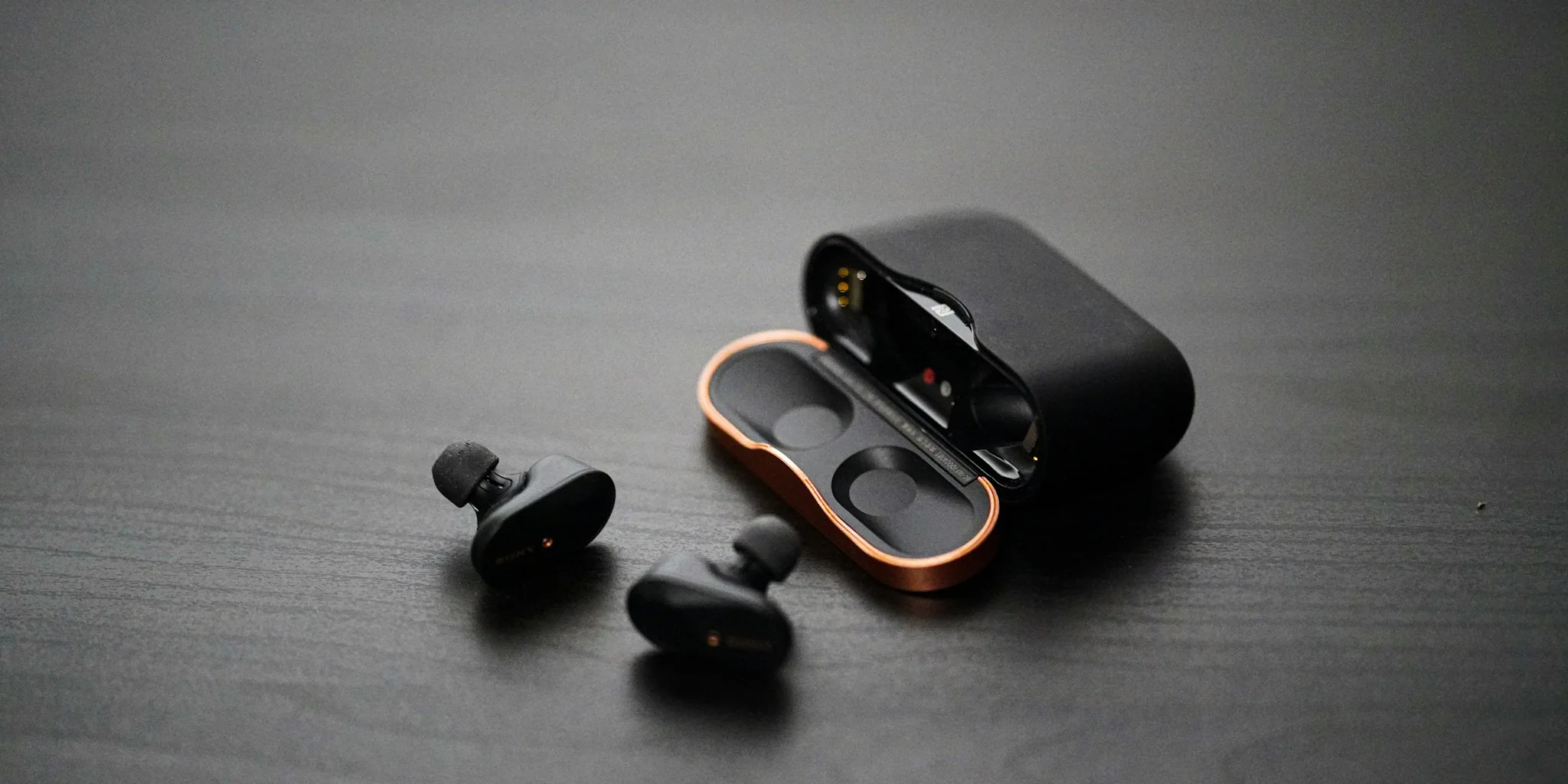
Open-ear wireless earbuds have quietly become one of the fastest-growing segments in personal audio, and for good reason.
Unlike traditional in-ear designs, they sit outside the ear canal entirely, letting you stay aware of your environment while still enjoying music, podcasts, or calls.
Whether you are a runner who needs to hear traffic, a remote worker who wants to stay present in the office, or someone whose ears simply ache after hours of in-canal buds, the open-ear category offers a genuinely different listening experience that is worth understanding before you buy.
You can browse the broader landscape of open-ear headphones on our dedicated category page.
The market now spans a wide range, from premium fitness-focused designs by Shokz and Anker’s Soundcore line to ultra-affordable options from newer brands.
Picking the right pair means weighing comfort, sound quality, battery life, and how you will actually use them day to day.
REMOVU researched this category by analyzing manufacturer specifications, synthesizing consensus from expert reviewers, and reviewing verified buyer feedback across thousands of purchases. Our picks below represent the strongest options at each price tier right now.
| Award | Product | REMOVU Score About REMOVU ScoreThe REMOVU Score is our own rating from 0 to 10, based on performance, design and build, ease of use, and value. It reflects independent research and is never influenced by manufacturers, retailers, or affiliate commissions. Learn more › | Price | |
|---|---|---|---|---|
| Best Overall |
 Shokz OpenFit Air Open-Ear Earbuds
|
9.0/10 | Buy | |
 Soundcore AeroFit 2 Open-Ear Earbuds
|
8.3/10 | Buy | ||
 Soundcore V30i Open-Ear Earbuds
|
8.2/10 | Buy | ||
| Best Premium |
 Soundcore C50i Open-Ear Earbuds
|
8.3/10 | Buy | |
 Soundcore V20i Open-Ear Earbuds
|
6.8/10 | Buy | ||
 AOTONOK Open Ear Earbuds with Bone Conduction
|
6.5/10 | Buy | ||
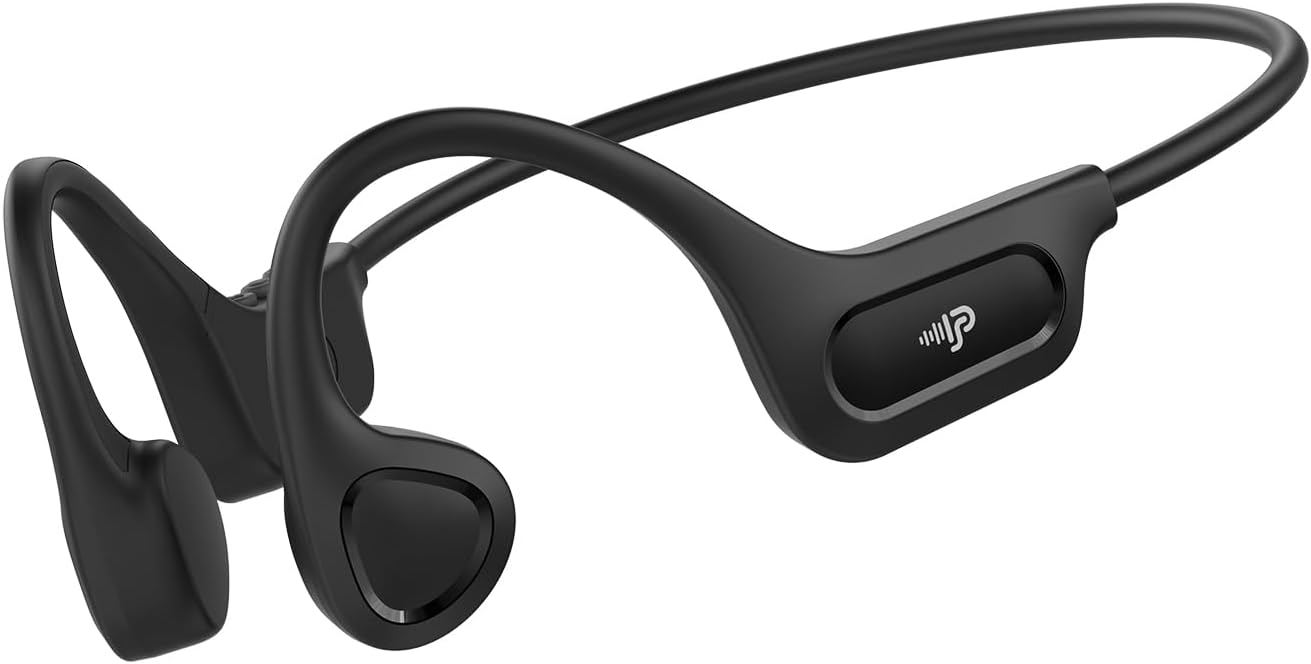 Psier Bone Conduction Headphones Bluetooth 6.0
|
7.0/10 | Buy | ||
 TEDELON Open Ear Earbuds, 50H Battery
|
6.3/10 | Buy | ||
 Offeryouawonderfulmusical X5S Open-Ear Earbuds
|
6.2/10 | Buy | ||
| Best Budget |
 TRAUSI Open Ear Earbuds 80H Battery
|
6.9/10 | Buy | |
 Tuemvia Open Ear Headphones 35H
|
6.2/10 | Buy | ||
| Best Value |
 OHAYO T10 Open Ear Headphones
|
7.2/10 | Buy |
Shokz OpenFit Air Open-Ear Earbuds
The Shokz OpenFit Air delivers secure, comfortable open-ear listening with Shokz's DirectPitch technology for natural sound and minimal leakage. Ideal for active users and those who want situational awareness while enjoying music or taking calls.
Pros
- Engineered fit with lightweight earhooks provides stability without ear canal insertion
- Excellent battery life: 6 hours per charge plus 28 hours with case
- Multipoint pairing lets you switch between work and workout seamlessly
- 4 smart microphones ensure clear voice calls in various environments
- Works independently as single earbud if needed
Cons
- Open-ear design may not appeal to users wanting noise isolation or privacy
- Sound leakage means others nearby can hear audio, limiting use in quiet shared spaces
Soundcore AeroFit 2 Open-Ear Earbuds
The AeroFit 2 delivers impressive open-ear comfort with 42-hour battery life, directional audio that minimizes leakage, and real-time translation across 100 languages. Best for users who want all-day wearability and situational awareness without traditional in-ear designs.
Pros
- Exceptional battery life at 42 hours total makes these earbuds ideal for travel and extended wear
- Adjustable ear hook system ensures a secure, comfortable fit for virtually all ear shapes
- Open-ear design keeps you aware of surroundings while still delivering immersive audio
- AI-powered clear call technology and real-time translation add practical value beyond music
- Wireless charging eliminates cable hassle and works with any standard Qi charger
Cons
- Open-ear design means less sound isolation compared to traditional closed-ear in-ear models
- Real-time translation requires the Soundcore app version 3.8.7 or later and latest firmware updates
- Sound leakage, while minimized, may still be noticeable in very quiet environments
Soundcore V30i Open-Ear Earbuds
The Soundcore V30i delivers a lightweight, secure open-ear design with 36-hour total battery life and strong bass through a 14.2mm bio-material diaphragm. Best for outdoor enthusiasts and commuters who need situational awareness without sacrificing sound quality.
Pros
- Exceptional battery life extends to 36 hours with charging case, ideal for travel and daily use
- Open-ear design provides environmental awareness for safety and situational comfort
- Lightweight and ergonomic construction allows comfortable all-day wear without fatigue
- IP55 water and dust resistance with SweatGuard makes them reliable for outdoor activities
- Clear call quality powered by four mics and AI noise reduction technology
Cons
- Open-ear design may not isolate sound, limiting use in noisy environments
- Audio leakage from open design could disturb others in quiet settings
Soundcore C50i Open-Ear Earbuds
These clip-on open-ear earbuds deliver surprising sound quality with a secure, comfortable fit ideal for running and workouts. At $40, they offer excellent value with 28-hour total battery life and IP55 water resistance, though single-charge playtime is limited to 7 hours.
Pros
- Excellent sound quality with punchy bass that exceeds expectations at this price point
- Genuinely comfortable for all-day wear without ear fatigue or pressure
- Stays securely in place during running, workouts, and active movement
- Lightweight design makes you forget you're wearing them
- Superior to bone conduction alternatives with better audio quality and situational awareness
Cons
- Only 7 hours per charge limits extended use without case access
- Volume may feel low for some applications without maxing device volume
- Requires proper fitting adjustment and break-in period to find ideal position
Soundcore V20i Open-Ear Earbuds
The Soundcore V20i are lightweight open-ear earbuds designed for all-day comfort and situational awareness, featuring 16mm drivers, IP55 water resistance, and up to 36 hours of battery life. They're an excellent choice for active users and office workers who want to stay connected to their surroundings without in-ear isolation.
Pros
- Open-ear design allows full situational awareness while listening
- Exceptional battery life with 8 hours per charge and 36 hours total capacity
- Secure, comfortable fit with four adjustable positions suitable for all ear shapes
- Durable IP55 rating handles sweat, rain, and moisture without compromise
- Four-mic system with AI enhancement ensures clear communication in any environment
Cons
- Open-ear design means less sound isolation compared to traditional in-ear earbuds
- Not ideal for users seeking immersive, private listening experiences
- Sound leakage may be noticeable in quiet environments
AOTONOK Open Ear Earbuds with Bone Conduction
These open-ear earbuds prioritize comfort and all-day wearability with a design that rests outside the ear canal rather than blocking it. With 36-hour battery life, Bluetooth 5.4, IPX7 waterproofing, and dual noise-canceling mics, they're a solid choice for runners and office workers who want awareness of their surroundings without ear fatigue.
Pros
- Exceptional battery life keeps you powered through extended workdays and multi-day trips
- Open-ear design maintains situational awareness while eliminating discomfort of in-ear models
- Dual microphones with noise reduction ensure clear calls in busy environments
- IPX7 waterproofing makes these reliable for running, gym sessions, and outdoor use
- Bluetooth 5.4 provides stable connectivity up to 33 feet with minimal latency
Cons
- No in-ear seal means sound leakage is inevitable, which may bother others nearby
- Open-ear design may not appeal to users who prefer traditional in-ear isolation
- LED battery display on case is helpful but adds complexity compared to simpler models
Psier Bone Conduction Headphones Bluetooth 6.0
The Psier bone conduction headphones deliver open-ear audio with Bluetooth 6.0, 10-hour battery life, and IPX5 water resistance in a lightweight 23g design. Best for runners and outdoor athletes who need situational awareness without ear canal pressure.
Pros
- Exceptional comfort for long workouts with minimal pressure on ears and head
- Reliable Bluetooth 6.0 connectivity with low latency ideal for outdoor activities
- Impressive 10-hour battery life reduces charging frequency for all-day use
- Durable IPX5 waterproof construction withstands intense sweat and unpredictable weather
- Bone conduction technology allows awareness of ambient sound for safer running and cycling
Cons
- Not suitable for underwater use despite IPX5 rating, limiting pool and diving applications
- Bone conduction audio may not satisfy users accustomed to traditional in-ear sound profiles
- Boean App features require smartphone compatibility and additional setup for full functionality
TEDELON Open Ear Earbuds, 50H Battery
TEDELON's open-ear earbuds deliver 50 hours of battery life with a secure ear-hook design and IPX6 water resistance, making them ideal for runners and gym-goers who want ambient awareness without in-ear insertion. The 16.2mm drivers and AI noise-canceling calls offer solid audio quality at a budget price, though sound isolation is limited by design.
Pros
- Exceptional 50-hour battery life reduces charging frequency to once per week
- Non-invasive open-ear design maintains ambient awareness for safety during outdoor activities
- Secure ear-hook fit stays comfortable for all-day wear without in-ear pressure
- IPX6 rating handles sweat and weather without risk to ear canals
- Bluetooth 5.4 ensures fast, stable connections in crowded wireless environments
Cons
- Open-ear design provides minimal sound isolation compared to traditional in-ear earbuds
- Sound leakage may be noticeable to others in quiet environments despite directional technology
Offeryouawonderfulmusical X5S Open-Ear Earbuds
The X5S open-ear earbuds deliver 40 hours of total playtime with Bluetooth 6.0 connectivity and IP7 water resistance, making them ideal for athletes and commuters who need situational awareness without sacrificing sound quality. At this price point, they're a solid choice for active users seeking comfort and durability.
Pros
- Exceptional battery endurance: 8-10 hours per charge plus 40 hours total with case
- Open design eliminates ear canal occlusion, ideal for runners and cyclists who need awareness
- Bluetooth 6.0 ensures quick pairing and seamless multi-device switching
- IP7 rating handles sweat and rain without worry
- Intelligent touch controls and LED battery display add convenience
Cons
- Open-ear design means less noise isolation compared to traditional in-ear models
- Sound leakage may be noticeable in quiet environments despite directional technology
- No mention of active noise cancellation, limiting use in loud commutes
TRAUSI Open Ear Earbuds 80H Battery
TRAUSI's open-ear earbuds deliver 80 hours of total playtime with a secure, pressure-free fit designed for runners and commuters who need ambient awareness. The combination of long battery life, IPX7 waterproofing, and ENC noise cancellation at under $30 makes them a solid choice for outdoor activities and all-day wear.
Pros
- Exceptional 80-hour battery life reduces charging frequency significantly
- Open-ear design maintains situational awareness ideal for runners, cyclists, and commuters
- IPX7 waterproofing handles sweat and rain without performance degradation
- Lightweight and ergonomic hook design eliminates ear fatigue during extended wear
- Bluetooth 5.4 delivers reliable multi-device connectivity
Cons
- Open-ear design may not suit users who prefer sound isolation or noise-canceling features
- Audio quality may not match premium sealed in-ear models despite custom-tuned drivers
- Limited passive noise isolation means less suitable for loud environments or commuter trains
Tuemvia Open Ear Headphones 35H
These lightweight open-ear headphones deliver 35 hours of total playtime with an LED display, stable ear-hook design, and sweat/waterproof durability. Ideal for runners and outdoor athletes who prioritize situational awareness and comfort during extended wear.
Pros
- Exceptional 35-hour total battery life eliminates frequent charging during active use
- Open-ear design provides safety and comfort advantage over traditional in-ear earbuds
- Durable construction withstands sweat, water, and demanding outdoor environments
- Fast Bluetooth pairing and stable multi-device connectivity
- Affordable price point for feature-rich wireless open-ear option
Cons
- Open-ear design may not suit users seeking maximum sound isolation or privacy
- 10-meter Bluetooth range is standard but may limit movement in larger spaces
OHAYO T10 Open Ear Headphones
The OHAYO T10 combines open-ear comfort with 40-hour battery life and IPX6 water resistance, making them ideal for active users who prioritize awareness and long-lasting wear. The lightweight design and secure earhooks deliver reliable performance for cycling, running, and workouts without ear canal irritation.
Pros
- Exceptional battery life eliminates frequent charging needs
- Open-ear design maintains environmental awareness for safer outdoor use
- Secure earhook design stays put during intense exercise
- Lightweight and comfortable for 10+ hours of continuous wear
- Durable IPX6 rating reviewed for 100+ hours of active use
Cons
- Open-ear design may not suit users preferring noise isolation
- Audio quality depends on proper earhook positioning for optimal fit
- Limited product reviews available for independent performance verification
Open-Ear Wireless Earbuds Buying Guide
Choosing the right pair of open-ear wireless earbuds comes down to more than picking the most expensive option or the one with the longest claimed battery life.
The category has its own set of trade-offs that differ significantly from traditional wireless earbuds, and understanding them ahead of time will save you from a disappointing return. Below are the criteria that matter most.
Open-Ear Design Type: Hook, Clip, or Bone Conduction

The term “open-ear” covers several distinct physical designs, and they do not all behave the same way.
Earhook designs, by far the most common in this roundup, use a curved arm that wraps around the outer ear and positions a speaker module just outside the ear canal.
They tend to offer the best balance of sound output and comfort for general use. Clip-on designs attach directly to the ear’s outer ridge without looping behind the ear, which some people find more discreet.
Bone conduction headphones transmit sound through the cheekbones rather than air, leaving the ear canal completely unobstructed, though they typically produce thinner, less dynamic sound than air-conduction open-ear designs.
Before buying, consider your primary activity. Earhook models are versatile enough for commuting, working, and light workouts. Bone conduction designs have a loyal following among swimmers and cyclists who want maximum situational awareness and zero ear obstruction.
Clip-style earbuds, like the Soundcore C50i, appeal to users who find traditional hooks uncomfortable or who prefer a lower-profile look. None of these design families is universally superior; the right choice depends on your ear shape and intended use.
One practical tip: if you have never worn open-ear earbuds before, manage your expectations around audio isolation. These designs intentionally let ambient sound in, so noisy environments will compete with your audio in a way that in-ear designs avoid.
That trade-off is the whole point of the category, but it catches some buyers off guard.
Sound Quality and Driver Size

Open-ear earbuds face an inherent acoustic challenge: without a sealed ear canal, bass frequencies dissipate into the air rather than building pressure against the eardrum. Entry-level models can sound thin and tinny as a result.
Higher-quality open-ear designs compensate with larger drivers, directional speaker housings, and custom acoustic chambers.
Models in our list like the Soundcore AeroFit 2 and the SHOKZ OpenFit Air have invested in driver engineering that produces noticeably richer low-end response compared to generic alternatives.
When evaluating sound quality in this category, look for driver size specifications of at least 10 mm for air-conduction designs, and pay attention to whether a model supports high-resolution audio codecs.
Hi-Res certification, present on several Soundcore models in this guide, indicates the hardware can faithfully reproduce audio beyond standard streaming quality, which matters if you listen to lossless tracks.
However, the codec advantage only applies when paired with a compatible source device and streaming service.
Bass performance is the single most common complaint among verified buyers of open-ear earbuds, so it is worth reading user feedback specifically about low-end response before committing. Some models compensate with an EQ app, which can meaningfully improve perceived bass without requiring a hardware upgrade.
Comfort and Fit Security
Comfort is arguably the defining purchase driver for open-ear earbuds. Many buyers switch to this category precisely because in-ear tips cause ear fatigue or pain during long sessions.
That means the earhook geometry, the weight of the driver module, and the material of any contact surfaces all deserve scrutiny. Look for designs that distribute weight evenly and use soft, skin-safe plastics or silicone at contact points.
Fit security during exercise is a separate concern. A hook that sits comfortably during a desk session may bounce loose during a trail run.
Models designed specifically for sport use tend to have adjustable or interchangeable hook sizes, a tighter clamping radius, and lower-profile driver housings that reduce the lever arm causing bounce.
The Soundcore AeroFit 2’s four adjustable hook positions and the OpenFit Air’s ergonomic arm geometry are both design responses to this problem.
For general daily wear, a lightweight and minimalist design like the Soundcore V30i often wins on comfort even if it sacrifices some sport-level security.
Weight matters more in this category than with in-ear designs because the buds are not anchored by the ear canal itself.
Models that weigh significantly more than 10 to 12 grams per earbud tend to generate fatigue on the outer ear cartilage over extended wear, based on aggregated user reports.
Bone conduction designs are typically lighter overall, since they use the cheekbone rather than the ear for support.
Water and Sweat Resistance

IP (Ingress Protection) ratings are especially important for open-ear earbuds because they are disproportionately popular among runners and cyclists who sweat heavily or train in the rain.
An IP55 rating, which appears on several models including the Soundcore V30i, AeroFit 2, and C50i, means the earbuds can resist dust and low-pressure water jets from any direction.
That is adequate for sweat and light rain but not submersion. IPX6 and IPX7 ratings offer progressively better water resistance and are worth prioritizing if you swim laps or train in heavy downpours.
Be aware that IP ratings on budget models from lesser-known brands are sometimes self-reported rather than independently verified.
When a no-name product claims IPX7 at a very low price point, treat that claim with some skepticism and look at verified buyer feedback from people who actually used the earbuds in wet conditions before trusting the spec sheet.
For sport and outdoor use, a verified IP55 or better from a reputable brand is a safer baseline than an unverified IPX7 claim.
Battery Life and Charging

Open-ear earbuds frequently tout headline battery numbers that look impressive on paper: 36 hours, 50 hours, even 80 hours. Understanding what those numbers actually mean requires a bit of unpacking.
Total playtime usually refers to the combined capacity of the earbuds plus a charging case.
Earbud-only playtime on a single charge is the more relevant figure for daily use, since you will need to return the buds to the case to top them up.
A model claiming 80 total hours may deliver only 10 to 12 hours per charge from the earbuds themselves.
Wireless charging is a convenience feature that varies by tier. At a budget price point it is uncommon, but the Soundcore AeroFit 2 includes it at a mid-range price, which is a meaningful differentiator.
Fast charging, meanwhile, is increasingly standard even on affordable models: a short charge window delivering several hours of playback is common across this roundup and is worth confirming in the specs before you buy.
For most commuters and workout users, earbuds that provide six or more hours on a single charge are entirely adequate for daily life without needing to babysit a charging schedule.
Call Quality and Microphone Performance

Call quality is one of the biggest differentiators between premium and budget open-ear earbuds, and it is also one of the hardest to assess from a spec sheet alone.
The number of microphones listed (two, four, or more) matters less than the quality of the ENC (Environmental Noise Cancellation) algorithm processing that mic array.
Budget models with four ENC mics frequently disappoint in real-world call scenarios, while well-tuned dual-mic systems from established brands can outperform them significantly.
Because open-ear designs do not seal against the ear canal, wind noise and ambient sound are more likely to bleed into your microphone pickup than with in-ear designs.
This is an inherent limitation of the category that no ENC system fully eliminates.
If taking calls in noisy outdoor environments is your primary use case, verified buyer reviews from people who specifically discuss call quality in wind or crowd noise are the most reliable signal.
Look at that feedback, not just the mic count listed in the product title.
For workplace calls in quieter environments, most mid-range open-ear earbuds perform adequately.
The SHOKZ OpenFit Air, with its mature microphone system, and the Soundcore AeroFit 2, with its AI Clear Calls processing, are among the stronger performers in this roundup for call-heavy use.
If you spend a lot of time on video calls, pairing your earbuds with a dedicated microphone is worth considering for critical work calls where audio clarity is non-negotiable.
Why You Should Trust Us
REMOVU is an independent review publication.
Every product in this guide was evaluated using a consistent, structured research process that draws on manufacturer specifications, expert review consensus from published audio and consumer electronics sources, and verified buyer feedback aggregated from confirmed purchase reviews.
Each model receives a REMOVU Score on a scale of 0 to 10, reflecting its overall performance across the criteria most relevant to this category: comfort and fit, sound quality, call quality, battery life, water resistance, and value relative to price tier.
We do not conduct our own product trials; our evaluations are grounded in research, published data, expert review consensus, and verified buyer feedback.
This approach lets us cover a broad range of products and price points with consistent scoring methodology rather than limiting our recommendations to what we happen to have on hand in a single location.
Our goal is to give you the most useful synthesis of available information, not a single subjective impression.
REMOVU may earn a commission if you purchase through links on this page. That commercial relationship has no influence on our rankings, REMOVU Scores, or editorial selections. Products are chosen and ranked based on research merit, not affiliate economics.
We disclose this relationship because transparency is fundamental to how we operate. If a product does not earn a strong score, it does not make our recommended list regardless of any other consideration.
Final Thoughts
The open-ear wireless earbud market has matured considerably, and there is now a genuinely good option at nearly every price tier.
The differences between brands like Shokz, Soundcore, and lesser-known newcomers are meaningful and worth understanding rather than defaulting to the cheapest option available. After comprehensive research, here are our standout picks from this guide:
- Best Overall: SHOKZ OpenFit Air earns our top score in this roundup. Its combination of ergonomic earhook engineering, strong sound tuning for an open-ear design, reliable water resistance, and polished daily-use experience puts it ahead of every other model we evaluated. It represents the clearest expression of what premium open-ear audio looks and sounds like right now.
- Best Mid-Range Pick: Soundcore AeroFit 2 is the smart choice for buyers who want a significant step up from budget options without reaching for the top tier. Its adjustable hook system, wireless charging, AI-enhanced call processing, and Hi-Res audio support make it one of the most feature-complete earbuds at a mid-range price. It is particularly well suited to active users who want sport versatility and work-call capability in one pair.
- Best Budget Pick: Soundcore V30i consistently earns strong sentiment from verified buyers at its accessible price point. Lightweight construction, ergonomic hooks, robust bass for the category, and a multi-device-friendly feature set make it an easy recommendation for first-time open-ear buyers who want a reliable entry point without a big financial commitment.
- Best Clip-On Style: Soundcore C50i stands out as the strongest clip-on design in this guide. With Bluetooth 6.0, Hi-Res certification, and a 12 mm driver delivering meaningful bass output for a clip-style earbud, it offers a genuinely different fit option for users who find traditional earhooks uncomfortable or want a more discreet look during workouts.
For buyers on the tightest budgets, the Soundcore V20i remains a serviceable entry point with multipoint connection and IP55 resistance at a very accessible price, though the trade-offs in sound quality and microphone performance are real.
Whatever your budget, prioritize fit comfort and IP rating for your intended activity, and treat headline battery life claims from unknown brands with appropriate skepticism.
Exploring the full audio and headphones category can also help you determine whether open-ear is truly the right format for your listening habits before committing.
Frequently Asked Questions
Are Open-Ear Earbuds Good for Running and Working Out?
Yes, and situational awareness is the biggest reason. Open-ear earbuds let you hear traffic, other runners, and surrounding hazards without removing your earbuds, which makes them meaningfully safer than noise-isolating in-ear designs for outdoor exercise.
Most models in this guide carry at least IP55 water resistance, which handles sweat and light rain.
For higher-intensity outdoor workouts or trail running in variable weather, prioritize models with IPX6 or IPX7 ratings and an adjustable or sport-specific earhook geometry that stays secure during lateral movement.
Do Open-Ear Earbuds Have Good Bass?
Honest answer: bass is the category’s most consistent weakness. Because the ear canal is not sealed, low-frequency energy dissipates rather than building pressure at the eardrum, which is how in-ear buds generate their bass impact.
That said, the gap has narrowed substantially in recent years. Premium and mid-range open-ear designs use larger drivers, directional acoustic chambers, and driver placement angles that genuinely improve low-end presence.
Models with companion apps and parametric EQ give you additional headroom to boost bass to taste.
If thumping bass is your top priority, a sealed in-ear design will always win on that single dimension, but if you value situational awareness, the bass compromise is usually worth it.
What Is the Difference Between Open-Ear and Bone Conduction Earbuds?
Both keep the ear canal open, but they work very differently. Bone conduction earbuds, like the PSIER model in this guide, press against the cheekbones and transmit vibration directly to the inner ear, bypassing the outer and middle ear entirely.
This means the ear canal is completely unobstructed, which some users prefer for comfort or hearing aid compatibility. Air-conduction open-ear earbuds position a conventional speaker driver just outside the ear canal and deliver sound through normal air vibration.
Air-conduction designs generally produce richer, more detailed sound with better stereo imaging; bone conduction designs excel in extreme awareness scenarios or for users with certain types of hearing loss. Most buyers find air-conduction open-ear earbuds more satisfying for everyday listening.
Can I Use Open-Ear Earbuds for Office Work and Video Calls?
Absolutely, and many people find them preferable for all-day office use precisely because they do not cause the ear fatigue that sealed in-ear buds create over long sessions.
You can hear colleagues and office sounds naturally without removing the earbuds, which makes them practical for hybrid work environments.
Call quality varies significantly by model, so if video calls are a central use case, prioritize picks with AI-enhanced ENC microphone systems.
For critical remote presentations or client calls in noisy environments, a dedicated USB desktop microphone is still the gold standard, but well-tuned open-ear earbuds handle routine calls comfortably.
How Do I Know If the Battery Life Claims Are Accurate?
The most reliable approach is to look at verified buyer reviews rather than manufacturer specs. Battery life claims are measured at low volume levels in ideal conditions, which rarely match real-world use.
Buyers who report actual charge durations at moderate to high volume, or with features like ENC and multipoint enabled, give you a more accurate picture.
Also confirm whether the headline figure refers to total system playtime including the charging case or to earbud-only playtime per charge.
For most buyers, confirmed earbud-only playtime of six to eight hours is more than adequate for daily commute and workout use without needing to access the case mid-day.
Are Expensive Open-Ear Earbuds Worth It Over Budget Options?
In this category, more than most, the answer tends to be yes for regular users.
The differences in driver quality, earhook engineering, microphone processing, and app ecosystem between a premium model and a very cheap one are substantial enough to affect daily satisfaction.
Budget open-ear earbuds are a reasonable way to try the format before committing, but verified buyer feedback consistently shows higher satisfaction and longer ownership at mid-range and premium price points.
The SHOKZ OpenFit Air and Soundcore AeroFit 2 represent two different price tiers where the quality investment pays off meaningfully over daily use.
If you are already convinced the open-ear format suits your lifestyle, buying at the mid-range or above from an established brand is typically the better long-term value.
You can also compare the broader wireless earbud landscape, including noise-cancelling headphones and other audio formats, to make sure open-ear is the right fit for your needs before buying.
About the author
Alexis covers Blu-ray and 4K disc players for REMOVU, comparing picture quality, format support, and streaming extras. She helps collectors and cinephiles get the best possible image from a physical library.