The 9 Best Open-Back Over-Ear Headphones
Open-back over-ear headphones deliver a soundstage and naturalness that closed designs simply cannot match. These are the strongest picks across every budget.
 By Adrian Perez
Updated July 26, 2026
By Adrian Perez
Updated July 26, 2026
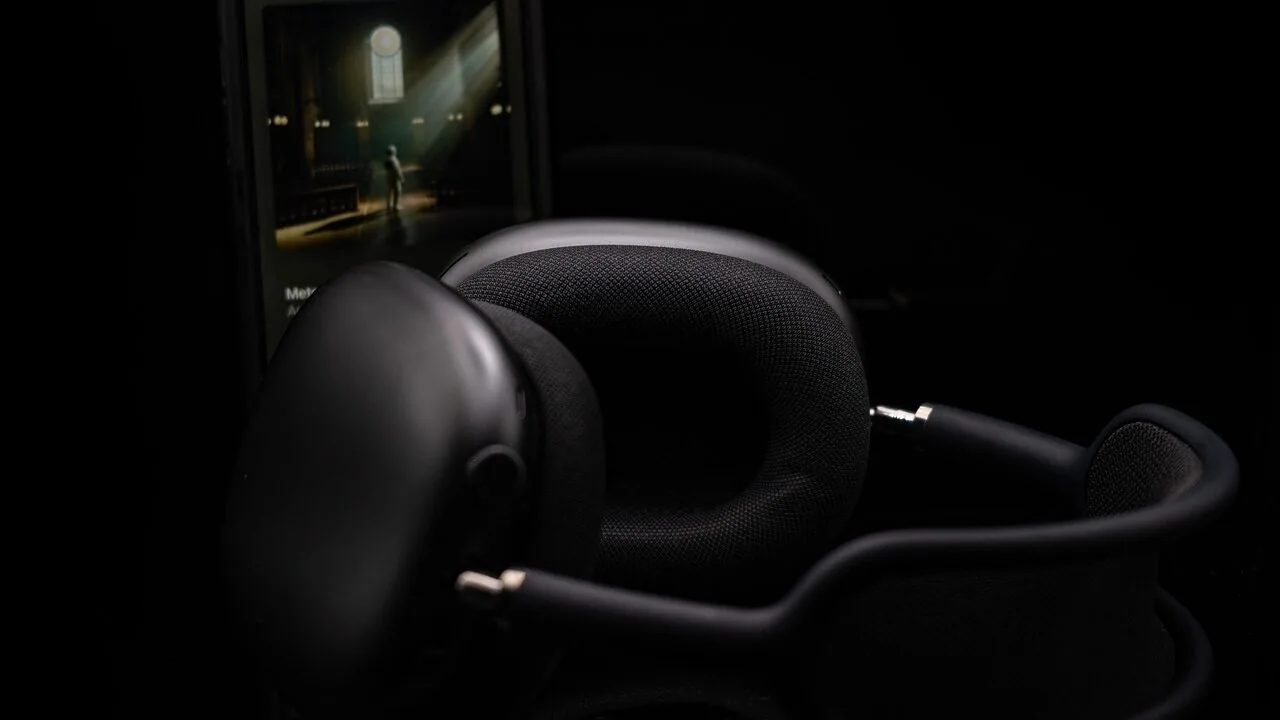
Open-back over-ear headphones occupy a unique space in the audio world.
Unlike closed-back designs that seal sound inside the cups, open-back models allow air and sound to flow freely through the ear cups, producing a spacious, natural soundstage that many audiophiles and audio professionals consider unmatched by any other headphone form factor.
If you have ever felt that closed-back headphones sound slightly artificial or congested, switching to an open-back pair can feel like a revelation.
The tradeoff is real, though: sound leaks in both directions, making these headphones best suited for quiet home environments, studio work, or dedicated listening sessions rather than commuting or open offices.
This guide brings together the strongest options across every price tier, from budget-friendly picks that punch well above their weight to studio-grade over-ear headphones built for critical audio work.
Our recommendations are drawn from a rigorous research process that synthesizes published specifications, expert review consensus, and verified buyer feedback.
Whether you are a first-time buyer curious about the open-back experience or a seasoned listener looking to upgrade, the ranked picks below offer a clear starting point.
| Award | Product | REMOVU Score About REMOVU ScoreThe REMOVU Score is our own rating from 0 to 10, based on performance, design and build, ease of use, and value. It reflects independent research and is never influenced by manufacturers, retailers, or affiliate commissions. Learn more › | Price | |
|---|---|---|---|---|
| Best Overall |
 Sennheiser HD 650 Open Back Headphones
|
8.9/10 | Buy | |
 Beyerdynamic DT 990 PRO Open-Back Studio Headphones
|
7.2/10 | Buy | ||
 Sennheiser HD 560S Open-Back Headphones
|
6.9/10 | Buy | ||
| Best Value |
 Philips Fidelio X2HR Open-Back Headphones
|
8.1/10 | Buy | |
| Best Premium |
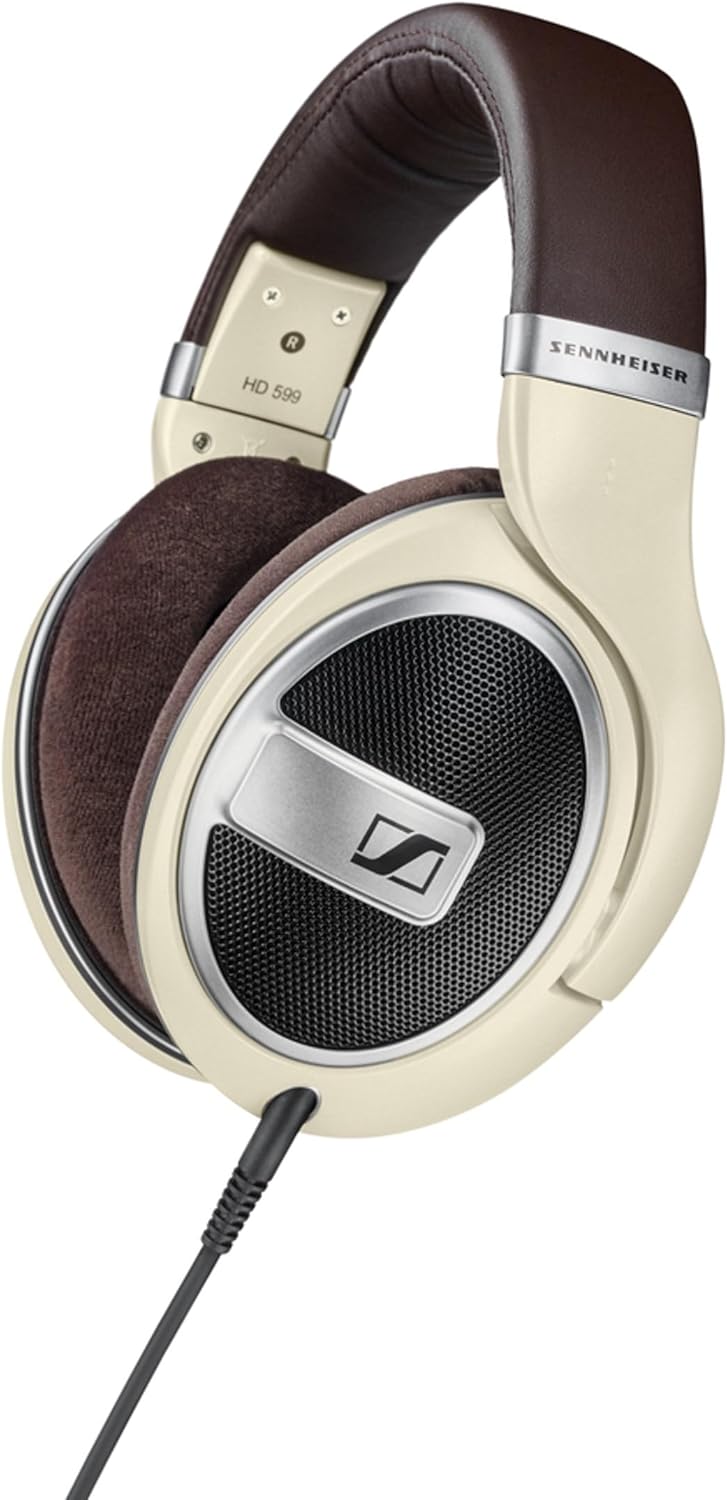 Sennheiser HD 599 Open Back Headphones
|
7.8/10 | Buy | |
| Best Budget |
 Philips SHP9500 Open-Back Over-Ear Headphones
|
7.8/10 | Buy | |
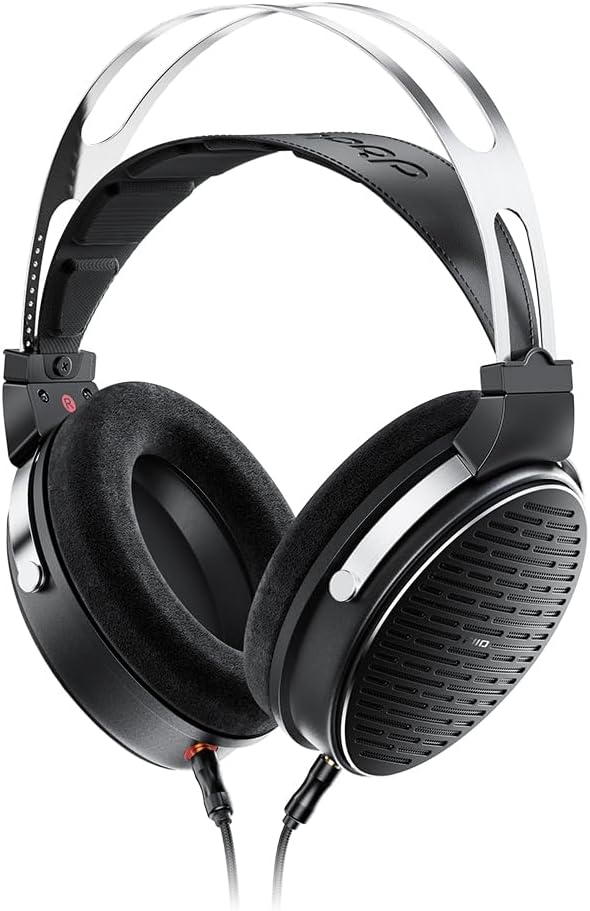 FiiO JT3 Open-Back Headphones
|
7.2/10 | Buy | ||
 Sennheiser HD 490 PRO Open-Back Studio Headphones
|
6.5/10 | Buy | ||
 FIFINE HD18 Lite Open-Back Monitor Headphones
|
6.2/10 | Buy |
Sennheiser HD 650 Open Back Headphones
The Sennheiser HD 650 is a legendary open-back audiophile headphone that delivers exceptional sound clarity with a 0.05% THD distortion rating and hand-matched drivers. Ideal for critical listening, music production, and anyone seeking studio-grade audio performance.
Pros
- Exceptional audio clarity with industry-leading 0.05% THD specification
- Hand-matched drivers deliver consistent quality and reliable performance
- Wide frequency response captures subtle details from 10 Hz to 41,000 Hz
- Open-back design provides natural, spacious soundstage ideal for music appreciation
- Durable construction with optimized magnet systems for long-term reliability
Cons
- Open-back design allows sound leakage, making them unsuitable for shared spaces or travel
- Renewed condition may show cosmetic wear; verify return policy before purchase
- Requires quality amplification to fully realize their potential
Beyerdynamic DT 990 PRO Open-Back Studio Headphones
The DT 990 PRO are professional open-back studio headphones delivering spacious, transparent sound with balanced bass and treble ideal for mixing and critical listening. Best suited for producers, audio engineers, and audiophiles who prioritize soundstage and detail over isolation.
Pros
- Outstanding clarity and detail retrieval with wide, natural soundstage for critical listening
- Comfortable circumaural design with soft, replaceable ear pads suitable for long studio sessions
- Handcrafted German build quality with high-grade materials ensures long-term reliability
- Open-back design delivers impressive spaciousness without muddy bass coloration
- Single-sided cable reduces cable noise and tangling during active studio work
Cons
- Open-back design provides no noise isolation, making them unsuitable for use in noisy environments or for personal listening in public spaces
- Requires a dedicated headphone amplifier or pro audio interface to reach optimal performance with 250 ohm impedance
- Sound leakage is significant due to open-back design, potentially disturbing others nearby
Sennheiser HD 560S Open-Back Headphones
The Sennheiser HD 560S delivers neutral, reference-grade sound in an open-back design that excels for critical listening, gaming, and content creation. Its lightweight comfort and wide soundstage make it ideal for audiophiles and creators seeking accuracy without wireless compromise.
Pros
- Accurate, uncolored sound signature reveals subtle details across music, games, and recordings
- Spacious soundstage and open design reduce listener fatigue during long sessions
- Lightweight construction with soft velour pads delivers comfort without pressure points
- Versatile connectivity with detachable cable and multiple adapters for any audio source
- Excellent value for reference-grade audio quality compared to higher-tier Sennheiser models
Cons
- Open-back design leaks sound and provides no isolation, unsuitable for shared spaces or travel
- Wired connection limits mobility compared to wireless alternatives
- Requires careful amp matching for optimal performance with some audio interfaces
Philips Fidelio X2HR Open-Back Headphones
The Philips Fidelio X2HR delivers high-resolution audio with exceptional clarity and comfort, making it ideal for audiophiles and home studio listeners who prioritize sound quality and all-day wearability. Its open-back design and 50mm drivers produce transparent, detailed sound across all frequencies.
Pros
- Exceptional sound clarity and detail with Hi-Res Audio certification and extended 40kHz frequency response
- Lightweight, self-adjusting design with memory foam and velour pads delivers comfort during long listening sessions
- Open-back acoustic design creates spacious, transparent soundstage ideal for critical listening and studio work
- Replaceable ear-pads and detachable cable extend product lifespan and provide customization options
- Handpicked and individually tuned drivers ensure consistent quality and natural sound reproduction
Cons
- Open-back design offers minimal sound isolation, making them unsuitable for travel or noisy environments
- Wired connection limits portability compared to wireless alternatives
- Premium price point may exceed budget for casual listeners seeking basic audio quality
Sennheiser HD 599 Open Back Headphones
Premium open-back headphones delivering natural, spacious sound with exceptional comfort for extended listening sessions. Ideal for audiophiles and music enthusiasts who prioritize sound quality and build craftsmanship over portability.
Pros
- Exceptional sound quality with natural spatial presentation and minimal distortion (0.1% THD)
- Extremely comfortable for extended listening with soft velour pads and ergonomic design
- Versatile connectivity with two cables covering both home audio and portable devices
- Premium build quality with aluminum voice coils and robust construction
- Wide frequency response captures nuanced details across music genres
Cons
- Open-back design means sound leaks to surroundings, unsuitable for shared spaces or travel
- Wired-only connectivity limits portability compared to wireless alternatives
- Higher price point positions it as a premium option for serious enthusiasts rather than casual listeners
Philips SHP9500 Open-Back Over-Ear Headphones
The Philips SHP9500 delivers transparent, well-balanced sound through its open-back design and 50mm neodymium drivers, making it an excellent choice for audiophiles and casual listeners seeking comfort during extended listening sessions without breaking the bank.
Pros
- Exceptional sound clarity and detail with natural, well-balanced frequency response
- Lightweight and breathable design ideal for extended listening without fatigue
- Versatile connectivity works with phones, laptops, TVs, and audiophile amplifiers
- Premium build quality with reinforced steel construction and quality materials
- Great value for open-back headphones at this price point
Cons
- Open-back design provides minimal noise isolation and allows sound leakage
- Not suitable for portable use or noisy environments due to lack of passive isolation
FiiO JT3 Open-Back Headphones
The FiiO JT3 delivers spacious, detailed sound through a 50mm dynamic driver and open-back design, making it an excellent choice for audiophiles and gamers seeking natural soundstage without breaking the bank. Lightweight aluminum construction and detachable microphone cable add versatility for studio, home, or portable use.
Pros
- Exceptional soundstage clarity from open-back design ideal for music production and critical listening
- Lightweight yet durable construction makes these headphones practical for both studio and home use
- Detachable cable with microphone and multiple adapter options maximizes compatibility
- Excellent price-to-performance ratio for audiophile-grade headphones
- Memory foam earpads ensure fatigue-free listening even during long sessions
Cons
- Open-back design provides minimal sound isolation, making them unsuitable for noisy environments
- No active noise cancellation or wireless connectivity limits portability
- 0 customer reviews available to verify real-world performance claims
Sennheiser HD 490 PRO Open-Back Studio Headphones
The HD 490 PRO are professional studio reference headphones engineered for mixing and mastering, delivering an exceptionally wide soundstage and precise audio reproduction through an open-back design. They're ideal for music producers and audio engineers who demand accuracy and comfort during long sessions.
Pros
- Exceptional soundstage width and precision make critical mixing decisions more reliable and confident
- Two ear pad options let you switch between mixing and producing perspectives without swapping headphones
- Included dearVR MIX-SE plugin transforms your DAW into a virtual mixing studio for better translation across playback systems
- Lightweight construction and ventilated design enable comfortable all-day wear without fatigue
- German engineering and handcrafted build quality ensure long-term durability and consistent performance
Cons
- Open-back design means sound leakage into the room, unsuitable for recording vocals or recording in shared spaces
- Premium price point makes them an investment for serious professionals rather than casual home users
- Requires familiarity with mixing and studio work to fully leverage their reference-grade accuracy
FIFINE HD18 Lite Open-Back Monitor Headphones
The FIFINE HD18 Lite delivers studio-grade monitoring with 53mm drivers, open-back soundstage, and a detachable mic at an accessible price point. Best suited for content creators, podcasters, and home studio users who need accurate reference sound without premium pricing.
Pros
- Open-back design provides natural stereo imaging and detailed sonic accuracy ideal for critical listening tasks
- Detachable microphone adds versatility for recording vocals, streaming, and online communication without purchasing separate gear
- Broad device compatibility via standard 3.5mm jack simplifies setup across multiple studio environments
- Comfortable for extended wear thanks to breathable construction and lightweight build
- Balanced frequency response across highs, mids, and bass supports accurate mixing and mastering work
Cons
- Open-back design offers no isolation, making these unsuitable for use in noisy environments or when privacy is needed
- Wired connection limits mobility compared to wireless alternatives, though it ensures zero latency for monitoring
- May require careful microphone positioning to achieve optimal voice clarity during recording sessions
Open-Back Over-Ear Headphones Buying Guide
Choosing between open-back over-ear headphones involves more variables than simply picking the most expensive model or the one with the best marketing copy.
Impedance, driver design, comfort over long sessions, and the type of source gear you own all interact in ways that matter far more than a spec sheet alone suggests.
The sections below walk through each key consideration so you can match the right pair to your actual listening environment and needs.
Impedance and Amplification Requirements
Impedance is arguably the first specification worth understanding when shopping for open-back headphones, because it determines whether your existing source equipment can drive the headphones to their full potential.
Lower-impedance models in the 32 to 80 ohm range will play at reasonable volumes straight from a smartphone, laptop headphone jack, or basic USB audio interface.
Higher-impedance models, particularly those at 250 ohms or above, require a dedicated headphone amplifier or a DAC/amp combo to reach their performance ceiling.
Driving a high-impedance headphone from an underpowered source typically results in thin bass, compressed dynamics, and a lack of the detail and imaging the headphone is actually capable of.
If you do not already own a headphone amplifier and are not ready to invest in one, prioritize models with lower impedance ratings.
If you are willing to pair your headphones with proper DACs and headphone amps, then higher-impedance options open up considerably and often deliver more nuanced sound at the top of their range.
Many of the most celebrated open-back models in the audiophile community sit at 250 ohms or higher, so factoring in amplification costs as part of the total budget is practical advice worth heeding early.
Sensitivity ratings (measured in dB/mW) work alongside impedance to tell the full story. A headphone can have moderate impedance but low sensitivity and still demand a strong amplifier.
When comparing two options that otherwise seem similar, checking both figures together gives a much clearer picture of real-world power requirements than impedance alone.
Soundstage, Imaging, and Frequency Response

The defining advantage of open-back headphones is their soundstage: the perceived width, depth, and three-dimensionality of audio playback.
Because the driver is not acoustically sealed inside a closed cup, pressure does not build in the same way, and sound reflections within the cup are minimized.
The result is an impression that instruments and voices occupy distinct positions in space around you rather than sitting pressed against the inside of your skull.
For classical music, jazz, acoustic recordings, and orchestral scoring work, this characteristic is genuinely transformative.
Frequency response describes how a headphone handles the spectrum from deep bass through upper treble, and different open-back models are voiced very differently.
Some follow a relatively flat, neutral tuning that prioritizes accuracy over listener fatigue, making them well suited for mixing and audio production.
Others introduce a slight bass lift or a brighter treble peak that many listeners find more immediately engaging for recreational listening.
There is no universally correct tuning, but understanding whether a headphone skews neutral, warm, or bright helps you predict whether it will suit your musical preferences and your source material.
Imaging precision, meaning a headphone’s ability to place individual sounds accurately within the soundstage, varies even among open-back models.
Well-regarded open-back designs from Sennheiser, beyerdynamic, and Philips tend to earn strong marks here across a broad range of verified listener reports, which is part of why those brands recur so often in serious buying discussions.
Driver Size and Construction Quality
Driver diameter influences how convincingly a headphone reproduces the low-frequency extension and overall dynamic scale of a recording. Most over-ear open-back headphones use dynamic drivers in the 40mm to 53mm range.
Larger drivers generally move more air and can convey the physical weight of bass instruments more convincingly, though driver size is only one factor among several in overall performance.
Diaphragm material, voice coil design, and magnetic structure all contribute to the final sound character.
Build quality matters especially for open-back headphones because the open grilles and exposed drivers are more vulnerable to dust and physical damage than closed-back designs. Metal headbands, reinforced pivot points, and replaceable ear pads extend service life meaningfully.
Several models in this category, including certain beyerdynamic designs that are handmade in Germany, have earned reputations for decades-long durability in professional environments, which factors into the longer-term value assessment beyond initial purchase price.
Comfort and Long-Session Wearability

Open-back headphones are typically used for extended seated listening or studio work, so comfort over hours of continuous wear matters more here than with headphones used in short bursts on a commute.
Key factors include clamping force, ear cup depth and diameter, headband padding, and the breathability of ear pad material.
Velour pads are widely preferred for long sessions because they do not trap heat the way protein leather pads do, though leather-adjacent materials can offer a better passive seal that some users prefer for keeping outside noise slightly lower.
Clamping force that is too strong causes pressure fatigue during long sessions; too loose and the headphone slides off-axis and loses low-frequency performance.
Most well-regarded open-back designs aim for a moderate clamping force that holds the headphone securely without clamping down uncomfortably.
Adjustable headbands and swiveling ear cups accommodate a wider range of head shapes, which is worth prioritizing if you have found past headphones uncomfortable.
Weight is another practical consideration often overlooked in spec comparisons.
Heavier headphones with generous padding can actually be more comfortable than lighter designs with inadequate cushioning, but the sweet spot is a headphone that distributes its weight evenly across the headband and ear cups rather than concentrating it at contact points.
Verified buyer feedback consistently highlights comfort as one of the top deciding factors in long-term satisfaction, even among users who initially prioritized sound quality above all else.
Cable Design and Connectivity

Open-back headphones are almost universally wired, which suits their typical use case of stationary home or studio listening where wireless convenience is less critical.
Cable design varies considerably: some models ship with long, straight cables intended for desktop use; others use coiled cables that spring back when not pulled taut, reducing desktop clutter.
Detachable cables are a practical durability advantage because the cable is typically the first component to fail, and being able to replace it without sending the headphone for service extends its useful life substantially.
Most open-back headphones terminate in a standard 3.5mm plug with a screw-on or clip-on quarter-inch adapter for use with professional audio equipment.
Some higher-end models use balanced XLR or 4.4mm Pentaconn connectors for use with balanced amplifier outputs, which can reduce noise and crosstalk in longer cable runs. For most home listeners a standard 3.5mm or quarter-inch connection is perfectly adequate.
Those interested in wired over-ear headphones across a broader range of categories will find that connection quality and cable build are recurring themes in professional audio discussions.
Use Case: Listening Environment and Intended Purpose

Because open-back headphones leak sound in both directions, they are not suitable for quiet public spaces, noisy commutes, or shared office environments where others would be disturbed by audio bleed.
They are purpose-built for environments where the listener can control their surroundings: a home listening room, a private studio, a home office with the door closed.
If your listening situation involves frequent movement between environments or a need for passive noise isolation, a closed-back over-ear headphone or a pair with active noise cancellation will serve you better in those contexts.
Within the open-back category itself, intended purpose shapes which specification profile to prioritize.
Critical listeners and audio engineers mixing music generally prefer flatter, more neutral frequency responses with accurate imaging, while casual listeners enjoying recreational playback often prefer a slightly warmer or more dynamic tuning.
Gaming is another growing use case for open-back headphones because the expansive soundstage improves positional audio cues in games, and several of the picks in this guide serve that purpose well.
For those who want noise isolation alongside a wide soundstage, pairing any of these headphones with a well-treated room or quiet environment provides far better results than relying on headphone isolation alone.
Listeners who travel frequently may also want to explore noise-cancelling headphones for travel as a complementary option for on-the-go use.
Why You Should Trust Us
REMOVU is an independent review publication. Every product in this guide was evaluated against a consistent, multi-factor framework and assigned a REMOVU Score on a 0 to 10 scale.
Our scoring considers published specifications, expert review consensus drawn from reputable audio publications and professional communities, and verified buyer feedback from confirmed purchasers.
We do not conduct our own product trials; our evaluations are grounded in research, published data, expert review consensus, and verified buyer feedback.
This approach allows us to assess a broader range of products with consistent criteria than any single reviewer conducting isolated evaluations could achieve, and it grounds every score in a body of real-world experience rather than a single subjective impression.
REMOVU earns a commission when readers purchase through links in this article. That commercial relationship does not influence our rankings, scores, or product selections in any way.
Products are ranked exclusively by REMOVU Score, and no brand or retailer has paid for placement or editorial consideration. Our over-ear headphones coverage follows the same editorial standards across every category and price tier.
If a product scores poorly, it does not appear in our top picks regardless of any commercial relationship. We believe transparency about how we work is as important as the recommendations themselves.
Final Thoughts
The open-back over-ear headphone category rewards research because the range of sound signatures, impedance profiles, build approaches, and price points is genuinely wide.
Across our full evaluation of the products in this guide, a handful of standouts emerged that suit different listeners and budgets particularly well. Here are our top category picks with the attributes that earned each one its designation.
- Best Overall: Sennheiser HD 650 earns the top spot with the highest REMOVU Score in this lineup, reflecting decades of refinement, a beautifully balanced frequency response with natural midrange presence, and a soundstage that remains a benchmark at its price tier. It is the pick to recommend when someone wants the definitive open-back experience at a premium but not stratospheric price.
- Best Mid-Range Pick: Philips Fidelio X2HR stands out among the mid-tier options for its wide, engaging soundstage, premium build quality with a self-adjusting headband, and the large 50mm drivers that bring genuine physical scale to bass instruments. It is a strong performer for recreational listeners who want open-back character without committing to high-end amplification.
- Best Budget-Conscious Entry: Philips SHP9500 and the Sennheiser HD 599 share the same REMOVU Score and together represent the strongest options for listeners entering the open-back world at a lower price point. The SHP9500 is particularly praised for its comfort and neutral tuning; the HD 599 offers a warmer, more forgiving presentation that suits long listening sessions well.
- Best for Studio and Professional Use: beyerdynamic DT 990 PRO remains a long-standing choice for audio engineers and content creators who need an analytically detailed, revealing headphone. Its handmade German construction and wide frequency extension make it a reliable reference tool, though its brighter treble character means it rewards amplifier pairing and suits certain listener preferences more than others.
- Best Entry-Level Gateway: FiiO JT3 represents a genuinely accessible entry point for listeners curious about the open-back experience on a tighter budget, with a detachable cable and a PEK+PU composite diaphragm that delivers respectable performance at its price. It ties with the beyerdynamic DT 990 PRO on REMOVU Score but operates in a very different price tier, making it the practical gateway recommendation.
For listeners who want to explore the full landscape of wired over-ear options including both open and closed designs, or who are considering wireless alternatives for more flexible daily use, our broader headphone coverage addresses those needs in dedicated guides.
The open-back category remains one of the most rewarding corners of personal audio for those willing to listen in the right environment, and any of the top-scored picks in this article will demonstrate immediately why so many serious listeners keep returning to this format.
Frequently Asked Questions
What Is the Main Difference Between Open-Back and Closed-Back Headphones?
Open-back headphones have perforated or grilled ear cups that allow air and sound to pass freely through the housing.
This design reduces pressure buildup inside the cup, which audiophiles associate with a more natural, spacious soundstage and less listening fatigue over long sessions.
The tradeoff is bidirectional sound leakage: people nearby can hear what you are listening to, and ambient noise from your surroundings enters your ears without resistance.
Closed-back over-ear headphones seal the driver acoustically, providing passive noise isolation and containing sound, which makes them better suited for shared spaces, recording booths, and on-the-go use.
Do Open-Back Headphones Need an Amplifier?
It depends on the specific model’s impedance and sensitivity ratings. Lower-impedance open-back headphones (generally 32 to 80 ohms) will function adequately from a laptop or smartphone output, though even these often benefit from a modest headphone amplifier.
Higher-impedance models at 150 ohms and above, including some of the most respected designs in the category, genuinely require a dedicated amplifier to perform at their best. Running them underpowered results in audible compression and a loss of detail and dynamics.
If you are investing in a premium open-back headphone, budgeting for a quality source and amplifier as part of the total setup cost is a sensible approach.
Can Open-Back Headphones Be Used for Gaming?
Yes, and many competitive and enthusiast gamers actively prefer them for this purpose.
The wide soundstage that defines open-back headphone performance translates directly to improved positional audio in games, making it easier to locate footsteps, environmental cues, and directional effects accurately.
The natural imaging characteristic of a well-designed open-back model can outperform many headsets marketed specifically for gaming in terms of spatial awareness.
The limitation is the same as always: they are only practical in quiet environments where sound leakage is not a concern for those around you.
For gaming in a shared living space or on a headset with a built-in microphone requirement, exploring options in our gaming headsets category may offer a more practical balance.
Are Open-Back Headphones Good for Mixing and Music Production?
Open-back headphones are widely used in mixing and mastering environments because their more accurate, less colored sound reproduction helps engineers make informed decisions about frequency balance, stereo placement, and dynamic range.
The reduced resonance and pressure buildup inside an open cup means you hear the mix more as it is rather than as an amplified or altered version shaped by cup reflections.
That said, open-back headphones for mixing work best in a treated room or a quiet environment where external noise will not color your perception of the material.
Many engineers use open-back headphones for critical reference listening and switch to closed-back models when tracking or working in louder environments.
How Should I Care for Open-Back Headphones?
Because the drivers are exposed through the open grilles, open-back headphones require more careful handling than closed-back designs. Store them in a clean, dust-free environment when not in use, ideally on a headphone stand rather than loose in a bag.
Avoid exposing them to high humidity or liquid, as the exposed driver assembly is more vulnerable than a sealed design.
Replace ear pads when they begin to deteriorate, as worn pads affect both comfort and the acoustic seal against your head.
For models with detachable cables, periodic inspection of the connector and cable for wear will help you catch potential failures early. With reasonable care, well-built open-back headphones from established manufacturers regularly remain in excellent working condition for many years.
What Should I Listen to First on Open-Back Headphones?
The soundstage and imaging strengths of open-back headphones are most apparent with recordings that were mixed with stereo imaging in mind: orchestral classical music, jazz with distinct instrument placement, acoustic recordings, and well-produced rock or folk albums tend to showcase the format beautifully.
Heavily compressed or aggressively limited modern productions may not reveal the format’s strengths as clearly on first listen, though high-quality open-back headphones will still resolve more detail than typical headphones regardless of source material.
High-resolution audio files or lossless streaming further reward the resolving ability of a quality open-back design, making them a natural companion to high-fidelity audio sources.
About the author
Adrian is REMOVU's home theater speaker writer, matching bookshelf, tower, and surround options to real rooms and receivers. He helps readers build a cohesive system that sounds bigger than its price.