iPhone Dominates Q3 2026 Smartphone Market: What This Means for Buyers
Apple dominates Q3 2026 as memory costs keep prices high and shoppers become more selective buyers.
 By Eleanor Garcia
Updated November 28, 2026

iPhone Leads While Overall Market Struggles
The smartphone market faced significant headwinds in the third quarter of 2026, with US shipments declining 9 percent year-over-year as consumers grappled with elevated memory costs and widespread price increases across the industry. However, one manufacturer bucked the trend entirely: Apple captured the largest market share and was the only major player to avoid an absolute decline in unit shipments during this challenging period.
According to market research data, Apple’s market share surged to 57 percent in Q3 2026, representing a 7 percentage point gain compared to the same quarter a year earlier. This represents the strongest performance among all smartphone makers in a market where most competitors struggled. The company’s success came alongside major product announcements, including the introduction of its first foldable device, the iPhone Duo, and the flagship iPhone 18 Pro, as well as leadership changes at the executive level.
Why Apple Won When Others Lost Ground
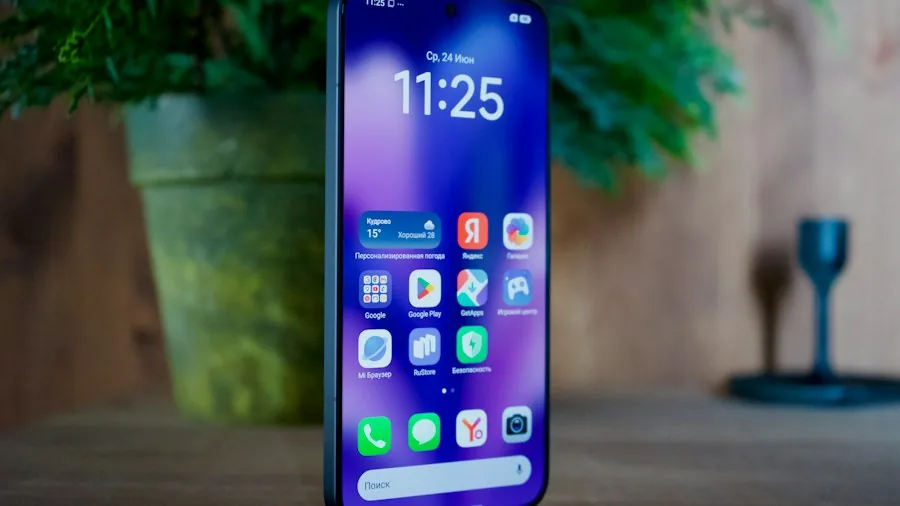
Several factors contributed to Apple’s exceptional performance amid broader market weakness. While smartphone sales through major US carriers declined 4 percent year-over-year overall, Apple maintained relatively stable pricing compared to competitors who raised prices significantly. This pricing discipline resonated with cost-conscious consumers facing difficult purchase decisions.
Samsung held steady with 25 percent market share, up slightly from 24 percent the previous year, primarily due to its diverse product lineup spanning flagship models and affordable Galaxy A-series phones. Motorola’s share fell to 8 percent, as its reliance on budget-friendly devices left it vulnerable to margin pressures from elevated memory component costs.
Industry analysts note that Apple’s diverse product portfolio, combined with consistent pricing strategies, positioned the company to capture a larger slice of the already-shrinking market. When consumers do decide to purchase a new device, many are becoming increasingly price-sensitive and strategic about timing their purchases around promotional offers.
What Shoppers Should Expect Moving Forward
The road ahead remains challenging for the broader smartphone industry. Memory costs are expected to remain elevated through the remainder of 2026 and potentially into 2027, meaning the widespread price increases across both Apple’s iOS and Android devices are likely to stick around. Manufacturers have signaled they do not anticipate returning to lower MSRPs anytime soon.
Carriers are expected to become more selective with promotional offers during the upcoming holiday season, which typically represents the strongest sales period of the year. Rather than the generous discounts consumers may have experienced in prior years, shoppers should prepare for a different promotional landscape. This shift reflects carriers’ concerns about weak overall demand and uncertainty about consumer spending patterns.
Experts predict that Q4 2026 smartphone sales will remain subdued, as consumers continue to extend their device replacement cycles. Those considering a new wireless earbuds for iPhone users or other complementary devices may also face similar pricing pressures and reduced promotional activity.
Timing Purchases Around Limited Deals

Industry observers note a fundamental shift in consumer behavior emerging during this period. Rather than impulse purchases or regular upgrade cycles, buyers are now timing their acquisitions around the best available promotional offers, and many are choosing not to purchase at all. This marks a departure from historical patterns where seasonal promotions drove consistent upgrade waves.
For those planning a smartphone purchase before year-end, the strategy should involve monitoring available promotions carefully. While carriers will likely offer fewer aggressive deals than in previous holiday seasons, selective promotions may still be available. Those in the market for a premium device with the latest technology may want to research current offers, particularly as competition between carriers for high-value customers persists.
The expanded smartwatches for iPhone options and ecosystem accessories may also play a role in purchase decisions, as many consumers evaluate the total cost of ownership when upgrading their primary device.
The Bottom Line for Shoppers
Apple’s strong Q3 performance demonstrates the company’s ability to thrive even during market downturns, while the broader industry slowdown signals that consumers are exercising greater caution with discretionary spending. Memory component costs remain the primary driver of elevated pricing, and there is no indication these costs will normalize in the near term. Prospective buyers should approach the remainder of 2026 with realistic expectations about pricing and promotion availability, and should evaluate their actual technology needs carefully before committing to a new device purchase during this period of market uncertainty.
About the author
Eleanor covers smartphones for REMOVU, balancing cameras, battery life, and software support against price. She helps readers find the best value as the field shifts with every release.