iPhone 20 Pro Incoming: What the Rumored 3D-Printed Titanium Frame Means for Your Next Upgrade
Apple's next flagship may use 3D-printed titanium frames. Here's what that means for durability, cost, and when to upgrade.
 By Eleanor Garcia
Updated November 27, 2026
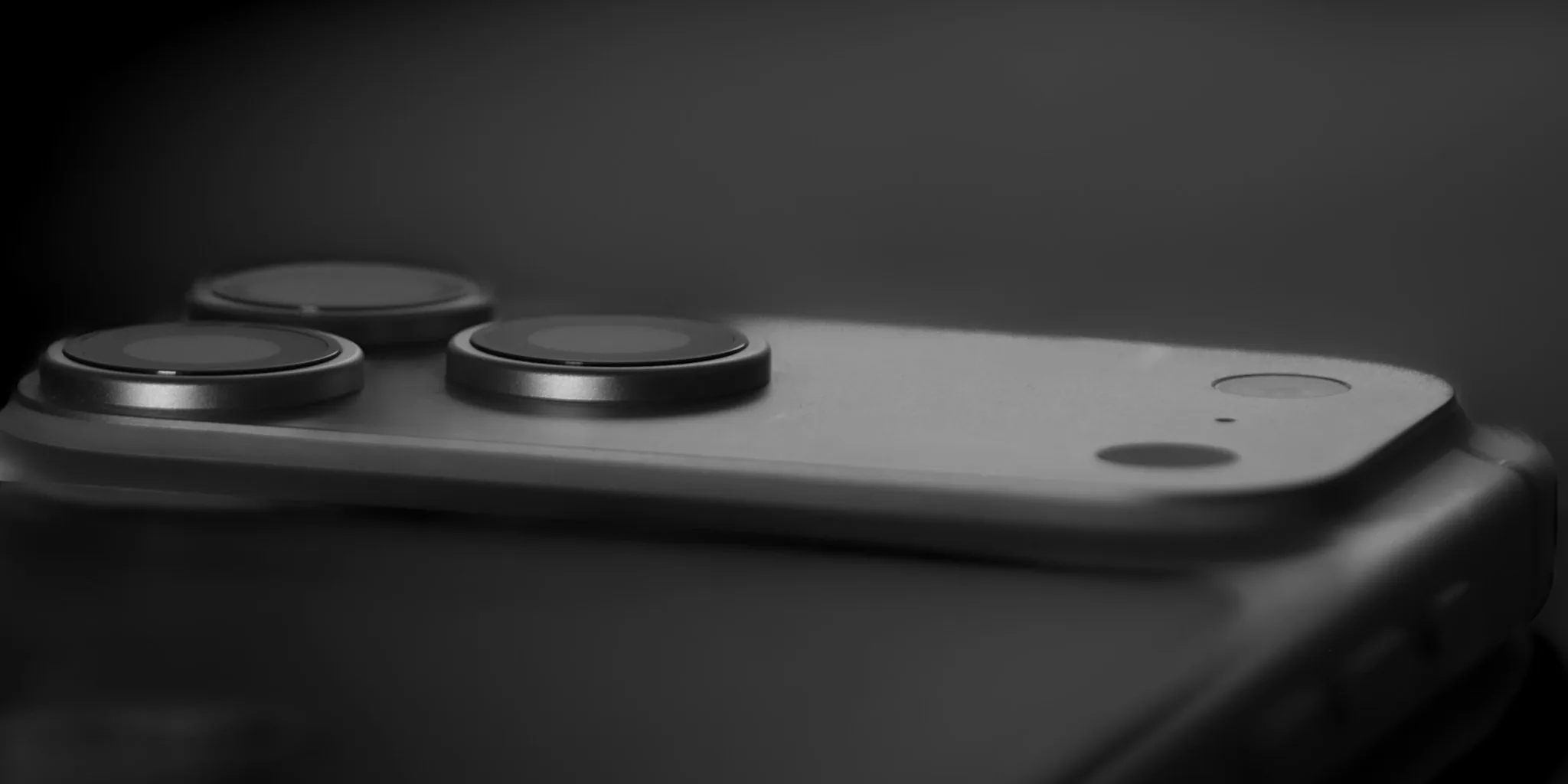
Apple’s next-generation flagship iPhone is shaping up to be one of the most significant redesigns in recent memory, and new leaks suggest the company is planning a major shift in how it builds the device’s frame. According to sources close to the development process, the iPhone 20 Pro models arriving in fall 2027 will incorporate extensive use of 3D-printed titanium components, marking a substantial departure from the aluminum construction used in today’s Pro lineup.
What We Know About the New Manufacturing Process
Industry insiders reveal that Apple intends to use laser-based titanium powder 3D-printing technology to manufacture key parts of the mid-frame. This advanced production method fuses successive layers of titanium powder using high-powered lasers, creating structures that conventional manufacturing simply cannot achieve. The technique enables more intricate designs while simultaneously reducing material waste during production, addressing both aesthetic and sustainability concerns.
This isn’t Apple’s first rodeo with the technology. The company has already deployed this 3D-printing approach in the Apple Watch Ultra 4 and Apple Watch Series 12, where it has proven effective at delivering premium durability. Additionally, Apple currently uses the same process to manufacture the USB-C port enclosure on the iPhone Air, demonstrating that the company has confidence in this method for critical components that handle daily wear and tear.
Durability and Design Flexibility
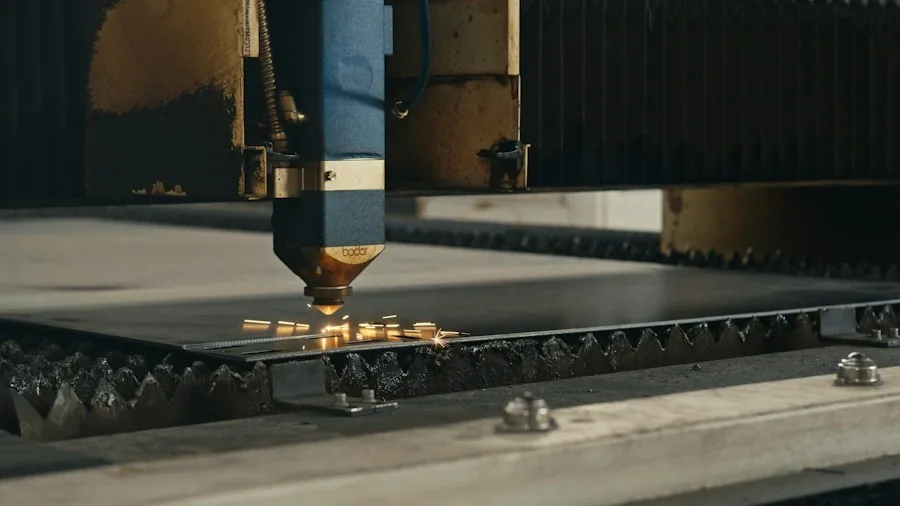
The appeal of titanium is clear: it’s significantly more durable than aluminum while maintaining a premium aesthetic. For shoppers who prioritize longevity and are willing to invest in a flagship device, this shift represents a meaningful upgrade. Titanium’s reputation for withstanding drops, dents, and everyday abuse makes it an attractive material for a phone you plan to keep for years.
Beyond raw toughness, the 3D-printing capability offers Apple unprecedented design freedom. The company is reportedly working on an all-glass 20th-anniversary design featuring curved glass on all sides and virtually invisible display bezels. The flexibility afforded by laser-printed titanium structures would allow Apple to construct internal frames that support this ambitious exterior without compromising structural integrity. When comparing this generation to modern USB-C accessories and peripherals designed for premium devices, the investment in better hardware makes sense from a longevity perspective.
The Thermal Challenge Ahead
Not everything about the shift is straightforward. Industry analysts note that titanium conducts heat differently than aluminum, and current iPhone Pro models rely on aluminum’s superior heat dissipation to manage thermal loads during intensive tasks. As phones become more powerful with each generation, keeping internal temperatures in check becomes increasingly critical. How Apple addresses this thermal management concern remains unclear, though the company’s engineering track record suggests they won’t ship a device without solving the problem.
This is particularly important for users who regularly push their phones with demanding applications, mobile gaming, or video recording. Poor thermal management could throttle performance or reduce battery efficiency, negating some benefits of the new material. It’s a question that will likely be answered once independent reviews begin comparing the iPhone 20 Pro’s real-world performance against its predecessor.
What This Means for Shoppers
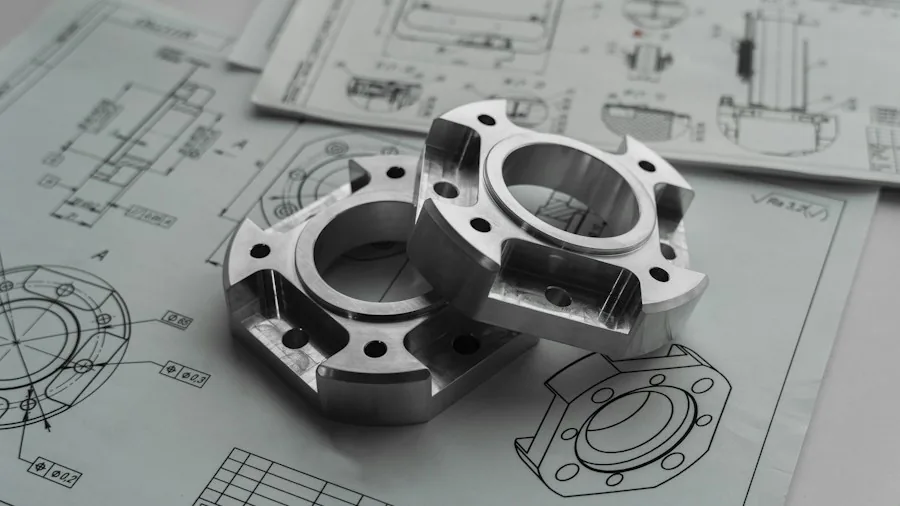
If you’re considering whether to hold out for the 2027 models or upgrade now, the titanium frame story adds meaningful weight to the upgrade case. The combination of enhanced durability and cutting-edge manufacturing represents the kind of generational leap that justifies the investment in flagship hardware.
For budget-conscious buyers, the increased production complexity might translate to higher pricing. 3D-printing titanium is more expensive than stamping aluminum, and Apple’s premium positioning suggests these cost increases will be passed along to consumers. That said, improved durability could mean fewer repairs and longer usable device lifespans, potentially offering better value over time.
Accessories manufacturers are already preparing for the transition. Component designers building peripherals and dock solutions will need to account for different thermal profiles and potentially revised port placement due to the new frame design. Early adopters should expect a brief window where certain accessories designed for the iPhone 18 and 19 Pro may not be optimally compatible.
Looking Ahead to 2027
Apple’s rumored timeline points to a fall 2027 announcement, giving the company roughly a year to refine manufacturing processes and address technical challenges like thermal management. The company’s decision to invest heavily in 3D-printing technology across multiple product lines suggests this isn’t a one-off experiment but rather a fundamental shift in how Apple will manufacture premium devices going forward.
For now, shoppers waiting for more concrete details should continue monitoring industry reports as 2027 approaches. The iPhone 20 Pro is shaping up to deliver not just incremental improvements but a genuinely different product, built with materials and methods that represent a meaningful step forward in smartphone engineering.
About the author
Eleanor covers smartphones for REMOVU, balancing cameras, battery life, and software support against price. She helps readers find the best value as the field shifts with every release.