Samsung Odyssey G60H Gaming Monitor Launch: What Buyers Should Know
1,100 Hz refresh rate at 720p, $894 price. What competitive gamers should know.
 By Jamie Kuhn
Updated November 24, 2026
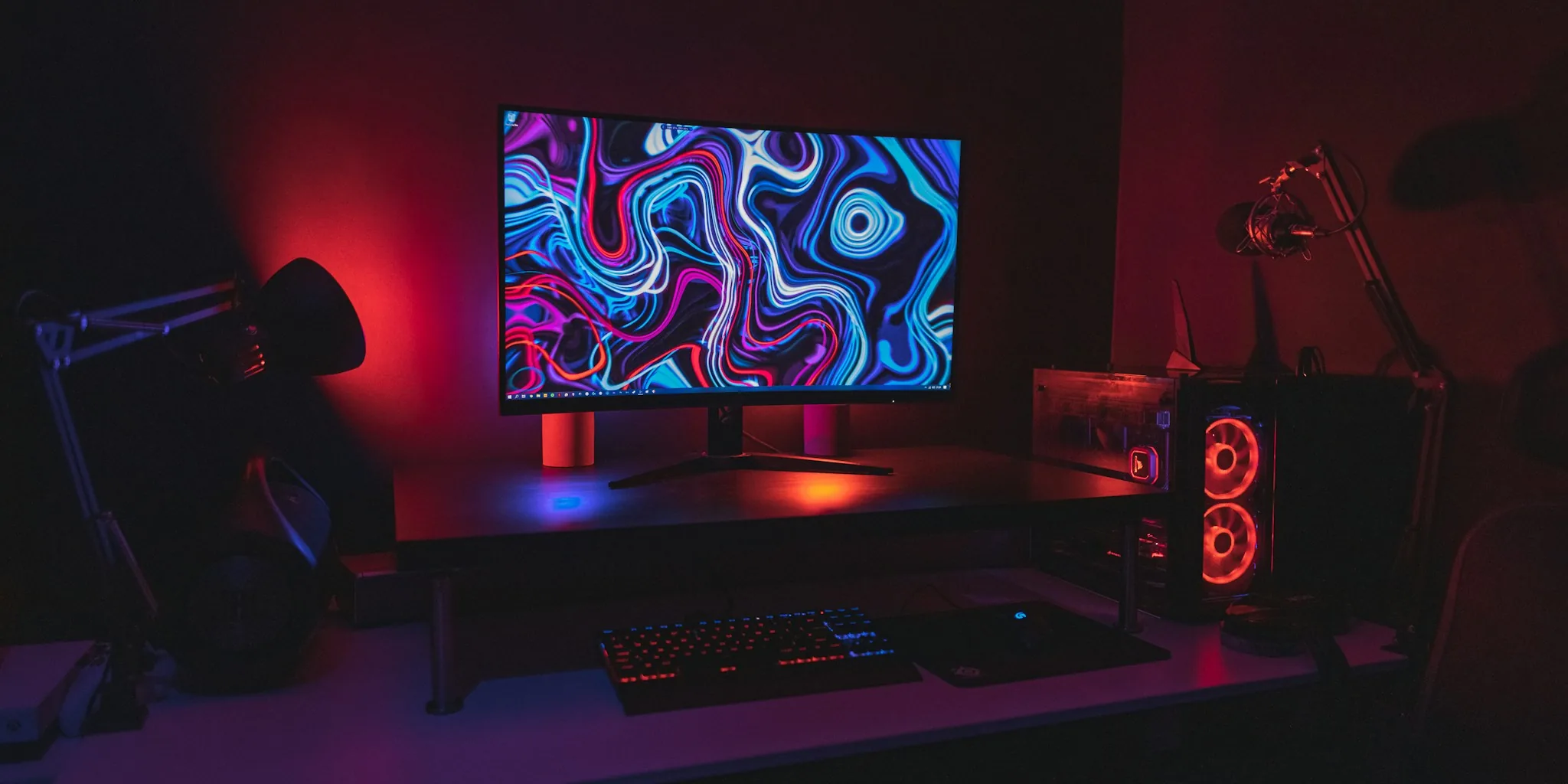
Samsung has introduced a gaming monitor that pushes the boundaries of display technology with a headline-grabbing specification: the Odyssey G60H can deliver a 1,100 Hz refresh rate, translating to just 0.91 milliseconds per frame. For shoppers evaluating their next purchase, this latest entry into the competitive gaming monitor market raises important questions about what this innovation means in practical terms and whether the price justifies the extreme specs.
The Dual-Mode Approach Explained
The key to understanding the Odyssey G60H lies in Samsung’s decision to implement a dual-mode design. At its native QHD resolution of 2560×1440 pixels, the monitor maintains a solid 600 Hz refresh rate, which is already exceptional for gaming. To reach that 1,100 Hz figure, users must reduce the resolution to 1280×720, commonly known as HD. This represents a 75 percent reduction in pixel count, dropping to exactly one-quarter of the native QHD resolution. Samsung has applied what it describes as intelligent integer upscaling to maintain image quality at this lower resolution.
For competitive gamers who prioritize frame rates above visual fidelity, this trade-off may prove worthwhile. Many esports competitors have historically favored lower resolutions to maximize frame rates and reduce input latency. However, casual gamers and those who value visual clarity should recognize that 720p on a 27-inch screen will appear noticeably less sharp than the 1440p option.
Pricing and Market Position
The Odyssey G60H carries an initial price point of approximately $894, which positions it as a premium offering. The interesting aspect here is that Samsung has priced it below what one might expect given the extreme refresh rate specification. This pricing suggests the company is marketing this as a specialized tool for hardcore competitive gamers rather than a mass-market enthusiast display. The relatively moderate cost compared to the headline specification makes this monitor more accessible than it might initially appear.
Core Specifications and Features
Beyond the headline refresh rate, the Odyssey G60H incorporates several standard features found in quality gaming monitors. The 27-inch Fast IPS LCD panel delivers a brightness rating of 400 cd/m² and claims 99 percent sRGB color coverage. Native contrast sits at a measured 1000:1, and the monitor includes HDR10 support, though the lack of local dimming and modest brightness levels mean this is not a true HDR display. Both FreeSync Premium and G-Sync compatibility ensure broad graphics card support across AMD and NVIDIA platforms, though interestingly, users cannot achieve the peak 1,100 Hz refresh rate while running FreeSync.
Samsung introduces a new feature called Odyssey Clear Motion, designed to reduce motion blur during fast-paced gameplay scenes. The company describes this as an optimized blur reduction algorithm, though the specific implementation remains unclear. At 1,100 Hz, the theoretical necessity for additional blur reduction is debatable, as research suggests refresh rates above 1,000 Hz can approach the motion clarity of classic CRT displays without additional processing. Nevertheless, Samsung plans to expand this technology across future gaming monitor models, suggesting confidence in the approach.
Connectivity and Build Quality
The Odyssey G60H supports modern connectivity standards including DisplayPort 2.1 and HDMI 2.1, with two full-sized HDMI ports for flexibility. A USB Type-B connector allows the monitor to pass through two USB Type-A ports to the host computer. Notably absent is USB Type-C connectivity, an unusual omission for a monitor at this price tier. For desktop gamers with the hardware capable of pushing extreme frame rates, this absence is a reasonable trade-off, as most would not rely on USB-C features.
The included stand provides comprehensive adjustment options: tilt, swivel, pivot, and height adjustments. VESA mounting support at 100×100 adds flexibility for alternative mounting solutions. The monitor uses an external AC adapter rather than an internal power supply, a design choice that sacrifices convenience but improves long-term repairability.
Who Should Consider This Monitor
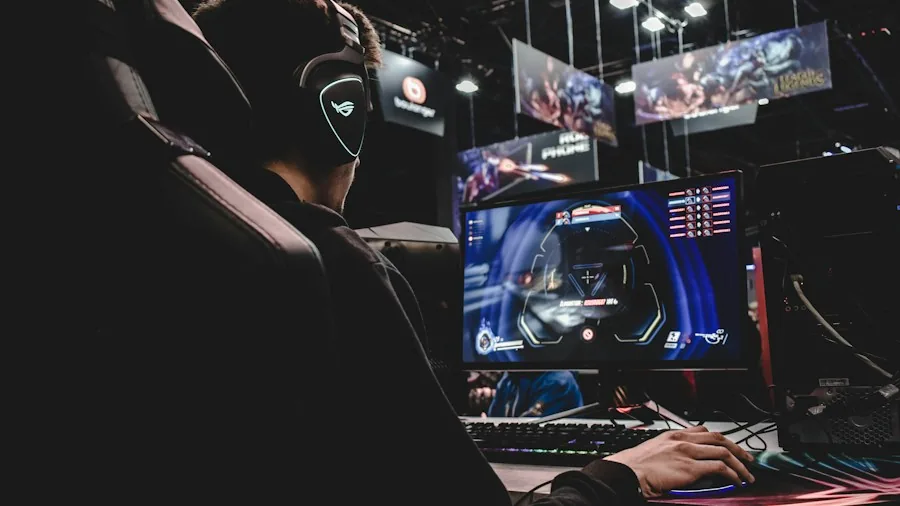
This monitor is explicitly engineered for competitive gamers pursuing the lowest possible input latency and highest frame rates. If you play fast-paced esports titles like Valorant, Counter-Strike, or similar games where every frame matters, the dual-mode approach offers genuine value. Those seeking a general-purpose gaming monitor with balanced resolution and refresh rates should explore curved gaming monitor alternatives or displays optimized for 1440p gaming at more conventional refresh rates.
Casual gamers and content creators should recognize that this monitor does not prioritize visual quality or resolution. The pixel response times, while rated at 1 millisecond gray-to-gray, likely measure between 3 and 5 milliseconds under real-world conditions. The 400 cd/m² brightness and modest contrast ratio mean this is not an ideal choice for color-critical work.
The Bottom Line for Shoppers
Samsung’s Odyssey G60H represents a logical progression in gaming monitor technology, offering competitive gamers a path to extremely high frame rates at a more reasonable price than expected. The dual-mode design is pragmatic rather than groundbreaking, as users must sacrifice resolution significantly to access the headline 1,100 Hz specification. For those pursuing every possible competitive advantage in esports, the investment may deliver genuine value. For everyone else, gaming monitors under $300 or mid-range options at standard refresh rates offer better overall value and more versatile performance.
About the author
Jamie is REMOVU's gaming monitor writer, comparing refresh rate, response time, and motion clarity across panel types. He helps players find smooth, responsive displays at every budget.