World of Warcraft Forever Gamepad Support Explained: What Console Players Should Know
Learn how World of Warcraft Forever's new controller support works and what it means for future Xbox and PlayStation releases.
 By Serenity Richards
Updated November 24, 2026
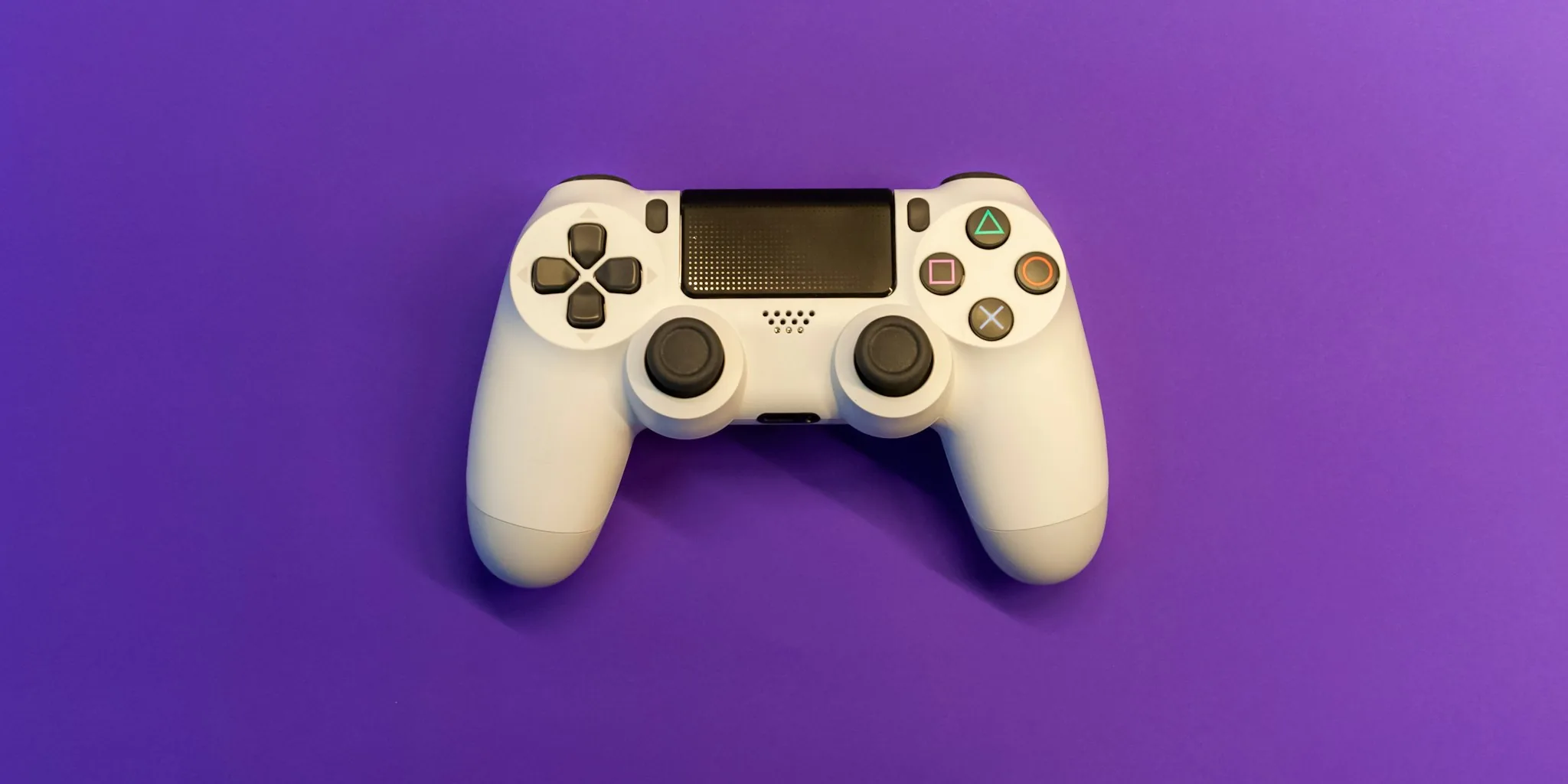
Blizzard’s recent launch of World of Warcraft Forever has brought a significant shift to how players can enjoy the classic MMO: native gamepad support built directly into the client. For years, players relied on third-party addons to use controllers, but this new implementation marks the first time Blizzard has officially integrated this functionality. As the gaming landscape increasingly favors portable and console-based experiences, understanding how this feature works and what it means for future console versions is essential for buyers considering their options in the game consoles market.
World of Warcraft Forever itself is a reimagined version of the original game, featuring fresh quests, enhanced graphics, and streamlined gameplay that appeals to both nostalgic veterans and newcomers. The title is included with a standard subscription at no additional cost, though a deluxe edition with bonus content is available for purchase. The gamepad implementation has proven surprisingly effective for certain playstyles, making the game particularly popular on portable PC gaming handhelds.
How the Gamepad System Actually Works
The control scheme borrows design principles from console MMORPGs, relying heavily on shift-button combinations to maximize available keybinds. Core interactions like jumping and basic actions map to the standard ABXY buttons. Players gain access to three additional pages of commands by holding the right trigger, left trigger, or both simultaneously, dramatically expanding what a single controller can handle.
The bumper buttons serve as targeting tools, with the left bumper selecting friendly players and the right bumper targeting enemies. Holding these buttons allows fine-tuning of your selection using the joystick. Combined bumper presses open utility menus for tasks like accessing bags or adjusting camera settings. This approach proves surprisingly intuitive once players build muscle memory, particularly for healing classes where targeting friendlies becomes second nature quickly.
What makes this system noteworthy is how well it accommodates the reduced ability complexity in World of Warcraft Forever compared to the retail version. The simplified combat makes this control method viable for a much broader range of players than traditional MMORPGs typically support.
Current Limitations and Design Concerns
Despite its strong foundation, the gamepad implementation carries several notable shortcomings. The directional pad, positioned awkwardly for constant gameplay access, forces players to remove their thumbs from movement joysticks to activate abilities. This creates problems for classes requiring mobility during combat, such as instant-cast spellcasters or melee fighters who need to chase targets while maintaining offensive pressure.
Controllers with back buttons like premium Xbox models help mitigate this gap by allowing inputs without thumb repositioning, yet these remain optional across the broader controller market. Standardizing such features would significantly improve the experience for all players. The left and right stick clicks currently handle auto-run and ping systems respectively, but reassigning these as customizable keybinds could add eight additional options without forcing thumb movement from the movement sticks.
Communication represents another significant challenge. The Windows on-screen keyboard doesn’t load consistently within the game’s chat interface, and when it does appear, it obscures the entire UI. Voice-to-text functionality exists in Windows but fails to integrate smoothly with World of Warcraft’s chat system. For a social-focused game, this communication gap presents a real usability problem that requires collaboration between Microsoft, Blizzard, and accessory manufacturers to resolve properly.
What This Means for Future Xbox Releases
The widespread success and player interest in World of Warcraft Forever has fueled speculation about potential console releases. Industry observers reasonably anticipate that Xbox Series X|S, PlayStation 5, and Nintendo Switch versions may arrive eventually. However, adequate gamepad support becomes non-negotiable for such ports to succeed. The current beta implementation, while functional, represents merely a starting point rather than the finished state necessary for mainstream console audiences.
Blizzard faces unique challenges when scaling this system to full-featured raid content and endgame activities. Healing raid encounters without a mouse presents particularly complex scenarios that require substantial interface refinement. The company must ensure every aspect of the experience remains viable using only a controller, without forcing players to supplement with keyboard and mouse setups.
The broader implications extend beyond one game. World of Warcraft Forever demonstrates that classic MMORPG gameplay translates surprisingly well to gamepad controls when properly optimized. Its meditative pacing and strategic focus rather than twitch reflexes create an ideal candidate for console adaptation. This success likely influences how other MMO developers approach controller support, potentially opening the genre to wider audiences who prefer traditional console gaming environments.
For shoppers evaluating Xbox storage solutions and peripherals, the emergence of content like this suggests investing in versatile, modern controllers with back-button functionality prepares you for future releases. The industry direction increasingly points toward gamepad-first experiences rather than keyboard-and-mouse-only designs, making this hardware evolution worth considering alongside your console investments.
As development progresses and feedback accumulates, expect Blizzard to refine the control scheme based on player preferences and the specific demands that endgame content presents. The community’s enthusiasm for World of Warcraft Forever on handhelds and controllers provides compelling evidence that the classic formula possesses timeless appeal across all hardware platforms.
About the author
Serenity covers home game consoles for REMOVU, weighing performance, exclusive libraries, and the ecosystem each platform locks you into. She helps players pick the console that fits how and what they play.