7 Tips to Revive a Dead Power Tool Battery Without Risking Damage
Discover safe methods to bring a dead power tool battery back to life without risking fire or explosion.
 By Ava Herrera
Updated November 24, 2026
Power tool batteries are a significant investment, and discovering that one won’t charge can feel frustrating and costly. Before you attempt those viral revival tricks you’ve seen online, it’s essential to understand what actually works and what could leave you with a ruined battery or worse.
Understanding Why Your Battery Stopped Working
A battery that won’t charge might not actually be permanently dead. Several issues could be responsible for the problem. The battery management system could have locked out the pack due to over-discharge, extreme temperatures, or electrical faults. Flashing indicator lights or charger error messages often signal these conditions rather than complete failure. Physical damage, chemical degradation, or simple temperature extremes can also trigger the same symptoms. Understanding the root cause helps you choose the safest revival approach before investing in a replacement.
Why Jump Starting Is Risky Business
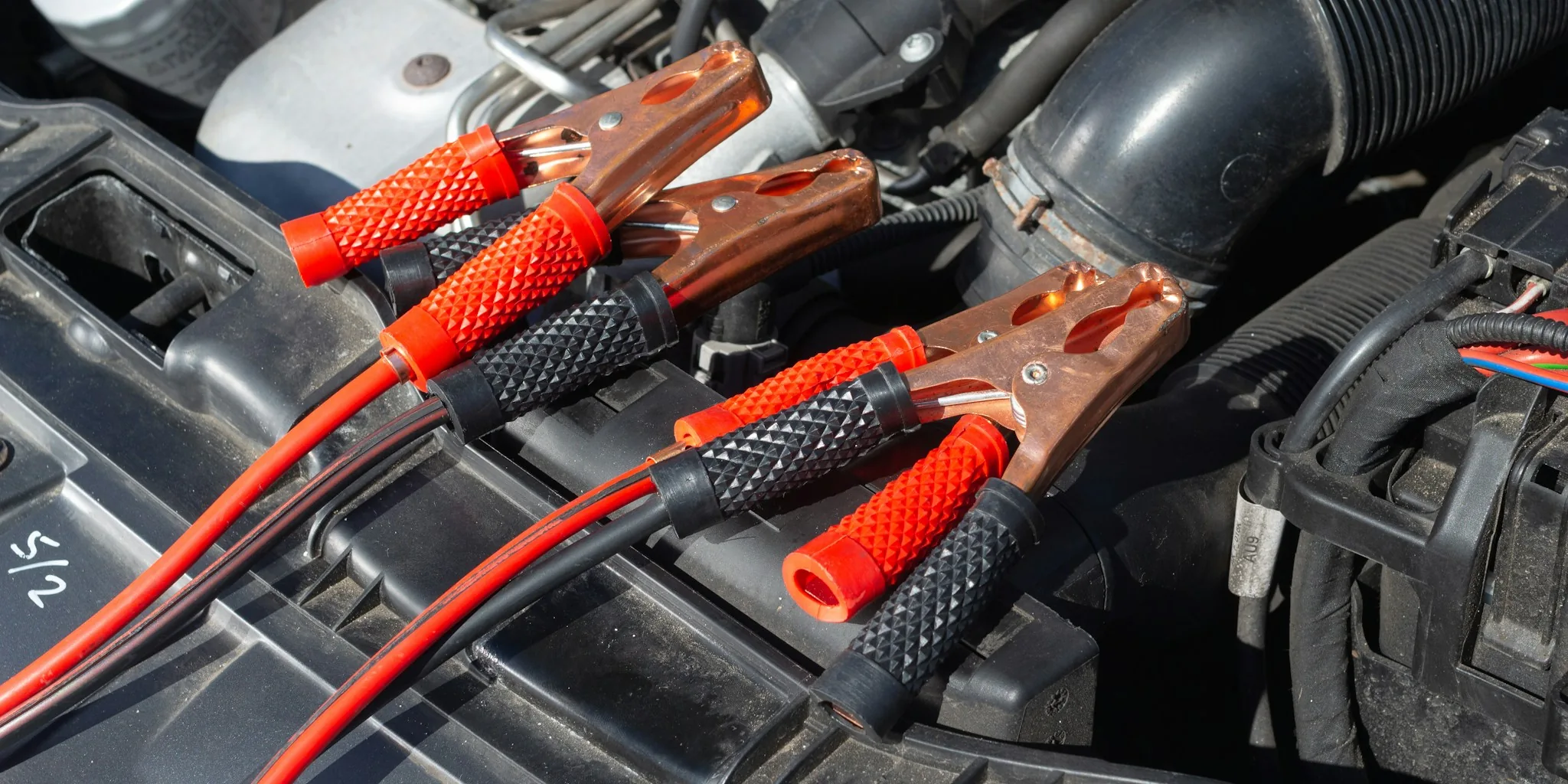
Videos circulating online show people successfully jump-starting dead tool batteries using insulated wires or alligator clamps to connect terminals between a healthy battery and a dead one. While this method occasionally works, manufacturers do not recommend it, and the risks are substantial. Connecting two batteries incorrectly can cause power arcs, shorts, or thermal runaway in the lithium-ion cells, potentially triggering fires or explosions. Using metal objects like nails or razor blades makes the danger even worse. Even if the process succeeds temporarily, you risk overcharging individual cells within the battery pack, permanently damaging either battery or reducing their lifespan dramatically. The cost of a new battery seems reasonable compared to these hazards.
Safer Methods to Try First
Before attempting anything risky, exhaust these legitimate troubleshooting steps. Start by cleaning both the battery terminal pins and the charger’s charging contacts with a dry cloth, as corrosion or debris often prevents proper power transfer. Try using a different compatible charger if one is available, since the original charger might have failed. Temperature plays a crucial role in battery performance, so allow an extremely cold or hot battery to reach room temperature before attempting to charge it again. These simple steps solve many apparent battery failures without any risk.
The Trickle Charge Reset Trick
One unconventional method that occasionally works involves a very slow trickle charge approach. Place your dead battery on the charger, wait two or three seconds, then remove it. Repeat this cycle twenty to thirty times or more, ensuring the battery doesn’t become uncomfortably warm to the touch. The goal is to remove the battery before the charger’s management system detects a problem and flashes a warning light. This gradual process may eventually deliver enough power for the charger to recognize the battery and initiate a full charge cycle. Many users report success with this approach, though results vary depending on the battery brand and condition.
The Button Press Reset Approach
Depending on your tool brand, pressing and holding the charge-indicator button while placing the battery on the charger may trigger an unofficial reset. This trick doesn’t work for all brands, but it costs nothing to attempt before moving to riskier revival methods. Check your specific manufacturer’s documentation or online user communities to learn whether your battery model supports this feature. Some batteries respond to this reset, while others show no effect whatsoever.
When Professional Help Makes Sense
Opening a battery pack to check individual cells and use a dedicated cell charger is technically possible but extremely dangerous and voids warranties. This approach requires specialized knowledge and equipment, plus the risk of nicking wires or cells and causing irreversible damage or fire. Even if you successfully identify and charge a single weak cell, the underlying problem may persist, and the battery might fail again shortly after revival. Considering the complexity and danger, this method isn’t practical for most users.
If your battery still won’t respond after trying these safer approaches, replacement becomes the most sensible choice. Portable power solutions and backup batteries offer alternatives when primary batteries fail. Many retailers offer deals on battery bundles throughout the year, making replacement less painful financially.
When It’s Time to Accept Defeat
Sometimes a battery that briefly revives through these methods never performs quite the same afterward. It might hold a charge for only a fraction of its previous runtime or fail again within weeks. Continuing to nurse along a compromised battery wastes time and energy on a pack you’ll eventually replace anyway. Recycling the faulty battery responsibly and purchasing a fresh one often represents the smartest financial and practical decision. A new battery pack ensures reliability for your projects and eliminates the frustration of unexpected power loss mid-job. Rather than risking fire hazards or spending countless hours on revival attempts, investing in a reliable replacement battery keeps your tools ready to perform when you need them most.
About the author
Ava is REMOVU's laptop writer, balancing speed, battery life, and build quality against price across the whole range. She helps readers find the sweet spot as each new chip shifts what a dollar buys.