5 Tips to Understand Why Nvidia Dominates the AI Hardware Market
Understand the five structural reasons why Nvidia controls the AI infrastructure market and what prevents competitors from challenging its position.
 By Ava Herrera
Updated November 23, 2026

Nvidia’s position in the artificial intelligence infrastructure landscape has become nearly impossible to challenge, and understanding why requires looking beyond basic technology specs. The company’s control over the market reflects a combination of technical innovation, economic factors, and strategic decisions that have transformed how the industry operates. If you’re curious about why Nvidia consistently remains at the center of AI discussions, these explanations will clarify the dynamics shaping this critical sector.
Tip 1: Recognize the Shift from Gaming to Enterprise Revenue
Nvidia built its reputation on graphics processing for video games, but the financial story has fundamentally changed. The company’s data center and AI segments now generate vastly more revenue than consumer gaming products. This shift means that even if a new leader were to take control, gaming enthusiasts would not automatically become a priority. The economics are simply too compelling elsewhere. Understanding this revenue concentration helps explain why corporate decisions often appear to deprioritize consumer graphics hardware in favor of specialized AI processors.
Tip 2: Understand the Supply Chain Complexity Behind Production
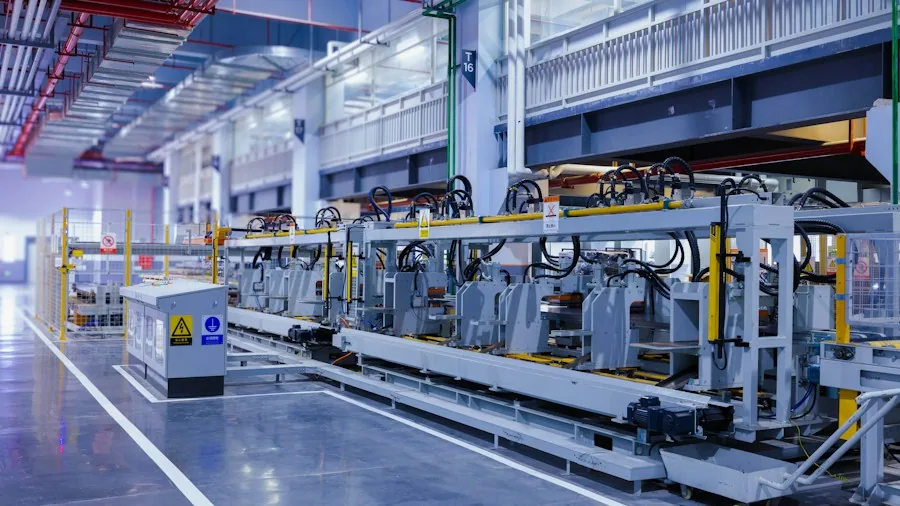
Many people assume that companies can instantly increase production whenever demand rises, but the reality involves intricate, multi-layered supply chains. Manufacturing advanced processors requires specialized equipment, rare materials, and manufacturing partners who operate at capacity. Even if Nvidia wanted to dramatically increase consumer graphics card output tomorrow, the foundries, materials suppliers, and logistics networks cannot simply flip a switch. This structural reality constrains how quickly any company can respond to market demands, making overnight supply increases impossible regardless of leadership or strategic intent.
Tip 3: Recognize How Essential Nvidia’s Chips Have Become to Global Infrastructure
Nvidia’s processors are now central to how technology companies, governments, and investors pursue artificial intelligence development. This isn’t merely about having a popular product; it’s about becoming essential infrastructure. When a company achieves this status, its stability becomes a concern for powerful institutions beyond shareholders. The integration of Nvidia’s technology into critical systems means that disruption to the company affects broader economic and technological ecosystems. This dependency gives Nvidia unusual insulation from typical market pressures and competitive threats.
Tip 4: Evaluate the Impact of Executive Continuity on Investor Confidence

Leadership transitions at major technology companies create uncertainty that can ripple through markets and investor portfolios. When executives become closely identified with their company’s success and vision, their sudden departure generates concern about future direction and execution quality. Stock market reactions to leadership changes reflect this anxiety, particularly when the departing leader is credited with strategic decisions that proved profitable. Investors view continuity as reducing risk, even when leadership questions remain unresolved. This dynamic means that institutions with significant financial stakes will naturally push for stability over accountability delays.
Tip 5: Understand Why Competitive Disruption Becomes Difficult at Scale
Nvidia spent decades building technological expertise and market relationships that competitors cannot quickly replicate. The company’s engineering talent, design knowledge, and relationships with manufacturers create competitive moats that are expensive and time-consuming to overcome. When a company reaches a certain scale in a critical industry, the resources required to disrupt its position become astronomical. Additionally, once infrastructure and supply chains align around one provider, switching costs for customers increase substantially. This explains why Nvidia’s position appears remarkably stable despite ongoing questions about governance and leadership character. Breaking into such an entrenched position requires not just better technology but also enormous capital investment and years of market development work.
The modular power supplies worth buying for every build remain important components for gaming enthusiasts, but understanding the broader market dynamics shows why Nvidia’s enterprise focus continues regardless of consumer demand. Similarly, while wireless game controllers for different setups represent the consumer market Nvidia originally served, the financial and strategic incentives now point decisively toward data center products. For those building systems today, recognizing these market realities helps explain product availability and pricing in the consumer space.
Nvidia’s dominance in artificial intelligence infrastructure reflects legitimate technological achievement combined with structural factors that make disruption extremely difficult. The company’s chips have become woven into how the modern digital economy operates, from corporate data centers to research institutions to government initiatives. This integration creates powerful constituencies invested in Nvidia’s continued success and stability. Whether you’re evaluating your own computing needs or simply trying to understand technology industry dynamics, recognizing these five factors provides clarity about why Nvidia maintains such a commanding position in an industry that depends entirely on the company’s continued innovation and production capacity.
About the author
Ava is REMOVU's laptop writer, balancing speed, battery life, and build quality against price across the whole range. She helps readers find the sweet spot as each new chip shifts what a dollar buys.