MacBook Trackpad Hacked Into a Speaker: What Shoppers Need to Know
A developer hacked a MacBook trackpad into a speaker using its haptic motor. Here's what this means for buyers.
 By Ava Herrera
Updated November 23, 2026
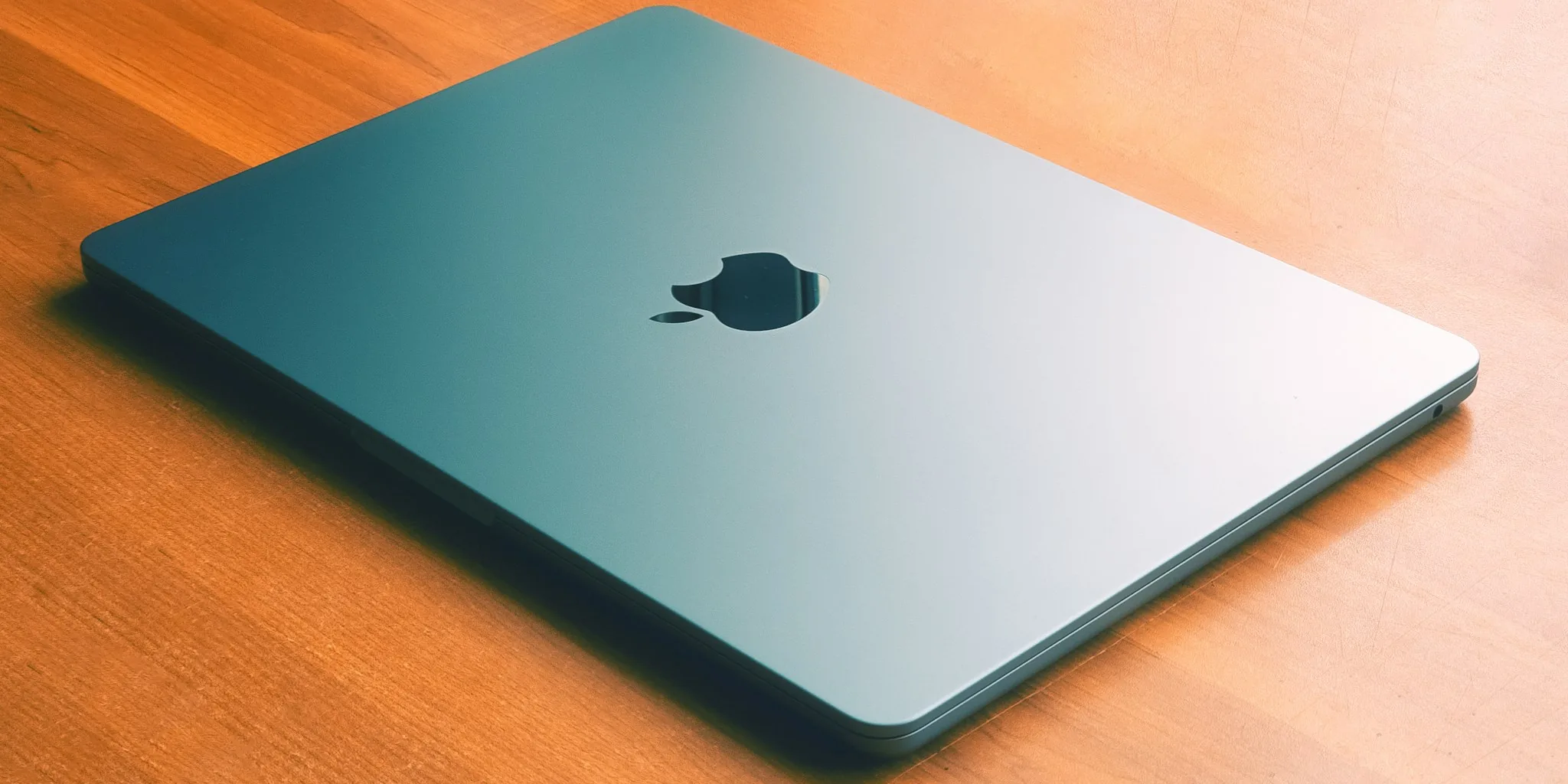
A creative programmer has discovered an unconventional use for one of Apple’s most praised laptop technologies. By manipulating the haptic vibration frequencies in a MacBook’s Force Touch trackpad, developer Cody Collier created software that transforms the trackpad into a functioning speaker capable of producing speech, musical tones, and even drum machine beats. The project, called No Speaker, reveals just how versatile modern laptop components have become and raises interesting questions about the future of computer hardware innovation.
How the MacBook Trackpad Became a Speaker
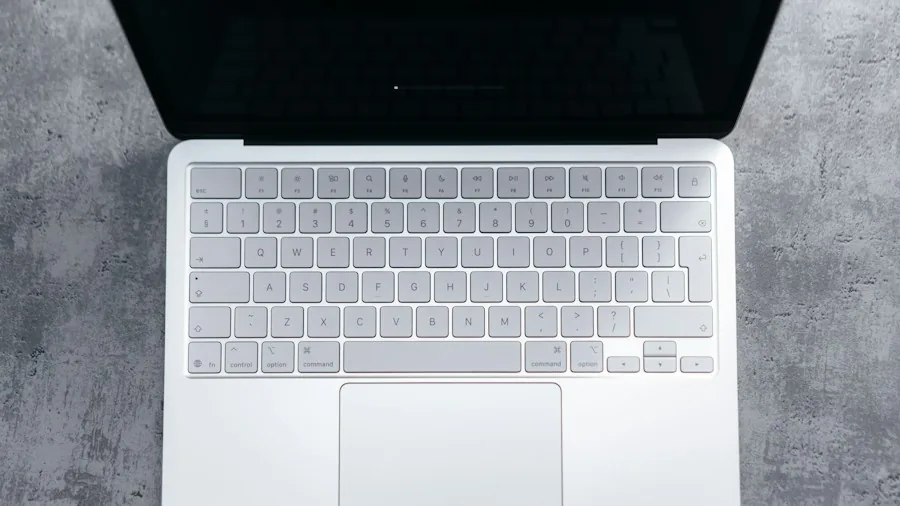
The Force Touch trackpad has long been celebrated as one of Apple’s standout engineering achievements. Rather than using traditional mechanical switches that produce audible clicking sounds, the trackpad relies on a small haptic motor positioned beneath a smooth glass surface. This motor vibrates against the glass to create the sensation of physical feedback when users click, making interactions feel responsive and precise without any moving parts.
Collier discovered that by driving this haptic motor at extremely high frequencies, up to 4,000 times per second, the vibrations enter the range of human hearing. By carefully controlling these vibration patterns, the motor can be coaxed into producing recognizable audio output. As Collier explains in the project documentation, ‘No Speaker drives that motor up to 4,000 times a second, fast enough to make sound you can hear, and turns it into a voice.’
What This Modification Can Actually Do
The No Speaker software allows users to send text strings that the trackpad will speak aloud, though the audio quality is admittedly rough. In demonstrations, the trackpad has been shown playing melodic sequences and functioning as a simple drum machine with programmable kick drums, snare, and high-hat sounds arranged in a 16-step grid pattern. The sound output resembles vintage electronic devices from the 1980s with compromised speaker quality, making it more of a novelty than a practical replacement for actual speakers.
To use the software, users install the No Speaker command-line tool on their MacBook and pass parameters to control various functions. These parameters let you adjust voice settings, play specific tones, switch between different interface modes, and input text for the trackpad to vocalize. The project has been confirmed to work on MacBook Pro models equipped with Apple’s M-series processors running recent versions of macOS.
Compatibility and Practical Considerations
The Force Touch trackpad technology became standard on MacBook models starting in 2015, meaning the No Speaker software potentially works on nearly a decade of Apple laptop hardware. However, compatibility requirements do apply: users need to run macOS 12 or later on Apple Silicon machines, or macOS 13 or later on Intel-based models. The software will notify users if their MacBook lacks the required Force Touch trackpad hardware.
It’s important to note that this modification is entirely optional and doesn’t interfere with the trackpad’s normal clicking functionality. MacBook owners who want to explore this creative hack can download the open-source software from GitHub and experiment with the various parameter options. The project serves as a reminder that modern MacBook accessories and components contain far more sophisticated technology than users typically realize.
What This Means for the Wider Tech Community
The No Speaker project isn’t the first time computer components have been repurposed for unintended uses. Tech enthusiasts have previously created music using floppy drive motors and hard drive actuators, and there have been creative hacks involving MacBook APIs that make opening and closing the lid produce creaky door sounds. These projects demonstrate that talented developers continue to find innovative ways to push hardware beyond its designed specifications.
For average MacBook shoppers, this discovery highlights the engineering quality built into Apple’s products. The same haptic technology that creates satisfying trackpad feedback is sophisticated enough to produce audio output when properly manipulated. While the practical applications remain limited, the existence of projects like No Speaker shows that manufacturers pack impressive capabilities into even seemingly simple components.
Consumers interested in enhancing their MacBook experience should focus on more conventional upgrades. Portable chargers and power solutions provide immediate productivity gains, while quality peripherals and docking stations expand functionality in meaningful ways.
The Bottom Line for MacBook Buyers
The No Speaker hack is primarily an interesting technical curiosity rather than a reason to make MacBook purchasing decisions. The Force Touch trackpad remains valuable for its intended purpose: providing precise, responsive input with reliable haptic feedback. The fact that it can be creatively modified to produce audio is a testament to thoughtful engineering, but everyday users will find their trackpads most useful for navigation and interaction tasks.
As technology continues advancing, we can expect more creative projects that challenge the conventional uses of computer hardware components. For now, this MacBook trackpad speaker remains a fascinating example of what happens when talented developers think outside the box and ask ‘what if’ about the technology they use every day.
About the author
Ava is REMOVU's laptop writer, balancing speed, battery life, and build quality against price across the whole range. She helps readers find the sweet spot as each new chip shifts what a dollar buys.