Moore Threads Lushan Graphics Card What Shoppers Need to Know About the 64GB GPU
Chinese chip maker reveals next graphics card will pack 64GB VRAM, double the RTX 5090's capacity.
 By Katrina Dean
Updated November 22, 2026
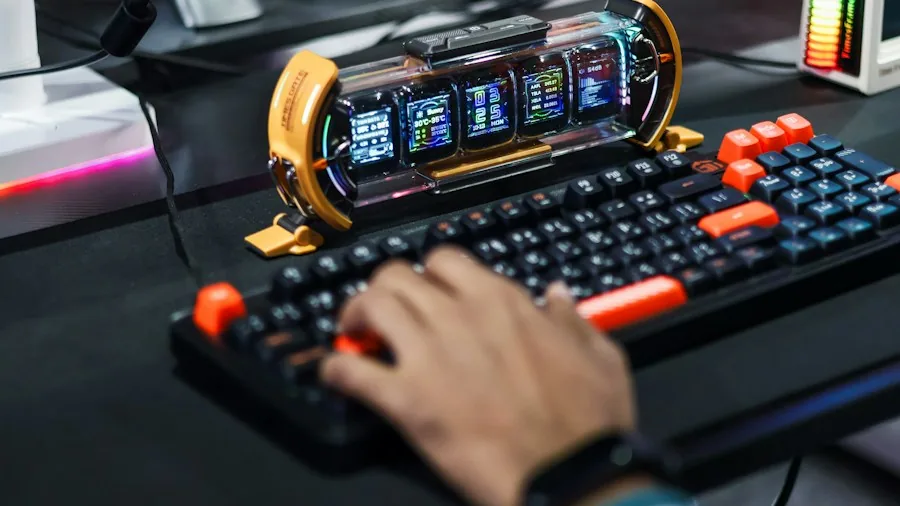
Moore Threads, a Chinese semiconductor manufacturer, is preparing to launch its next flagship graphics card called Lushan, which could arrive with a memory capacity that surpasses every consumer graphics card on the market today. According to the product manager, the upcoming graphics card will feature 64GB of VRAM, double what Nvidia’s current flagship RTX 5090 offers at 32GB. This announcement comes as Moore Threads teases the new hardware ahead of its developer conference in late December.
For shoppers evaluating high-end graphics cards, the memory specifications matter considerably. The Lushan’s proposed 64GB capacity would make it substantially different from existing consumer options. Currently, the RTX 5090 holds the record among mainstream consumer graphics cards at 32GB, and it carries a price tag that reflects the extreme demand, with retailers charging well above its official manufacturer’s suggested retail price. A side by side comparison of memory capacity shows how aggressive Moore Threads’ approach has become.
Performance Claims and Architecture Details
Moore Threads has made ambitious performance projections for the Lushan. The company claims the new card will deliver 15 times the gaming performance of its previous MTT S80 model, 50 times faster ray tracing capabilities, 64 times improvement in AI compute tasks, and 16 times better geometry processing. These numbers represent a significant jump from the S80, which launched four years ago and failed to meet initial expectations.
The Lushan will incorporate a new hardware ray-tracing engine and something the manufacturer calls the UniTE rendering architecture. Additionally, the card will feature AI-powered generative rendering technology designed to compete with Nvidia’s DLSS and AMD’s FSR technologies for image upscaling and frame generation. Direct support for DirectX 12 Ultimate rounds out the feature set, offering broader compatibility with modern gaming and graphics applications.
What Happened with Previous Generations
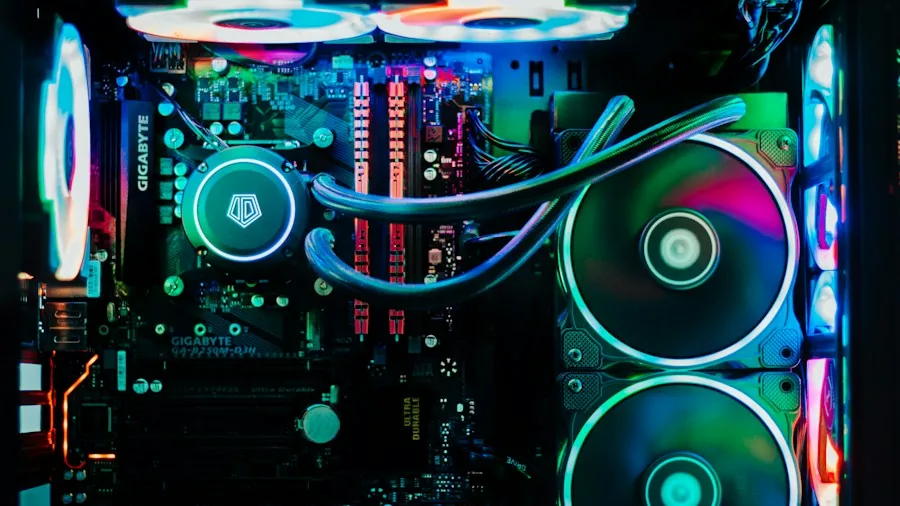
To understand what these claims mean, it’s important to look at Moore Threads’ track record. The MTT S80 launched in November 2022 at approximately $410 when bundled with specific motherboards. The 16GB graphics card was based on PCIe 5.0 and drew 255 watts of power. When reviewed by industry analysts in early 2023, the S80 performed like a low-end card, struggling against budget options and showing that ambitious specifications didn’t translate to real-world performance.
Moore Threads later claimed that monthly driver updates improved the S80’s performance by 3.4 times from its launch state. While this improvement was real, it highlighted that the company’s initial hardware implementation had significant shortcomings. The 15 times performance gain claimed for Lushan appears more reasonable when measured against how far behind the S80 started, though consumers should remain appropriately cautious about such claims until independent evaluation becomes available.
Memory Supply and Pricing Considerations

One practical concern for shoppers is memory availability. The industry faces ongoing shortages of high-capacity GDDR memory, and GDDR7 specifically remains expensive to manufacture. These cost pressures could affect final pricing, though Moore Threads has not yet announced an official price for the Lushan.
For context, professional and workstation graphics cards already offer higher memory configurations. Nvidia’s RTX Pro 6000 Blackwell includes 96GB of GDDR7, and certain modified consumer cards have reached 48GB or higher in specialized markets. However, 64GB remains exceptional for a mainstream consumer graphics card. The Lushan would significantly outpace domestic competitors, with rivals offering only 12GB to 24GB in their consumer lineups.
What This Means for Shoppers
The question of whether 64GB of VRAM is actually useful depends on your specific workload. Gaming at standard resolutions and refresh rates typically requires far less memory than 64GB. However, for professionals working with 3D rendering, video editing, AI development, or scientific computing, additional memory can provide tangible benefits.
Moore Threads appears to be positioning the Lushan to appeal to both domestic markets and Western consumers looking for alternatives to Nvidia and AMD. The massive memory capacity is a clear differentiator in a market where most consumer graphics cards max out at 24GB or 32GB. When shopping for graphics cards today, consider whether graphics cards under $500 meet your performance needs, since premium cards at higher price points carry increasingly specialized use cases.
Moore Threads will officially reveal more details at its developer conference scheduled for December 29-30 in Beijing. CEO Zhang Jianzhong is expected to announce new flagship products and technologies during the keynote. This event will likely clarify the final specifications, expected availability, and official pricing for the Lushan, giving shoppers concrete information to evaluate alongside the preliminary announcements.
Until then, interested buyers should approach the announced specifications with measured expectations, remembering that marketing claims require validation through real-world performance evaluation and professional analysis before making purchasing decisions for graphics cards under $300 or premium options alike.
About the author
Katrina covers graphics cards for REMOVU, tracking gaming performance, features, and value as prices shift with every launch. She helps builders find the right GPU for their resolution and budget.