Samsung Skips Galaxy Watch in 2027: What This Means for Smartwatch Shoppers
The tech giant skips 2027 smartwatch launch, prioritizing long-term value over yearly upgrades.
 By Kristen Jennings
Updated November 22, 2026
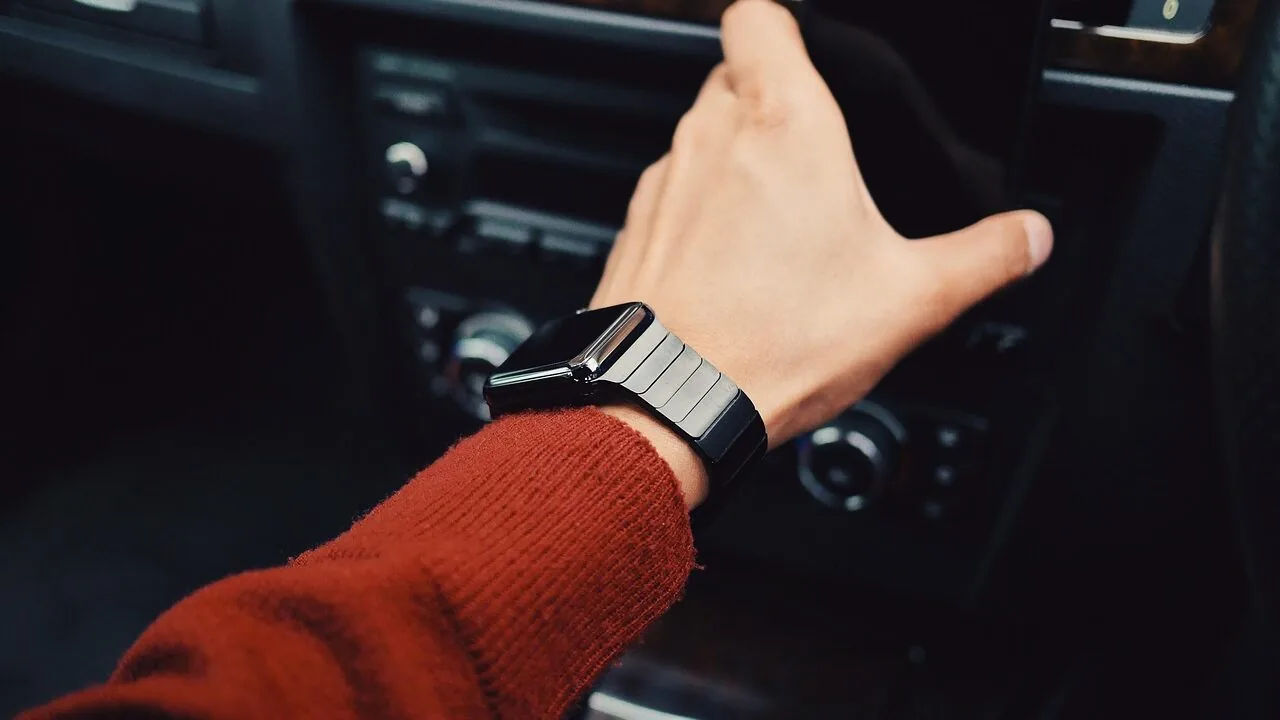
Samsung has announced a significant shift in its smartwatch strategy that will affect how often consumers see new models from the company. Rather than following its traditional pattern of releasing an updated Galaxy Watch every year, the tech giant will now transition to a two-year release cycle beginning in 2027. This marks the first time since the Galaxy Watch line debuted in 2018 that Samsung will skip a yearly smartwatch refresh.
For shoppers, this change reflects broader challenges in the wearable technology industry. Rising component costs, particularly for memory chips and processors, have squeezed margins across the sector. Additionally, the current-generation Galaxy Watch 9 has not performed as well as expected in the market, prompting Samsung to reconsider its annual upgrade cadence.
Why Samsung Is Making This Change
Samsung’s Mobile eXperience division is undergoing significant restructuring, and the company has placed renewed emphasis on profitability. The smartwatch market itself presents inherent challenges: meaningful innovation requires years of research and development. Major health-tracking features, such as non-invasive blood glucose monitoring, demand extensive miniaturization, regulatory validation, and clinical approval. Even when manufacturers have promising technology ready, bringing it to market safely and legally involves navigating complex patent landscapes and multiple independent biosensing labs.
The cost environment, often referred to as “chipflation,” has made component pricing unsustainable for annual product cycles. Samsung is responding by optimizing its product lineup and pursuing comprehensive cost reductions across the wearables division.
What Shoppers Can Expect During the Gap Year

While Samsung will not launch a new Galaxy Watch model in 2027, the company plans to keep its current lineup relevant. Owners of existing smartwatches, including the Galaxy Watch 9 and Galaxy Watch Ultra, will receive software updates and new health-focused features. This approach allows Samsung to extend the lifecycle of current hardware without requiring consumers to purchase new devices.
For those shopping for affordable wearables, Samsung is planning to introduce a new Galaxy Fit fitness band. This product category typically features a smaller rectangular display and costs significantly less than full-featured smartwatches. The Galaxy Fit line appeals to budget-conscious consumers who want basic activity tracking and notifications without the premium price tag.
The Broader Strategy Behind Extended Cycles
Samsung’s shift reflects industry trends and consumer preferences. When evaluating smartwatches currently available, it becomes clear that generational improvements have slowed. Smartwatch technology has matured: most devices now track heart rate, sleep, stress, and daily activity effectively. The gap between consecutive generations is narrowing, making yearly upgrades less compelling for most users.
This extended cycle also mirrors Samsung’s broader smartphone strategy. The company is shifting production toward its higher-margin Galaxy S27 Pro and Ultra models, allocating approximately 70 percent of output to premium tiers. Meanwhile, budget Galaxy A smartphones will see production adjustments, with prices expected to increase. This focus on profitability over volume is becoming standard across consumer electronics manufacturers.
Implications for Smartwatch Buyers
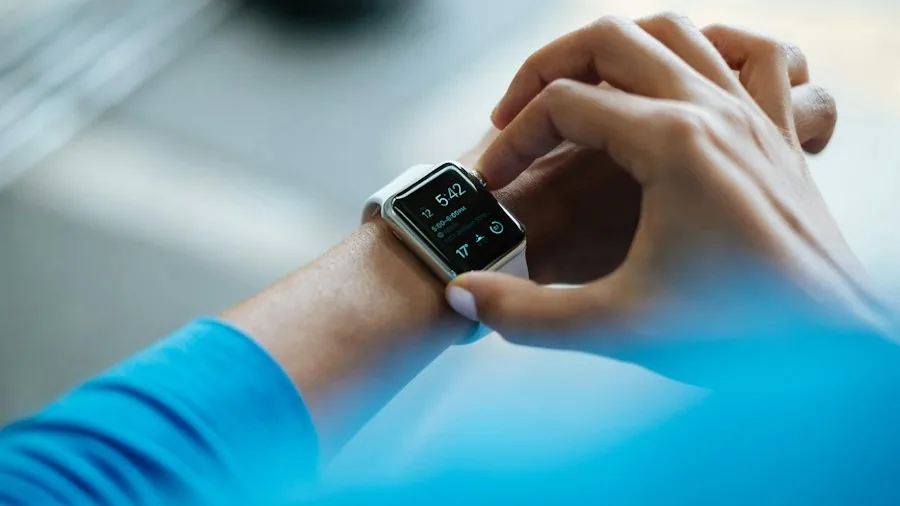
The two-year cycle gives consumers more time to get value from their smartwatch purchase. If you own a current Samsung wearable, you can expect meaningful software enhancements and feature additions rather than immediately facing obsolescence. For those shopping now, purchasing a Galaxy Watch 9 or Galaxy Watch Ultra means your device will receive active support and improvements for an extended period.
Shoppers looking for value should consider browsing smartwatches under $200, where Samsung’s Galaxy Watch models compete with offerings from Apple, Garmin, Fitbit, and others. The extended release schedule may actually stabilize pricing during the gap year, as retailers work through existing inventory.
What This Means for Innovation
The two-year development window could actually benefit consumers in the long run. With more time to refine technology and conduct regulatory reviews, Samsung can introduce more substantial feature upgrades when the next Galaxy Watch model arrives. Health sensors require years of validation and clinical approval; a longer development cycle reduces pressure to rush features to market prematurely.
As wearable technology continues advancing, the smartwatch category will likely stabilize around less frequent, more meaningful updates rather than annual incremental changes. Samsung’s decision signals that manufacturers are prioritizing sustainable development and genuine innovation over constant product turnover.
For consumers, this shift means more stability in the market and better long-term value from smartwatch investments. The focus shifts from chasing annual upgrades to choosing the right device for your needs and enjoying extended software support.
About the author
Kristen writes about smartwatches for REMOVU, comparing features, battery life, and ecosystem fit. She helps readers tie together health tracking, notifications, and apps on the right watch.