Huawei Launches Wider iPhone Alternative with the OSTA O1 Pro: What US Shoppers Need to Know
Huawei's new OSTA O1 Pro sports a unique wide design. What it means for smartphone buyers in America.
 By Eleanor Garcia
Updated November 20, 2026
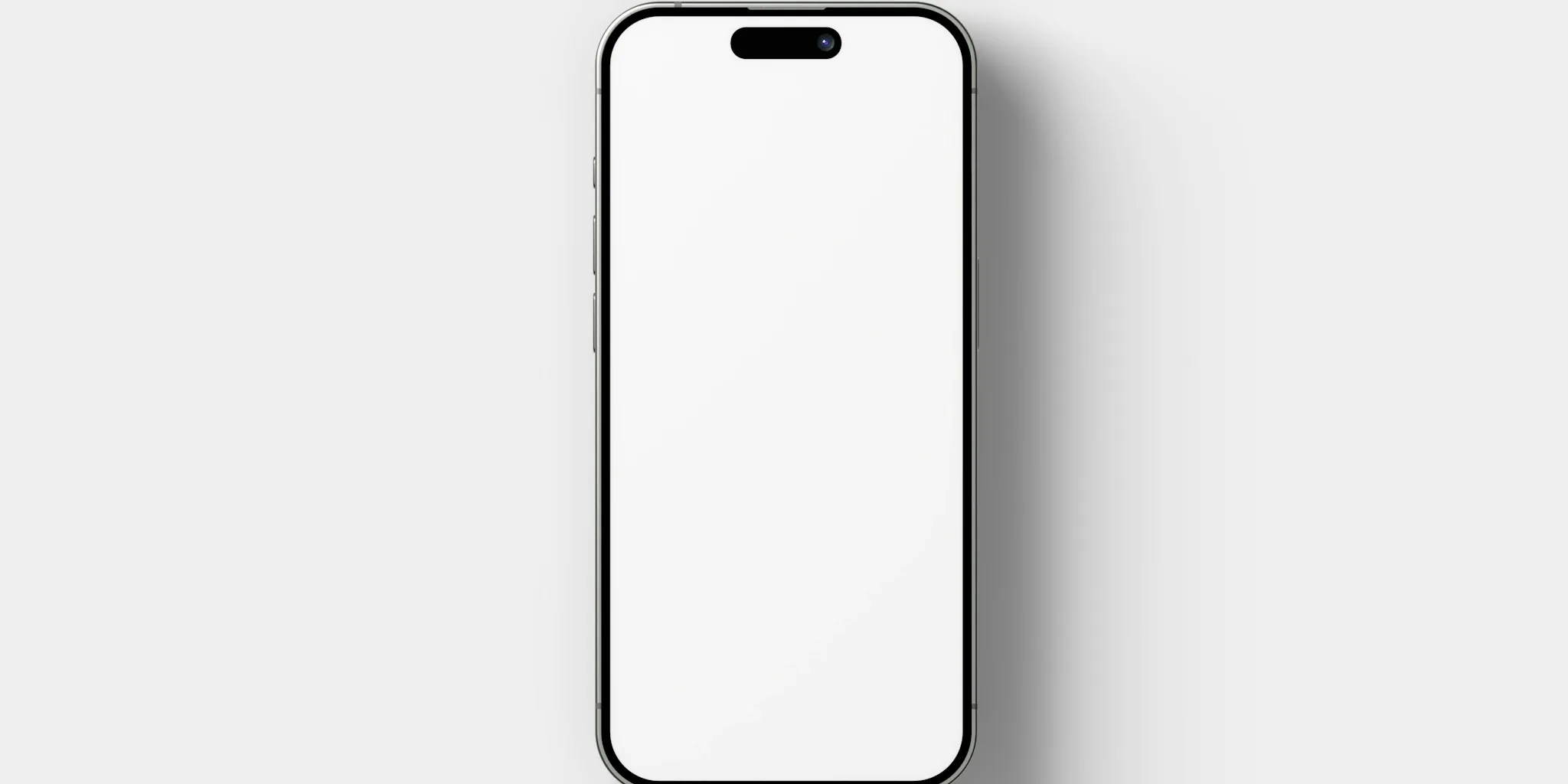
Huawei has introduced a bold new entry into the competitive smartphone market with the official launch of its OSTA O1 Pro, a device that challenges conventional phone design through its distinctive wide-screen form factor. The phone becomes available for purchase in China starting at approximately $855, marking the debut of Huawei’s new OSTA sub-brand. While the design is undeniably eye-catching, potential buyers in the United States should understand what this launch means for the broader smartphone landscape and their own purchasing options.
A New Take on Smartphone Design
The OSTA O1 Pro stands apart from traditional smartphone designs with its notably wider aspect ratio, creating a form factor that resembles a compressed version of what an iPhone Air might look like if it prioritized width over height. This design choice is intentional and offers practical advantages that extend beyond mere novelty. The 6.39-inch display operates at 120Hz refresh rate, delivering smooth scrolling and responsive interactions throughout daily use.
The wider profile creates meaningful benefits for multitasking and horizontal viewing. When users rotate the device sideways, the expanded width makes it considerably easier to view multiple windows or applications simultaneously, improving productivity for work-related tasks or media consumption. The design also promises comfortable handling, with the broader footprint potentially reducing strain during extended use and fitting naturally within most standard pockets.
Solid Specifications at Mid-Range Pricing

Beyond its distinctive appearance, the OSTA O1 Pro delivers respectable specifications for its price point. The device is powered by the Kirin 9030S chipset, the same mid-range processor found in Huawei’s standard Pura 90 model. Storage configurations begin at 12GB of RAM paired with 256GB of internal storage, accommodating users who regularly work with large files or maintain extensive app libraries.
Battery capacity reaches 7,000mAh, supporting 66W wired charging, 50W wireless charging when paired with compatible chargers, and 5W reverse charging capability for powering other devices. The camera system includes a 200MP primary sensor alongside a 50MP telephoto lens, while the front-facing 50MP camera handles selfies and video calls. The absence of an ultra-wide or macro lens may disappoint photography enthusiasts seeking specialized shooting modes.
Availability and Western Market Prospects
Prospective buyers in North America face a significant reality: the OSTA O1 Pro is not expected to reach Western markets officially. Huawei’s exit from the US smartphone market following a government ban in 2022 has severely limited its capacity to distribute devices in America. Similarly, the company’s presence in the UK has largely diminished, with only foldable models remaining on the official Huawei UK site.
This geographic limitation means American consumers cannot purchase the OSTA O1 Pro through authorized retailers or Huawei’s official channels, eliminating access to warranty support, software updates, and customer service. Shoppers accustomed to purchasing imported devices online should understand the complications: lack of local support, potential software compatibility issues, and no guaranteed compatibility with North American cellular networks.
What This Means for the Broader Market
Despite the OSTA O1 Pro’s unavailability in Western regions, its launch signals something important about smartphone innovation. The rising interest in alternative form factors, demonstrated by the popularity of foldable devices from competitors, shows that consumers are willing to explore unconventional designs when manufacturers offer genuine practical benefits. The success or failure of the OSTA O1 Pro in China could influence whether other manufacturers develop their own wide-screen smartphone innovations.
American buyers should recognize that manufacturers continuously evaluate emerging design trends. If wide-aspect phones gain significant traction in Asian markets, Western companies may eventually introduce their own interpretations of this form factor. Samsung’s foldable lineup has already demonstrated that Android manufacturers are willing to take design risks when market demand supports them.
Implications for Today’s Shoppers
For consumers currently shopping for smartphones, the OSTA O1 Pro primarily serves as an indicator of industry direction rather than a viable purchasing option. Those seeking innovative form factors or unique features have established alternatives through major Western manufacturers. Flagship devices from Apple, Samsung, and other established brands continue refining traditional designs while offering robust ecosystem support, software reliability, and readily available service options.
The launch underscores a critical divide in the global smartphone market: Chinese manufacturers continue experimenting with bold design concepts while facing barriers to Western distribution, leaving American buyers reliant on more conservative design evolution from established brands. As the smartphone market matures, keeping awareness of international innovations helps consumers understand the direction of future products they will eventually be able to purchase locally.
For now, Western shoppers should focus on devices available through official channels, where warranty coverage, software support, and customer service provide essential peace of mind alongside hardware specifications.
About the author
Eleanor covers smartphones for REMOVU, balancing cameras, battery life, and software support against price. She helps readers find the best value as the field shifts with every release.