Apple’s 20th Anniversary iPhone Could Nearly Eliminate Bezels in 2027: What Shoppers Need to Know
Apple is working on curved-glass iPhones for 2027 with 1mm bezels that would appear nearly invisible.
 By Eleanor Garcia
Updated November 18, 2026
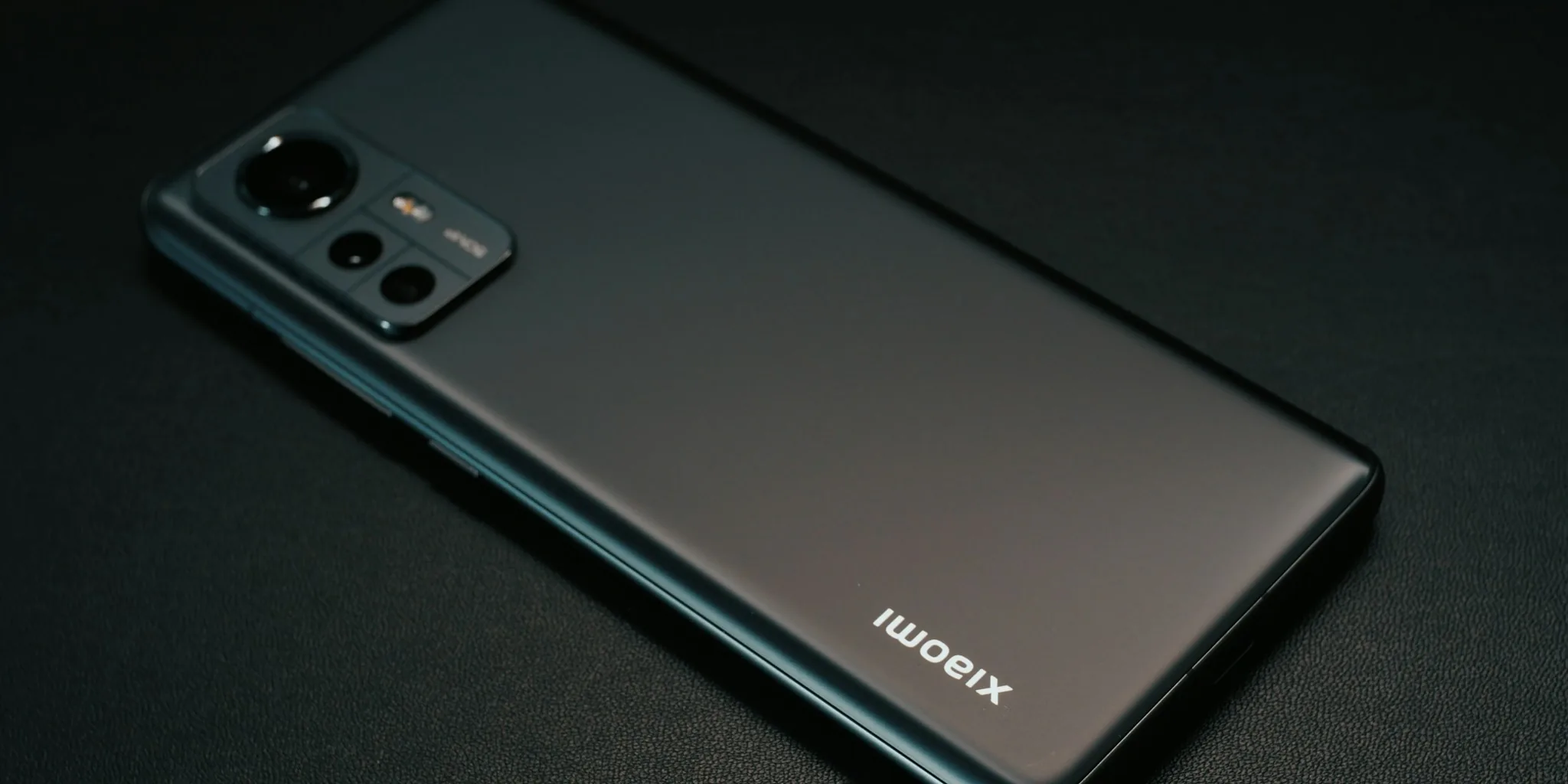
Apple is reportedly planning to mark two decades of iPhone with a design breakthrough that could reshape how the entire smartphone category looks. According to industry sources, the company is developing four new iPhone models for a 2027 anniversary release, with two featuring a curved glass construction that promises to reduce bezels to nearly invisible levels.
The Curved Glass Design Changes Everything
The most significant revelation involves a pair of anniversary models with glass that curves on all four edges. These devices are rumored to feature bezels measuring approximately 1 millimeter, which would make them appear almost seamless when viewed from the front. By using curved glass on every side rather than flat edges, Apple could create an illusion of a display with virtually no border, fundamentally shifting consumer expectations for flagship iPhone design.
This approach differs from typical anniversary editions, which often amount to cosmetic refreshes or limited-color options. If the rumors prove accurate, Apple is pursuing a substantial engineering accomplishment that the company has apparently prototyped over approximately three years. However, the development remains in an iterative phase, with engineers refining the glass curvature through multiple design revisions.
Four Models, Two Design Philosophies
The anniversary lineup is expected to include four distinct variants, though the exact breakdown remains unclear. One possibility is that Apple will offer both Pro and Pro Max versions with the curved glass design, alongside flat-glass alternatives as fallback options. Another theory suggests the flat-glass models may launch separately as standard iPhone models arriving after the premium curved versions.
Leakers have informally referred to these devices as the iPhone 20 Pro, though Apple has not yet settled on official naming. The company’s approach of developing multiple configurations simultaneously suggests a cautious strategy, ensuring that if the curved glass design encounters manufacturing challenges or quality-control issues, conventional flat-glass options remain viable.
Realistic Expectations Matter
While the technical specifications sound genuinely exciting, potential buyers should temper enthusiasm until closer to launch. The industry’s confidence in this curved design is not universally certain, particularly given historical precedent. Previous ventures into unconventional smartphone designs, including competing curved-screen devices, have encountered durability issues including hinge failures and glass damage.
Apple’s quality control reputation is strong, but executing a curved glass design at scale presents genuine challenges that the company has not previously tackled in the same manner. The gap between successful prototyping and reliable mass production can be substantial, so the final consumer product may differ meaningfully from early specifications.
What This Means for Smartphone Shoppers
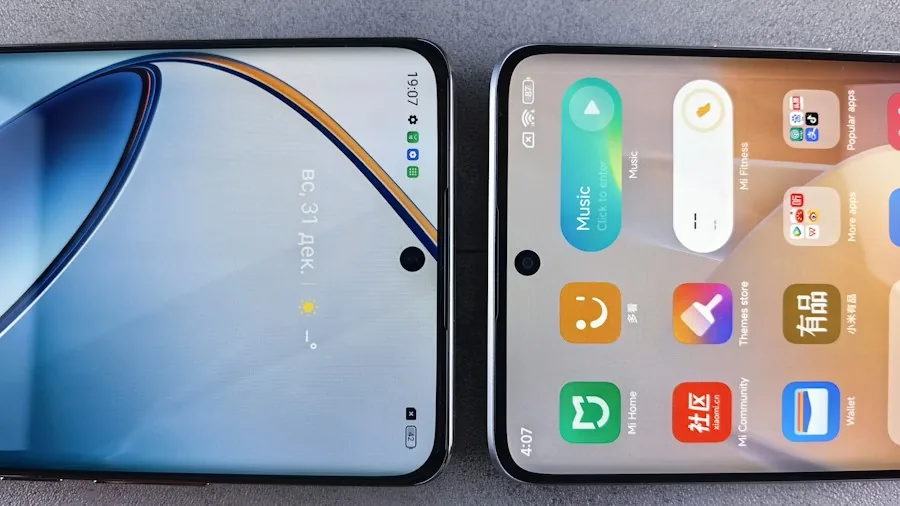
If Apple successfully delivers borderless devices in 2027, the entire smartphone industry will likely follow suit. iPhone design decisions consistently shape competitor strategies, so a successful curved-glass implementation would become an industry standard within two to three years. For consumers, this represents a potential shift toward larger effective screen real estate without increasing physical device dimensions.
The timing also matters significantly. Those considering a smartphone purchase today need not wait, as the anniversary models remain approximately three years away. That extended development window provides sufficient time for Apple to resolve any design flaws or manufacturing bottlenecks before consumer availability.
Planning Your iPhone Purchase Strategy
Current iPhone owners have no reason to delay routine upgrades while awaiting the 2027 announcement. If the curved glass design ultimately launches as described, early adopter units may face initial inventory constraints and premium pricing typical of flagship releases. Waiting until subsequent production cycles would likely yield better availability and potentially lower costs.
For those actively shopping now, standard current-generation models will remain fully capable for years to come. The incremental performance improvements in future releases rarely justify avoiding a purchase if you currently need a device.
The rumored anniversary edition represents an ambitious design goal that could genuinely transform the smartphone landscape. However, the path from engineering concept to production reality remains uncertain. By 2027, reviews and owner feedback will reveal whether the curved glass design delivers the promised visual transformation or whether Apple ultimately pursues a more conservative approach. For now, interested shoppers should file this away as an intriguing possibility while making purchasing decisions based on current products and demonstrated performance.
About the author
Eleanor covers smartphones for REMOVU, balancing cameras, battery life, and software support against price. She helps readers find the best value as the field shifts with every release.