AMD Radeon HD 2000 and 3000 Series Get Linux Video Fix After Nearly 20 Years
After 20 years, a Linux patch solves corrupted video playback on vintage AMD Radeon cards using AI-assisted debugging.
 By Katrina Dean
Updated November 14, 2026

A breakthrough fix for a long-standing video playback bug affecting vintage AMD Radeon graphics cards has finally arrived, nearly two decades after the hardware first entered the market. The issue plagued Linux users running the older R600 architecture GPUs, causing visual corruption whenever the video decoder processed compressed playback simultaneously with active 3D rendering or desktop drawing tasks.
The solution came through an accepted kernel patch scheduled for inclusion in Linux 7.5. The fix addresses the Unified Video Decoder (UVD) engine across the RV610, RV620, RV630, RV635, and RV670 silicon families, which comprise AMD’s Radeon HD 2000 and HD 3000 product lines released beginning in 2007. For users still relying on these vintage graphics cards, the patch promises to eliminate the frame corruption that has persisted for years in Linux environments.
Understanding the Technical Problem
The corruption occurred due to a memory placement issue within the driver architecture. When the GPU’s video decoder was simultaneously reading compressed video data from system RAM while the graphics processor handled active drawing workloads, frame data would become corrupted. Developers discovered that if the input buffers were instead kept permanently within the dedicated video RAM, or VRAM, the frames would decode correctly. Disabling graphics draw operations also prevented the corruption, confirming the resource contention hypothesis.
Interestingly, the Radeon kernel driver already enforced this VRAM-pinning behavior for several other GPU families. The fix simply extends the same memory management approach to these legacy R600-generation chips, ensuring the UVD buffers remain isolated in dedicated video memory rather than competing with graphics operations for system RAM resources.
A Newcomer Solves a Decades-Old Mystery
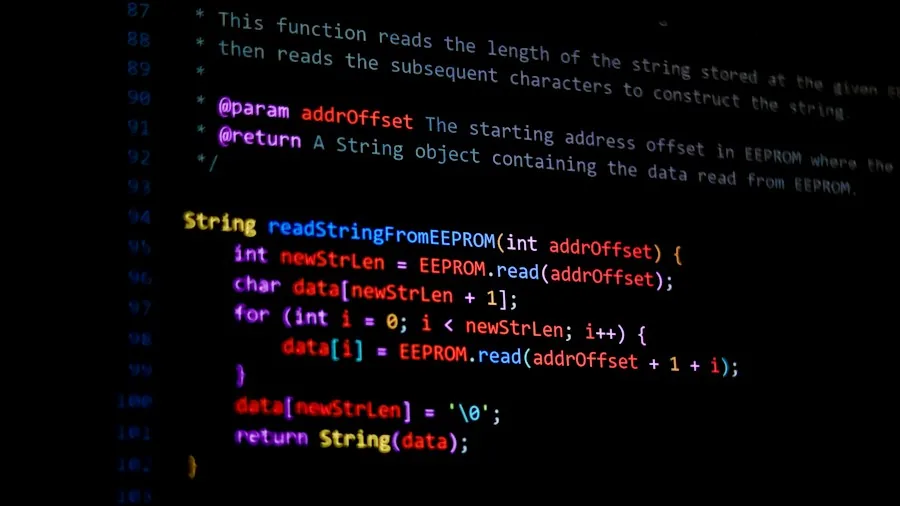
What makes this resolution particularly noteworthy is who solved it. Rather than a seasoned open-source graphics developer, the patch came from a first-time kernel contributor who leveraged artificial intelligence tools to investigate the problem. The developer used OpenAI’s Codex to help untangle the complex legacy driver code path, identify the root cause, and validate the solution. This marks a significant example of how AI-assisted code analysis can accelerate bug fixes in mature software projects, even those spanning multiple decades.
The contributor needed the fix for personal use on an aging iMac powered by an Intel Core 2 Duo processor and an RV610 GPU. Rather than accepting the corruption as inevitable on legacy hardware, the developer methodically traced the issue and submitted a comprehensive patch covering the entire affected GPU family.
The Historical Context of R600
The R600 generation holds special significance in GPU history. Launched in 2007, these chips represented the first desktop graphics lineup released under the AMD brand following the company’s acquisition of ATI Technologies. The Radeon HD 2000 series introduced AMD’s transition to unified shader architecture on desktop platforms, moving away from the separate pixel and vertex pipeline design that had dominated prior generations.
This generational shift arrived alongside DirectX 10 and Windows Vista, creating a major inflection point for PC graphics technology. While the flagship Radeon HD 2900 XT struggled against Nvidia’s GeForce 8800 GTX in raw gaming performance and power efficiency, the R600 family brought robust multimedia capabilities. The introduction of the first-generation Unified Video Decoder on mainstream chips enabled even budget computers to offload demanding H.264 and VC-1 video decoding from the CPU. In 2007, achieving smooth 1080p Blu-ray playback without maxing out a dual-core processor represented a major selling point, particularly for home theater PC builders.
What This Means for Buyers and Users Today
Very few people actively use Radeon HD 2000 or 3000 series cards as daily drivers in 2026. Modern integrated graphics deliver vastly superior performance while consuming a fraction of the power these TeraScale 1 generation cards required. However, this fix demonstrates the ongoing commitment of open-source Linux development to supporting legacy hardware.
In stark contrast, Microsoft and AMD discontinued official Windows driver support for these cards over a decade ago. Yet the mainline Linux kernel continues maintaining and improving support for this aging hardware. Combined with recent AI-assisted cleanup efforts in the Mesa R600 user-space driver, older Radeon GPUs enjoy arguably better software support today than during their original retail period. For retro computing enthusiasts, archivists, and collectors who maintain systems from the late 2000s, this fix represents a meaningful improvement in multimedia functionality.
The fix also holds broader significance for open-source software longevity. It shows that even minor hardware bugs can be resolved through persistent investigation and community effort, regardless of how old the equipment has become. Anyone currently using these monitors and displays with vintage AMD graphics hardware will benefit from cleaner video playback once Linux 7.5 releases.
Looking Forward
This patch exemplifies how open-source projects can extend the functional lifespan of aging technology through collaborative problem-solving and modern development tools. The successful application of AI-assisted debugging in tracking down a subtle memory management issue opens possibilities for similar interventions across other legacy driver codebases. For Linux users maintaining older systems, the resolution of this two-decade-old bug represents a welcome quality-of-life improvement.
About the author
Katrina covers graphics cards for REMOVU, tracking gaming performance, features, and value as prices shift with every launch. She helps builders find the right GPU for their resolution and budget.