The 8 Best Monitors
Picking a monitor involves more than matching a size to your desk. Resolution, refresh rate, panel type, and ergonomics all matter. Here are the top picks for 2026.
 By Emma Gonzales
Updated July 26, 2026
By Emma Gonzales
Updated July 26, 2026
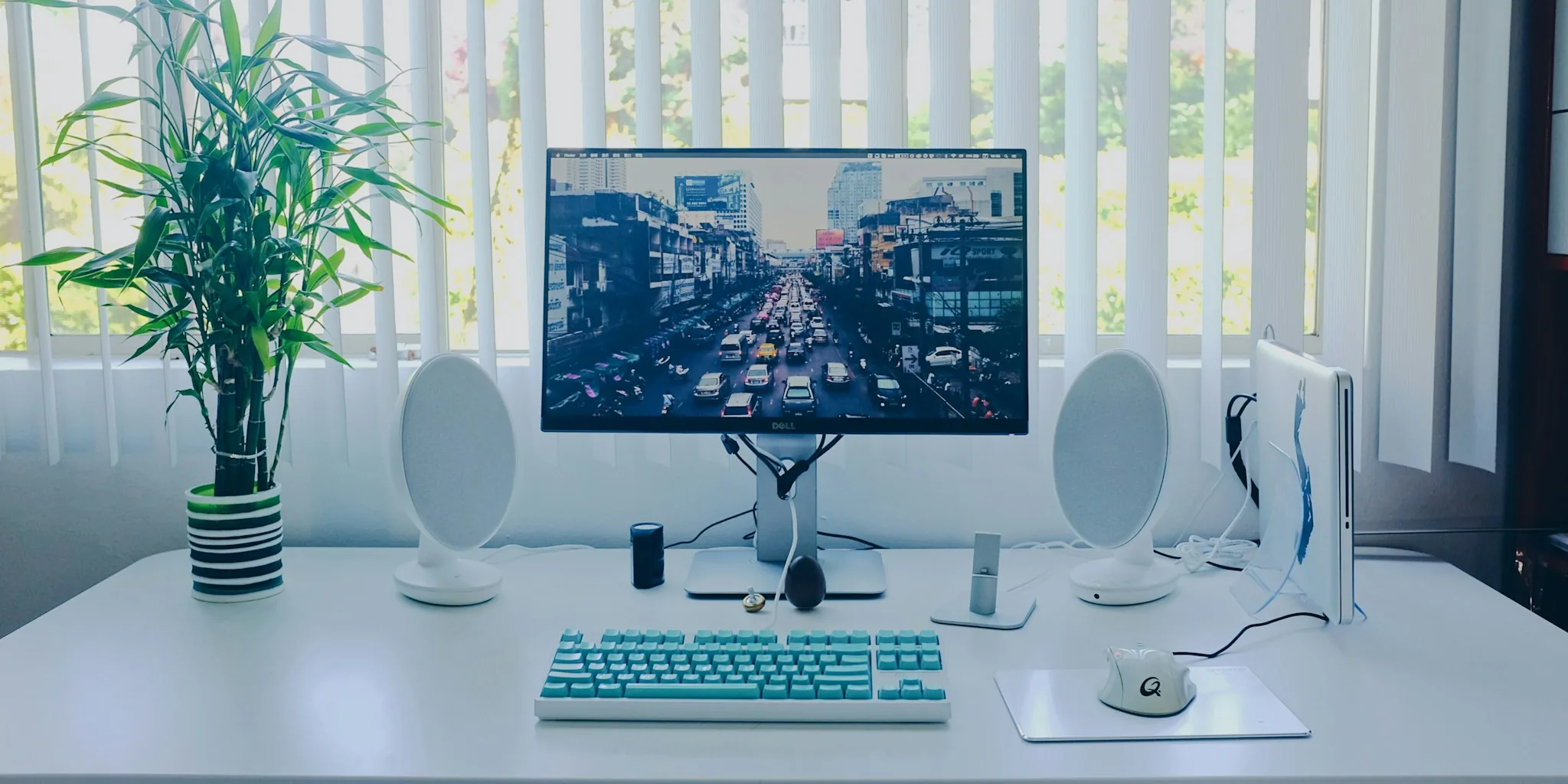
A good monitor is the single most important piece of hardware between you and everything you do on a computer.
Whether you’re grinding through a long workday, editing photos, or chasing high frame rates in a competitive game, the panel you stare at for hours shapes how your eyes feel, how sharp text looks, and how immersive your experience gets.
Yet the monitor market is cluttered with overlapping specs, marketing buzzwords, and price points that span from budget-friendly to premium, making it genuinely hard to know what you actually need before spending your money.
At REMOVU, we cut through that noise by researching each display against a consistent set of criteria, including panel specifications, expert review consensus across the industry, and verified buyer feedback from confirmed purchasers.
The result is a shortlist of picks from brands like Alienware, Samsung, Dell, and KTC that cover everything from everyday productivity to serious gaming monitors.
Read on for our top recommendations, then use the buying guide below to match the right display to your specific setup.
| Award | Product | REMOVU Score About REMOVU ScoreThe REMOVU Score is our own rating from 0 to 10, based on performance, design and build, ease of use, and value. It reflects independent research and is never influenced by manufacturers, retailers, or affiliate commissions. Learn more › | Price | |
|---|---|---|---|---|
| Best Overall |
 Alienware AW3425DWM 34-inch Ultrawide Gaming Monitor
|
8.9/10 | Buy | |
| Best Premium |
 Samsung Odyssey G55C 32" QHD Curved Gaming Monitor
|
8.6/10 | Buy | |
 Dell S2725DSM 27-inch QHD 144Hz Monitor
|
8.4/10 | Buy | ||
| Best Value |
 Dell S2725HSM 27-inch 144Hz FHD Monitor
|
8.3/10 | Buy | |
 Dell SE2426H 24-inch 144Hz IPS Monitor
|
6.7/10 | Buy | ||
| Best Budget |
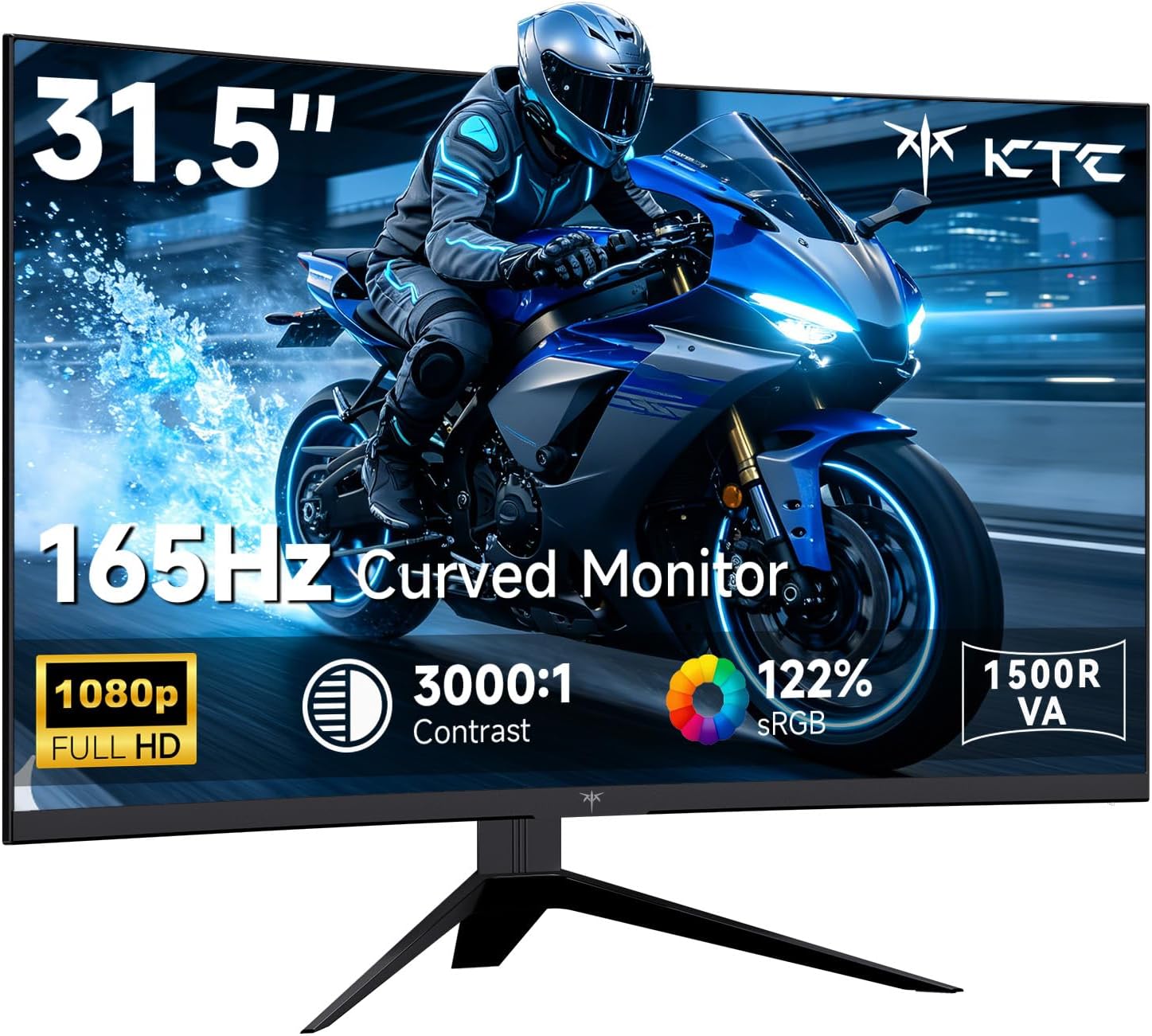 KTC H32S17C 32-inch 165Hz Curved Gaming Monitor
|
6.8/10 | Buy | |
 Samsung 27" S36GD Curved Monitor 100Hz
|
6.4/10 | Buy | ||
 Samsung S30B 32" FHD Monitor with 75Hz and FreeSync
|
6.2/10 | Buy |
Alienware AW3425DWM 34-inch Ultrawide Gaming Monitor
This 34-inch ultrawide delivers immersive gaming with a 1500R curve, WQHD resolution, and 180Hz refresh rate for smooth, responsive performance. The 1ms response time and AMD FreeSync Premium support make it solid for competitive play, while DCI-P3 95% color accuracy and DisplayHDR 400 certification handle visuals well. Best suited for gamers prioritizing field of view and visual clarity over pixel density.
Pros
- 180Hz refresh rate with 1ms gray-to-gray response time for fluid gameplay
- 34-inch ultrawide format with aggressive 1500R curve maximizes immersion and peripheral vision
- DCI-P3 95% color coverage and DisplayHDR 400 certification deliver vibrant, detailed visuals
- AMD FreeSync Premium and VESA Adaptive Sync reduce screen tearing across compatible systems
- Thoughtful ergonomic design with adjustable stand, compact footprint, and improved cable management
Cons
- WQHD resolution on ultrawide panel results in lower pixel density compared to standard 16:9 monitors at same screen size
- Ultrawide format limits compatibility with some games and applications that don't support ultrawide aspect ratios
- Premium category pricing reflects specialized form factor rather than mainstream gaming monitor segment
Samsung Odyssey G55C 32" QHD Curved Gaming Monitor
Samsung's 32-inch curved gaming monitor delivers sharp QHD visuals with a 165Hz refresh rate and 1ms response time, designed to minimize motion blur during fast-paced gameplay. The aggressive 1000R curve and AMD FreeSync support create an immersive experience, while HDR10 and Eye Saver Mode add visual depth and reduce strain during extended sessions. Best suited for competitive gamers prioritizing smooth performance over ultra-high resolution.
Pros
- 1.7x pixel density over 1080p delivers noticeably sharper detail at QHD resolution
- 165Hz refresh rate with 1ms MPRT response time provides smooth, responsive gameplay
- 1000R curved VA panel fills peripheral vision and enhances immersion
- AMD FreeSync eliminates tearing for fluid motion in compatible games
- Eye Saver Mode with blue light filter reduces fatigue during long gaming sessions
- HDR10 support brings deeper blacks and brighter highlights to supported content
Cons
- VA panel technology has narrower viewing angles compared to IPS alternatives
- No built-in speakers or USB connectivity, unlike pricier models in Samsung's lineup
- 1ms response time requires 'Extreme mode' setting to achieve, results vary by content and monitor calibration
- 165Hz refresh rate trails behind higher-end 180Hz or 240Hz gaming monitors
Dell S2725DSM 27-inch QHD 144Hz Monitor
This 27-inch Dell monitor delivers sharp QHD visuals paired with a 144Hz refresh rate and 1ms response time, making it suitable for both content consumption and gaming. Built-in dual speakers and extensive ergonomic adjustments add practical value, while TÜV 4-star certification addresses eye strain concerns for extended viewing sessions.
Pros
- 144Hz refresh rate with 1ms MPRT response time for smooth motion and reduced ghosting
- QHD resolution (2560x1440) with 1500:1 contrast ratio provides crisp details and vivid colors
- Comprehensive ergonomic adjustments: tilt, swivel, pivot, and 110mm height adjustment for personalized comfort
- Integrated dual 3W speakers with five preset sound profiles eliminate need for external audio
- TÜV 4-star certification with blue light reduction technology supports eye comfort during extended use
- AMD FreeSync support minimizes screen tearing for AMD graphics card users
- ENERGY STAR certified with sustainable materials (up to 95% recycled plastic in chassis)
Cons
- Dual 3W speakers are modest in power and not ideal for serious audio work or large rooms
- 1500:1 contrast ratio is standard for IPS panels, not exceptional compared to VA alternatives
- No USB-C or Thunderbolt connectivity, limiting modern docking capabilities
Dell S2725HSM 27-inch 144Hz FHD Monitor
This 27-inch Dell display targets competitive gamers and content creators seeking smooth motion without breaking the bank. The 144Hz refresh rate paired with 1ms response time delivers fluid visuals, while dual 3W speakers and extensive ergonomic adjustments (height, tilt, pivot, swivel) make it versatile for both gaming marathons and daily productivity work. TÜV 4-star eye comfort certification and blue light reduction add practical value for extended viewing sessions.
Pros
- 144Hz refresh rate with 1ms MPRT response time ensures smooth, tear-free gameplay and fast-motion content
- Comprehensive ergonomic adjustment options: height, tilt, pivot, and swivel for personalized comfort throughout the day
- Built-in dual 3W speakers with five customizable sound profiles eliminate the need for external audio
- TÜV 4-star eye comfort certification with blue light reduction maintains visual quality while reducing strain
- AMD FreeSync support minimizes screen tearing for AMD graphics card users
- ENERGY STAR certified with 100% renewable packaging materials
Cons
- FHD resolution (1920x1080) on a 27-inch panel results in lower pixel density compared to 1440p alternatives at this size
- Limited to HDMI 1.4 connectivity, which may restrict future scalability with newer display standards
- 3W speakers deliver adequate range but lack the depth and power of dedicated external audio systems
Dell SE2426H 24-inch 144Hz IPS Monitor
This Dell 24-inch display pairs a 144Hz refresh rate with IPS color accuracy, making it a solid choice for both gaming and creative work. The 1ms response time and AMD FreeSync support deliver smooth motion, while TÜV Rheinland 3-star certification prioritizes eye comfort without sacrificing color quality.
Pros
- 144Hz refresh rate with 1ms MPRT response time for fluid, tear-free motion
- IPS panel ensures excellent color accuracy and 178-degree viewing angles
- TÜV Rheinland 3-star eye comfort certification reduces blue light exposure
- Ultra-thin bezels maximize screen real estate
- AMD FreeSync support eliminates screen tearing for AMD GPU users
Cons
- Limited to 1920x1080 resolution on a 24-inch screen, resulting in moderate pixel density
- No USB-C or DisplayPort connectivity mentioned, only HDMI inputs
- 144Hz performance optimized for gaming, less relevant for static work or office use
KTC H32S17C 32-inch 165Hz Curved Gaming Monitor
This 32-inch curved VA panel delivers solid gaming performance with 165Hz refresh rate and 1ms response time, supported by Adaptive Sync compatibility. The 1500R curve and HDR10 support make it versatile for gaming, movies, and office work, though the 1080p resolution on a large screen may feel less sharp for detail-focused tasks.
Pros
- Fast 165Hz refresh rate with 1ms MPRT response time for smooth gameplay
- Immersive 1500R curved design with 122% sRGB gamut and HDR10 support
- Adaptive Sync works with both FreeSync and G-Sync for broad GPU compatibility
- Tiltable ergonomic design with VESA mounting and multiple connectivity options (HDMI, DP)
- Strong customer rating of 4.5 stars across 2,333 reviews indicates reliable real-world performance
Cons
- 1920x1080 resolution on a 32-inch screen results in lower pixel density and less detail clarity compared to higher-res alternatives
- No built-in KVM switch for multi-device control (available only on pricier KTC models)
- VA panel may have slightly slower response times in real scenarios compared to IPS/TN alternatives, despite the 1ms spec
Samsung 27" S36GD Curved Monitor 100Hz
This 27-inch curved display brings immersive gaming and everyday computing to a budget-friendly package. The 1800R curve and 100Hz refresh rate work together to reduce motion blur and enhance depth perception, while TÜV-certified eye comfort features help minimize strain during extended sessions. Best suited for casual gamers and office workers who value screen real estate without breaking the bank.
Pros
- 1800R curved panel enhances immersion and reduces peripheral distractions
- 100Hz refresh rate delivers smoother motion for gaming and video playback
- Advanced eye comfort technology with blue light reduction and flicker control certified by TÜV
- Game Mode optimizes color and contrast for better visibility in dark scenes
- Dual connectivity with HDMI and D-Sub for flexible device compatibility
Cons
- FHD resolution on a 27-inch screen results in lower pixel density compared to 1440p alternatives
- Default refresh rate set to 60Hz, requires manual adjustment in settings to unlock 100Hz capability
- VA panel technology may have narrower viewing angles than IPS alternatives in the comparison lineup
Samsung S30B 32" FHD Monitor with 75Hz and FreeSync
This 32-inch Samsung monitor delivers a spacious display with a clean three-sided borderless design, making it ideal for multitasking and immersive viewing. AMD FreeSync and 75Hz refresh rate keep motion smooth for everyday computing and casual gaming, while built-in eye care features help reduce strain during long work sessions.
Pros
- Large 32-inch screen with borderless design for seamless multi-monitor setups
- AMD FreeSync eliminates screen tearing for smoother gaming and video playback
- Advanced eye care technology including Flicker-Free and Eye Saver Mode reduces strain
- Includes both HDMI and DisplayPort connectivity for flexible device pairing
- Game Mode optimizes color contrast and detail visibility
Cons
- 75Hz refresh rate is lower than competing 24-27" models at the same price point, which offer 100Hz
- FHD resolution on a 32-inch panel results in lower pixel density compared to smaller screens
- VA panel technology may have narrower viewing angles than IPS alternatives in Samsung's lineup
Best Monitors Buying Guide
Choosing the right monitor comes down to matching the right combination of panel technology, resolution, refresh rate, and ergonomics to how you actually use your desk.
The sections below walk through each key decision so you can zero in on the display that fits your workflow, whether that’s a home office setup, a gaming rig, or a creative workstation.
Panel Type and Color Quality
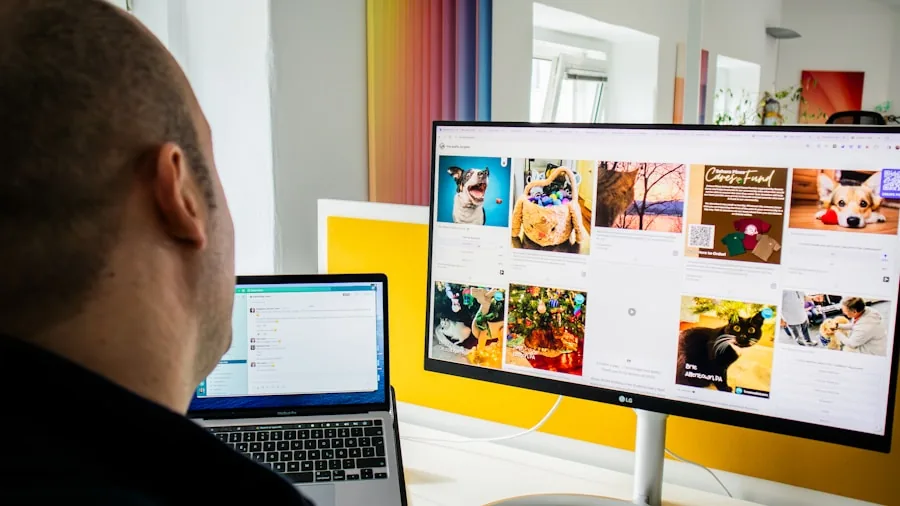
The underlying panel technology determines how colors look, how wide your viewing angles are, and how fast pixels can change.
IPS panels, like the one in the Dell SE2426H, offer accurate colors and wide viewing angles at a reasonable cost, making them a strong default for work and general use.
VA panels, used in many of the curved Samsung and KTC options in this list, deliver deeper blacks and higher native contrast ratios, which matters for dark-scene gaming and movie watching in a dimly lit room.
Color gamut coverage is another consideration that often goes overlooked. A display rated at 122% sRGB will look noticeably more vibrant than a standard sRGB panel, though for professional color work you’d want to look at DCI-P3 coverage.
HDR10 support, which several picks here include, expands the brightness range on compatible content, though the real-world impact varies significantly by how bright the panel can actually get.
If color accuracy matters for your workflow, our guide to monitors for video editing goes deeper on that specific need.
Eye-care certifications, flicker-free backlights, and low-blue-light modes are worth noting if you spend long hours at a desk. Several panels in this roundup carry dedicated eye-care features that reduce fatigue over a full workday, something worth weighing alongside raw color specs.
Resolution and Screen Size

Resolution and screen size work together. A 27-inch display running Full HD (1920×1080) can look noticeably soft up close, whereas QHD (2560×1440) at the same size hits a sweet spot of sharpness without demanding much more from your GPU.
Our picks include 24-inch FHD options that are great value for tighter desks, 27-inch QHD panels that suit both productivity and gaming, and a 34-inch ultrawide that justifies its premium with immersive screen real estate.
If you already know ultrawide is your direction, our ultrawide monitors roundup covers the category in full detail.
For multitasking, a larger QHD or ultrawide panel can effectively replace two smaller screens side by side, which makes pairing with a docking station a natural complement to your setup.
If you run two displays, our dual monitor guide covers what to look for when matching panels. And if pixel density is your top priority for 4K content or fine detail work, see our dedicated 4K monitors guide.
Refresh Rate and Response Time
Refresh rate, measured in Hz, tells you how many frames per second the panel can display. For everyday productivity and casual use, 75Hz to 100Hz is perfectly comfortable.
For competitive gaming, 144Hz and above is where motion clarity becomes a genuine advantage, and several picks in this list hit 144Hz or 165Hz without a dramatic price premium.
The Alienware AW3425DWM pushes to 180Hz, which makes it one of the fastest panels in our current roundup.
Response time (typically listed as MPRT or GTG) affects how much ghosting or blur you see during fast motion.
A 1ms MPRT figure, found across multiple picks here, means the pixel appears to switch fast enough that trailing artifacts are minimized.
Keep in mind that MPRT is a motion-blur-reduction measurement and is often achieved with backlight strobing, which can reduce brightness, so it’s worth cross-referencing with user feedback rather than treating the spec in isolation.
Adaptive sync technologies such as AMD FreeSync and VESA AdaptiveSync eliminate screen tearing by synchronizing the display’s refresh rate to your GPU’s output.
Every monitor in this roundup supports one of these standards, which is a meaningful baseline, especially if you’re pairing the display with a mid-range graphics card.
A capable GPU paired with a high-refresh panel is where the benefit really shows up in practice.
Curved vs. Flat Displays
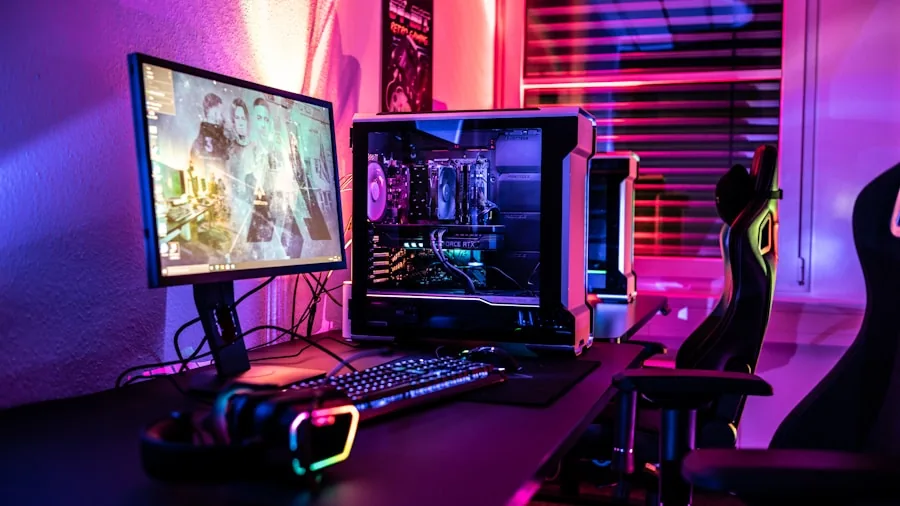
Curved monitors wrap the edges of the image slightly toward your peripheral vision, which can feel more immersive and reduce the sense that corners are farther away than the center of the screen.
A tighter curve radius such as 1500R or 1800R is more pronounced, while a shallower curve like 1000R sits closer to the natural curvature of the human eye.
The Samsung Odyssey G55C uses a 1000R curve that is one of the more aggressive on the market, and it tends to draw strong opinions, so it’s worth reading verified buyer experiences before committing.
Flat panels, by contrast, are better suited to multi-monitor arrangements where curved edges can cause visual mismatches at the bezels, and they remain the default for professional color work where geometric accuracy matters. The Dell S-series flat panels in this roundup reflect that preference well.
Connectivity and Ergonomics

Ports matter more than they used to. DisplayPort 1.4 is needed to push QHD at 144Hz or 4K at high refresh rates over a single cable, while HDMI 2.0 or 2.1 covers console gaming and general use.
Several picks in this roundup include both HDMI and DisplayPort, which gives you flexibility as your setup evolves.
Some, like the Dell S2725HSM and S2725DSM, also include built-in 3W speakers, which is a useful convenience for compact desk setups where a separate soundbar isn’t in the budget.
Ergonomic adjustability is easy to overlook until you’re hunched over the wrong height display for a full day. The Dell Plus monitors offer height, tilt, pivot, and swivel adjustments, giving you genuine posture flexibility.
Budget panels often limit you to tilt only, which is worth knowing before purchase.
VESA mount compatibility, present on several picks here, means you can add an aftermarket arm later if you want to free up desk space or dial in a specific viewing angle.
If you’re building out a dedicated workspace, pairing a well-adjustable monitor with quality mechanical keyboards and a wireless mouse makes the ergonomic picture more complete.
Budget and Value
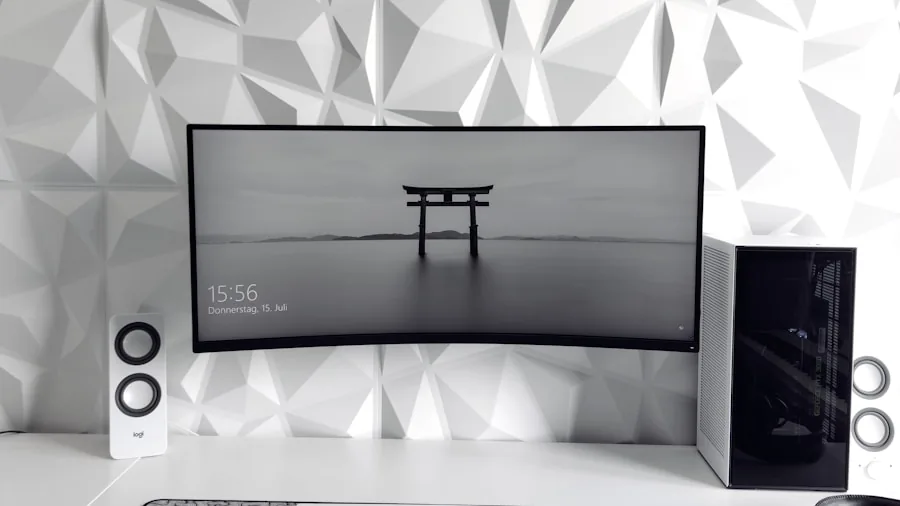
The picks in this roundup span from an accessible entry-level option to a premium curved ultrawide, covering most realistic budgets. At the lower end, you trade screen real estate and refresh rate for a compact and capable everyday display.
In the mid range, you start getting QHD resolution, 144Hz refresh, and ergonomic stands that are genuinely useful for long work sessions.
Our monitors under $200 and monitors under $300 guides break down the best options at those specific price ceilings if you have a tighter budget in mind.
At the premium end, a 34-inch ultrawide WQHD display with 180Hz refresh and a quality stand is a meaningful investment, but one that consolidates what would otherwise require two monitors and a docking hub.
For work-focused setups or programming workflows that benefit from horizontal screen space, the premium can pay for itself in productivity alone.
Why You Should Trust Us
REMOVU is an independent review publication. We have no affiliation with any manufacturer, retailer, or advertising partner that would influence our product rankings or editorial conclusions.
Every monitor in this roundup was assessed using the REMOVU Score, a consistent 0-to-10 rating system applied to each product against the same set of criteria: panel specifications and published technical data, consensus from expert reviewers across the industry, and verified buyer feedback from confirmed purchasers.
We do not conduct our own product trials; our evaluations are grounded in research, published data, expert review consensus, and verified buyer feedback.
This approach lets us cover a wide range of products and price points systematically, identifying genuine strengths and real-world weaknesses that spec sheets alone don’t reveal.
REMOVU may earn a commission when you purchase through links on this page. That affiliate relationship does not influence which products we recommend, how they are ranked, or what scores they receive.
Our recommendations are based entirely on the quality of the research and the strength of each product’s case on its own merits.
Final Thoughts
Every monitor in this roundup earns its place by offering a meaningful combination of value, performance, or versatility for a defined type of user. Here’s how we’d summarize the standouts:
- Best Overall: Alienware 34 Curved Gaming Monitor AW3425DWM earns the top REMOVU Score in this roundup with its 34-inch WQHD panel, 180Hz refresh rate, and 1500R curve that delivers a genuinely immersive experience for both gaming and productivity.
- Best Mid-Range Gaming Monitor: Samsung 32-inch Odyssey G55C hits an impressive balance of 165Hz refresh, 1ms MPRT response, and a deep 1000R curve at a mid-range price, making it one of the stronger curved gaming value picks available.
- Best for Productivity and Everyday Work: Dell 27 Plus QHD Monitor S2725DSM combines QHD sharpness, 144Hz refresh, full ergonomic adjustability, and built-in speakers in a clean package that suits long work sessions and general use equally well.
- Best Budget Desk Monitor: Dell 24 Monitor SE2426H offers a solid 144Hz IPS panel with AMD FreeSync at an accessible price point, making it a sensible first step up for anyone moving from an older display.
- Best Budget Curved Option: Samsung 27-inch Essential S36GD brings a curved panel with 100Hz refresh and Game Mode to an entry-level price, offering a taste of the curved experience without a large outlay.
If you’re still narrowing down your category, our full monitors for every budget guide covers a wider price range, and our home office monitor picks go deeper on displays optimized for productivity.
Pair your new display with a capable PC build and quality RAM to get the most out of high-refresh panels.
Frequently Asked Questions
What Is the Difference Between FHD and QHD Monitors?
Full HD (1920×1080) and Quad HD (2560×1440) refer to the number of pixels on the screen.
QHD offers significantly more screen real estate and noticeably sharper text and images, especially on panels 27 inches and larger where FHD can start to look soft.
The tradeoff is that QHD demands more from your GPU to maintain high frame rates in games. For desk work and general browsing, QHD at 27 inches is widely considered the sweet spot by both reviewers and buyers.
Is a Curved Monitor Worth It for Everyday Use?
Curved monitors are well-suited to single-screen setups where you sit centered in front of the display. The curvature reduces the perceived distance between the center and corners, which can feel more natural for wide panels.
For dual-monitor setups, flat panels tend to work better because curved edges create visual gaps at the bezel. For professional color work, flat panels are the standard because curved screens can affect how colors appear at the edges.
See our dual monitor setup guide for more on mixing and matching panels.
How Much Does Refresh Rate Actually Matter Outside of Gaming?
For gaming, a higher refresh rate makes a clear difference in motion clarity and competitive responsiveness, especially above 100Hz.
For everyday desktop use, the difference between 75Hz and 144Hz is subtler but still noticeable in how smooth scrolling and cursor movement feel.
Most users who switch from a 60Hz panel to a 144Hz display report that going back feels noticeably choppy. If gaming isn’t a priority, 100Hz to 144Hz is still a worthwhile target for a panel you’ll use all day.
What Ports Do I Need on a Monitor?
For a modern PC setup, DisplayPort 1.4 is the preferred connection for high-refresh QHD or any 4K display, as it has the bandwidth to handle those combinations over a single cable without compromise.
HDMI 2.0 is sufficient for most FHD and standard QHD use cases and is essential if you’re also connecting a console. USB-C with DisplayPort Alt Mode is increasingly useful for laptop users who want a single-cable connection.
If you frequently switch between devices, a monitor with multiple input types saves you from using adapters.
Do Built-In Speakers on a Monitor Sound Good?
Built-in monitor speakers are generally adequate for video calls, background music, and casual media consumption, especially in a compact workspace.
The 3W speakers on the Dell S2725HSM and S2725DSM are reasonable for the category, but they won’t replace a dedicated soundbar or desktop speakers for serious listening.
If audio quality matters, treat built-in speakers as a backup rather than a primary audio solution.
How Do I Know If a Monitor Will Work with My GPU?
The key factors are connection type compatibility (HDMI vs. DisplayPort) and whether your GPU supports the display’s resolution and refresh rate combination.
AMD FreeSync monitors, which include every pick in this roundup, work with AMD Radeon GPUs natively and are also compatible with many NVIDIA cards through the G-Sync Compatible certification.
Before purchasing a high-refresh or high-resolution display, it’s worth confirming your GPU can push enough frames to make use of it. Our guide to AMD Ryzen builds covers GPU pairing considerations in the context of a full system.
About the author
Emma is REMOVU's workout headphone writer, comparing secure fit, sweat resistance, and durable builds. She helps readers find earbuds and headphones that stay put through any session.