Apple’s Foldable iPhone Display Issue: What Shoppers Need to Know
Apple's first foldable faces recurring screen failures. Here's what shoppers considering the $2,000 device should know.
 By Eleanor Garcia
Updated November 14, 2026

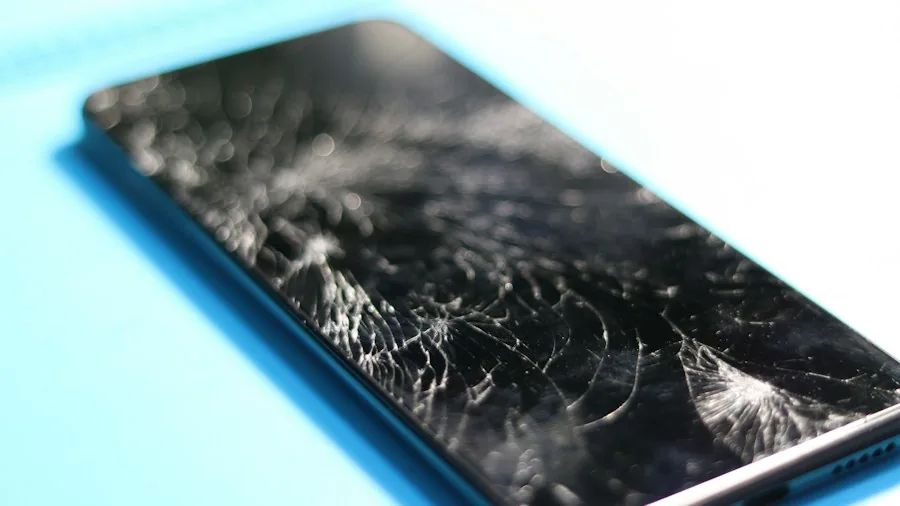
Apple’s entrance into the foldable smartphone market came with significant fanfare, but the rollout has been marred by a concerning problem affecting the device’s inner display. Just weeks after launch, owners began reporting cracks appearing on the screen, and more troubling still, replacement units are experiencing the same failures. For consumers considering a $2,000 purchase, this situation raises important questions about durability and reliability.
The Problem Keeps Recurring
Within days of the foldable iPhone’s availability, complaints surfaced about cracked inner displays. While some issues emerged immediately, others developed after weeks of careful use. What makes this more alarming is that owners receiving replacement devices are facing identical problems shortly after receiving them. One owner reported their replacement unit developing the exact same damage pattern in the bottom-right corner within 24 hours, complete with defective pixels and bubbling along the crease. Another received a replacement only to have the inner display break three days later while simply unfolding the device.
These aren’t isolated incidents. Multiple owners across online communities have documented similar failures occurring at various points in their ownership timeline. Some experienced problems after three weeks of normal use, while others saw damage appear almost immediately upon receiving replacements. The consistency of these reports suggests a systemic issue rather than random manufacturing defects.
The Mystery Remains Unsolved
Apple has acknowledged the display problems and initiated a replacement program for affected customers. The company initially stated that only a small percentage of devices experienced issues and that most failures occurred early in the product’s lifespan. However, the growing number of reports complicates that narrative, particularly as replacement units continue to fail.
The precise cause of these cracks remains unclear. Teardown analyses have raised concerns about the hinge mechanism and the stress it places on the flexible display, but neither investigation definitively identified the root cause. This lack of clarity is concerning for potential buyers. Without understanding what’s causing the problem or whether Apple has implemented production changes to prevent future failures, consumers face uncertainty about purchasing a premium smartphone at this price point.
Customer Support Shows Promise
On the positive side, several owners have reported smooth experiences with Apple’s support team. Some customers received higher-storage replacement models at no additional cost, and the replacement process itself has generally been straightforward for those who contacted AppleCare. However, replacements only address the immediate problem. If those replacement units will inevitably develop the same issues, the support experience becomes less meaningful.
The real concern isn’t whether Apple will replace your device. It’s whether a replacement will protect you from experiencing the same failure weeks or months down the road. For a device in this price range, consumers should expect durability that doesn’t depend on replacement cycles.
What This Means for Buyers
The foldable iPhone represents genuinely exciting technology, and owners without display problems are enjoying their devices. However, the persistence of these issues raises legitimate concerns about whether this generation is ready for widespread adoption. Accessory options that protect your investment become critical considerations when display reliability remains questionable.
The bigger picture involves Apple’s production timeline and component sourcing. Recent reports suggest that manufacturing constraints and supply chain factors have influenced the company’s launch strategy, including delays to standard models while premium versions rolled out. If production pressures contributed to quality control challenges with the foldable display, that’s information consumers should weigh before committing to such a substantial purchase.
Moving Forward
For shoppers currently deciding whether to purchase this foldable model, waiting for additional information makes practical sense. Apple needs to provide transparency about what’s causing the display failures and what corrective measures have been implemented in current production batches. Without that clarity, early adopters face genuine risk of repeated failures and frustration.
The foldable iPhone shows tremendous potential, but at a $2,000 minimum price, it should deliver dependability alongside innovation. The current situation suggests holding off until Apple addresses these concerns publicly and provides evidence that newer units won’t encounter the same problems. Stay informed about any company announcements regarding production improvements, and consider waiting for more time to elapse so comprehensive ecosystem reviews can emerge from long-term ownership experiences.
About the author
Eleanor covers smartphones for REMOVU, balancing cameras, battery life, and software support against price. She helps readers find the best value as the field shifts with every release.