Intel Core Ultra 7 260K Surfaces on Newegg: What Shoppers Need to Know
An unannounced Arrow Lake processor appears in exclusive Newegg prebuilts. Here's what you should know.
 By Kylie Fields
Updated November 13, 2026

A lesser-known Intel processor has quietly appeared on Newegg’s website, bundled exclusively in custom-built gaming PCs. The Core Ultra 7 260K, an unreleased variant from Intel’s Arrow Lake family, is now available to consumers through two ABS prebuilt configurations, despite having no official announcement or listing on Intel’s own website.
What Is the Core Ultra 7 260K?
The Core Ultra 7 260K is a downclocked variant of the mainstream Core Ultra 7 265K processor. Both chips share identical architecture and core counts, featuring 20 cores with 8 high-performance P-cores designed for demanding workloads. The key difference lies in boost clock speeds: the 260K peaks at 5.4 GHz according to Intel’s internal specification slide, though Newegg’s product page lists it at 5.2 GHz, suggesting some confusion remains about the final specifications.
This processor belongs to the original Arrow Lake family, not the newer Arrow Lake Refresh lineup. That positioning means it lacks access to hardware improvements and the Intel Binary Optimization Tool that Refresh models include for enhanced gaming performance. Both versions support DDR5-6400 memory speeds, though Refresh models climb to DDR5-7200.
Where You Can Buy It
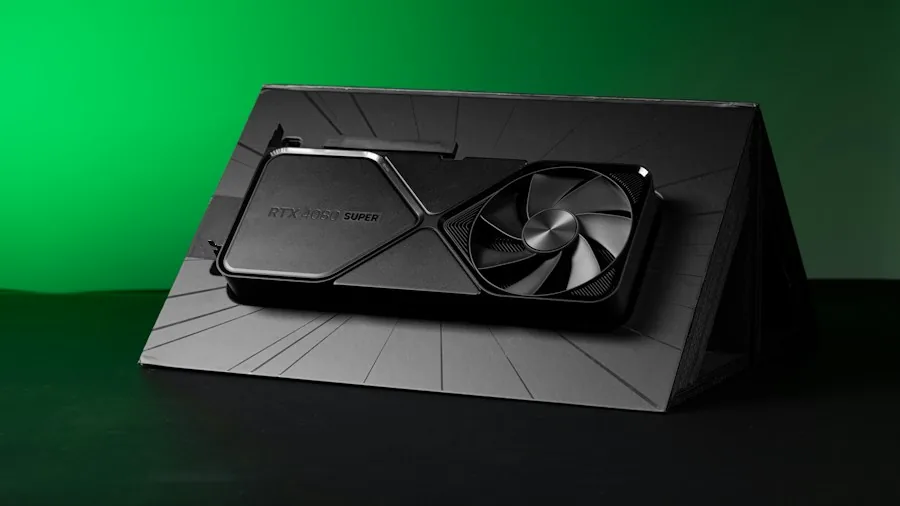
Unlike typical processor releases, the Core Ultra 7 260K skipped any formal introduction from Intel. Instead, it appeared directly on Newegg as an exclusive option in two ABS prebuilt gaming systems: the Kaze II paired with an RTX 5060 graphics card, and the Flux II Aqua equipped with an RTX 5070. Newegg has confirmed this chip will only be sold through its in-house ABS brand and will not be available for individual retail purchase. The Flux II Aqua is currently discounted by $300, bringing the price down from $2,299.99 to $1,799.99.
Important Specifications and Clarifications
The processor carries the same 125W thermal design power (TDP) as its 265K counterpart, meaning it requires similar cooling solutions to handle sustained workloads. It includes 30 MB of L3 cache and supports up to 256 GB of DDR5 memory. Some confusion exists about the exact model designation: while the product pages refer to it simply as the 260K, Newegg’s option selector briefly identified it as the U7-260KF, which would suggest overclocking capability and a lack of integrated graphics.
Retailers and manufacturers sometimes release regional or exclusive variants that never appear in official product lists. AMD and Intel both employ this strategy, though these SKUs typically receive some public acknowledgment. The Core Ultra 7 260K is unusual in that regard, having surfaced through prebuilt listings with virtually no prior announcement.
What This Means for Buyers
For consumers considering an Arrow Lake system, this variant presents an interesting option if you’re shopping for a complete prebuilt gaming PC rather than purchasing individual components. The minimal performance difference between the 260K and 265K should be negligible in real-world gaming and productivity scenarios, especially since both lack the enhancements available in Arrow Lake Refresh models. When evaluating processors, the overall system configuration matters significantly; the GPU, memory speed, and storage type often influence performance more than a 0.1 GHz clock difference.
However, if you’re building a system from scratch and want flexibility in component selection, standard retail processors remain the safer choice. Pairing with compatible motherboards designed for Arrow Lake ensures you have access to the widest range of options and future compatibility. Exclusive SKUs like the 260K lock you into prebuilt configurations and limit upgrade paths down the road.
The appearance of this processor also highlights an ongoing pattern where manufacturers introduce variants aimed at specific retailers or market segments without broad awareness. Intel has not provided comprehensive documentation about the Core Ultra 7 260K, leaving some specifications ambiguous and making side-by-side comparison with other Arrow Lake options challenging.
Performance Expectations
Based on specifications alone, the 260K should deliver performance nearly identical to the 265K in most applications. The 100 MHz reduction in maximum boost clock is unlikely to produce measurable differences in gaming frame rates or productivity software responsiveness. However, if overclocking interests you, the KF designation might matter, though the limited availability of the 260K means few users will have the opportunity to push the chip beyond stock settings.
For shoppers evaluating current-generation Intel options, Arrow Lake Refresh models represent Intel’s current mainstream recommendation. The original Arrow Lake family, including this 260K variant, still delivers strong performance but lacks the latest optimizations. Your choice between them should depend on your specific workload, budget, and whether gaming performance benefits from Refresh-generation enhancements matter to your use case.
About the author
Kylie covers processors for REMOVU, balancing core count, clock speed, and platform cost against what readers actually run. She helps builders pick a CPU that fits their workload and budget.