ASRock Radeon RX 7900 Firmware Crisis: What Graphics Card Buyers Should Know
ASRock quietly releases graphics card firmware update after previous version bricked Radeon RX 7900 units. Warranty coverage remains unclear.
 By Katrina Dean
Updated November 11, 2026
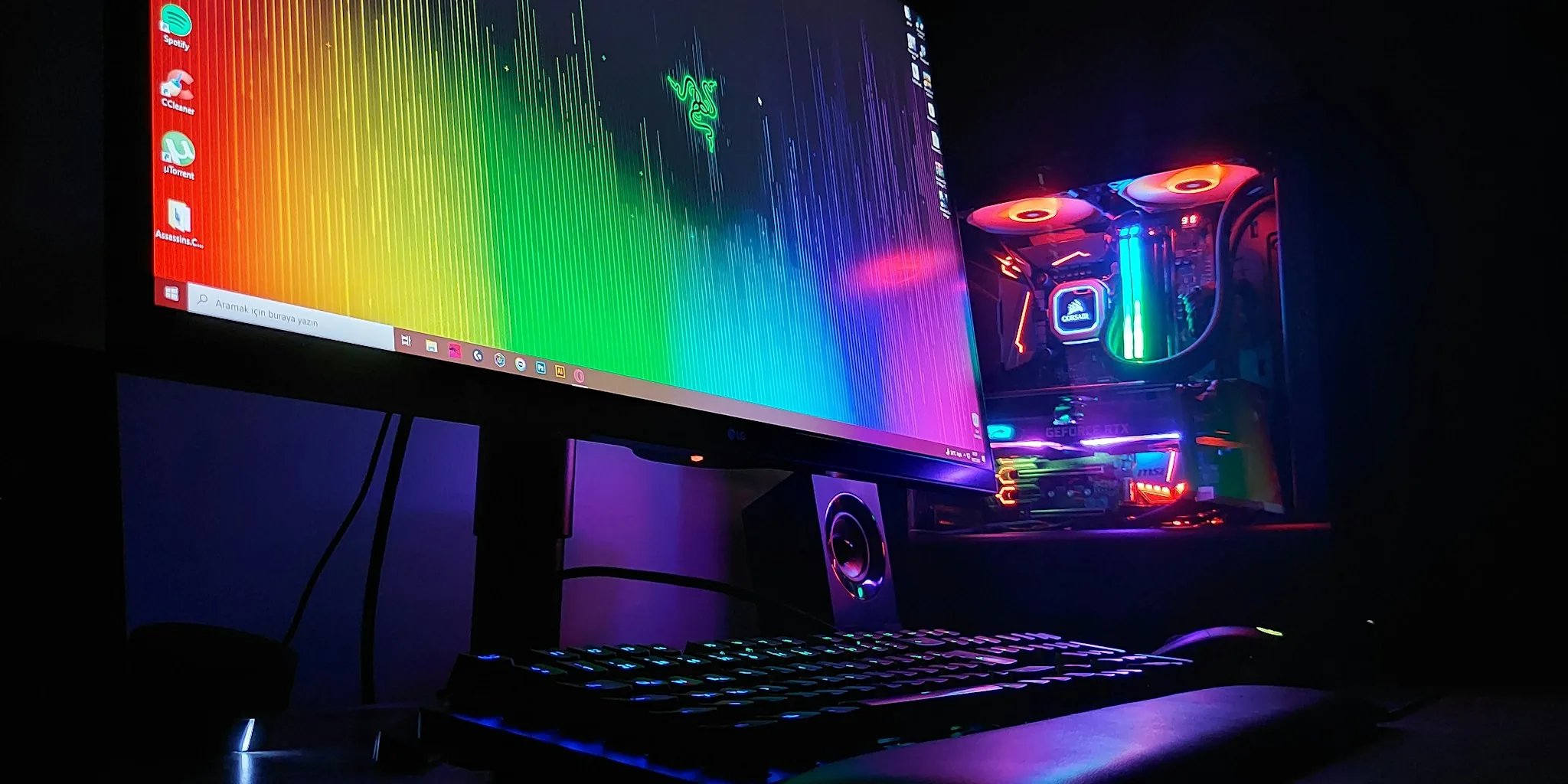
ASRock has released a new firmware update for its Radeon RX 7000-series graphics cards in response to a critical failure that left owners unable to use their hardware. The previous update, version 1.0.5, reportedly bricked some high-end Radeon RX 7900 XT and RX 7900 XTX cards. Now the company has quietly posted version 1.0.6 to its website, but without explaining what went wrong or whether the problem has been solved.
What Happened: The Problematic Update
Last month, AMD announced a firmware update for all Radeon RX 7000-series cards to address potential security vulnerabilities. ASRock, a major manufacturer of graphics card variants, released its own version of this update across ten different models spanning the RX 7600 XT, RX 7700 XT, RX 7800 XT, RX 7900 XT, and RX 7900 XTX product lines. AMD stated that no active exploits of these vulnerabilities had been discovered and encouraged users to update as soon as the new firmware became available.
Within days, owners reported a major problem: their systems would not boot after installing ASRock’s 1.0.5 VBIOS update. Some users with technical expertise managed to recover their cards using external EEPROM programmers, but many others were left with non-functional hardware. The scale of the issue prompted ASRock to remove the problematic version from its download page, though the company provided no public explanation of what caused the failures.
The New Update and Lingering Questions

ASRock has now released version 1.0.6, which appears to be an attempt to correct the issues from the previous release. However, the company has not published a detailed changelog or official statement explaining what the update addresses. This lack of transparency leaves graphics card owners uncertain whether the new firmware is safe to install or whether it actually resolves the bricking problem.
For those who experienced failures with the earlier version, the absence of clarification is frustrating. Some users successfully recovered their cards, but others faced financial loss or lengthy downtime. The company’s silence about whether the issue has genuinely been resolved makes many owners hesitant to apply the latest update.
Warranty Coverage Remains Unclear
Another major concern is ASRock’s handling of warranty coverage for affected customers. According to reports, an owner in Japan received confirmation that the failed update would be covered under the manufacturer’s warranty, suggesting they could expect repair or replacement at no cost. However, an owner in Europe who had already exceeded their warranty period was told they would need to pursue warranty service anyway, creating confusion about eligibility.
This inconsistency leaves affected buyers without clear answers about their options. If your card was damaged by the update, you may not know whether ASRock will repair or replace it. The lack of an official warranty policy statement means different regional support teams may be providing conflicting guidance.
What This Means for Shoppers
If you own a Radeon RX 7900 XT or RX 7900 XTX card from ASRock, you face a difficult choice. Installing the new firmware carries some risk because you cannot verify whether it actually resolves the original problem. Skipping the update, however, leaves your card potentially vulnerable to the security flaws the firmware was meant to address.
Before updating, check your current firmware version and consider whether the security benefit outweighs the risk. If you decide to proceed, back up your system and be prepared to recover your card if something goes wrong. Those unfamiliar with recovery procedures should consider reaching out to ASRock support before taking action. For buyers considering purchasing graphics cards under $500 or even high-end models, this situation highlights the importance of researching manufacturer reliability and support responsiveness before committing to a purchase.
Alternatively, if you are in the market for a new GPU and want to avoid this entire situation, you might evaluate models from other manufacturers that have stronger track records for firmware stability. Rapid firmware releases and vague explanations can indicate broader quality control issues worth considering.
Call for Transparency from ASRock
The broader issue here is the lack of clear communication from ASRock. A detailed changelog explaining what version 1.0.6 fixes would allow owners to make informed decisions. A public statement about warranty coverage would remove confusion about repairs and replacements. Transparency builds trust, especially when hardware failures are involved.
Until ASRock provides these answers, graphics card owners affected by the firmware failure remain in limbo. Those considering purchasing their products should be aware that this incident raises questions about the company’s support process and willingness to communicate openly during crises. In the meantime, explore graphics cards under $300 from manufacturers with clearer support records if you want peace of mind with your purchase.
About the author
Katrina covers graphics cards for REMOVU, tracking gaming performance, features, and value as prices shift with every launch. She helps builders find the right GPU for their resolution and budget.