Resident Evil Now Available for Purchase and Rental Through Apple TV
The new Resident Evil film is streaming now. Director Cregger shares his behind-the-scenes tech approach.
 By Eleanor Garcia
Updated November 5, 2026
The highly anticipated “Resident Evil” film is now available for shoppers to rent or purchase through Apple TV, marking the wide release of the adaptation that brings the iconic video game franchise to the screen. This announcement comes alongside a behind-the-scenes look at how director Zach Cregger brings his creative vision to life using modern technology.
What the Release Means for Viewers
The availability of “Resident Evil” through Apple TV expands viewing options for audiences who prefer digital ownership or temporary rental access rather than theatrical viewing. Shoppers can choose their preferred format, whether they want permanent access through purchase or flexible short-term rental periods. This distribution model reflects how major film studios now prioritize multiple platforms to reach different consumer preferences and viewing habits.
Director’s Approach to Modern Filmmaking
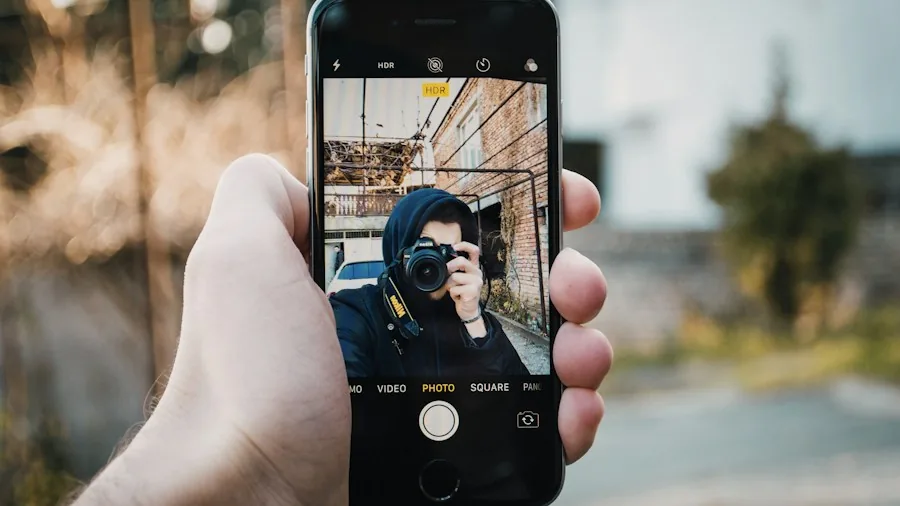
Zach Cregger, known for writing and directing films like “Weapons” and “Barbarian,” employs an innovative approach to pre-production planning. He utilizes the Cadrage app on his iPhone to map out every sequence before cameras roll. This process involves deciding camera angles, selecting specific lenses for each shot, and determining frame composition in advance.
Cregger prints out these planned images so his entire production crew understands the exact visual direction for every scene. By establishing this clarity upfront, the filmmaker reduces uncertainty on set and ensures all team members work toward a unified creative vision. This systematic approach streamlined production for both “Weapons” and “Barbarian,” where every scene received this photographic planning treatment.
Why This Matters for Tech-Savvy Consumers
The filmmaking approach highlighted here demonstrates that consumer-grade technology can serve professional purposes when integrated thoughtfully into creative workflows. A tool as accessible as an iPhone, paired with specialized apps, becomes part of a major film production’s foundation. This reflects a broader shift in how creative professionals leverage commercially available devices rather than relying exclusively on specialized equipment.
For shoppers interested in content creation, photography, or video production, the revelation that a director working on major motion pictures uses readily available technology offers practical perspective. It suggests that advanced creative work doesn’t always require expensive, proprietary equipment, though professional execution still demands expertise and planning discipline.
Understanding Apple TV’s Content Library Expansion
The rollout of “Resident Evil” through Apple TV continues the platform’s strategy of offering both newly released and established films across diverse genres. For consumers evaluating streaming and digital purchase platforms, understanding the library expansion helps determine whether subscriptions or à la carte purchases align with their entertainment preferences.
Apple TV’s distribution model allows shoppers flexibility in how they access content. Some viewers may subscribe to Apple TV Plus for bundled programming, while others prefer purchasing individual titles. The availability of major releases through multiple access methods ensures that different budget constraints and viewing frequency preferences find accommodation within the platform.
Production Technology Trends in Film and Television
The adoption of consumer devices in professional filmmaking represents a notable evolution in production practices. When seasoned directors incorporate iPhone-based planning tools into major productions, it validates these platforms’ capabilities for serious creative work. However, it’s important to note that using these devices for pre-visualization differs from using smartphones as primary filming cameras, which presents different technical considerations.
For consumers considering content creation equipment, understanding how professionals utilize technology provides valuable context. Specialized applications running on consumer hardware can deliver sophisticated functionality when selected and implemented properly. This principle applies across industries beyond filmmaking, from music production to graphic design to architectural visualization.
Navigating Digital Distribution Options
As films become available across multiple digital platforms simultaneously, shoppers benefit from understanding their options. Rental versus purchase decisions involve weighing cost against frequency of viewing and personal preference for ownership. Digital purchases typically offer longer access periods and often include additional features compared to rental options.
The expansion of films like “Resident Evil” across digital platforms reflects how entertainment consumption continues evolving away from exclusive theatrical releases. This trend means audiences now typically have multiple ways to access major content within weeks of initial release, altering traditional viewing patterns and allowing personal scheduling flexibility.
For those interested in optimizing their digital viewing setup, considering your network infrastructure becomes relevant. The best WiFi 6 routers for every home and budget can ensure smooth streaming of high-quality digital content. Similarly, the best portable SSDs for every workflow and budget provide options for those who prefer downloading content for offline viewing, while network switches for gaming worth buying for every setup help optimize overall home entertainment infrastructure when multiple devices compete for bandwidth.
What Shoppers Should Consider
Before purchasing or renting “Resident Evil” through Apple TV, evaluate your typical viewing patterns. If you anticipate watching the film multiple times or sharing it with household members over an extended period, purchasing may provide better value. Conversely, rental suits viewers who want access for a single viewing or brief window.
The technology insights from Cregger’s production approach offer broader perspective on how creative professionals work today. Understanding these workflows helps consumers appreciate the intentionality behind professional productions and potentially improve their own approach to creative projects, whether hobbyist or professional in nature.
About the author
Eleanor covers smartphones for REMOVU, balancing cameras, battery life, and software support against price. She helps readers find the best value as the field shifts with every release.