Google Advances Foldable Phone App Development: What Shoppers Should Expect
New developer tools will lead to better foldable phone apps and broader adoption of folding devices.
 By Eleanor Garcia
Updated October 28, 2026
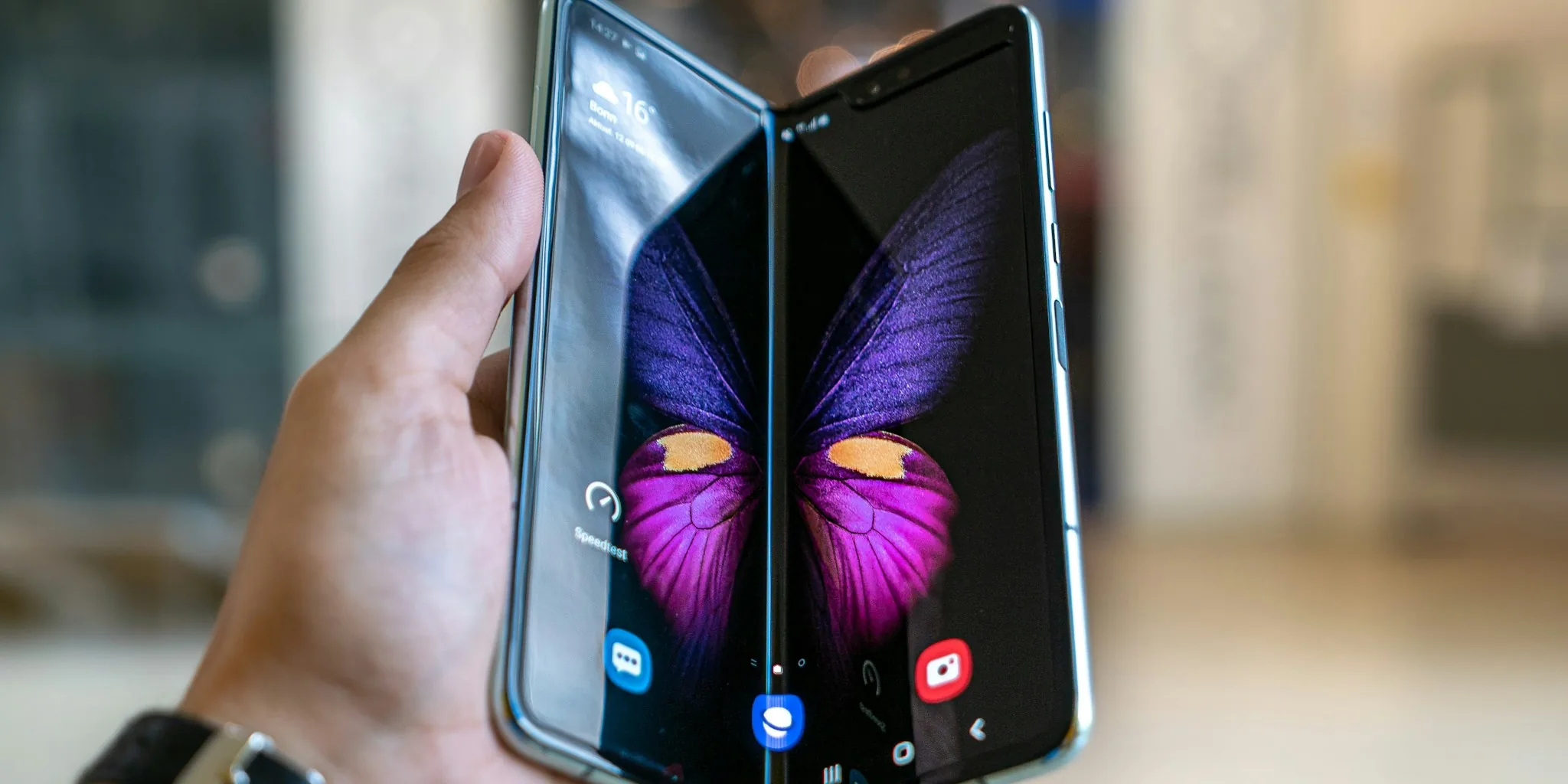
Google is making significant moves to improve how apps work on foldable phones and other non-traditional Android devices. The company has enhanced its Compose adaptive skill, a development tool that helps programmers optimize existing applications for different screen sizes and device types. This update signals an important shift in how the Android ecosystem will operate, and consumers shopping for new devices should understand what it means for their experience.
What Google Changed and Why It Matters
Traditionally, when developers wanted to create an app that worked well on both phones and tablets, they often had to maintain separate code versions for each device type. Google’s updated adaptive skill automates much of this work using artificial intelligence coding agents. These agents can analyze an existing phone app and suggest specific modifications that would make it function better on larger screens like laptop displays or the unique dual-screen layouts of foldable devices.
The new features go far beyond simply stretching a phone interface to fit a bigger screen. The enhanced tool can recommend keyboard shortcuts for desktop users, create custom pointer cursors, add hover states to buttons, and generate helpful tooltips. For foldable phones specifically, the skill now includes what Google calls posture-aware optimizations. This means apps can recognize when a foldable device is partially open in a tent or tabletop configuration and automatically adjust the interface to take advantage of that unique form factor.
How This Changes the Foldable Phone Market
The foldable phone category has been growing steadily, with manufacturers like Samsung and others releasing increasingly capable folding devices. However, one of the main complaints from early adopters has been app compatibility and optimization. Many popular applications simply enlarge the phone version when opened on a foldable device, resulting in awkward layouts and poor functionality. Google’s initiative directly addresses this frustration.
By making it easier and faster for developers to optimize their apps for foldables, Google is removing a major barrier to innovation in this category. Developers no longer need to hire specialist teams or spend months refactoring code from scratch. AI-powered suggestions can handle routine adaptations, allowing programmers to focus on truly creative enhancements that take advantage of foldable technology.
The Google Play Store Strategy
Google is also restructuring how it promotes applications on its official app store. Beginning next year, the company plans to place greater emphasis on apps and games that have been properly optimized for foldable devices. This means better visibility and prominent placement for applications that meet the company’s new adaptive quality guidelines.
However, Google has not yet revealed the specific technical requirements developers must satisfy. The company has promised more detailed specifications later in 2026, so consumers may not see the full impact of these changes on the Play Store for several months. What is clear is that the company is signaling foldable optimization as a priority category going forward.
Broader Implications for Android Devices

The adaptive skill is not limited to foldables. Google has stated that the same optimization approach can be applied to traditional phones, tablets, upcoming Googlebook devices, vehicles with integrated displays, and even augmented reality equipment. This represents a fundamental rethinking of how Android apps should be designed from the ground up. Rather than building separate versions for different device types, the future involves creating flexible applications that intelligently respond to whatever hardware they are running on.
Developers can begin using the updated Compose adaptive skill immediately, alongside Google’s published adaptive quality guidelines. For game developers specifically, Google maintains separate adaptive games guidelines tailored to the unique challenges of optimizing interactive entertainment across multiple device types.
What Shoppers Should Take Away
For consumers considering a foldable phone purchase, this news is largely positive. The more straightforward it becomes for developers to optimize applications for folding displays, the faster the overall app ecosystem will mature. This means fewer compatibility headaches and more meaningful use cases for the unique form factor that foldables offer.
In the coming months, watch for foldable-optimized versions of your favorite applications to arrive on the Google Play Store. New apps designed with multiple device types in mind will provide noticeably better experiences than simply enlarged phone versions. As these developments unfold through the rest of 2026 and into 2027, foldable devices will become increasingly practical for mainstream consumers, not just early technology enthusiasts.
The push toward adaptive app design also suggests that foldable technology is no longer viewed as an experimental feature by the Android ecosystem. By investing in developer tools and giving prominent placement to optimized apps, Google is betting that foldables represent the future of mobile computing, and the software needs to catch up to the hardware innovation.
About the author
Eleanor covers smartphones for REMOVU, balancing cameras, battery life, and software support against price. She helps readers find the best value as the field shifts with every release.