iPad Trade In Values Jump With New Product Releases What Shoppers Should Know
Apple raises iPad trade in credits by up to $20. Here's what that means for your upgrade plans.
 By Yolanda Carroll
Updated October 28, 2026
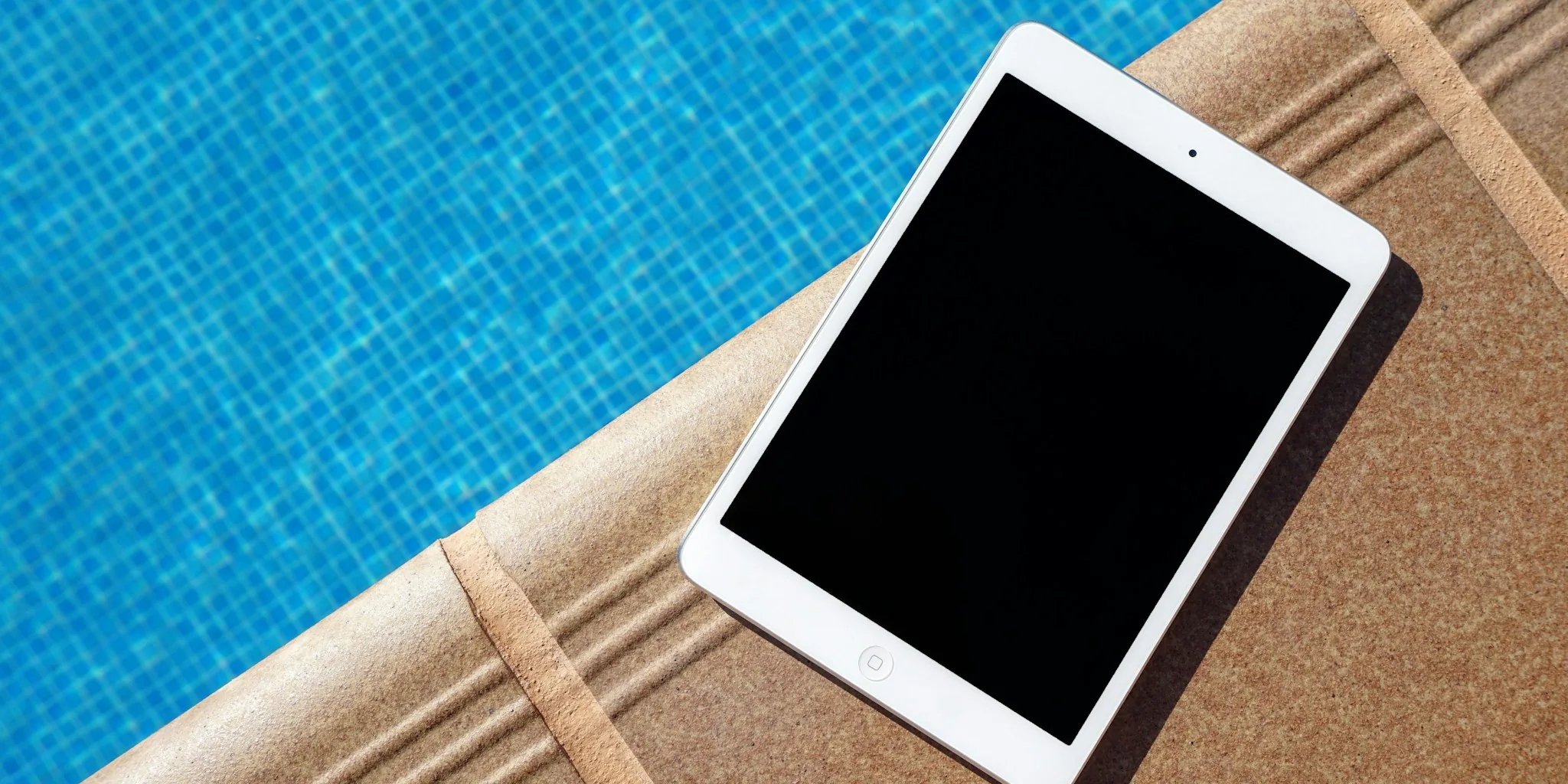
Apple just announced higher trade in values across its entire iPad lineup following the release of updated models this week. The boost represents a meaningful shift for anyone considering upgrading their current device or trading in an older model for credit toward a new purchase.
iPad Trade In Values on the Rise
Maximum trade in values for iPad models have increased by $10 to $20 across the board. Here’s how the new values compare to previous amounts: the standard iPad climbs from $280 to $300, the iPad mini jumps from $320 to $340, the iPad Air rises from $510 to $525, and the iPad Pro increases from $905 to $915. Entry level models saw the most substantial gains, with both the base iPad and iPad mini receiving $20 increases.
While these adjustments may seem modest compared to other Apple device categories, they still provide real savings for shoppers. If you’ve been holding onto an older iPad in decent condition, this timing could make a meaningful difference in your upgrade costs. The value increases apply to trades completed through Apple’s official channels, whether shopping online or visiting a retail store location.
What’s Driving the Value Adjustments
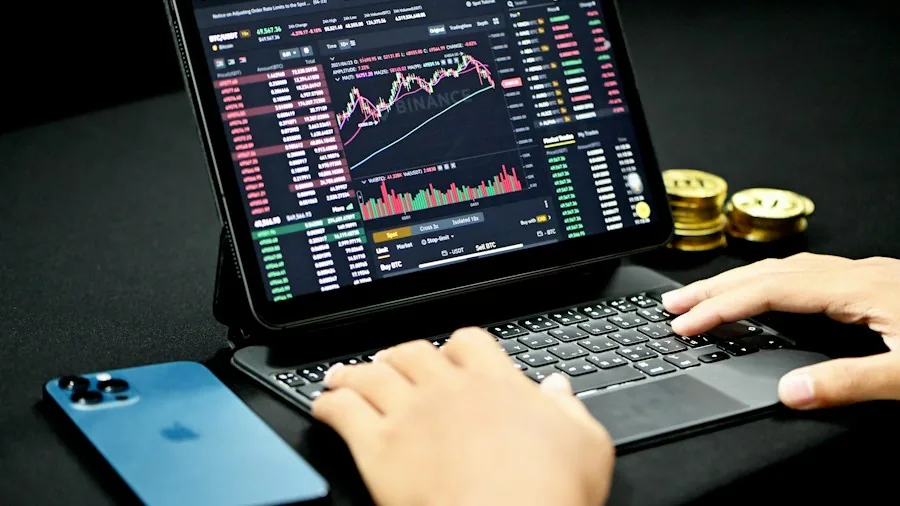
The timing of these trade in improvements aligns with Apple’s broader product refresh cycle. New models across the company’s lineup have arrived with enhanced capabilities and updated specifications, naturally making previous generation devices less competitive in the used market. However, the increases suggest Apple is actively incentivizing upgrades during this particular product cycle.
These higher valuations apply specifically to trades made toward new purchases or converted to Apple Gift Cards. If you need cash instead of store credit, you’ll need to explore third party reseller options, which typically offer lower payouts than Apple’s official trade in program.
How Device Condition Affects Your Trade In Value
Keep in mind that the values mentioned represent maximum amounts you can receive. Your actual trade in credit will depend on several factors including your device’s age, physical condition, functionality, and original configuration. A device with screen damage, battery degradation, or other issues will receive a lower valuation than the maximum listed.
Before initiating a trade in, ensure your device powers on and functions properly. Back up all your data and perform a factory reset to remove personal information. Taking time to assess your device’s condition honestly will help you understand what value to expect during the actual trade in process.
Comparing Trade In Options for iPad Users
When evaluating where to trade in your iPad, you have several choices beyond Apple’s official program. Third party retailers and online marketplaces may offer competitive rates depending on your model and condition. However, trading directly with Apple provides the advantage of applying credit immediately toward a new device purchase, simplifying the upgrade process.
The decision between official and third party options depends on your priorities. Apple’s streamlined process eliminates shipping hassles and payment delays, while independent resellers might offer better cash payouts in some cases. Consider what matters most to your situation, whether that’s convenience or maximum monetary return.
Planning Your iPad Upgrade Strategy

These increased trade in values create a favorable window for anyone considering an iPad upgrade. Whether you’re moving from an older generation to the latest model or switching between device types, the boost in credits can reduce your out of pocket costs significantly. For example, trading in an older iPad Air now nets you $15 more than it would have previously.
If you use your iPad regularly for work or creative projects, pairing it with quality accessories can enhance your experience. Popular options include iPad keyboards for productivity workflows or portable chargers for extended use away from power outlets. These accessories become especially valuable when combined with a newly upgraded device that offers improved performance and battery life.
The Bigger Picture for Apple Trade In Programs
Beyond iPad devices, Apple significantly increased trade in values for Mac computers as well, with some models receiving increases up to $365. This broader price adjustment reflects Apple’s commitment to making upgrades more accessible while managing inventory of previous generation devices. The company benefits from a steady supply of trade in units, while customers gain meaningful credit toward new purchases.
The competitive pricing landscape for consumer electronics has intensified as component costs fluctuate and new product cycles accelerate. By offering stronger trade in values, Apple positions itself as the preferred destination for upgrades, particularly for customers already invested in the company’s ecosystem.
If you’ve been waiting for the right time to upgrade your iPad, these increased trade in values represent a genuine improvement in the value proposition. Take inventory of your current device’s condition, research the new models available, and calculate your potential upgrade costs using the new trade in rates. The combination of better credit offers and enhanced functionality in newer devices makes this an opportune moment for many users to move forward with an upgrade.
About the author
Yolanda covers tablets for REMOVU, weighing performance, display, and value across iPad and Android options. She helps readers pick a tablet that fits couch time or real work.