Five High-Performance Mini PCs Outperforming Traditional Desktops in 2026
Five compact systems delivering desktop-class power in 2026. Find out which models outperform traditional computers.
 By Nevaeh Sims
Updated October 26, 2026

The personal computer landscape has shifted dramatically. For decades, professionals and power users assumed that serious computing power required a full-size desktop tower. Today, that assumption no longer holds. Compact mini PCs now deliver desktop-class performance in a fraction of the space, making them a compelling choice for anyone looking to upgrade their setup without sacrificing capability.
Why Mini PCs Are Reshaping the Market
The appeal of mini PCs extends beyond their compact footprint. Modern processors, memory architectures, and graphics solutions have advanced to the point where manufacturers can pack exceptional horsepower into machines that weigh just a few pounds. This development matters for shoppers because it means you no longer face a trade-off between portability and performance. Whether you work with video editing software, design 3D assets, play demanding video games, or run resource-intensive applications, a mini PC can handle these tasks reliably.
Several flagship models exemplify this trend. Apple’s M5 Max Mac Studio brings substantial processing capability through its 18-core processor, up to 40-core graphics solution, and configurable memory reaching 128 GB. The system’s memory bandwidth of 460 GB per second, expandable to 614 GB per second, accelerates demanding workflows in creative professions. For professionals working in 3D rendering and visual effects, the third-generation hardware-accelerated ray tracing adds meaningful speed improvements. Starting at $2,499, this machine arrives in a six-pound package measuring just 3.7 by 7.7 by 7.7 inches, complete with extensive connectivity options including four Thunderbolt 5 USB-C ports, HDMI 2.1, and an SD card slot.
Intel-Powered Alternatives for Windows Users
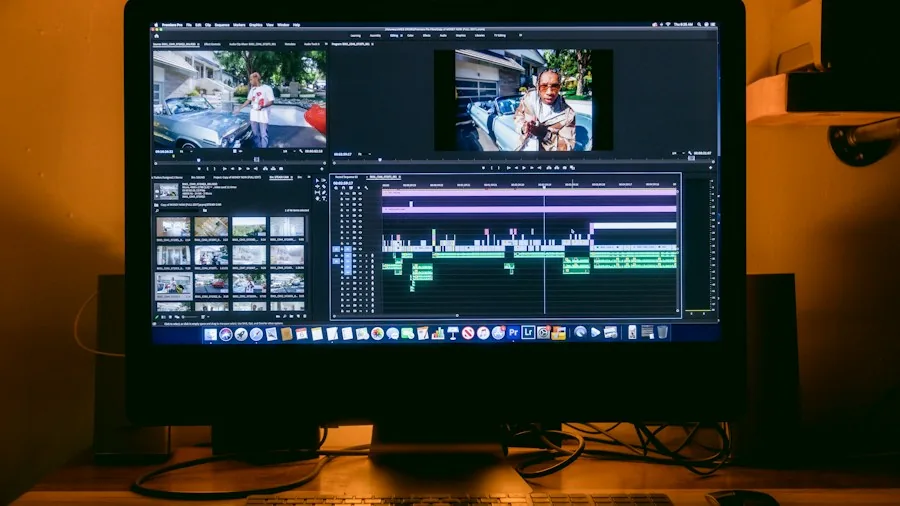
Windows users have equally impressive options. The Asus NUC 16 Pro Mini combines an Intel Core Ultra X7 358H processor with Intel Arc B390 graphics, delivering performance metrics that rival larger traditional computers. The configuration supports up to 32 GB of memory and 1 TB of SSD storage. This machine provides extensive port options, including four USB-A connections, two HDMI 2.1 ports, two Thunderbolt 4 USB-C ports, and dual 2.5-gigabit Ethernet connections. Wi-Fi 7 and Bluetooth 6 round out the connectivity package. At $2,780.99 for the fully configured model, it represents a substantial investment but one that professionals working with compute-intensive applications might find worthwhile.
The HP Z2 Mini G1a operates in a similar performance tier, with available configurations featuring AMD’s Ryzen AI Max+ Pro 395 processor paired with a 40-core Radeon 8060S graphics card. The high-end variant includes 128 GB of unified memory and can connect to four displays simultaneously at 4K resolution. Base configurations start around $1,999.99, making this model accessible to a broader audience of professionals.
Gaming-Focused Compact Powerhouses
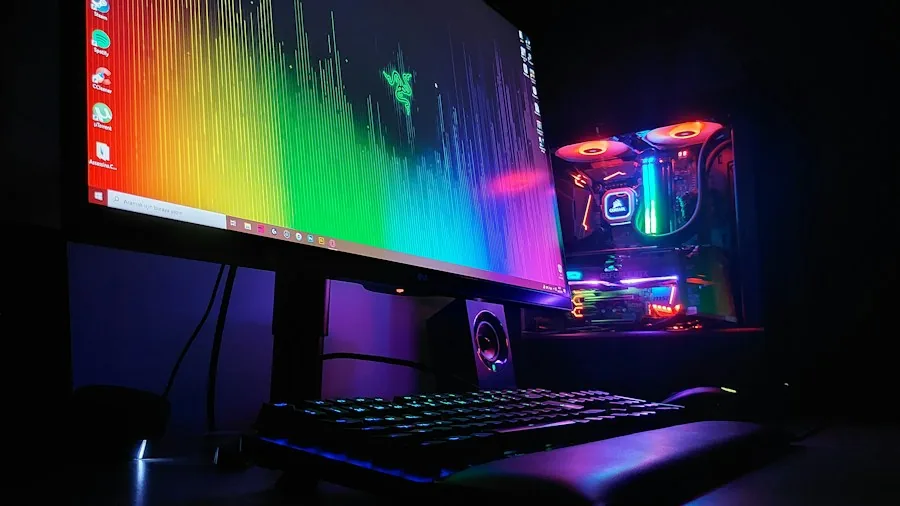
For gaming enthusiasts and content creators, the Asus ROG NUC delivers console-level gaming performance in a compact form factor. This gaming-oriented mini PC can be configured with up to an Intel Core Ultra 9 275HX processor and an Nvidia GeForce RTX 5080 GPU, supporting up to 64 GB of memory and 2 TB of storage. The machine delivers triple-digit frame rates in demanding AAA titles at 1080p resolution while maintaining solid performance for productivity workloads. Port selection includes six USB-A connections, two Thunderbolt 4 USB-C ports, dual HDMI 2.1 outputs, and dual DisplayPort 2.1 connections. Entry-level variants start at $2,399.
The M5 Pro Mac mini occupies the middle ground for Apple users, combining the company’s M5 Pro architecture with either 15-core or 18-core CPU options and up to 20-core GPU capabilities. This machine achieves competitive gaming performance and handles professional tasks with ease, delivering up to 140 frames per second in demanding titles when ray tracing and frame generation are enabled. Starting at $1,699, it offers better value than the Mac Studio while still providing exceptional capability.
What This Means for Shoppers
The emergence of high-performance mini PCs fundamentally changes how consumers should approach computer purchases. If you’ve been hesitant about upgrading due to space constraints or desk real estate concerns, these options remove that barrier. The machines detailed here rival or exceed most traditional desktop setups in raw processing capability, memory capacity, and graphics performance.
When evaluating mini PCs for your needs, consider your primary use case. Creative professionals benefit from systems emphasizing memory bandwidth and CPU core counts, while gamers prioritize GPU capability. Budget constraints matter significantly, as configurations vary dramatically across these platforms. More affordable mini PC options exist for basic computing, but the models discussed here occupy the premium segment where performance genuinely competes with traditional desktop towers.
These machines prove that compact design no longer requires compromise on power. For shoppers seeking serious computing capability without enormous footprint, the mini PC market now delivers legitimate alternatives to traditional desktop configurations.
About the author
Nevaeh is REMOVU's mini PC writer, judging performance, ports, and value in palm-sized machines. She helps readers pick a tidy computer for a desk, a media center, or a quiet office.