How to Choose the Right Wattage Charger for Your Phone’s Fast Charging
Wattage alone won't deliver fast charging. Here's how to pick a charger with the voltage tech your phone actually needs.
 By Adrian Rogers
Updated October 24, 2026
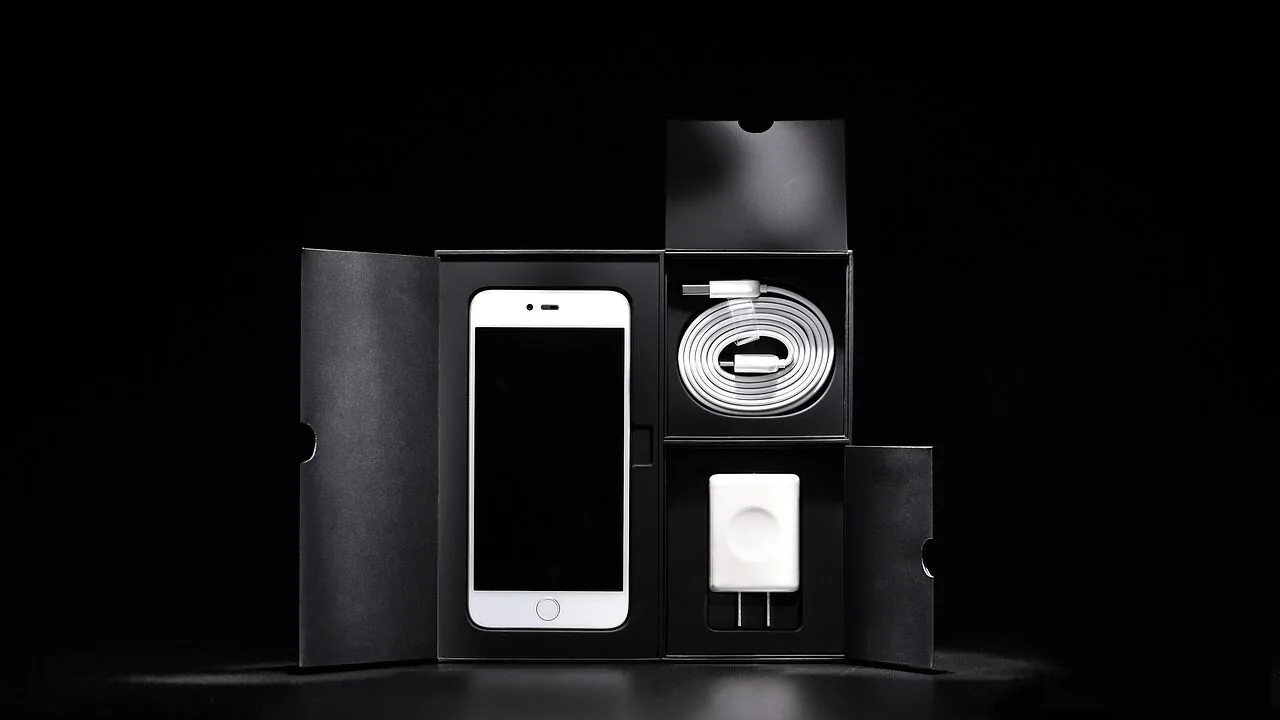
You’ve upgraded to a flagship phone with impressive fast charging capabilities, only to discover that your charging speeds aren’t matching what the manufacturer promised. Before you blame the wattage, consider this: wattage is only one piece of the puzzle. The charger you’re using might have the right wattage but lack the voltage-management technology your phone needs to actually deliver those speeds.
Understand Your Phone’s Voltage Requirements
Modern flagship phones don’t just need a certain amount of wattage to charge quickly. They also need chargers capable of delivering precise voltage levels during different stages of the charging cycle. Your phone’s battery demands vary based on its current charge level, temperature, and other factors. A standard power adapter locks into specific voltage levels and can’t adjust on the fly, which means it can’t give your phone exactly what it needs when it needs it.
This mismatch between what your phone requests and what a basic charger can provide causes slower charging speeds, even if the wattage seems adequate on paper. Understanding this fundamental requirement is the first step toward selecting a charger that actually works.
iPhone Users Need AVS Support
If you’ve recently purchased an iPhone with fast charging, your charger must support Adjustable Voltage Supply, or AVS. This technology allows your charger and phone to communicate and determine the optimal power delivery. AVS enables a charger to provide voltages ranging from 9V to 20V in increments as small as 100 millivolts, delivering the exact power your iPhone needs at each moment.
Without AVS, your iPhone will charge noticeably slower because a standard adapter can’t make those fine adjustments. You might have a 60W charger, but if it lacks AVS certification, you won’t experience the 50-percent charge in 15 minutes that Apple advertises. Look for certification labels indicating USB Power Delivery 3.2 with AVS support when shopping for iPhone chargers.
Google Pixel and Samsung Galaxy Need PPS
Android flagship users face a different requirement. Google Pixel phones and certain Samsung Galaxy models need chargers with Programmable Power Supply, or PPS, support. PPS is a step beyond AVS, offering even more precise voltage and current adjustments in 20-millivolt and 50-milliamp increments.
This precision enables Pixel phones to deliver fast wired charging speeds reliably. The challenge is that not all PPS-equipped chargers work equally well with modern Pixel phones. Some PPS chargers max out at 11V or 16V, while newer Pixel models require a PPS charger capable of reaching 20V or higher to achieve peak charging speeds. When evaluating a PPS charger, always confirm it meets your specific phone’s voltage requirements.
Don’t Overlook Maximum Wattage
While voltage management technology is critical, wattage still matters. Your phone demands enough power from the adapter to actually enable fast charging. A charger that supports the right voltage technology but delivers insufficient wattage will still charge your phone slowly. Check your phone’s specifications for the recommended charger wattage, then look for an adapter that meets or exceeds that requirement.
The USB-C charging standard has created a landscape where chargers look identical despite having vastly different capabilities. A 30W charger and a 65W charger might appear the same physically, but they’ll deliver dramatically different results with your high-end device.
Verify Your Cable Specifications
People frequently overlook the charging cable as part of the equation, yet it’s equally important as the power adapter. Your cable must match or exceed the maximum wattage your phone requires. Using a cable rated for lower wattage than your charger and phone demand will create a bottleneck that limits charging speed regardless of your adapter’s capabilities.
Modern USB-C cables should clearly display their wattage rating on the packaging or the cable itself. If you’re using a cable that came with a previous device, it may not be rated for the higher power demands of your new flagship phone. This is especially true if you’re upgrading from an older smartphone model.
Research Before You Upgrade
When purchasing a new flagship phone, don’t assume the charger you already own will deliver the advertised fast charging speeds. Before completing your purchase, visit the manufacturer’s website and review their technical specifications for charging. You’ll find exactly which voltage technology and wattage the phone requires.
Check whether existing chargers in your collection support the necessary technology. If you’re planning to use the same charger across multiple devices, like when charging your phone, tablet, and laptop simultaneously, confirm it supports the voltage technology for each device. Quality power management accessories ensure reliable performance across your entire technology ecosystem.
Look for Certified, Reputable Chargers
Purchasing a charger from an established brand that specializes in power delivery reduces the risk of buying an adapter with misleading specifications. Many third-party chargers claim to support PPS or AVS but don’t actually deliver the technology reliably. Look for chargers that have been evaluated by multiple reviewers and have consistently positive feedback from users with your specific phone model.
Reading customer reviews that mention actual charging speeds with your phone model provides more useful information than marketing claims alone. Users often report whether a charger delivered the manufacturer’s promised charging speeds, which is invaluable when making your decision.
Consider Multi-Device Charging Scenarios
Modern chargers often feature multiple ports, allowing you to charge several devices simultaneously. Advanced power solutions provide flexibility for demanding users who need to charge multiple devices during their day. When evaluating multi-port chargers, confirm that each port maintains adequate wattage for fast charging, as power is typically divided among active ports.
The charger you choose should handle your real-world charging needs without requiring you to make compromises. Whether you charge one device or several at once, the technology and wattage specifications should match your requirements exactly.
About the author
Adrian writes about power banks for REMOVU, balancing capacity, charging speed, and pocketability for phones and laptops. He helps readers stay topped up without carrying a brick.