iPhone Duo Teardowns Reveal USB-C Modularity and Dual Battery Design What Shoppers Should Know
Dual batteries and modular USB-C design offer surprising repairability benefits for the new foldable phone.
 By Eleanor Garcia
Updated October 24, 2026
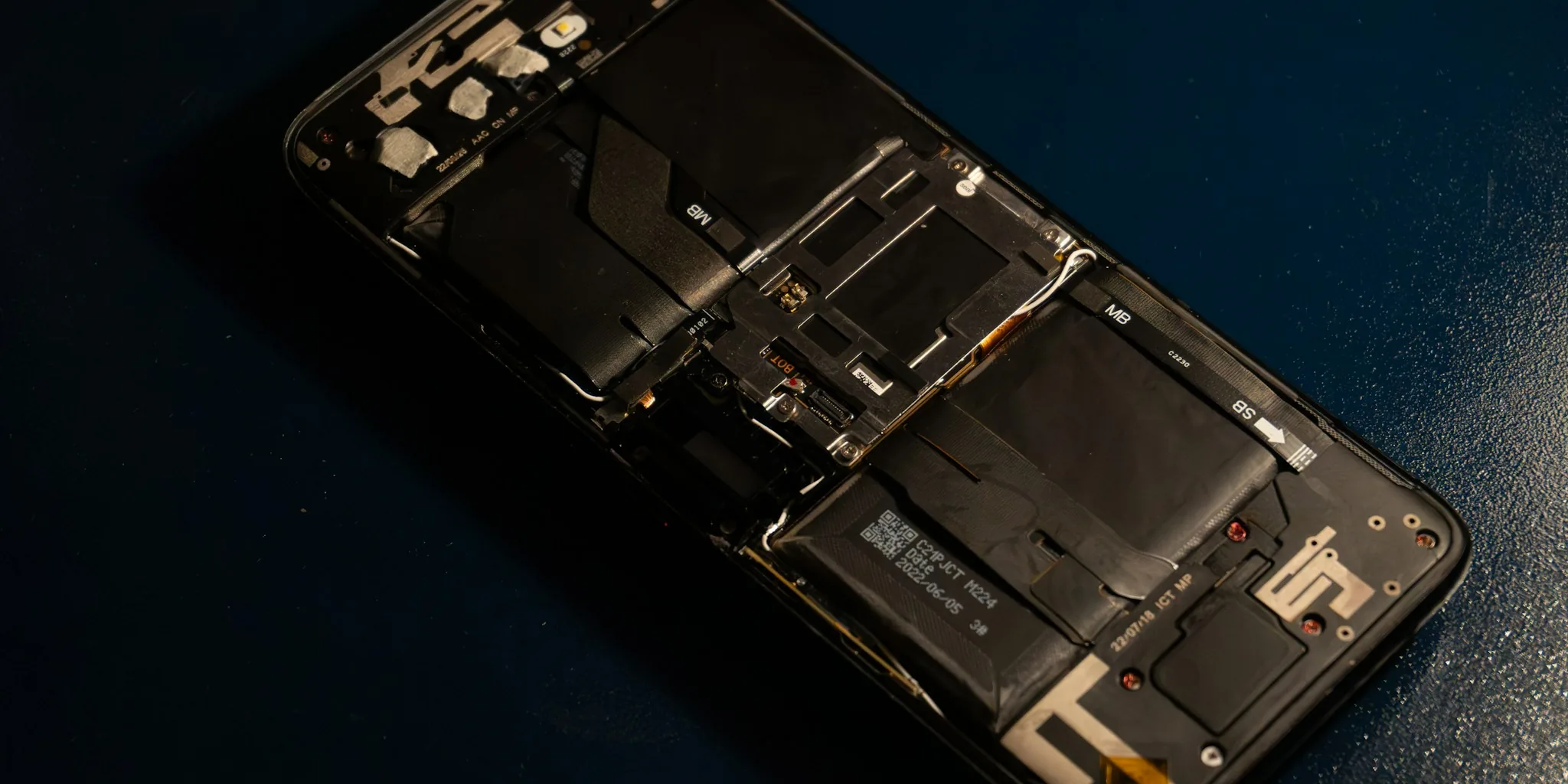
Early teardown videos of the new iPhone Duo have provided the first detailed look at the device’s internal architecture, revealing key design choices that affect repairability, charging, and long-term reliability for buyers. Technology repair channels REWA Technology and Phone Repair Guru have published their findings, offering valuable insights into what you’re actually purchasing.
What the Teardowns Discovered
The iPhone Duo employs a distinctive dual-battery setup that differs from Apple’s previous single-battery approach. The device houses two separate battery cells with a combined capacity of 4,883 mAh: a larger battery rated at 2,962 mAh (11.56 Wh) and a smaller cell at 1,921 mAh (7.5 Wh). Both cells utilize electrically-activated adhesive technology, which allows them to be removed during repairs without traditional mechanical fasteners.
The internal logic board incorporates Apple’s A20 Pro processor, a C2 cellular modem, and supporting components optimized for the dual-screen form factor. This configuration represents a significant engineering undertaking to fit powerful computing into a foldable device.
USB-C Charging and Repair Implications
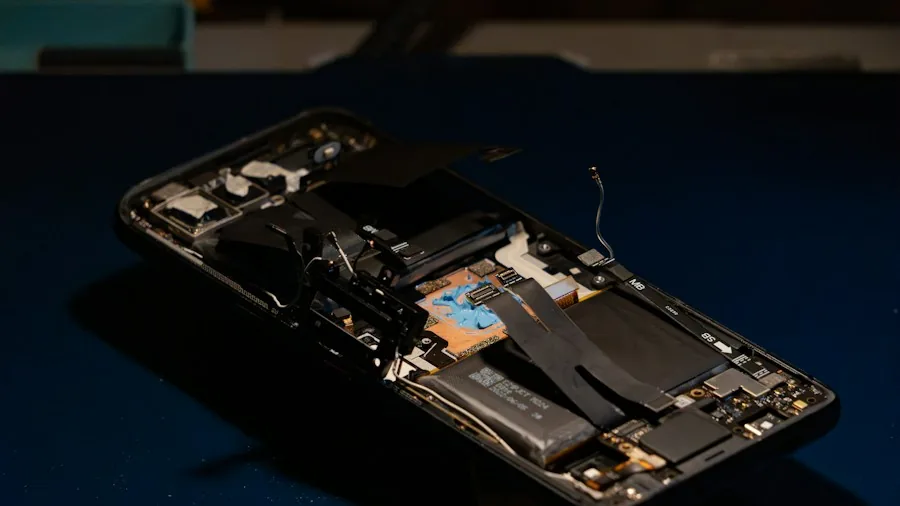
One standout discovery from the teardowns is the iPhone Duo’s completely modular USB-C charging port design. This represents a substantial shift for Apple repair scenarios, as the charging connection can be serviced independently without requiring full device disassembly. For shoppers, this means USB-C charging solutions and docks become more practical investment options, since the port itself should remain functional across the device’s lifetime with fewer complications.
The modular approach to the USB-C connector aligns with global regulatory trends pushing manufacturers toward standardized charging across device categories. This standardization benefits consumers who accumulate multiple devices, as a single charging cable and power adapter can serve multiple gadgets in their technology ecosystem.
Touch ID Serviceability Challenges
Phone Repair Guru noted that while the iPhone Duo’s Touch ID button is technically removable for repairs, the process presents considerable difficulty. This stands in contrast to the modular charging port and suggests that certain premium features come with serviceability trade-offs. Consumers planning to rely on biometric authentication as their primary unlock method should be aware that professional repair may be necessary if the button malfunctions, since DIY replacement would be extremely challenging.
What This Means for Your Purchase Decision
The dual-battery architecture offers practical benefits for extended usage on a foldable device. The ability to distribute power across two cells potentially improves performance stability and allows for more sophisticated power management strategies compared to traditional single-battery designs. However, the increased internal complexity means more components could potentially require service over time.
The modular USB-C design suggests Apple invested heavily in making the most frequently replaced component easier to repair. This is consumer-friendly since charging port failures are among the most common issues with smartphones and tablets. The accessibility of the charging port without major disassembly should reduce repair costs when issues arise.
The dual-screen configuration introduces inherent repair complexity that goes beyond traditional phones. The presence of two displays means twice the potential points of failure compared to single-screen devices. Teardown analysts have already documented durability concerns with the hinge area, which represents a vulnerable spot in foldable design.
eSIM-Only Requirement and Connectivity
The iPhone Duo operates as an eSIM-only device worldwide, meaning physical SIM cards cannot be used. This design choice streamlines the internal layout by eliminating a traditional SIM card slot, contributing to the compact foldable form factor. For shoppers, this means seamless carrier provisioning and easier device switching, but requires working with carriers that support eSIM technology.
Availability and Future Repair Resources
Apple has already published an official iPhone Duo repair manual, indicating that authorized repair services are prepared for common maintenance tasks. The teardown community, including the respected iFixit platform, is expected to publish comprehensive analyses in the coming weeks, which should provide more granular assessments of long-term durability factors.
The availability of official repair documentation combined with detailed third-party teardowns means consumers have significantly more information about this device’s internal design compared to previous generations. This transparency allows buyers to make informed decisions about warranty selection and repair coverage expectations.
Understanding what lies inside the iPhone Duo helps contextualize its pricing and design philosophy. The modular USB-C charging, sophisticated dual-battery system, and powerful internal components represent considerable engineering effort. For shoppers evaluating whether this device meets their needs, these teardown details reveal a product built with both usability and serviceability considerations in mind, even if certain components like the foldable display and Touch ID button remain complex to repair without professional support.
About the author
Eleanor covers smartphones for REMOVU, balancing cameras, battery life, and software support against price. She helps readers find the best value as the field shifts with every release.