Google Health Rolling Out Over 100 Activity Detection Features to Smartwatches
Google Health rolling out major fitness tracking upgrade with 2x accuracy improvement and fewer missed workouts.
 By Kristen Jennings
Updated October 23, 2026
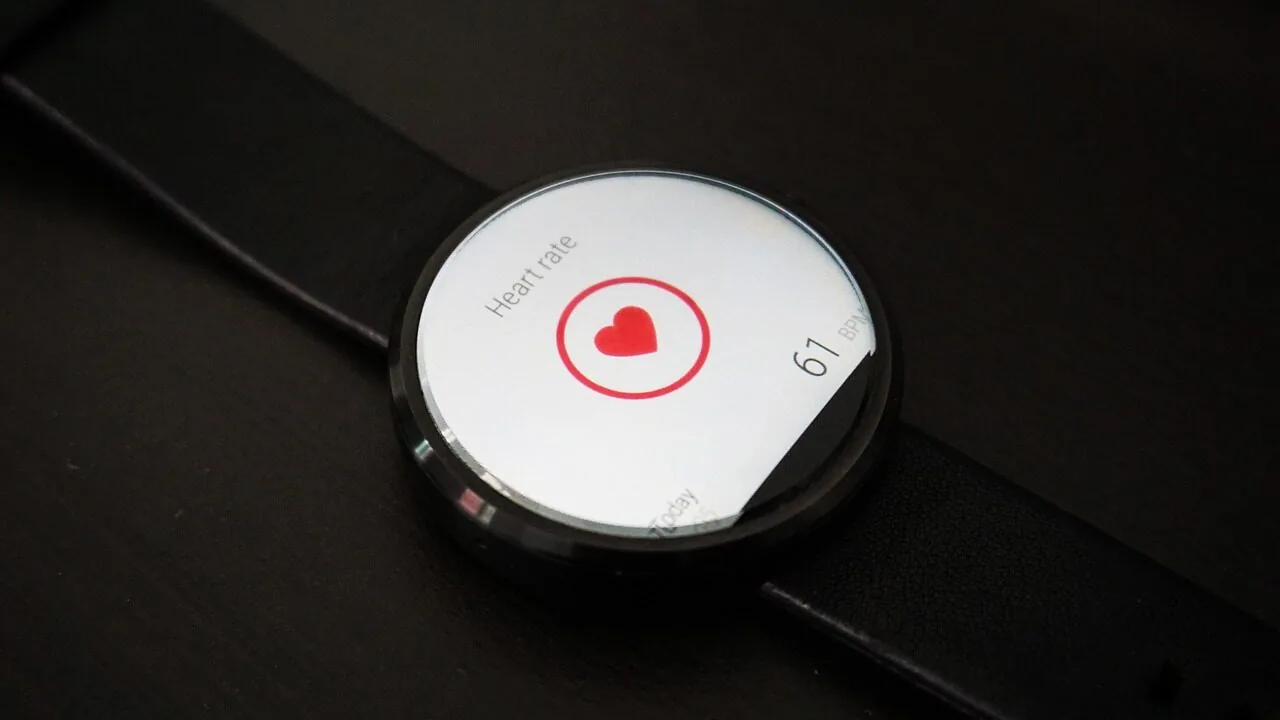
Google Health version 5.11 is now rolling out with a major upgrade to automatic workout tracking on compatible smartwatches and fitness devices. The expansion brings activity detection capabilities from just 10 recognized exercises to more than 100, fundamentally changing how users monitor their fitness routines.
What’s Changing in Your Fitness Tracking
The Fitbit Air and Pixel Watch models (versions 3, 4, and 5) are receiving this enhanced detection system as part of the latest Google Health rollout. This means your device can now recognize a vastly wider range of physical activities automatically, without requiring manual logging for each workout session.
Google’s approach combines multiple data sources to identify exercises more accurately. The system considers your workout history, previous patterns, manual activity entries, and location data (when you grant permission) to understand what exercise you’re performing. This contextual analysis allows the device to make smarter predictions about your activities based on your personal habits.
How Automatic Detection Works

When you engage in an activity that produces a sustained elevated heart rate and meets the minimum duration threshold, the system automatically logs it as a completed workout. You’ll typically receive a summary notification within 30 minutes confirming the activity was detected. If you need to correct or edit the logged activity, or if you want to add a workout the device missed, you can do so directly in the app.
Each time you confirm, edit, or manually add an activity, Google Health learns from your patterns. This ongoing learning process helps the system improve its future predictions, making it increasingly accurate at recognizing your specific exercise preferences and routines.
Accuracy Improvements for Shoppers
According to Google’s announcement, the expanded detection system delivers nearly twice the accuracy of the previous version. More importantly for fitness-focused consumers, the new rollout reduces missed workouts by more than half. This means fewer instances where you complete a workout but the device fails to log it.
For users who rely on their smartwatch to track health metrics and maintain accurate fitness records, this improvement addresses one of the most frustrating aspects of automatic detection: the device simply missing workouts altogether. With better accuracy and fewer missed sessions, users can trust their device’s activity log more completely.
Device Compatibility and Rollout Timeline
The Fitbit Air will also receive this upgraded activity detection when it launches. For existing users, the feature is arriving with Google Health 5.11. The app update is currently widely available on iOS devices, while the Android version continues rolling out to users on that platform. When you update the app, you’ll see an onscreen notification indicating “Expanded activity detection, built to learn.”
If you own a portable power station, keeping your smartwatch charged for extended activity tracking has never been easier. This expanded detection system pairs seamlessly with devices that can maintain consistent power throughout your fitness routine.
What This Means for Fitness Enthusiasts
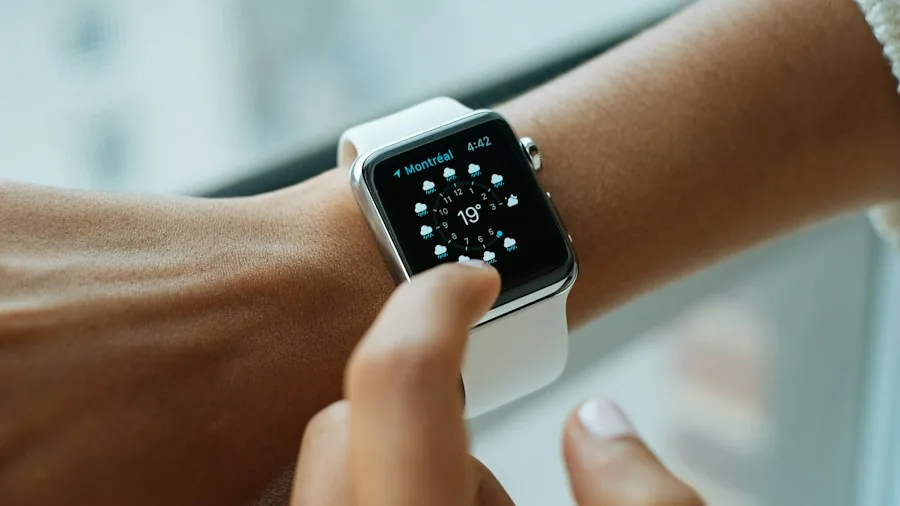
The rollout addresses a common complaint among smartwatch users: not having to manually record every single workout. Whether you’re running, cycling, swimming, or doing strength training, the device should now recognize your activity automatically. This convenience factor matters significantly for users who want their fitness data collected passively without constant manual intervention.
The learning aspect of this system is particularly valuable. As you use the device and correct any misidentified activities, the system adapts to your specific exercise patterns. A cyclist might perform very different motion patterns than a runner, and the system learns these distinctions over time.
Integration With Google Ecosystem
This enhancement represents Google’s broader push to make health and fitness tracking more seamless across its ecosystem. By improving detection accuracy and reducing missed workouts, Google positions its wearables as more reliable alternatives to dedicated fitness trackers or security cameras without subscription services that require constant setup and monitoring.
Users who have invested in Google Pixel Watch devices or Fitbit smartwatches will see immediate practical benefits from this rollout. The system’s ability to learn individual patterns means the accuracy improvements will continue compounding as you use the device over weeks and months.
Whether you’re casual about fitness tracking or serious about monitoring every workout, this expanded detection system with over 100 recognized activities removes friction from the data collection process. With nearly twice the accuracy and significantly fewer missed workouts, smartwatch users now have a more reliable tool for understanding their physical activity patterns.
About the author
Kristen writes about smartwatches for REMOVU, comparing features, battery life, and ecosystem fit. She helps readers tie together health tracking, notifications, and apps on the right watch.