Next Generation Xbox Launch Expected in 2028 What Shoppers Need to Know About Price and Timeline
Microsoft's upcoming Xbox Helix console could cost $1,200 to $1,800 when it launches in 2028, raising questions about value for consumers.
 By Serenity Richards
Updated October 21, 2026

Microsoft is preparing to launch its next-generation gaming console, codenamed Xbox Helix, but the timeline and pricing could reshape how consumers approach their gaming hardware purchases. According to reports, the new system may not arrive until 2028, and internal estimates suggest a launch price somewhere between $1,200 and $1,800, a figure that would dramatically exceed the cost of the current Xbox Series X at launch.
What’s Driving the High Price Tag
The staggering cost projection stems from ongoing global semiconductor shortages and elevated hardware manufacturing expenses that are expected to persist through the decade. Memory component costs remain astronomically high, and industry analysts expect these pressures to continue even as we approach 2028. When Microsoft finalizes the design specifications and commits to mass manufacturing in 2027 or early 2028, the company will face significant purchasing decisions that lock in these elevated material costs. A next-generation Xbox with enhanced processing power, graphics capabilities, and storage would inherit these inflated production expenses directly.
To put this in perspective, the original Xbox Series X launched at around $500. If the new console reaches $1,800, that represents nearly a four-fold increase in entry price for the upcoming generation, fundamentally changing the value proposition for console gaming.
The Competitive Landscape
Sony’s anticipated PlayStation 6 is also expected to command a premium price, with estimates suggesting it will exceed $1,000. However, early indications suggest PlayStation may undercut Xbox on the launch price, even if both systems sit in a historically expensive bracket. This pricing disparity could influence which platform appeals to budget-conscious gamers, especially as both companies vie for market share in an increasingly competitive entertainment landscape.
Microsoft’s Xbox division has undergone significant organizational changes in recent months. New leadership, including CEO Asha Sharma, has committed to transformative initiatives, including growing Xbox into a platform that attracts a billion daily active players, compared to the current figure of approximately 100 million. These growth ambitions will need to contend with the reality that mainstream consumers may hesitate to invest $1,500 or more in a living room console when alternative gaming options exist.
Handheld Options May Offer Affordability
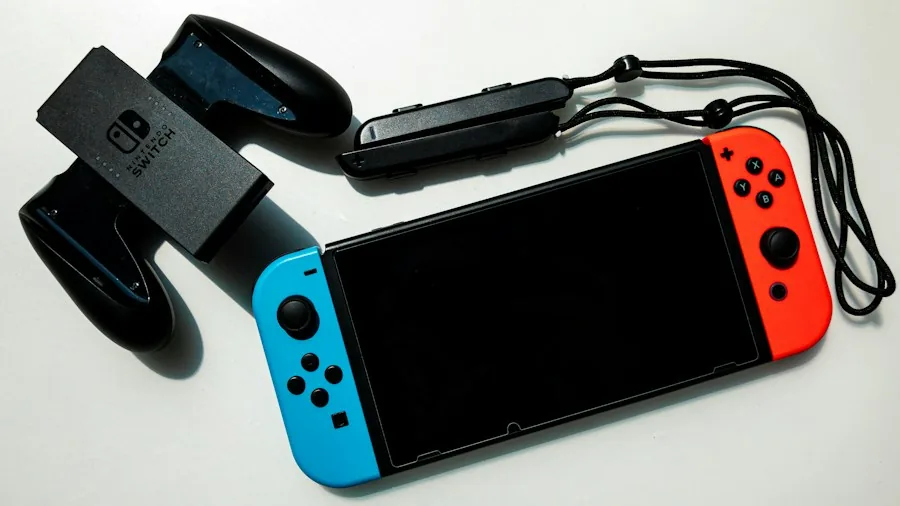
Microsoft is exploring a more accessible entry point through a next-generation handheld device, currently expected to debut during the holiday 2027 season. This portable system could provide a more budget-friendly alternative for consumers who want next-generation capabilities without committing to a full-size home console. A handheld approach would align with growing consumer interest in portable gaming experiences and potentially capture younger demographics increasingly drawn to mobile and PC gaming platforms.
When evaluating gaming game consoles in the coming years, shoppers should recognize that the traditional console market may segment differently than previous generations, with handheld, streaming, and home-based options serving distinct consumer needs and budgets.
Implications for Shoppers and Gaming Strategy
The 2028 launch timeline and projected pricing raise critical questions about purchase timing and gaming strategy. Current generation consoles like the Xbox Series X and Series S will likely remain relevant and receive software support well beyond 2028, making them solid investments for the next several years. Game Pass subscription services, which offer hundreds of titles for approximately $20 monthly, continue to provide compelling value compared to outright hardware purchases.
Consumers should consider their personal gaming preferences and budget constraints. While enthusiasts eager for cutting-edge graphics and processing capabilities may ultimately purchase the new Xbox, others may find satisfaction in current-generation hardware, PC gaming, or cloud-based gaming services that distribute entertainment across multiple devices. Consider accessories like external SSDs for Xbox consoles to extend the lifespan and storage capacity of current systems.
The gaming landscape will likely evolve significantly between now and 2028. Exclusive game titles, technological breakthroughs in manufacturing, and shifts in consumer preferences could alter the pricing equation. However, Microsoft’s internal projections suggest that consumers should prepare for higher entry costs whenever the next hardware generation launches.
Planning Your Gaming Future
For shoppers contemplating their next gaming investment, several factors merit consideration. The extended timeline until 2028 means current-generation hardware will receive new games and updates for years to come. Competitive gaming experiences on racing wheels for Xbox and other specialized peripherals will remain relevant and compatible with existing systems. Monitor announcements from Microsoft regarding backward compatibility policies, which will determine whether investments in current games and hardware maintain long-term utility.
The next-generation Xbox represents both innovation and economic reality. While the projected price may seem prohibitive to average consumers, the capabilities, exclusive content, and technological advances could justify the investment for dedicated gaming enthusiasts. However, casual players and budget-conscious shoppers may find greater value in the mature catalog of current-generation titles, streaming services, and alternative gaming platforms that continue to evolve and improve.
About the author
Serenity covers home game consoles for REMOVU, weighing performance, exclusive libraries, and the ecosystem each platform locks you into. She helps players pick the console that fits how and what they play.